Skip to content
A quick answer: When buying a new padel racket, focus on material quality, weight, balance, and customization options to ensure you source a product that meets your performance standards and market demands.
Selecting the right padel racket is essential for optimizing performance and ensuring overall customer satisfaction. This guide provides 10 practical tips for B2B procurement managers and sports equipment distributors to make informed decisions when purchasing padel rackets. We will explore critical factors such as material composition, production technology, design influences, and cost-effectiveness. Each tip is backed by technical considerations and real-world industry experience, ensuring that you can confidently evaluate different options and choose the optimal solution for your business.
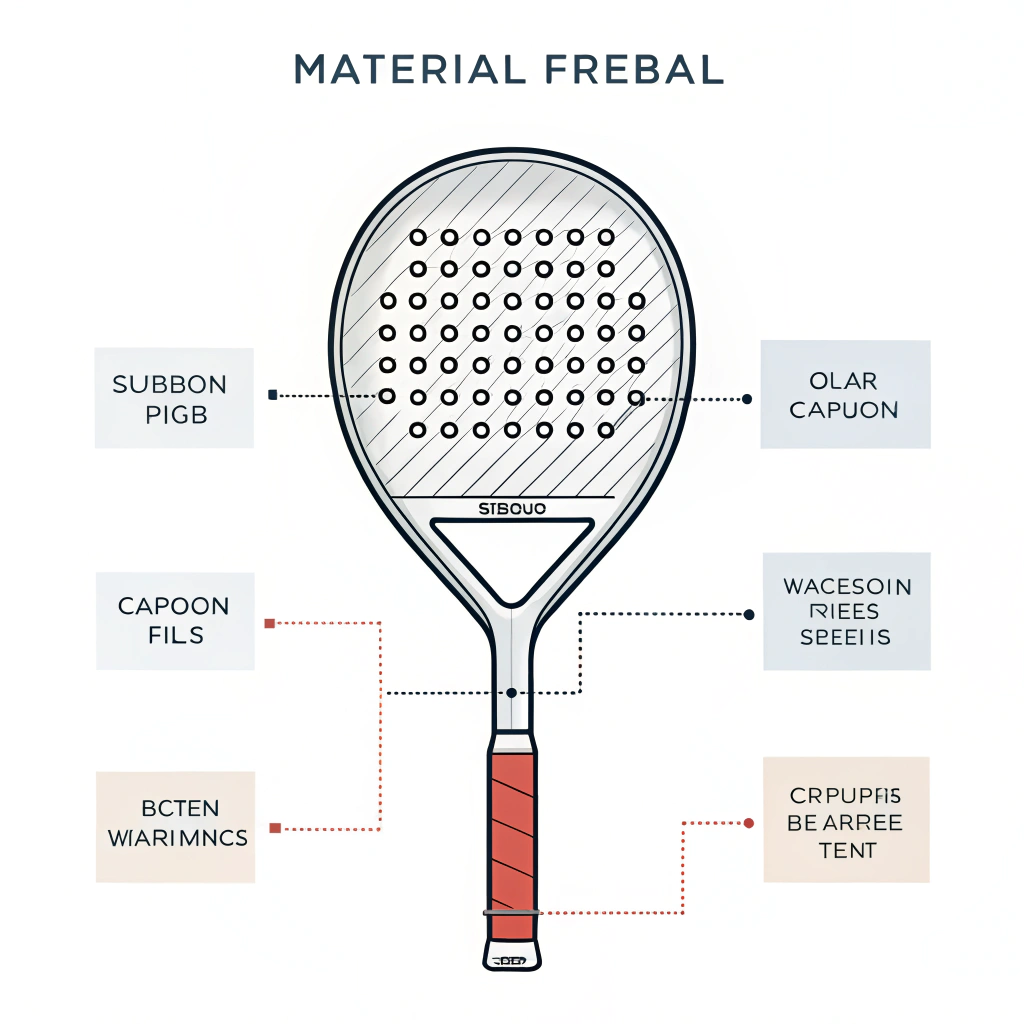
One of the most important aspects of any padel racket is its material. Manufacturers use different materials such as glass fiber1 and various grades of carbon fiber2 (3k, 12k, 18k) that greatly influence performance, durability, and weight.
- Glass Fiber: Often used for its flexibility and lower cost, glass fiber provides a good balance for players seeking moderate performance with affordability.
- Carbon Fiber (3k, 12k, 18k): These materials are known for their high stiffness, precision, and durability. The choice among them depends on the desired balance between power and control.
When evaluating the material, consider the intended market and the performance level your customers expect. For instance, high-performance players might demand heavier rackets composed of premium carbon fiber, while beginners could benefit from glass fiber for better maneuverability.
The weight of a padel racket typically ranges between 340 and 375 grams. However, understanding how weight affects play is critical:
- Heavier Rackets: Ideal for aggressive players who require more power in their shots, as the additional weight can generate greater momentum.
- Lighter Rackets: Perfect for players who value speed, agility, and quick reflexes on the court.
To make a balanced choice, evaluate the target demographic. Create a simple weight vs. performance table:
| Weight Range (grams) | Ideal For | Key Benefits |
|---|---|---|
| 340-350 | Defensive players / beginners | Increased speed & maneuverability |
| 350-375 | Aggressive players / professionals | Enhanced power and shot stability |
This comparison will help you tailor your product offerings to different segments within your distribution network.
Padel rackets come in various shapes—Diamond, Round, and Teardrop—each influencing the play style:
- Diamond: Offers a balance of power and precision but may require greater skill to master.
- Round: Typically provides a larger sweet spot, which can be advantageous for players needing a more forgiving design.
- Teardrop: Often strikes a balance between power and control, catering to a broad range of players.
Additionally, the ability to customize the racket shape, along with the printing of logos or changes in handle design, adds significant value. This customization allows you to align the product with your customers’ brand identities and regional preferences.
Tip 4: Assess Customization Options3
Customization is not merely an aesthetic choice—it substantially influences product differentiation. Consider the following customization aspects:
- Racket Shape Customization: Options beyond pre-set shapes for specialized performance features.
- Logo and Color Customization: Tailor the design to match corporate branding or local market trends.
- Hand Grip and Handle Customization: Some suppliers offer custom logos on hand grips or handle covers, further enhancing brand presence.
An emphasis on customizable elements can make your product offerings more appealing to clients who want to stand out in competitive markets.
Modern production techniques play a pivotal role in ensuring that each padel racket meets the highest quality standards. For instance, NEX Padel employs state-of-the-art manufacturing processes intentionally designed to enhance precision and consistency. Consider the following points when evaluating production methods:
- Advanced Manufacturing4: Emphasize the use of technologies that maintain material integrity.
- Sampling and Prototyping Speed: Fast turnaround times for samples can help you validate designs before large-scale production.
- Quality Control: Rigorous testing protocols ensure durability and performance, which can reduce return rates and increase customer satisfaction.
By understanding these factors, you can assess whether a supplier is capable of consistently delivering high-performance sports equipment.
A padel racket’s durability is heavily influenced by both its material composition and construction techniques. Explore specifications such as:
- Tolerance to Impact: How well does the racket absorb shocks during intense gameplay?
- Long-Term Durability: Expected lifespan under typical playing conditions.
- Performance Metrics: Evaluate factors like vibration dampening, balance, and resistance.
For instance, a racket built with high-grade carbon fiber may offer superior rigidity and power but need to be engineered carefully to maintain a balanced feel.
In a competitive market, cost plays a significant role in procurement decisions. When analyzing price points:
- Material Costs vs. Performance: Compare how investing in premium materials might justify a higher price for advanced players while also generating better margins.
- Customization Premium: Allow for additional charges linked to customized features such as special printing or unique handle modifications.
- Bulk Purchase Discounts: Leverage economies of scale when negotiating larger orders.
A structured pricing comparison can be generated in a simple table:
| Feature | Premium Materials | Standard Materials | Notes |
|---|---|---|---|
| Material Quality | High (Carbon fiber types) | Moderate (Glass fiber) | Impacts performance and durability |
| Customization Options | Extensive (logo, color, shape, grip) | Limited | Value-add for market differentiation |
| Production Lead Time | Fast with advanced tech | Moderate | Affects inventory planning |
This comparison helps in highlighting the trade-offs between quality, performance, and affordability.
Timely production and delivery are vital aspects of maintaining a smooth supply chain. Fast sampling and quick production cycles can differentiate your offerings in the market. Key points to consider include:
- Production Speed: Evaluate the manufacturer’s capability to deliver samples and final products within the required time frame.
- Logistics Efficiency: Assess the supplier’s track record for on-time delivery.
- Communication and Transparency: Ensure that a responsive point of contact is available to address any production queries.
Ensuring that these factors align with your market demands can significantly reduce downtime and improve client satisfaction.
In today's regulatory environment, adherence to industry standards is non-negotiable. Make sure that the padel rackets meet relevant certifications and regulatory guidelines that ensure:
- Player Safety: Materials and construction must adhere to safe play regulations.
- Quality Control Certifications: Look for suppliers accredited with recognized standards.
- Environmental and Manufacturing Regulations: Ensure sustainable practices are integrated into the production process.
By choosing suppliers who strictly comply with these standards, you can build trust and reduce risks associated with product defects or regulatory non-compliance.
A well-documented history of product testing coupled with real customer feedback is invaluable:
- Case Studies: Analyze reports that reflect on product performance under various conditions.
- Field Tests: Practical evaluations can reveal design advantages or weaknesses not evident during theoretical assessments.
- End-User Feedback: Collect opinions from players and distributors to fine-tune product features and performance.
Such feedback not only affirms the quality of the product but also helps in continuously improving the design and manufacturing processes.
As you weigh these 10 tips, it is worthwhile to look at a holistic approach in your purchasing strategy:
- Customization and Branding: In a crowded market, the ability to offer unique products can significantly enhance your competitive edge.
- Supplier Partnerships: Long-term relationships with reliable manufacturers, such as NEX Padel, ensure continuity, quality, and innovative product development.
- Market Trends: Stay updated on market trends and technological advances in padel racket manufacturing. Innovations in material science and production techniques can offer a significant advantage in meeting evolving customer demands.
By integrating these strategies, you position your business not only to purchase high-performance gear but also to lead the market with products that resonate with end-users.
Typically, deciding on a padel racket involves evaluating its weight, balance, material composition, and overall design. Rackets weighing between 340 and 375 grams allow for a range of play styles. A heavier racket offers more power, which benefits aggressive players, while a lighter one supports agile play and quicker reactions.
The lifespan of a padel racket depends on usage intensity and maintenance. For players engaging in regular play once or twice a week, a well-maintained racket may last between 10 to 14 months before its performance starts to diminish, making it an optimal time to consider a replacement.
Yes, however, higher price does not always mean better, especially for beginners or intermediate players. Expensive rackets typically have a smaller sweet spot and can be harder, potentially making them less maneuverable for those still developing their game.
-
Glass Fiber: Reading this article will help you understand the properties of glass fiber, why it is used in sports equipment manufacturing, and how it affects both performance and affordability. ↩ ↩
-
Carbon Fiber: Click to learn about the grades of carbon fiber (3k, 12k, 18k), their influence on racket performance, and how they balance power with precision and durability. ↩ ↩
-
Customization Options: This article explains the benefits of product customization, including branding advantages and market differentiation, crucial for B2B procurement strategies. ↩ ↩
-
Advanced Manufacturing: Discover how modern production technologies and processes ensure high precision, consistency, and superior quality in sports equipment manufacturing. ↩ ↩