Skip to content


Padel has grown into a global phenomenon, but few know its origins and how it has evolved. Understanding its history reveals why it continues to expand.
Padel originated in Mexico in 1969, developed into a professional sport in Spain and Argentina, and has since gained worldwide popularity.
Its rapid growth is driven by accessibility, exciting gameplay, and continuous innovation. However, some regions, like the U.S., remain slow to adopt it.
What Is the Evolution of the Padel Racket?
Early padel rackets were simple, but modern versions incorporate advanced materials for better performance.
Padel rackets have evolved from solid wooden designs to high-performance carbon fiber1 models, improving power, control, and durability.
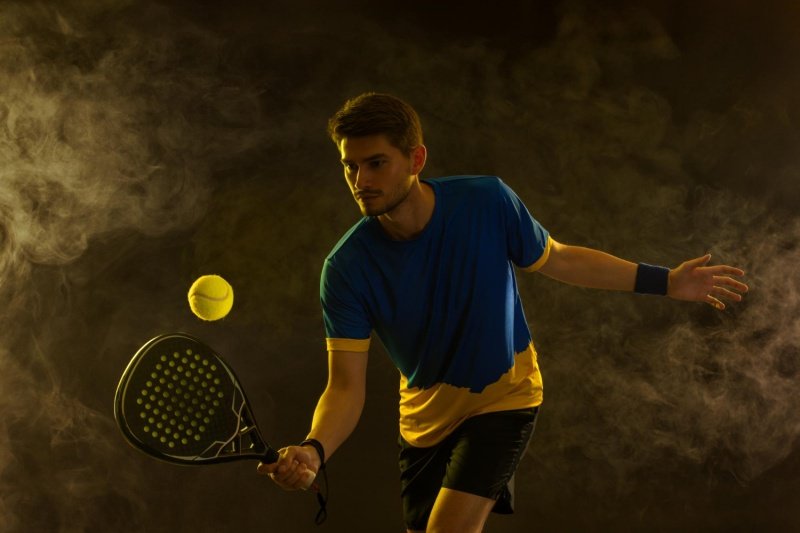
Key Stages in Padel Racket Evolution
| Era | Material Used | Impact on Gameplay |
|---|---|---|
| 1970s-1980s | Solid wood | Heavy, less control |
| 1990s | Fiberglass | Lighter, improved flexibility |
| 2000s | Carbon fiber | Enhanced power, durability |
| 2010s-Now | Hybrid materials2 | Balanced play, shock absorption |
How Racket Innovation Changed the Game
Early padel rackets limited spin and power. Fiberglass improved flexibility, while carbon fiber made rackets lighter yet stronger. Modern technology now focuses on shock absorption and optimizing power-to-control ratios.
What Is the History of the Padel Sport?
Padel started as a backyard game in Mexico but quickly spread to Europe and beyond.
Padel was invented in 1969 by Enrique Corcuera in Mexico and became widely popular in Spain and Argentina before expanding worldwide.

Major Milestones in Padel History
| Year | Event |
|---|---|
| 1969 | Enrique Corcuera invents padel in Mexico |
| 1974 | Padel introduced to Spain |
| 1991 | First Padel World Championship held |
| 2005 | Professional padel circuits3 expand |
| 2020s | Global popularity and investments increase |
The Global Expansion of Padel
Padel became popular in Spain due to its easy learning curve and social aspect. Argentina embraced it as well, producing top professional players. Today, countries like Sweden, the UAE, and Italy are investing heavily in the sport.
How Did Padel Become So Popular?
Padel’s rapid growth is due to its accessibility and engaging gameplay, making it appealing to both beginners and professionals.
Padel became popular because it is easy to learn, highly social, and requires less physical effort than other racquet sports.

Why Padel Appeals to Many Players
| Factor | Explanation |
|---|---|
| Accessibility | Short learning curve makes it easy for beginners |
| Social Aspect | Played in doubles, making it a fun group activity |
| Low Injury Risk | Smaller court and slower ball speed reduce strain |
| Competitive Edge | Appeals to both casual players and professionals |
The Role of Marketing and Infrastructure
Governments and investors in Spain and Argentina built courts and organized events, making padel mainstream. Celebrity endorsements and professional leagues helped increase visibility, drawing millions of new players.
Why Is Padel Not Popular in the USA?
Despite its global success, padel struggles to gain traction in the United States.
Padel is not popular in the U.S. due to limited court availability, competition from other sports, and lack of widespread awareness.
Challenges Padel Faces in the U.S.
| Challenge | Impact |
|---|---|
| Few Courts | Lack of infrastructure prevents growth |
| Tennis & Pickleball | These sports dominate the market |
| Low Awareness | Many Americans are unfamiliar with padel |
| Cost of Entry | Building new courts is expensive |
Can Padel Succeed in the U.S.?
To grow in the U.S., padel needs more facilities, better marketing, and backing from major sports organizations. Recent investments suggest that interest is rising, but widespread adoption will take time.
Conclusion
Padel has evolved from a backyard game to an international sport, thanks to technological advancements and growing global interest. While it thrives in Europe and Latin America, challenges remain in expanding its reach to markets like the U.S.