Skip to content
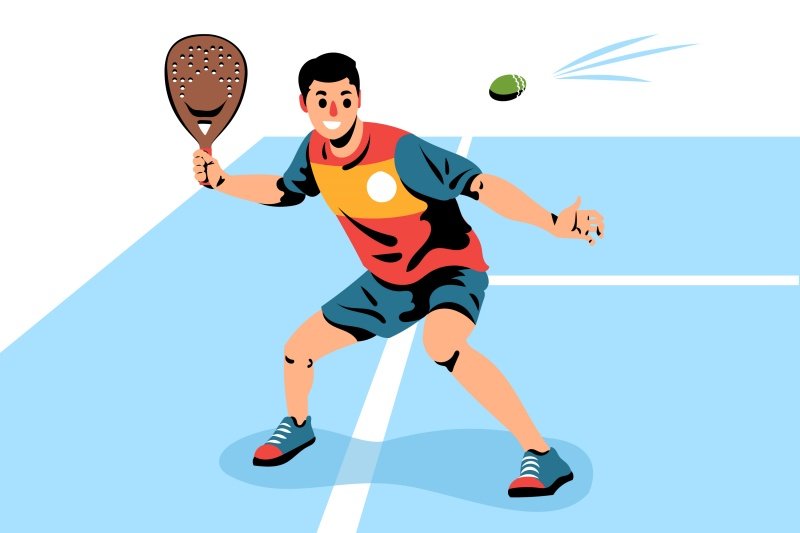
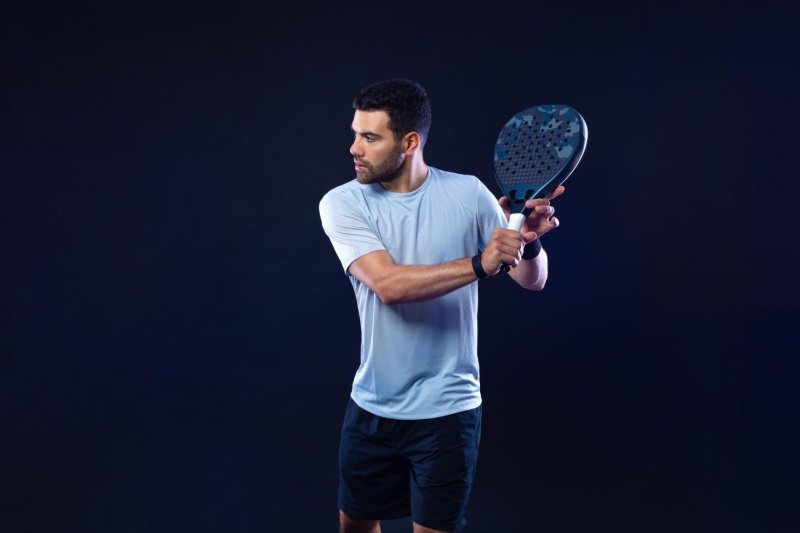
Padel is one of the fastest-growing racquet sports, yet many still confuse it with other similar games. Understanding its origins helps explain its rapid rise.
Padel is a racquet sport that originated in Mexico in 1969. It combines elements of tennis and squash, played on an enclosed court with walls1.
Although highly popular in Europe and Latin America, padel remains relatively unknown in some regions, such as the USA.
Is Pickleball the Same as Padel?
Despite some similarities, Pickleball2 and padel are distinct sports with different court designs, equipment, and playing styles. Padel uses solid rackets and walls, while pickleball uses a perforated paddle3 and no walls.

Key Differences Between Padel and Pickleball
| Feature | Padel | Pickleball |
|---|---|---|
| Court Size | 10m x 20m (enclosed with walls) | 6.1m x 13.4m (open court) |
| Racket Type | Solid, perforated padel racket | Lightweight pickleball paddle |
| Ball | Pressurized rubber ball | Plastic, perforated ball |
| Gameplay | Longer rallies with wall rebounds | Shorter points, no walls |
| Net Height | Lower than tennis, around 88 cm | Similar to badminton height |
Which Sport Is Easier?
Pickleball is generally easier to learn because of its slower pace and smaller court. Padel, while accessible to beginners, requires more movement and strategy due to the use of walls.
Why Is Padel Not Popular in the USA?
Despite its global popularity, padel has struggled to gain traction in the U.S.
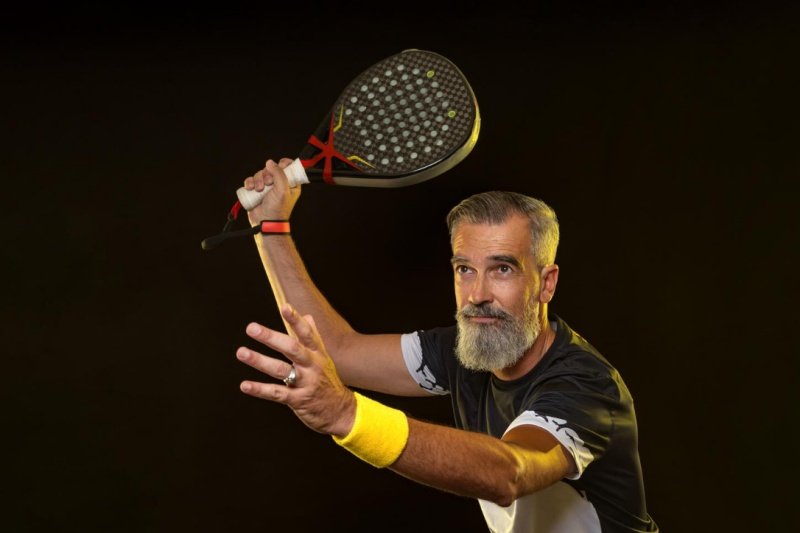
Padel is not widely played in the USA due to a lack of infrastructure, competition from other sports like pickleball, and limited awareness among American players.
Reasons Padel Has Not Grown in the U.S.
| Factor | Impact on Padel Growth |
|---|---|
| Few Courts | Limited availability makes it hard to try the sport |
| Pickleball Boom | Americans prefer pickleball, which is cheaper to adopt |
| Lack of Promotion | No major American sports organizations support it yet |
| Cost of Entry | Padel court construction is expensive |
Can Padel Succeed in the U.S.?
Padel is slowly gaining attention, with courts appearing in cities like Miami, Los Angeles, and New York. Increased investment and awareness campaigns could help padel establish itself alongside other major racquet sports.
Why Is It Called Padel?
The name "padel" comes from its original Spanish spelling, reflecting the sport's origins in Mexico and its expansion in Spain.
Padel is named after the Spanish word for "paddle," referencing the small solid racket used in the game.

The Origins of the Name
- Invented in 1969: Mexican businessman Enrique Corcuera created the sport in his backyard.
- Spanish Influence: The sport spread quickly to Spain, where it became popularized.
- Spelling Difference: In English, "paddle" refers to the equipment used in sports like pickleball, while "padel" is specific to this game.
Evolution of the Name
Padel has retained its Spanish name even as it spreads globally. Unlike other racquet sports, it has not undergone major renaming in different languages.
What Is the Difference Between Padel and Real Tennis?
While both sports involve rackets and a net, real tennis and padel have very different histories, rules, and playing styles.
Padel is a modern racquet sport with enclosed courts and doubles play, whereas real tennis4 is an ancient game with unique scoring and court designs.

Comparison Between Padel and Real Tennis
| Feature | Padel | Real Tennis |
|---|---|---|
| Origin | Created in 1969 in Mexico | Dates back to the 12th century in France |
| Court Design | Enclosed with glass walls | Indoor, asymmetrical court |
| Ball | Pressurized rubber ball | Hand-sewn felt ball |
| Gameplay | Fast-paced with wall rebounds | Strategic, slower pace |
| Popularity | Growing globally | Played mainly in select clubs |
Why Real Tennis Is Less Common
Real tennis is complex, requiring specialized courts and equipment. It remains a niche sport played mainly in historic clubs, whereas padel has grown rapidly due to its accessibility and social appeal.
Who Is the World Champion of Padel?
As of the latest championship, the titleholders have demonstrated exceptional prowess on the court.
In 2024, Argentina's men's team clinched their 12th World Padel Championship title5, while Spain's women's team secured their sixth consecutive championship.

Highlights from the 2024 Championship
- Men's Finals: Argentina triumphed over Spain with a 2-1 match victory, underscoring their dominance in the sport.
- Women's Finals: [Content references omitted]
Conclusion
Padel, though often confused with sports like pickleball and real tennis, has a unique identity and history. Its popularity continues to rise globally, though challenges remain in markets like the USA. Understanding its origins, differences, and potential growth helps paint a clearer picture of this exciting sport.
-
Understand how an enclosed court with walls influences gameplay and infrastructure requirements. ↩
-
Learn what pickleball is and how it differs from padel for market comparison. ↩
-
Discover the benefits and design features of a perforated paddle in enhancing play. ↩
-
Explore the history and unique aspects of real tennis compared to modern racquet sports. ↩
-
Clarify the significance of winning a 12th championship title in demonstrating sustained excellence. ↩