Skip to content
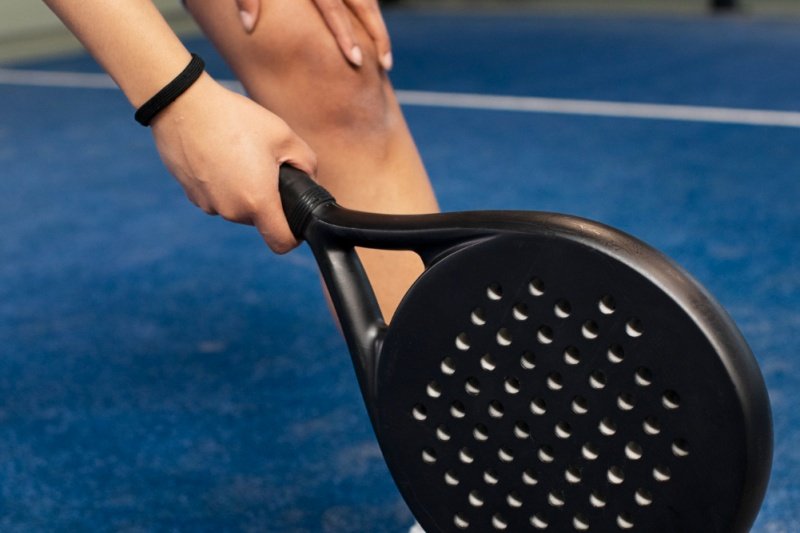
Choosing the wrong material can ruin performance and durability. The right materials define the power, control, and lifespan of a padel racket.
Carbon fiber1, EVA foam2, and tempered glass3 are the most used materials in padel rackets and courts due to their durability and performance.
Let’s explore which materials are truly best—and why they matter so much in padel manufacturing.
What material is best for padel rackets?
Many rackets look alike, but the material inside them makes all the difference in performance and value.
Carbon fiber is the best material for padel rackets due to its high strength-to-weight ratio and durability.

H3: Understanding Core and Surface Materials
As a manufacturer at NEX Padel, I’ve tested many combinations. The two key material zones in a racket are:
| Part of Racket | Common Materials | Why It Matters |
|---|---|---|
| Frame/Surface | Carbon Fiber, Fiberglass | Affects control, power, and lifespan |
| Core | EVA Foam, Polyethylene | Influences feel, shock absorption |
Carbon fiber offers the best balance of stiffness and lightweight performance. It provides explosive shots while maintaining control. Fiberglass is cheaper but offers less precision and durability.
H3: Carbon Variations
There are also different grades of carbon used:
- 3K Carbon: More flexible, better for control.
- 12K Carbon: Stiffer, gives more power.
- 18K+ Carbon: Lightweight, premium performance, higher cost.
We often recommend 12K carbon for intermediate players who want both power and durability.
What is the best material for a padel court?
Even a world-class racket won’t matter if the court isn’t built from proper materials. Court quality affects safety and gameplay.
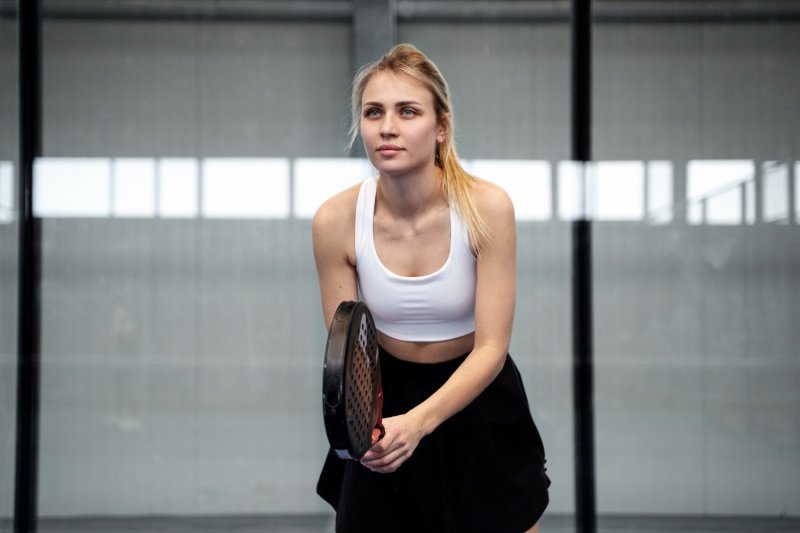
Tempered glass, artificial turf4, and galvanized steel5 are the best materials for padel courts.
H3: Padel Court Material Components
When we help partners build or refurbish courts, here are the materials we recommend:
| Court Component | Best Material | Benefits |
|---|---|---|
| Side Walls | Tempered Glass (10-12mm) | Strong, transparent, allows ball bounce |
| Frame Structure | Galvanized Steel | Weather-resistant, durable |
| Floor Surface | Synthetic Turf | Ideal ball bounce, player comfort |
| Net Post | Powder-coated Steel | Resists corrosion |
Tempered glass provides not just visibility but also consistent rebound, which is key to padel’s unique style of play.
H3: Environmental Considerations
Materials should match the installation location. For example:
- Outdoor courts need UV-resistant turf and corrosion-proof metals.
- Indoor courts focus more on acoustics and moisture resistance.
We help clients choose the right specs based on their region’s climate.
What material is used for padel tennis rackets?
Confusion is common between “padel rackets” and “tennis rackets,” but their materials differ greatly due to sport dynamics.
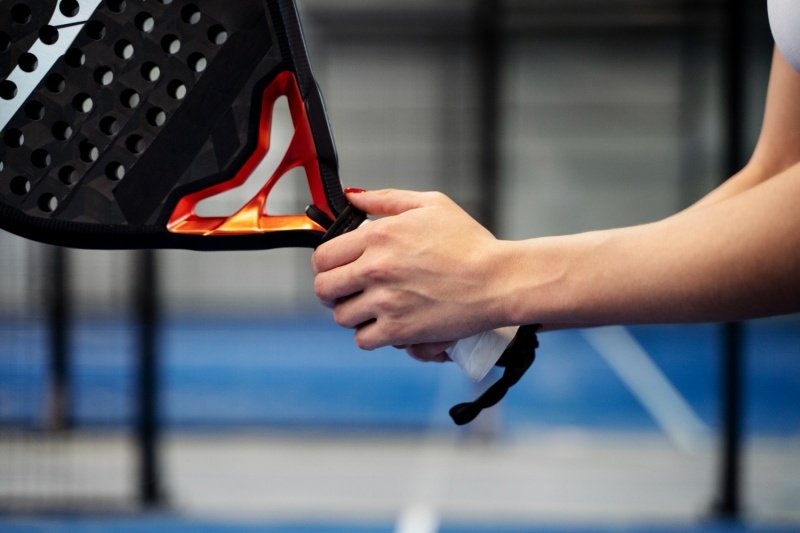
Padel rackets are made from carbon fiber or fiberglass with an EVA foam core for better control and shock absorption.
H3: Key Material Differences from Tennis
| Feature | Padel Racket | Tennis Racket |
|---|---|---|
| Frame Material | Carbon/Fiberglass | Graphite/Aluminum |
| Core | EVA or PE Foam | Hollow (no foam core) |
| Strings | No strings (solid face) | String bed for ball impact |
Padel rackets are more compact, solid, and require materials that provide shock dampening—especially at the amateur level.
At NEX Padel, we’ve found that EVA foam maintains its structure longer than polyethylene, especially under high-impact conditions.
H3: Why Material Choice Affects Skill Development
Beginners often benefit from softer foam cores, while pros prefer stiffer cores and harder face materials like 12K or 18K carbon. These allow for better precision and spin.
What makes a good padel racket?
Not every high-priced racket performs well. What really matters is how the material fits the player’s needs.
A good padel racket balances weight, material quality, and shape to match the player’s style and skill level.
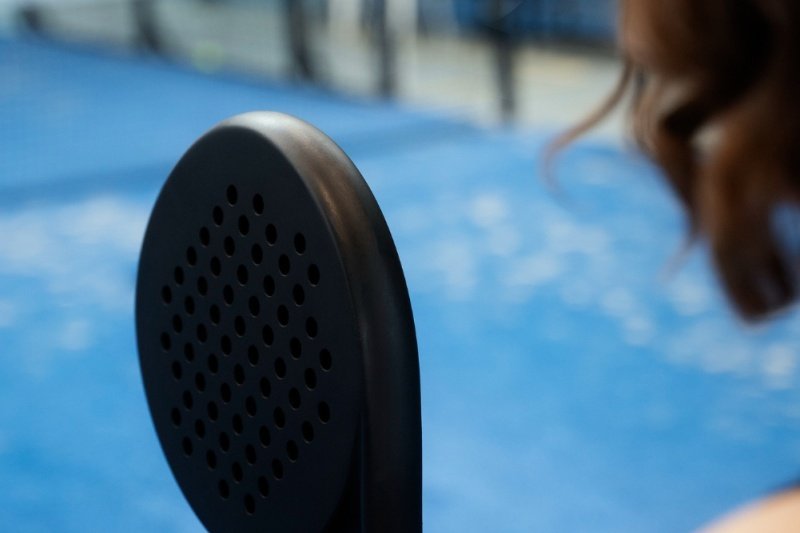
H3: Key Characteristics of a Quality Racket
| Feature | Optimal Material Choice | Why It Matters |
|---|---|---|
| Weight (350–375g) | Carbon fiber frame | Balance between maneuverability & power |
| Core Density | EVA Soft or Medium | Better control and shock absorption |
| Surface Texture | Rough carbon/fiberglass mix | Helps with spin |
| Frame Shape | Teardrop or diamond | Affects balance and power distribution |
At NEX Padel, we design rackets with clear player profiles in mind. A control-focused player may prefer a round shape with soft EVA, while an aggressive player might go for a diamond shape with 18K carbon.
H3: Testing and Feedback Loop
We run continuous feedback loops with clubs and retailers to adjust materials based on playtest data. For example, players in humid regions may prefer fiberglass mix surfaces to prevent slippage, while dry-region players want raw carbon for more grip.
Conclusion
The best padel gear starts with smart material choices—carbon, EVA, glass, and steel—designed for real performance and long-term value.
-
Learn why carbon fiber is favored for its lightweight strength and durability in padel rackets. ↩
-
Understand how EVA foam enhances shock absorption and control in padel equipment. ↩
-
Discover the benefits of tempered glass in padel courts for consistent ball rebound. ↩
-
Explore how artificial turf provides optimal ball bounce and player comfort on padel courts. ↩
-
Find out why galvanized steel is essential for durability and weather resistance in court structures. ↩