Skip to content

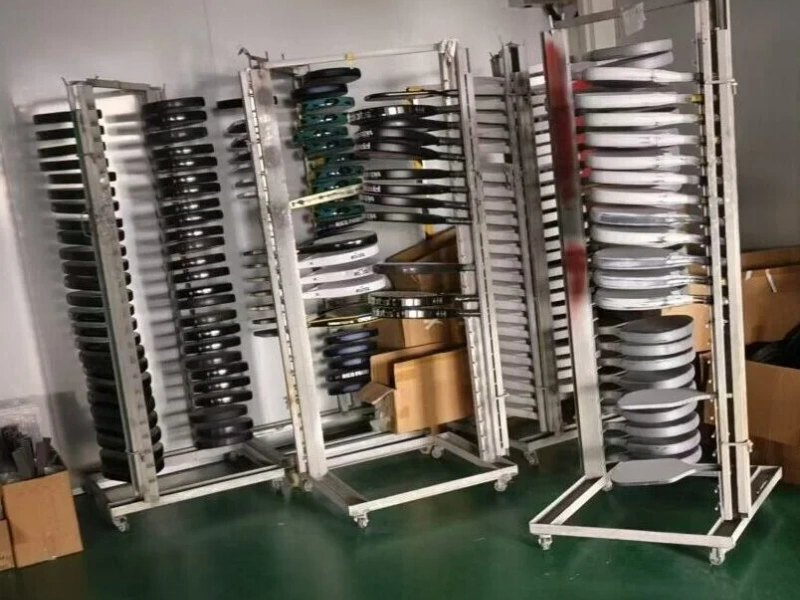
The global padel racket market is growing rapidly with the sport gaining worldwide popularity. As an experienced manufacturer and wholesaler, we specialize in producing high-quality padel rackets and accessories tailored to meet diverse customer needs.
Padel combines elements of tennis and squash, requiring rackets with specific materials and construction for optimal performance. Choosing the right manufacturer ensures product durability, performance, and competitive pricing.
At NEXpadel, we pride ourselves on being a professional OEM/ODM supplier, offering comprehensive services from material selection to design and mass production.
About Our Company: OEM/ODM1 Expertise
Our company, NEXpadel, is a leading padel racket manufacturer based in China. With years of experience as an OEM partner for well-known brands like Selkirk, we have deep knowledge of product development, innovation, and quality management.
We offer full ODM services, including customized designs, logos, packaging, and accessories such as balls, racket bags, and wristbands. Our goal is to help brands quickly launch their own padel products without compromising quality or deadlines.
Materials Used in Padel Rackets
The choice of materials is critical to a padel racket’s performance, durability, and player comfort. At NEXpadel, we use carefully selected high-quality raw materials that meet international standards and cater to different playing styles and levels.
1. Frame Materials
The frame is the backbone of a padel racket, requiring strength, rigidity, and light weight. Common frame materials include:
- Carbon Fiber2: High strength-to-weight ratio, excellent stiffness, preferred for professional rackets. We use 12K and 18K carbon fibers, including T700 and T800 grades, for superior performance.
- Fiberglass: More flexible and affordable than carbon fiber, suitable for beginner and intermediate players.
- Hybrid Composites: Combination of carbon fiber and fiberglass to balance durability, flexibility, and cost.
2. Core Materials
The core affects shock absorption, control, and power.
- EVA Foam3: Widely used core material, available in soft, medium, and hard densities to suit different player preferences.
- Polyethylene Foam (PE): Offers greater softness and enhanced feel but slightly less durability.
- Hybrid Cores: Combining EVA and PE for tailored performance.
3. Surface Materials
The hitting surface needs to withstand impact and provide good ball response.
- Carbon Fiber Surface: Provides a harder, faster surface for power and precision.
- Fiberglass Surface: Offers more flexibility and control, favored by beginners.
- Textured Surfaces: Some models feature textured or rough surfaces for improved ball spin.
4. Edge Guard Materials
The edge guard protects the racket frame from impact damage.
- Usually made from durable plastic or rubber compounds designed to absorb shocks and extend the racket’s lifespan.
5. Handle and Grip Materials
Comfort and grip stability are essential.
- Handles are generally made from composite materials wrapped with PU foam or leather-like grips to provide softness and prevent slippage during play.
At NEXpadel, our material sourcing is strict and we continuously test new composites to stay at the forefront of padel racket technology. Our wide material selection allows us to customize rackets that match different player levels, from beginners to pros.
Production Equipment and Technology
At NEXpadel, we invest heavily in advanced production equipment and cutting-edge technology to ensure every padel racket meets the highest standards of quality and consistency.
1. Carbon Fiber Cutting and Layup Machines
Precision cutting machines enable accurate cutting of carbon fiber sheets to the exact shapes and sizes required. Automated layup equipment ensures consistent layering and fiber orientation, which is critical for racket strength and performance.
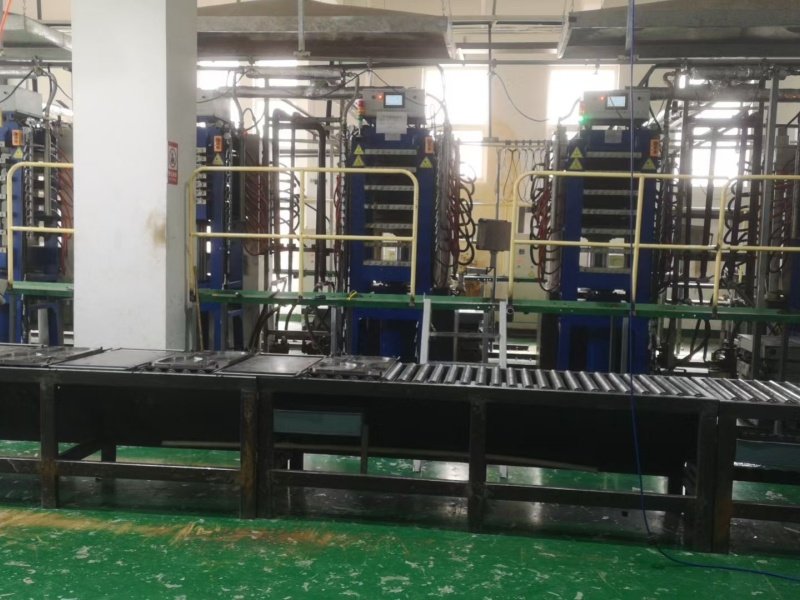
2. High-Pressure Molding Presses
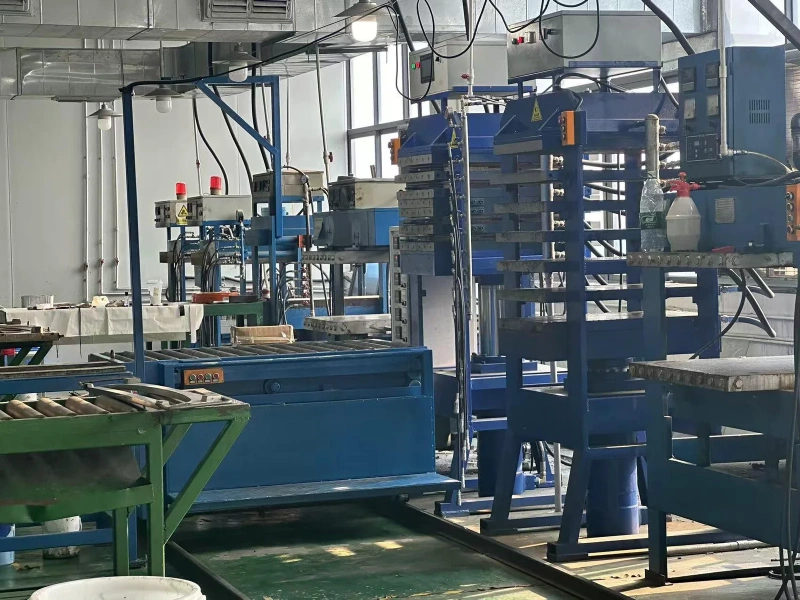
Our hydraulic molding presses apply precise pressure and temperature to cure composite materials. This process bonds the carbon fiber and core materials, shaping the racket frame with tight tolerances and excellent structural integrity.
3. CNC Machining
Computer Numerical Control (CNC) machines are used to trim and shape the racket after molding. CNC ensures precise edges, holes, and handle fittings, maintaining uniformity across production batches.
4. Surface Treatment and Texturing Machines
Specialized equipment applies surface finishes and textures, enhancing grip and ball control. This includes sanding, coating, and UV curing machines that improve durability and aesthetics.
5. Automated Painting and Printing Lines
Our fully automated painting lines provide consistent and high-quality finishes. We also use digital printing technology for logos and graphics, enabling detailed customization with quick turnaround.
6. Quality Testing Equipment
We use impact testers, stiffness testers, and weight measurement devices throughout production to ensure rackets meet design specifications and performance benchmarks.
Through these advanced machines and technology, NEXpadel achieves high efficiency, tight quality control, and flexible customization, supporting OEM and ODM production for clients worldwide.
Manufacturing Process Step-by-Step
At NEXpadel, our padel rackets are manufactured through a precise, multi-stage process designed to ensure quality, durability, and consistent performance.
1. Material Preparation
Raw materials such as carbon fiber sheets, fiberglass, EVA foam cores, and resin are inspected and prepared. Carbon fiber sheets are cut into specific shapes using CNC cutters based on racket design.
2. Layup and Assembly
The carbon fiber or fiberglass layers are laid onto molds in a specific sequence and orientation to optimize strength and flexibility. The EVA or PE foam core is positioned within the frame layers.
3. Pre-Pressing
The assembled layup is pre-pressed to remove air bubbles and align layers before final curing. This step is essential to avoid delamination and improve structural integrity.
4. Molding and Curing
The layup is placed into a hydraulic press4 where heat and pressure cure the resin, bonding all materials into a rigid and durable racket frame. This curing cycle is strictly controlled for temperature and time.
5. Demolding and Trimming
Once cured, the racket is removed from the mold. CNC machines trim excess material, shape the edges, and drill holes for balance and weight optimization.
6. Surface Finishing
The racket surface is sanded and treated to achieve smoothness or texture as required. Protective coatings and primers are applied.
7. Painting and Printing
Rackets are painted using automated lines with UV curing to ensure durability. Logos, brand names, and graphics are printed digitally or by pad printing for customization.
8. Assembly of Handle and Grip
Handles are installed and wrapped with grip materials such as PU foam or leather-like coverings. Quality grips ensure comfort and prevent slippage.
9. Quality Inspection
Each racket undergoes visual and mechanical inspection. Weight, balance, stiffness, and surface finish are checked. Random samples go through impact and durability testing.
10. Packaging
Qualified rackets are packed with accessories like wristbands or bags (if ordered), then sealed and prepared for shipment.
Our streamlined production process, combined with rigorous quality control, allows NEXpadel to deliver superior padel rackets that meet the exacting demands of customers worldwide.
---
Quality Control and Testing
Quality is the cornerstone of NEXpadel’s manufacturing philosophy. To ensure every padel racket meets international standards and customer expectations, we implement comprehensive quality control (QC) procedures throughout production.
1. Incoming Material Inspection
All raw materials, including carbon fiber sheets, foam cores, resins, and handle grips, undergo strict quality checks before entering production. This ensures only premium inputs are used.
2. In-Process Monitoring
During layup, molding, and curing stages, trained technicians monitor parameters such as temperature, pressure, and timing. Automated sensors and equipment record data to maintain consistency.
3. Visual Inspection
Rackets are visually inspected for surface defects like bubbles, cracks, or uneven coatings. Appearance quality is critical for brand image and customer satisfaction.
4. Mechanical Testing
- Impact Resistance Tests: Simulate real game impacts to ensure the racket can withstand sudden shocks without damage.
- Stiffness and Flexibility Tests: Measure racket rigidity to confirm it matches the design specs for control and power.
- Weight and Balance Checks: Ensure weight distribution meets client requirements for optimal handling.
5. Functional Testing
Some samples undergo on-court testing to verify playability, grip comfort, and ball response. Feedback from professional players is incorporated to fine-tune designs.
6. Final Inspection and Packaging Check
Before shipment, every batch passes a final inspection. Packaging is verified for completeness, durability, and correct branding.
7. Certification and Compliance
NEXpadel holds BSCI factory certifications5 and complies with relevant international regulations. This assures customers of ethical manufacturing and product safety.
Through strict QC processes and continuous improvements, NEXpadel guarantees high-performance padel rackets that build trust and long-term partnerships with clients globally.
Customization Options for OEM/ODM
At NEXpadel, we specialize in providing flexible OEM and ODM services tailored to your brand’s unique needs. Our customization options cover every detail to help you launch distinctive padel products quickly and competitively.
1. Custom Designs and Logos
We accept custom artwork for racket faces, handles, and packaging. Using advanced digital printing and pad printing technologies, we can accurately reproduce complex logos, patterns, and color schemes.
2. Material and Specification Tailoring
Clients can choose from various carbon fiber grades, foam densities, and surface textures to create rackets that fit their target player profile — from beginners to professionals.
3. Handle and Grip Customization
Options include different grip materials, colors, and ergonomic designs. We also provide personalized wristbands and racket bags matching your branding.
4. Packaging Solutions
We offer custom packaging designs, including printed boxes, blister packs, and eco-friendly materials. Packaging can include inserts, manuals, and promotional materials tailored to your market.
5. Minimum Order Quantity (MOQ) and Lead Times
Our flexible MOQ allows small brands and startups to order with manageable quantities. Typical lead times are competitive, with rapid prototyping and sample production services to speed time to market.
6. R&D Collaboration
For brands seeking innovation, we collaborate on new material formulations, racket shapes, and performance enhancements based on market trends and player feedback.
Our professional OEM/ODM service ensures your padel racket line stands out with premium quality, attractive design, and fast delivery — empowering your brand’s success.

Our Competitive Advantages and Experience
NEXpadel stands out in the padel racket manufacturing industry due to our extensive experience, advanced technology, and customer-focused approach. Here are some key advantages we bring to our partners:
1. Proven OEM Partner for Leading Brands
We are the trusted OEM manufacturer for established brands like Selkirk. This partnership reflects our ability to meet strict quality standards and deliver high-performance rackets consistently.
2. Comprehensive Product Range
From entry-level fiberglass rackets to professional-grade carbon fiber models, we offer a wide product spectrum. This versatility helps clients target diverse market segments effectively.
3. Advanced Manufacturing Capabilities
Our investment in state-of-the-art equipment and continuous technology upgrades ensures precision, efficiency, and scalability in production.
4. Strict Quality Control Systems
With BSCI certification and rigorous QC protocols, we guarantee product safety, durability, and compliance with international regulations.
5. Strong R&D and Innovation Team
Our dedicated R&D team stays ahead of market trends and materials innovation, allowing us to develop cutting-edge racket designs and improve performance features.
6. Flexible OEM/ODM Services
We offer low MOQs, fast sample turnaround, and personalized support throughout the product development lifecycle, making us an ideal partner for both startups and established brands.
7. Competitive Pricing and Reliable Delivery
Our efficient supply chain and manufacturing process help control costs without compromising quality. We also provide reliable logistics solutions for timely global shipments.
8. Customer-Centric Approach
We prioritize communication, transparency, and long-term partnerships. Our team works closely with clients to understand their needs and deliver tailored solutions.
By choosing NEXpadel as your padel racket manufacturer, you gain a dependable partner dedicated to your brand’s growth and product excellence.
Market Trends and Customer Needs
The padel racket market is evolving rapidly as the sport’s popularity surges worldwide. Understanding current trends and customer preferences is essential for manufacturers and brands to stay competitive.
1. Growing Global Popularity of Padel
Padel is expanding beyond traditional markets like Spain and Argentina to North America, Europe, and Asia. This growth drives demand for diverse racket types catering to beginners, recreational players, and professionals.
2. Increasing Demand for Customization
Players seek personalized rackets with unique designs, colors, and technical features. Brands offering tailored OEM/ODM products can capture niche markets and build brand loyalty.
3. Focus on Lightweight and Durable Materials
There is a clear trend towards using advanced carbon fiber composites that balance lightness and strength, improving maneuverability and shot power.
4. Sustainability Awareness
Consumers increasingly value environmentally friendly production processes and recyclable materials. Manufacturers integrating sustainable practices gain market advantage.
5. Performance Enhancements Through Technology
Innovations in foam cores, textured surfaces for spin control, and vibration dampening features are popular among competitive players.
6. Accessory Integration
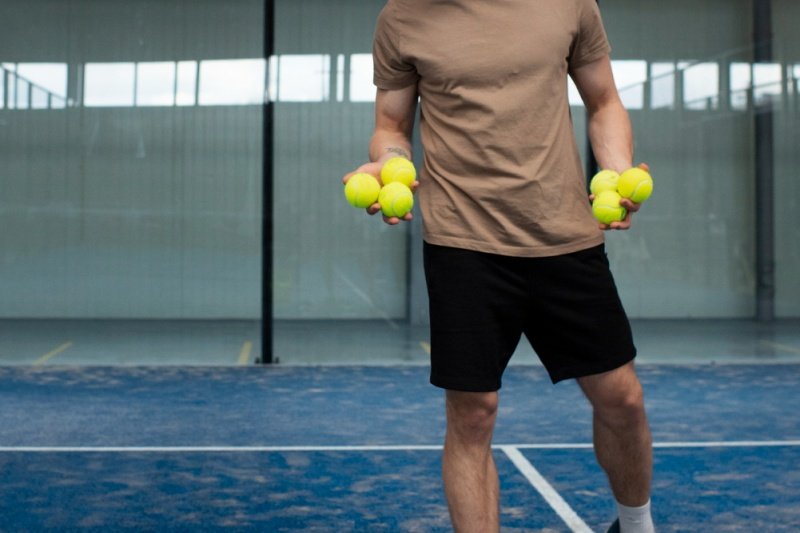
Packaging padel rackets with matching balls, grips, and bags enhances customer experience and increases product value.
7. E-commerce and Direct-to-Consumer Sales Growth
Online sales channels require manufacturers to support small batch orders and fast fulfillment to meet dynamic market demands.
By aligning manufacturing and product development with these trends, NEXpadel helps partners deliver competitive, high-quality padel rackets that resonate with today’s players worldwide.
Conclusion and How to Contact Us
In summary, NEXpadel is your reliable partner for professional padel racket manufacturing and wholesale. With extensive OEM/ODM experience, advanced production technology, strict quality control, and a wide range of customizable options, we help brands succeed in the growing global padel market.
Our commitment to quality, innovation, and customer service ensures every racket delivers excellent performance and durability. Whether you are a startup or an established brand, NEXpadel offers flexible MOQ, fast prototyping, and tailored solutions to meet your unique needs.
We invite you to visit our website at www.nexpadel.com to learn more about our products and services.
For inquiries or to discuss potential cooperation, please contact us at:
Email: Ethan.l@nexpickleball.com
We look forward to building a successful partnership with you.
-
OEM means that the manufacturer produces products according to the customer's design, and the customer owns the brand; ODM means that the manufacturer provides the design, and the customer directly purchases the finished product or sells it after minor adjustments. ↩
-
Carbon fiber is a polymer, sometimes called graphite fiber. It is a very strong and lightweight material. ↩
-
EVA foam is the mainstream choice for the core material of pickleball rackets because of its good elasticity and strong shock-absorbing properties. Different hardnesses affect the feel and control of the racket. ↩
-
Used to mold carbon fiber and core materials under high temperature and high pressure to ensure the racket has a tight structure, precise dimensions and stable performance. ↩
-
BSCI certification ensures that factories comply with international social responsibility standards in terms of labor rights, environmental protection, etc., and improves supply chain transparency and brand image. ↩