Skip to content
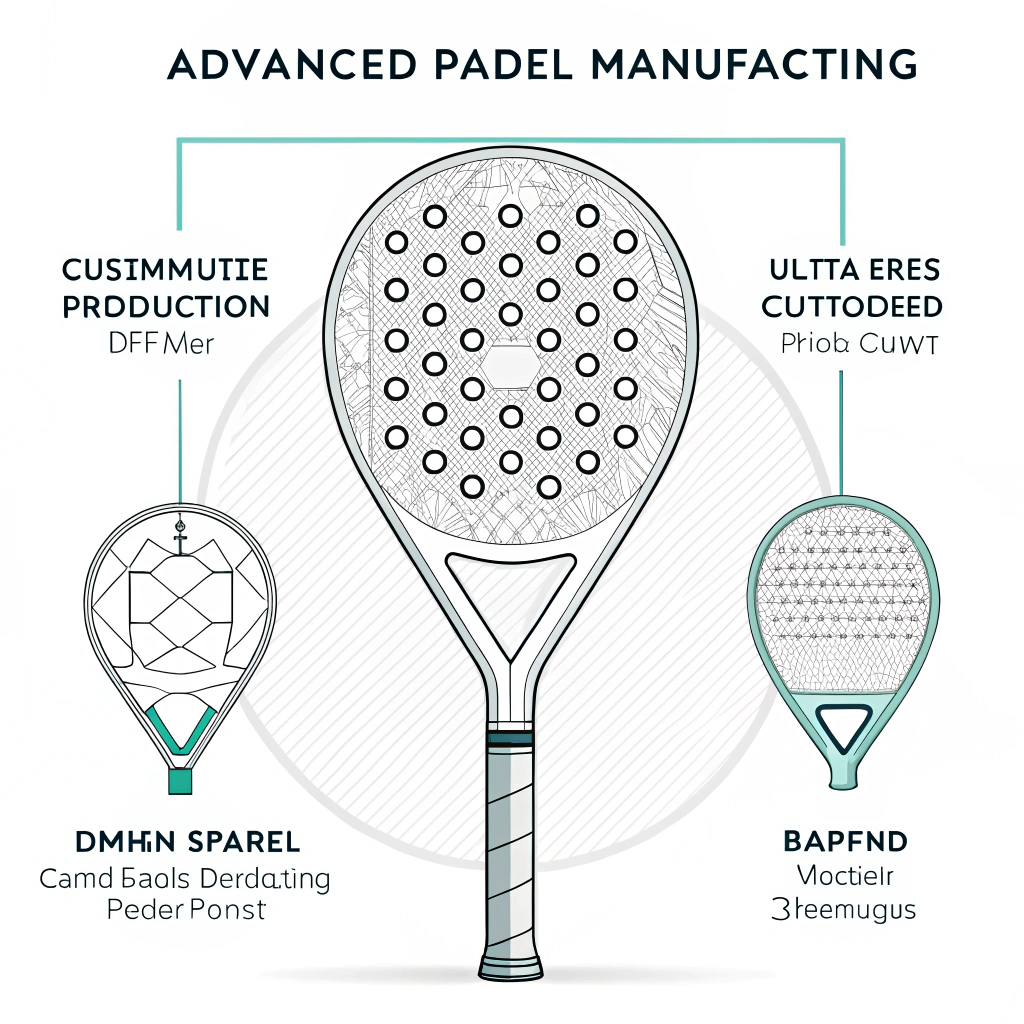
Padel Rackets Manufacturers are leading specialists in high-performance padel equipment by providing customized manufacturing solutions that meet rigorous technical specifications and quality demands. In today’s competitive market, procurement managers and distributors must carefully evaluate manufacturers based on technical expertise, production efficiency, and the ability to deliver consistent quality. This article explores the key factors in selecting a high-performance padel racket manufacturer, with insights into state-of-the-art production techniques1, material selection, customization options, and global supply standards.
The padel market is rapidly expanding as the sport gains popularity worldwide. For B2B buyers, the challenge is not just sourcing rackets that perform well but also ensuring that manufacturers can consistently meet high performance standards. Problems such as production delays, inconsistent quality, and lack of customization can hinder long-term business growth. Reliable manufacturers must therefore offer:
• Robust quality control
• Advanced customization (including shapes, prints, and color options)
• fast prototyping2 and quick turnaround times
• A proven track record of supply to well-known brands
Given these challenges, manufacturers like NEX Padel stand out by leveraging state-of-the-art production techniques and adhering to strict quality control standards.
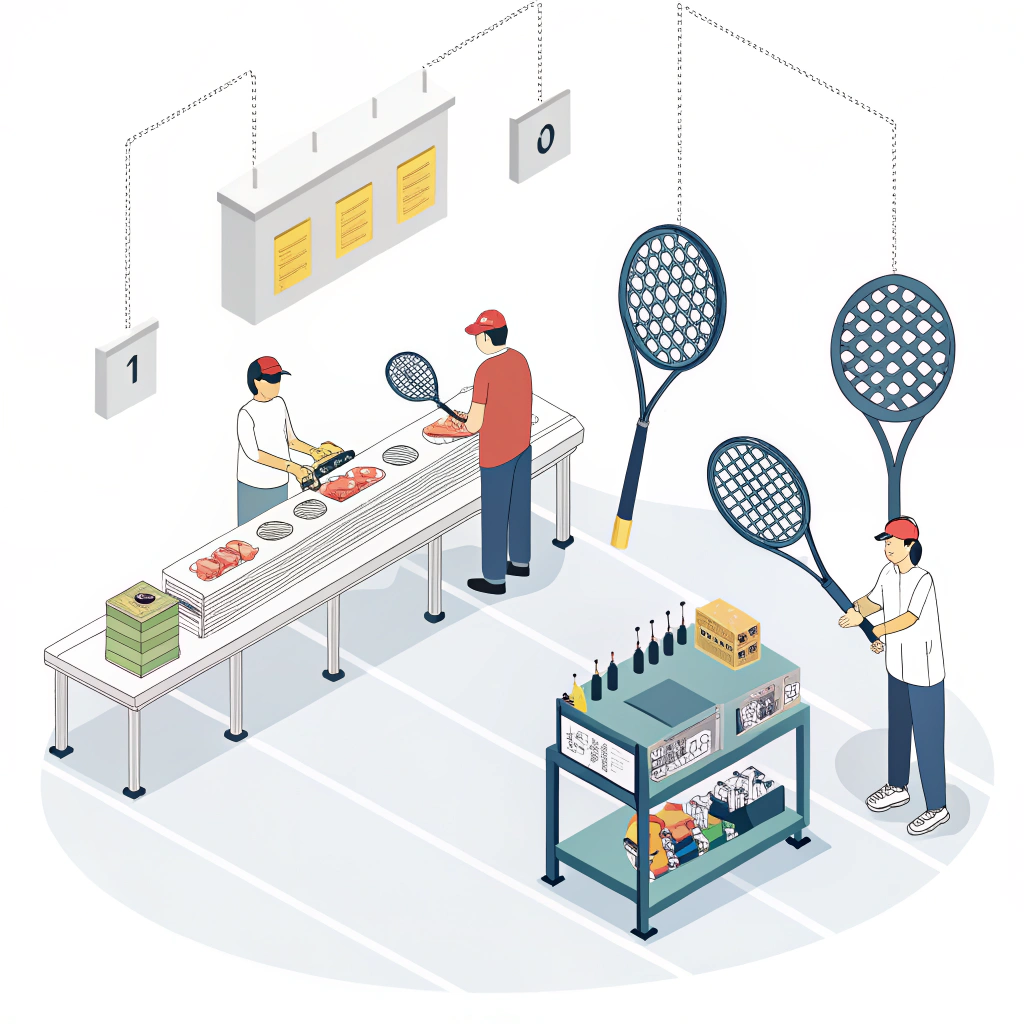
Procurement managers face multiple hurdles when selecting a manufacturer:
- Inconsistent Product Quality: If a manufacturer lacks rigorous quality checks, production variability can lead to higher return rates and damage brand reputation.
- Limited Customization: In a competitive market, offering unique designs such as Diamond, Round, or Teardrop shapes can provide a significant advantage.
- Slow Prototyping and Lead Times: Time-to-market is critical. Delays in sample production can result in missed opportunities.
- Material Impacts: The performance of a padel racket is intrinsically linked to the quality of raw materials used. Manufacturers must work with materials ranging from glass fiber to advanced carbon fibers3 like 3K, 12K, and 18K to cater to varying performance levels.
- Reliability in OEM4 and Co-Branding: Many B2B buyers look for manufacturers with a history of OEM cooperation with reputable brands such as Hirostar, Reebok, and Starvie.
To overcome these hurdles, partnering with a manufacturer experienced in both industry standards and high-end technological processes is essential.
Successful padel racket manufacturers integrate advanced production techniques to ensure that every product meets both durability and performance requirements. Here are the key considerations:
- Carbon Fiber Variants (3K, 12K, 18K): These offer an optimal balance between lightweight construction and structural rigidity. Higher modulus carbon fibers provide enhanced performance and durability.
- Glass Fiber: An economical yet resilient option that delivers good performance for entry and intermediate levels.
Manufacturers who can expertly mix and match these materials cater to a broader customer base, ensuring that each racket meets performance benchmarks appropriate for various skill levels.
Advanced production processes such as fast prototyping2 and custom tooling5 ensure that every model—whether it is a Diamond, Round, or Teardrop type—meets stringent performance criteria. These techniques reduce development time and allow for rapid adjustments based on market feedback.
Rigorous quality control programs are vital. Manufacturers deploy a multi-stage inspection process to verify each component's integrity from raw material selection to final assembly. This reduces the risk of defects and ensures longevity. For instance, in padel ball manufacturing, using a pressurized tube packaging process maintains optimal pressure over time, assuring reliability on the court.
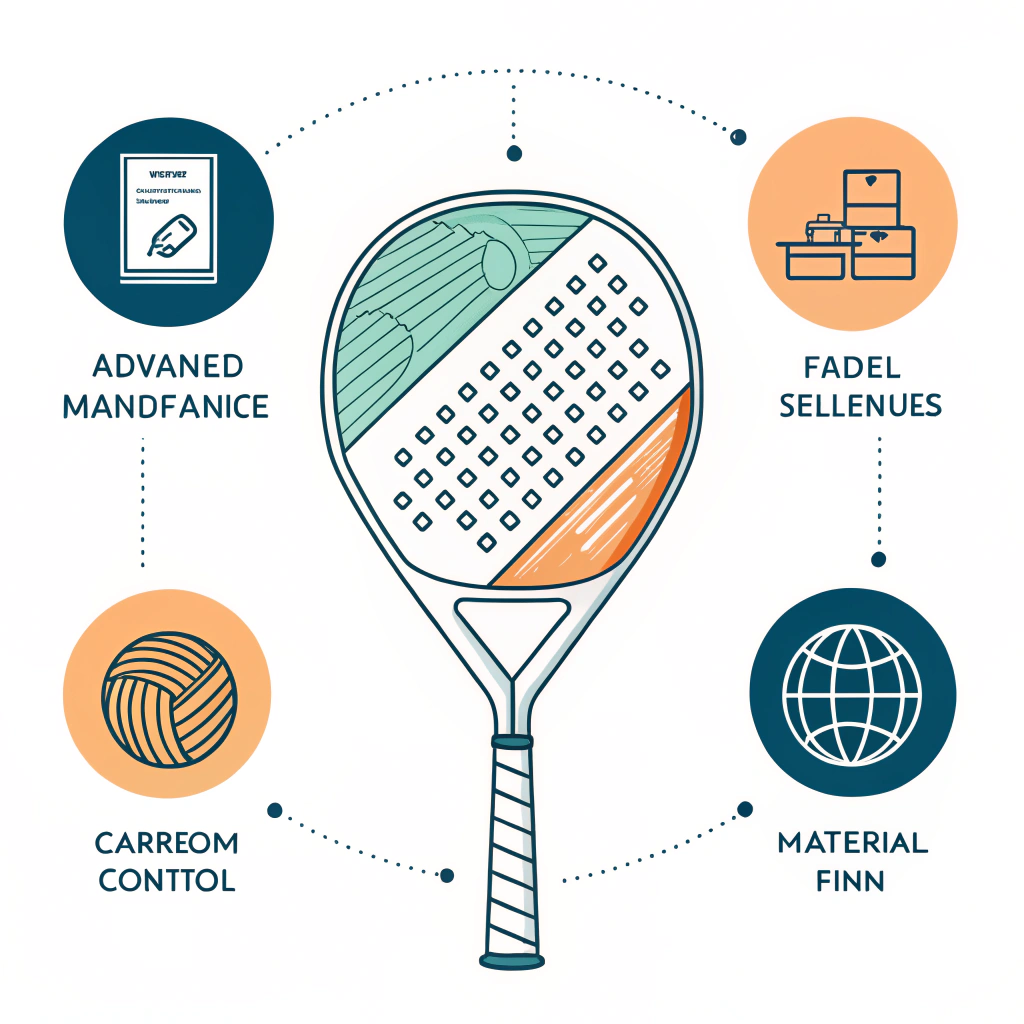
For procurement managers evaluating suppliers, the following table outlines key criteria and how NEX Padel aligns with industry benchmarks:
| Criteria | Industry Standard | NEX Padel Advantage |
|---|---|---|
| Material Quality | Use of premium glass and carbon fiber variants | Expertise in handling diverse materials (3K, 12K, 18K carbon fiber and glass fiber) |
| Customization | Limited to standard shapes | Offers full customization including Diamond, Round, Teardrop, custom logos, and color schemes |
| Production Speed | Varies, often delayed | Fast prototyping and quick sample approvals ensure rapid turnaround |
| Quality Control | Basic testing | Multi-phase quality checks and rigorous stress testing |
| OEM Cooperation | Limited supplier trust | Trusted by industry leaders like Hirostar, Reebok, and Starvie |
| After-Sales Service | Minimal support | Comprehensive support and performance analysis to ensure long-term satisfaction |
This table provides a clear comparison that helps B2B buyers understand the value proposition that a manufacturer like NEX Padel delivers over many competitors in the padel market.
Customization is key in a market where differentiation determines success. NEX Padel provides extensive options for customization that address the nuanced needs of the padel market:
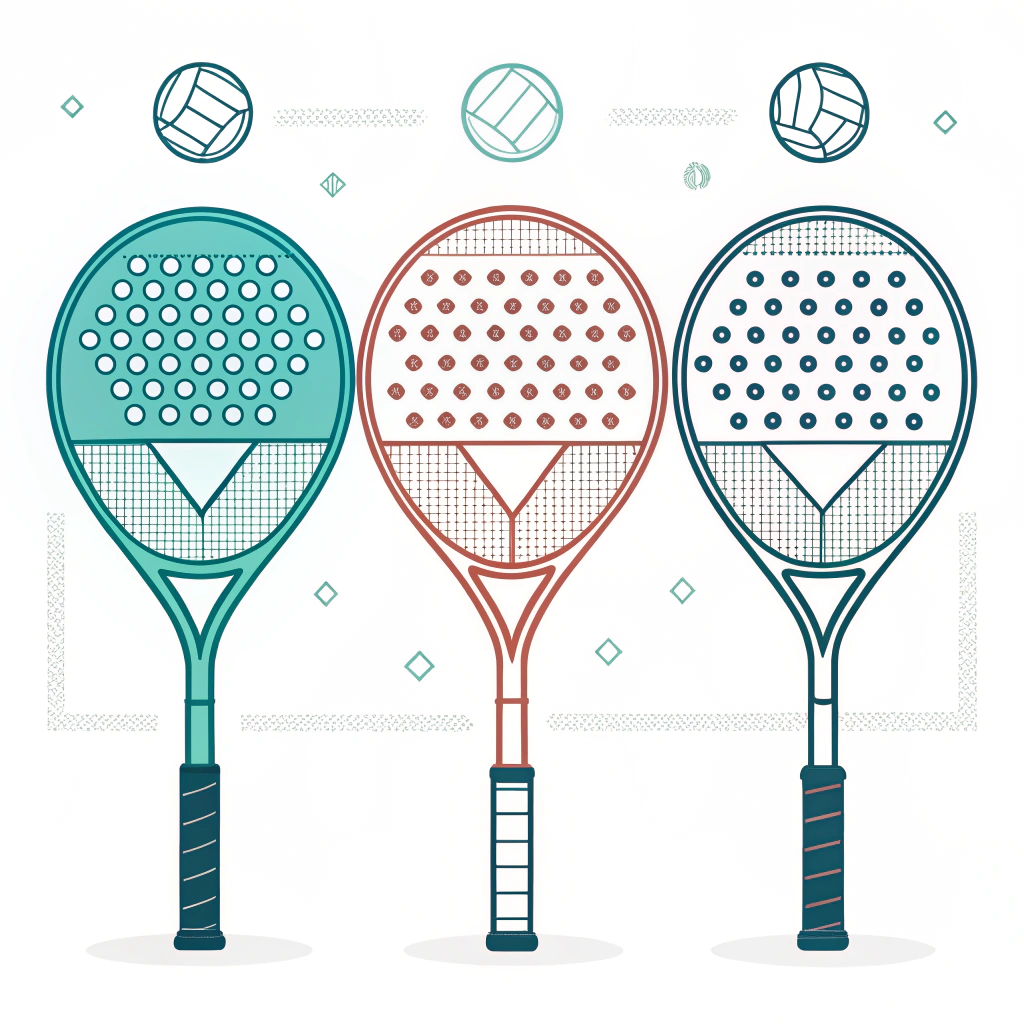
- Shape Customization: Whether you require the aerodynamic advantages of the Diamond shape, the balanced control of the Round shape, or the playability features of the Teardrop style, having a choice means you can target different player segments effectively.
- Custom Printing and Colors: Customization is more than just performance; it’s also about brand identity. With capabilities for custom logos, hand grip designs, and specific color matching, manufacturers can help distributors create products that resonate with their brand image.
- Component Integration: Apart from the racket itself, accessories such as the hand grip and handle cover can be customized to offer a coherent design and enhanced comfort. This is particularly beneficial for companies looking to offer exclusive product lines.
The ability to fully tailor every aspect of a padel racket is not common amongst all manufacturers. Such comprehensive customization requires advanced machinery and skilled design teams that understand both aesthetic demands and technical functionality.
In the competitive sporting goods industry, production speed is a critical factor. Delays in manufacturing and supply chain inefficiencies can result in lost business opportunities and market share. NEX Padel addresses these inefficiencies by:
- Implementing fast prototyping tools that allow rapid sample creation.
- Streamlining production lines with automated and computer-assisted manufacturing systems.
- Engaging in continuous improvement practices to enhance production processes and reduce waste.
A faster production cycle means that the manufacturer not only keeps pace with market demands but also offers flexibility in meeting urgent orders and seasonal spikes. This responsiveness is a significant selling point for distributors and retailers who must continuously update their product lines.
As padel continues to grow, industry standards are evolving. Innovative manufacturers are setting new benchmarks by integrating smart technologies and performance analytics into their production cycles. Industry data suggests:
- There is an increasing consumer demand for high-performance rackets with enhanced features.
- Customization remains a key differentiator as brands seek to establish unique market positions.
- Rapid innovation cycles, combined with a focus on sustainability, are driving the future of padel equipment manufacturing.
Manufacturers who invest in research and development, such as optimizing material compositions and exploring eco-friendly production practices, will likely gain a competitive advantage in the long term. For example, advanced carbon fiber variants not only improve performance but also contribute to a lighter, more agile design that meets the high expectations of professional athletes.
When evaluating padel racket manufacturers, procurement managers should consider several strategic factors:
- Technical Capability: Does the manufacturer use advanced materials and production methods? It is important to verify the technical credentials and production certifications.
- Customization Options: Assess the degree of customization available—this could be a key market differentiator.
- Production Track Record: Review case studies, client testimonials, and existing partnerships to validate the manufacturer’s credibility and on-time delivery record.
- Cost Competitiveness: Understand the pricing structure without compromising on quality. Transparent pricing and economies of scale can substantially affect the total cost of ownership.
- After-Sales Support: Evaluate the support services offered after the transaction, including technical support, warranty claims, and the ability to handle reorders swiftly.
These factors can be summarized in the decision-making process through the following steps:
| Step | Action Required | Benefit |
|---|---|---|
| 1. Define Requirements | Outline technical, aesthetic, and performance needs | Clear supplier criteria and minimized risks |
| 2. Vet Multiple Suppliers | Compare track records, case studies, and client references | Establish credibility and reliability |
| 3. Evaluate Customization | Test sample outputs for customization quality | Align final product with your market strategy |
| 4. Negotiate Terms | Discuss pricing, lead times, and support terms | Ensure transparency and cost-effectiveness |
| 5. Pilot Production | Request prototyping runs and review outputs | Validate production speed and quality |
Based on the detailed comparison and industry insights discussed above, here are actionable steps for procurement managers considering a partnership with a padel racket manufacturer:
- Initiate Inquiries: Start by contacting manufacturers with a detailed list of your requirements. Request samples specifically tailored to your market segment.
- Schedule Facility Visits: Whenever possible, arrange visits to the production facilities to see firsthand the advanced machinery, skilled labor, and quality control processes.
- Benchmark Against Industry Leaders: Compare manufacturers based on detailed criteria provided in tables above. Look into case studies where companies like NEX Padel have successfully supplied major brands.
- Emphasize Communication: Clear and continuous communication is essential. Make sure the supplier provides a dedicated account manager or liaison to address queries and customize production to your needs.
- Plan for Scalability: Ensure that the manufacturer can scale production quickly if market demand increases, without compromising quality or delivery schedules.
Taking these steps can significantly mitigate risks and ensure that the selected manufacturer aligns well with your strategic business goals. By doing so, business development executives and procurement managers can secure a reliable supply chain for high-performance padel rackets, thereby strengthening their market position.
People Also Ask
• Which brand makes the best padel rackets?
Top padel racket brands often include Babolat, NOX, HEAD, Bullpadel, and Adidas. These brands are recognized for their technical innovations, high-quality material use, and strong performance on the court. However, the best choice ultimately depends on specific performance needs and customization requirements.
• Who makes padel rackets?
Padel rackets are manufactured by a range of companies including leading sports equipment manufacturers such as Babolat, NOX, and HEAD. Many of these manufacturers work with specialized OEMs who focus exclusively on high-performance padel equipment.
• What brand do pro padel players use?
Professional padel players commonly use brands such as Adidas, Bullpadel, NOX, HEAD, and Babolat due to their commitment to quality, advanced design technologies, and consistent performance on competitive courts.
-
state-of-the-art production techniques: Read the article to learn about the cutting-edge manufacturing processes that ensure consistent quality and performance in high-end products. ↩ ↩
-
fast prototyping: Discover how rapid prototype development accelerates product design, reduces time-to-market, and supports iterative innovation. ↩ ↩ ↩2
-
advanced carbon fibers: Understand the benefits of using high-grade carbon fiber materials, which enhance performance through improved strength and reduced weight. ↩ ↩
-
OEM: Explore the concept of Original Equipment Manufacturing, its role in supply chain management, and how it enhances credibility through trusted partnerships. ↩ ↩
-
custom tooling: Learn about the specialized manufacturing tools that enable precise production adjustments and customization for tailored product solutions. ↩ ↩