Skip to content

A quick answer: Advanced padel racket technologies are revolutionizing performance and customization by integrating high-grade materials like carbon fiber1 and glass fiber2, innovative design geometries, and rapid prototyping3 processes. These advancements enable enhanced control, power, and durability while meeting the evolving demands of modern players and B2B procurement managers alike.
In today's competitive sports equipment industry, the evolution of padel rackets is marked by rapid innovation and the adoption of advanced materials. B2B procurement managers and product development leads now have more opportunities than ever to elevate their brand portfolios with high-performance rackets that promise durability, superior playability, and distinct design features. This article explores the technology behind modern padel rackets, analyzes the challenges in sourcing high-quality equipment, and provides actionable strategies for leveraging these innovations in your procurement decisions.
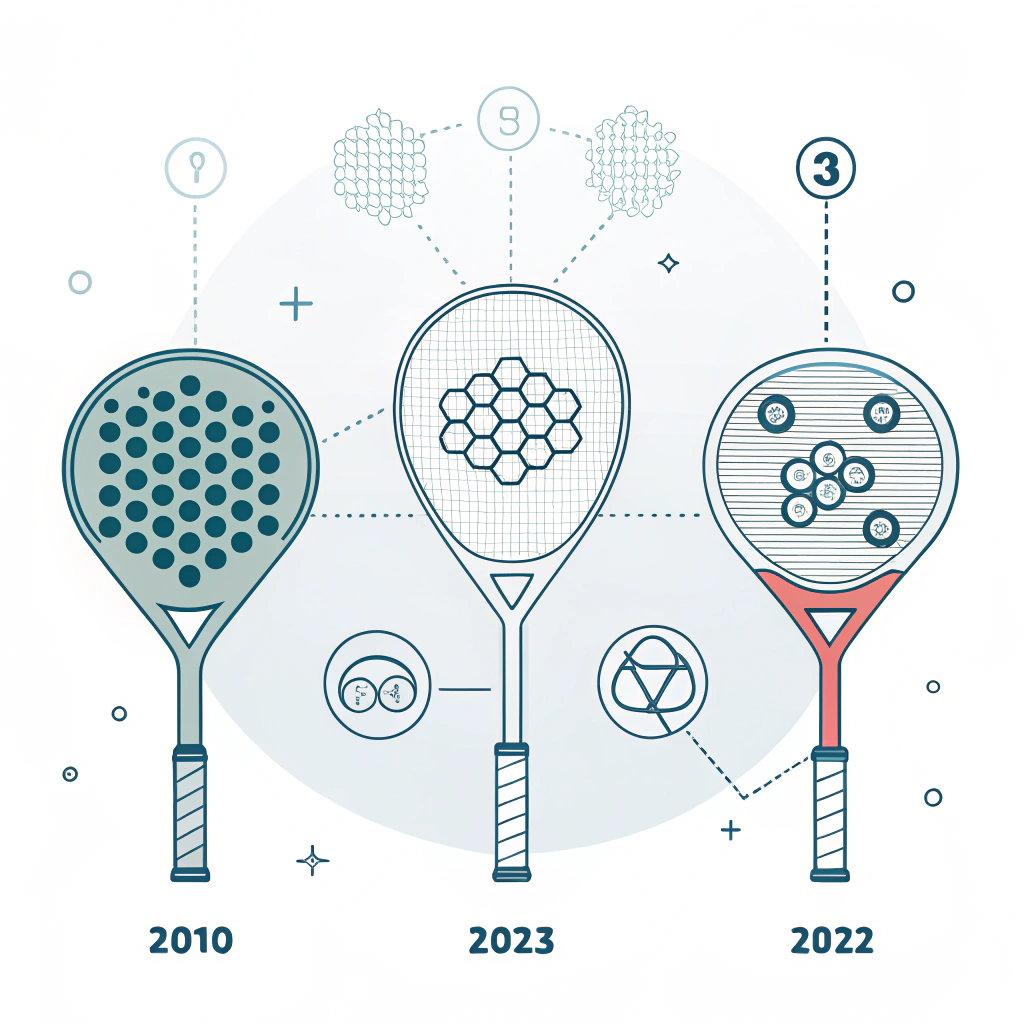
As padel continues to gain popularity worldwide, the demand for rackets that offer remarkable performance has surged. Historically, padel rackets evolved from simple, often wooden designs to sophisticated models constructed from advanced materials. Yet, procurement managers face several challenges:
- Legacy Designs vs. Modern Demands: Many companies still rely on traditional designs that do not fully meet the competitive needs for power, control, and durability.
- Material Complexity: The integration of advanced materials like high-density carbon fibers (3K, 12K, and 18K) and fibreglass may require specialized manufacturing techniques, making it challenging to maintain quality consistency.
- Rapid Prototyping and Customization: Fast-paced market trends demand quick turnaround times from design to production, along with customization options that align with brand identities.
- Quality Assurance and Consistent Performance: Ensuring that every racket meets cutting-edge performance standards while being customizable can be complex.
These challenges require a systematic approach to innovation that blends advanced materials science with agile manufacturing techniques.
The obstacles mentioned above stem from various underlying factors:
- Material Performance: Early padel rackets were often made of wood, which limited performance by offering little in terms of flexibility and controlled power. The introduction of composite materials has opened up new possibilities.
- Manufacturing Techniques: Advanced production processes such as rapid prototyping are critical in meeting custom design demands and reducing lead times. Without these technologies, manufacturers find it difficult to keep pace with market trends.
- Market Dynamics: As padel gains momentum, players are not only looking for higher performance but also for aesthetically unique equipment that can be customized with logos and designs.
- Technological Convergence: The integration of technology in design and data analytics has increased the importance of precision manufacturing, ensuring that every racket offers consistent quality.
By understanding these root causes, key stakeholders can make informed decisions on how to source and develop padel rackets that meet both performance and customization requirements.
Innovative manufacturers, such as NEX Padel, have responded to these challenges by introducing advanced production techniques and materials that significantly enhance the overall performance of padel rackets. Let’s delve into the key solutions:
Modern padel rackets are predominantly crafted from advanced materials, including various grades of carbon fiber1 and glass fiber2. Each material offers unique properties:
- Carbon Fiber (3K, 12K, 18K): Known for its high stiffness-to-weight ratio, these materials enhance power, control, and overall durability. The different grades allow for tailored performance based on weight and flexibility needs.
- Fiberglass: Offers durability and a forgiving response, making it suitable for players who need additional comfort without compromising on strength.
Below is an illustrative table summarizing the primary characteristics of these materials:
| Material | Key Characteristics | Best For |
|---|---|---|
| Carbon Fiber 3K | Lightweight, moderate stiffness, enhanced control | Entry-level to mid-range play |
| Carbon Fiber 12K | Superior stiffness, improved power transmission | Advanced players |
| Carbon Fiber 18K | Ultra-light, extremely stiff, maximum performance | Professional and elite play |
| Fiberglass | High durability, forgiving, cost-effective | Beginners and versatile use |
Manufacturers utilize these materials to meet varying market requirements, ensuring that every padel racket achieves the perfect balance between playability and durability.
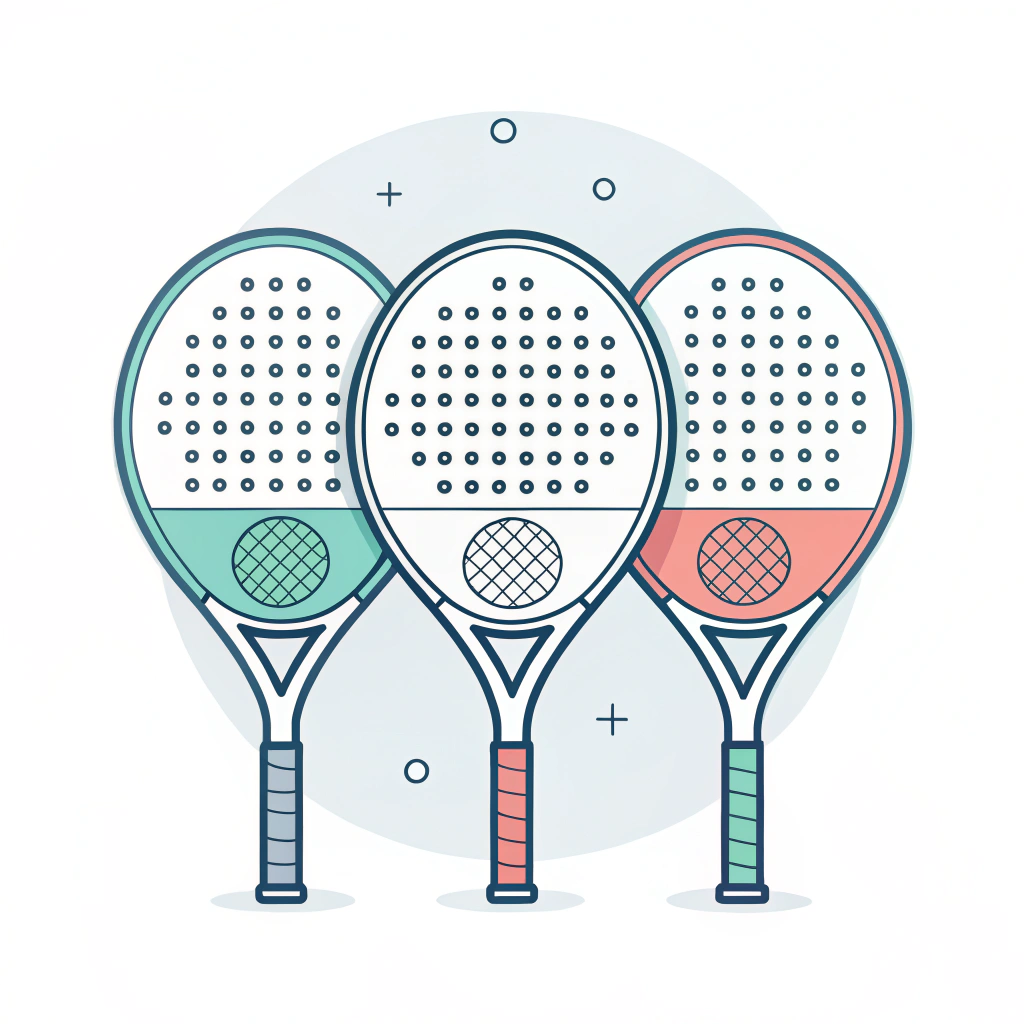
Modern padel rackets are available in several distinctive shapes, including Diamond, Round, and Teardrop designs. Each design has been engineered to cater to specific player techniques and playing styles:
- Diamond Shape: Often favored by aggressive players, this design focuses on power and precision due to its forward center of gravity.
- Round Shape: Ideal for beginners and players seeking control, as its balanced mass ensures enhanced maneuverability.
- Teardrop Shape: Strikes a balance between power and control and is well-suited for versatile play styles.
Additionally, customization plays an important role. Brands now have the ability to customize not only the shape but also the color and printing of the rackets. Custom logos on the hand grip and handle cover further enhance brand identity and market appeal. This level of customization creates a strong competitive edge in the market.
Rapid prototyping3 processes have transformed the padel racket manufacturing landscape:
- Agile Production4: Manufacturers can quickly adjust design parameters based on market feedback, leading to faster innovation cycles.
- Reduced Lead Times: Shortened sampling and production cycles ensure that companies can respond to trends swiftly.
- Quality Control: Rigorous testing protocols and close monitoring of production processes guarantee that every racket meets stringent quality standards.
For instance, companies like NEX Padel leverage advanced production methods to produce consistent, high-quality rackets. This efficiency not only improves performance but also significantly reduces the order-to-delivery cycle, a critical factor for B2B procurement managers.
Incorporating data analytics5 into the manufacturing process is another crucial solution:
- Performance Data: Real-time monitoring of material behavior and racket performance helps in making data-driven decisions. Measurements of durability, vibration damping, and impact absorption are essential in fine-tuning product design.
- Quality Assurance: Advanced sensors and testing rigs are used to simulate playing conditions, ensuring that every racket operates at peak performance levels before it reaches the market.
- Customer Feedback: Data collected from end-users is integrated into future designs, further bridging the gap between production capabilities and market expectations.
This integration of technological and data-driven insights ensures that every padel racket is optimized for peak performance, setting new industry standards and providing tangible benefits for brand partners.
While the new generation of padel rackets presents numerous advantages, there are several precautions and limitations B2B procurement managers should consider:
- Cost Implications: Utilizing advanced materials and rapid prototyping techniques might have an initial cost premium compared to traditional manufacturing methods. However, these costs are often offset by enhanced performance and longer product life cycles.
- Customization Complexity: Fully custom designs, while attractive, may result in extended lead times and require additional coordination between the client and manufacturer. Clear communication is critical to manage expectations.
- Material Variability: Even high-grade materials can exhibit slight variances depending on supplier consistency. It’s essential to engage with manufacturers who maintain rigorous quality control protocols.
- Industry Standards Compliance: Ensure that any custom or innovative designs comply with both domestic and international sports equipment standards.
Adhering to these best practices can help companies navigate the complexities of sourcing and developing cutting-edge padel rackets successfully.
NEX Padel is a leading manufacturer based in Jiaxing, Zhejiang, China, renowned for its advanced padel racket technologies. Here’s how we address the industry challenges:
- Diverse Material Selection: We offer a range of materials from fiberglass to high-grade carbon fibers (3K, 12K, and 18K), ensuring our products cater to all performance levels.
- Customizable Designs: Our product range covers Diamond, Round, and Teardrop profiles, and we support full customization including printing and color variations. This flexibility has allowed us to become a trusted OEM for renowned brands like Hirostar, Reebok, and Starvie.
- Rapid Prototyping and Agile Manufacturing: Our streamlined production processes guarantee quick sample turnarounds and on-time deliveries, critical for dynamic market environments.
- Rigorous Quality Control: Comprehensive testing protocols and performance benchmarks are integrated into every phase of production. We leverage advanced data analytics to verify each racket’s performance, ensuring that our products meet and exceed industry expectations.
This case study highlights how partnering with an experienced manufacturer such as NEX Padel can create distinct competitive advantages in terms of quality, innovation, and market responsiveness.
For B2B procurement managers evaluating their next move in the padel racket market, consider these recommendations:
-
Assess Material and Design Requirements: Analyze your target market’s play style and performance expectations. Understanding whether a Diamond, Round, or Teardrop design best meets your audience's needs can influence your product differentiation.
-
Leverage Customization Options: Look for manufacturing partners that offer extensive customization. Custom printing, hand grip logos, and bespoke design modifications not only elevate product aesthetics but also enhance brand identity.
-
Prioritize Quality and Rapid Prototyping: Choose suppliers who excel in both quality assurance and rapid turnaround. The ability to respond swiftly to market feedback is essential in today’s fast-moving sports equipment industry.
-
Integrate Data Analytics: Seek out partners who employ performance data and real-world testing. This integration ensures that every new model is optimized, reliable, and meets the high standards demanded by professional players.
-
Evaluate Total Cost of Ownership: While initial costs may be higher for advanced technologies, consider the long-term benefits of durability, performance consistency, and quicker market responsiveness.
By following these strategies, procurement managers can capitalize on the latest advancements in padel racket technology, ultimately driving better product performance, customer satisfaction, and market growth.
The padel racket industry is experiencing a transformative era fueled by advanced materials, innovative design, and agile manufacturing methodologies. As demonstrated, leveraging high-performance carbon fibers, robust design structures, and rapid prototyping can significantly enhance the overall performance and competitiveness of sports equipment.
For procurement managers and product development leads, partnering with manufacturers that offer these cutting-edge capabilities, such as NEX Padel, is essential. By integrating these advanced technologies, businesses can not only meet today’s market demands but also anticipate future trends, ensuring long-term success.
The path forward in this innovative landscape lies in a balanced approach that fuses material science, design creativity, and operational agility. In doing so, brands can achieve significant differentiation, superior performance, and deliver products that resonate with quality-driven consumers.
People Also Ask
PAA1: What is the evolution of padel rackets?
Answer: Padel rackets have evolved from simple wooden paddles to sophisticated designs that now incorporate advanced materials such as carbon fiber and fiberglass. This evolution has resulted in improved durability, increased power, and better control, addressing the performance needs of modern players.
PAA2: When was the padel racket invented?
Answer: Padel was invented in 1969 by Enrique Corcuera in Acapulco, Mexico, and was later introduced to Spain in 1974 by Prince Alfonso of Hohenhole, marking the beginning of its evolution into the modern sport equipment we see today.
PAA3: What is the new racket sport padel?
Answer: The sport of padel is played on a rectangular court approximately 10 by 20 meters with a low net. It primarily involves doubles gameplay and uses the same scoring system as tennis, making it a fast-growing and accessible racket sport.
-
carbon fiber: Read this article to understand the properties and advantages of carbon fiber in enhancing racket performance, including its stiffness-to-weight ratio and impact on durability. Back to text ↩ ↩2
-
glass fiber: Learn about glass fiber’s role as a durable, cost-effective material in sports equipment manufacturing, offering improved comfort and resilience. Back to text ↩ ↩2
-
rapid prototyping: Discover how rapid prototyping accelerates the design-to-production cycle, enabling quick iterations and customization in high-performance products. Back to text ↩ ↩2
-
Agile Production: Understand the principles of Agile Production, which enhance manufacturing flexibility and responsiveness to market trends. Back to text ↩
-
data analytics: Explore how data analytics is integrated into performance testing to optimize product quality and ensure consistent manufacturing standards. Back to text ↩