Skip to content

Quick Answer: To achieve superior control in a padel racket, it is essential to evaluate the nuances of production materials like 3K, 12K, and 18K carbon fiber1 and design shapes—such as Diamond, Round, and Teardrop Shape2—to match specific performance needs. A balanced combination of these factors, along with customization options, supports optimal control and precision, making our high-performance rackets ideal for informed procurement decisions.
In the competitive world of padel, selecting the ideal racket with an emphasis on control requires more than just general impressions. As a procurement manager or product specialist, you need clear, data-driven insights into the materials, design nuances, and customization opportunities available. Our discussion today will help you understand the technical differentiators that influence racket control, enabling you to make informed decisions that can enhance the performance and reliability of your product offerings.
One of the key aspects to consider is the choice of materials in manufacturing padel rackets. Advanced production techniques using carbon fiber variations offer distinct performance benefits:
- 3K Carbon Fiber: Known for its lightweight properties and ease of handling, this material is ideal when combining moderate power with control.
- 12K Carbon Fiber: Provides a balanced mix of rigidity and flexibility, resulting in improved directional stability and control precision.
- 18K Carbon Fiber: Typically offers higher stiffness and ensures maximum control at the expense of slightly increased weight, perfect for advanced players or clubs prioritizing sharp maneuverability.
Below is a comparative table that outlines the key properties of these materials:
| Material Type | Weight | Stiffness | Control Precision | Application Scenario |
|---|---|---|---|---|
| 3K Carbon Fiber | Light | Moderate | Good for Beginners / Intermediate | Enhanced maneuverability and moderate power control |
| 12K Carbon Fiber | Moderate | Balanced | Excellent for All-Around Players | Offers a balance between control and power |
| 18K Carbon Fiber | Slightly Heavy | High | Optimal for Advanced Control | Best for players valuing precision control and stability |
By analyzing these properties, businesses can match the desired performance characteristics with the right material, ensuring that each racket delivers the specific control you are looking for in your target market.
Beyond the materials used, the racket’s shape plays an equally critical role in defining its control properties. The three primary shapes we work with are:
- Diamond Shape: Offers a higher balance point, favoring power over control but still providing significant accuracy when well-customized.
- Round Shape: Known for its expansive sweet spot, the round design promotes consistent control and is generally the most forgiving for players of varying levels.
- Teardrop Shape2: Combining elements of both power and control, the teardrop shape offers versatility, making it adaptable to varying playing styles.
A detailed look at these shapes helps explain their influences:
-
Diamond Shape:
- Positioning of mass closer to the head enhances power, but advanced players can also harness enhanced control through precise weight distribution adjustments.
- Ideal for players who are willing to invest additional time in mastering their swing dynamics.
-
Round Shape:
- Emphasizes a larger sweet spot which directly translates to enhanced control.
- Generally considered versatile and user-friendly, appealing to both intermediate and advanced players.
-
Teardrop Shape:
- Offers a compromise by distributing weight evenly for a mix of power and control.
- Suitable for players seeking a balance, the teardrop shape is often favored in customized solutions where playing style is highly variable.
The flexibility of our manufacturing process means that we support full customization in shape—ensuring you can tailor the racket design (whether Diamond, Round, or Teardrop) to meet your market’s performance demands.
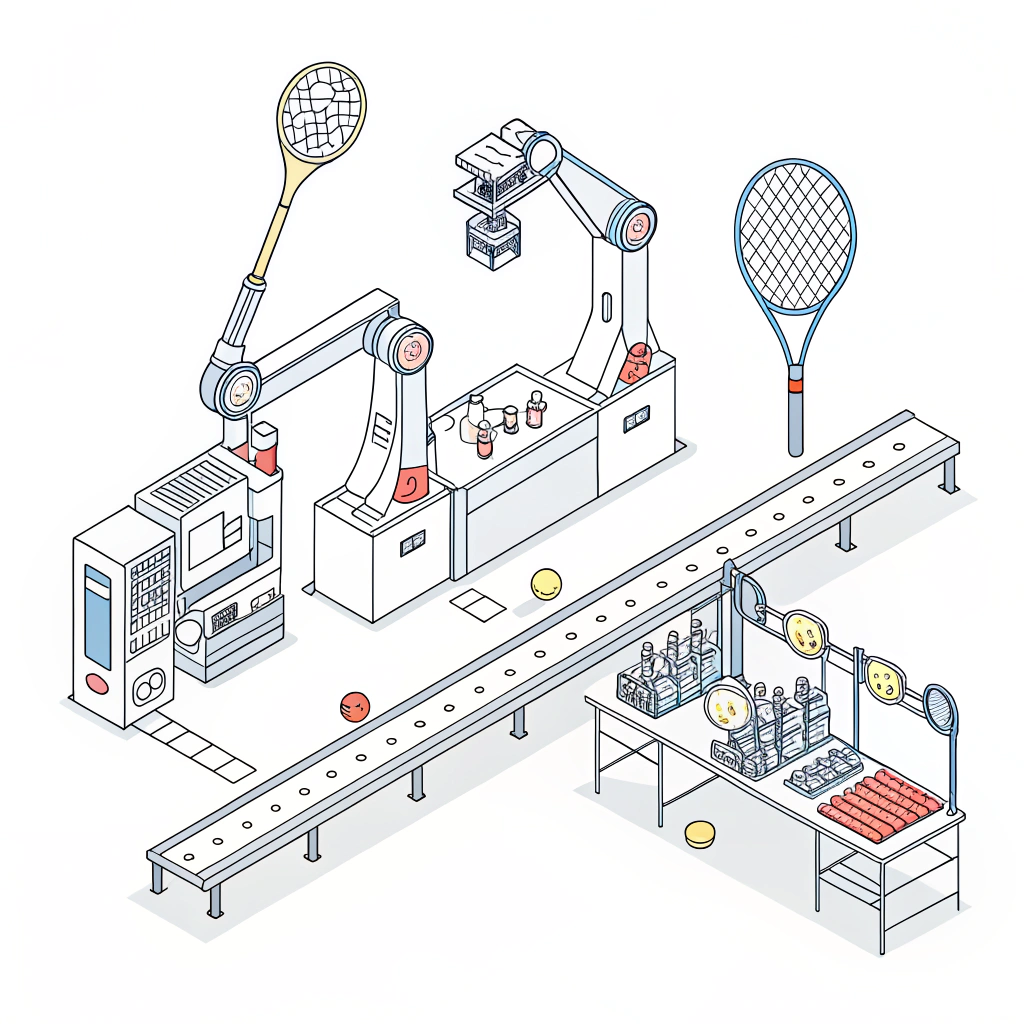
Factory Insights and Advanced Production Techniques3
At NEX Padel, we pride ourselves on leading-edge production techniques that ensure precision and durability in every padel racket. Our commitment to quality is evident in the rigorous selection of materials and meticulous production processes.
- Rapid Sampling and Quick Turnaround: Our ability to quickly produce prototypes ensures that you can evaluate the design and performance of each racket without extensive delays.
-
- Customization Capabilities4: We offer full customization, including bespoke shapes, printing, and color options, as well as customized hand grips and handle covers with your preferred logo placement.
- High-Quality Material Sourcing: Leveraging a range of carbon fiber materials (3K, 12K, and 18K) allows us to fine-tune the balance between control and power for every racket model.
The focus on precision manufacturing means that every racket we produce undergoes strict Quality Assurance5 processes. This not only enhances performance but also minimizes the risk of defects, ensuring reliability—an essential factor for B2B procurement decisions.
When evaluating padel rackets for control, real-world performance data is critical. For instance, many of our clients have appreciated the nuanced performance differences exhibited by our Diamond, Round, and Teardrop rackets. A comparative look can be seen in the performance matrix below:
| Racket Type | Target Player | Primary Benefit | Control Precision | Customization Flexibility |
|---|---|---|---|---|
| Diamond | Advanced players | High power | High (with expert tuning) | Extensive weight tuning and balance adjustments |
| Round | Intermediate players | Improved control | Very high consistency | High level of print and color customization |
| Teardrop | All-round players | Balanced play | Moderate to high | Versatile customization options across design parameters |
This table aids in decision-making by highlighting which racket type aligns with specific player profiles and performance needs. For clubs or distribution partners looking to cater to a market that prioritizes control over raw power, the design and material selections must be carefully calibrated.
When confronted with multiple options, procurement managers must consider several critical factors before finalizing their orders:
- Material Specification: Choose the carbon fiber type that best fits the target end-user requirements. For instance, a lower number (3K) may suit emerging players, while a higher grade (18K) is best for control-centric advanced players.
- Shape Customization: Factor in the benefits of different shapes with respect to control. Round shapes offer forgiving control and are suitable for a broader audience; whereas Diamond shapes can be tuned further for specialized control needs.
- Customization Options: Tailoring aspects such as print, color, and even additional components like hand grips adds value that can differentiate your product offering.
- Production Efficiency: Evaluate factory capabilities such as sampling speed, quality assurance, and capacity to handle extensive customization. These operational insights directly impact your supply chain and overall time-to-market.
For decision-makers looking to enhance their product lines with rackets that excel in control:
- Conduct In-Depth Product Trials: Engage in sample testing from various material and design combinations.
- Compare Technical Specifications: Use detailed tables like the ones above to match racket properties with customer feedback.
- Leverage Factory Insights: Use the advanced production capabilities at NEX Padel to customize products that meet your unique market demands.
- Implement Feedback Loops: Collect and analyze performance feedback from professional players to continuously optimize design and production processes.
By following this systematic approach, you can ensure that every product introduced not only meets the high standards of control required by seasoned padel players but also delivers consistency and durability over time.
In conclusion, selecting a padel racket for control involves a careful balance between material properties, design shape, and advanced customization capabilities. By understanding the technical differences between 3K, 12K, and 18K carbon fiber and aligning these with the design nuances of Diamond, Round, and Teardrop shapes, you can make an informed procurement decision that enhances player performance on the court. Our comprehensive factory insights at NEX Padel ensure that every rackets' production—from sampling to quality assurance—meets the highest standards. As you compare different options and refine your product offerings, consider our data-driven approach and tailored customization abilities as key advantages in the ever-evolving competitive padel market.
For further inquiries or tailored consultations on high-performance padel rackets, do not hesitate to contact us. Let our expertise and advanced manufacturing capabilities help enhance your product lineup with rackets engineered for exceptional control and durability.
Q: Which padel racket for control?
A: Rackets designed for control typically optimize weight distribution and balance. Models such as those with customized round or teardrop shapes and advanced carbon fiber construction (using materials like 12K or 18K) offer enhanced control features similar to renowned control models on the market.
Q: Which racket is best for control?
A: The best racket for control often combines precise weight tuning and a design that expands the sweet spot. For example, products that can be customized to mirror or exceed the performance of models like the Pro Staf 97 or Wilson Blade 98, balancing both control precision and ease of handling, tend to be favored.
Q: What is the best intermediate control padel racket?
A: For intermediate players, a balanced approach using a teardrop or round shape with 12K carbon fiber strikes the right balance between control and power. This configuration supports enhanced control without being overly demanding, making it well-suited for mid-level padel players.
-
[3K, 12K, and 18K carbon fiber]: Learn how various grades of carbon fiber impact racket performance, weight, stiffness, and overall control to align your procurement strategy with player needs. ↩ ↩
-
[Teardrop Shape]: Discover why the teardrop design is favored for its balanced distribution of power and control, and how customization can optimize playing styles. ↩ ↩ ↩2
-
[Advanced Production Techniques]: Delve into the state-of-the-art manufacturing methods that deliver superior precision and durability in padel rackets, essential for making informed B2B decisions. ↩ ↩
-
[Customization Capabilities]: Explore the benefits of full product customization—from bespoke shapes to printing options—that allow you to tailor each racket to meet specific market demands. ↩ ↩
-
[Quality Assurance]: Understand the rigorous quality assurance processes that ensure consistency and reliability in every racket, minimizing defects and maximizing performance. ↩ ↩