Skip to content

Padel performance metrics are critical for evaluating and optimizing racket design. They provide a data-driven approach to identify the impact of design and materials on player performance, ensuring that every innovation and improvement brings competitive advantages in both play and product development.
In today’s competitive sporting goods market, B2B professionals in the padel industry need to make informed decisions about product specifications and upgrades. A major challenge is quantifying performance differences between various rackets and correlating them with user outcomes. Designers often struggle to balance elements like racket weight, balance, and material composition—especially when using advanced materials such as 3k, 12k, or 18k carbon fiber1. Additionally, these metrics influence both the biomechanical response of players and the overall market positioning of a brand.

Without a systematic review of performance metrics, companies risk developing rackets that do not meet the practical needs of professional players or fail to achieve significant market differentiation. Some key underlying issues include:
-
Lack of Standardized Testing Protocols2:
Many manufacturers rely on internal benchmarks that may not align with global standards, making it difficult to compare performance across different brands or technologies. -
Limited Data-Driven Insights:
While anecdotal feedback from players is valuable, quantitative performance metrics—such as vibration analysis, energy transfer efficiency, and hit consistency—are often underutilized. -
Material and Design Complexity:
The interplay between materials (e.g., different grades of carbon fiber) and design shapes (Diamond, Round, Teardrop, or fully custom shapes) complicates the assessment of overall performance.
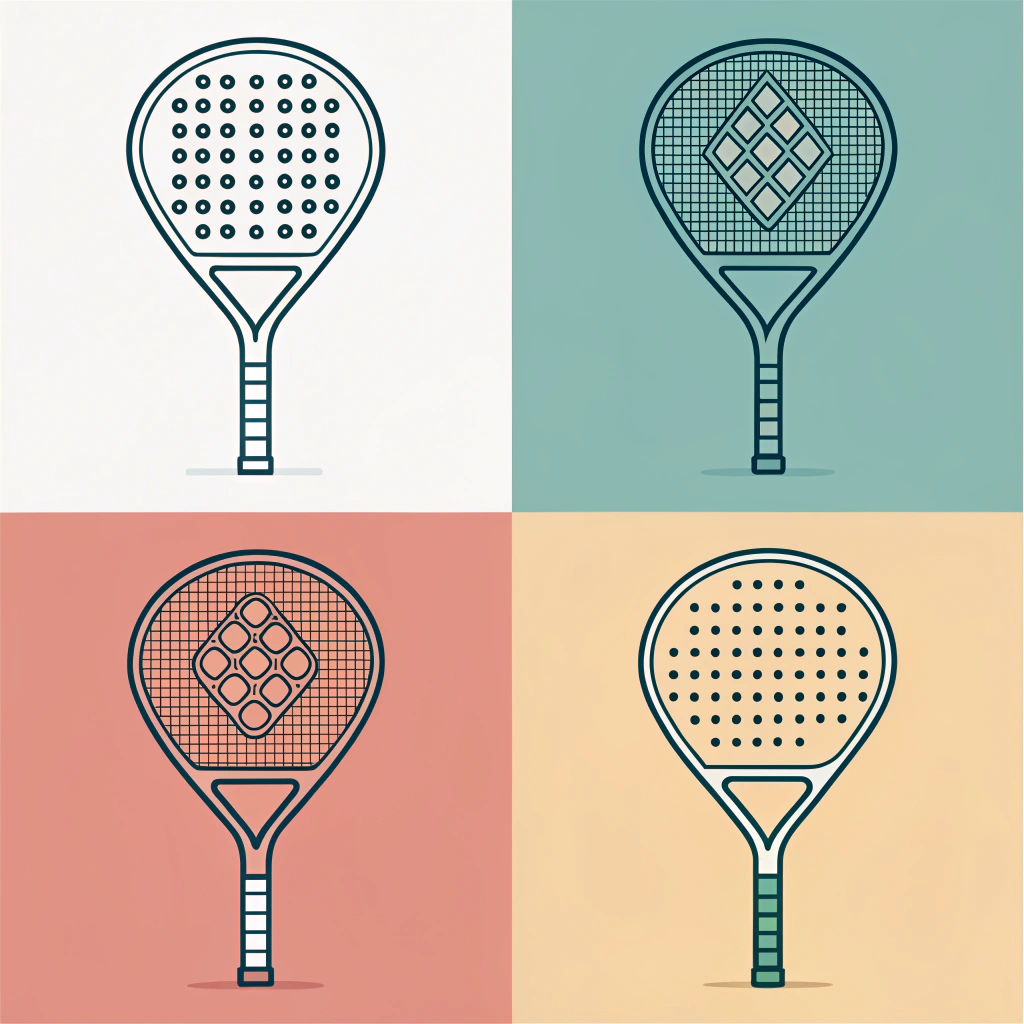
A systematic evaluation of padel performance metrics involves several core steps. Below is a solution checklist designed for B2B decision-makers in the padel industry:
Identify and agree upon the critical performance parameters. Examples include:
- Impact Resistance: Measures the racket’s durability during high-impact moments.
- Ball Control and Spin: Evaluates the precision and rotation imparted to the ball.
- Energy Transfer Efficiency3: Assesses how effectively energy is transferred from the racket to the ball.
- Vibration Dampening4: Quantitatively measures the racket’s ability to reduce hand fatigue and discomfort.
Implement testing protocols that capture both objective measurements and player feedback. Consider including:
| Metric | Description | Testing Method |
|---|---|---|
| Impact Resistance | Durability under repeated high-velocity impacts | Mechanical drop tests and simulation |
| Ball Control | Precision in ball trajectory and spin generation | On-court performance tracking |
| Energy Transfer Efficiency | Ratio of energy output relative to input energy | High-speed cameras and force sensors |
| Vibration Dampening | Reduction of transmitted vibrations | Accelerometer readings during play |
Different racket shapes and material compositions impact performance. A comparative analysis can be visually represented in a table:
| Racket Type | Material Option | Biomechanical Response | Performance Insights |
|---|---|---|---|
| Diamond | 18k Carbon Fiber | High stiffness, low shock absorption | Best for power hitters, less forgiving |
| Round | 12k Carbon Fiber | Balanced response, moderate vibration dampening | Ideal for players valuing control |
| Teardrop | 3k / 12k Combination | Enhanced flexibility and energy transfer | Suitable for mixed playstyles |
| Custom Shape | Fully Customizable | Varies with specifications | Tailored to player’s unique biomechanics |
This table aids decision-makers in understanding how each design variant can be optimized for various playing styles and market segments.
Utilize performance data from both laboratory experiments and real-world play scenarios. For instance, collaborations with renowned brands like Hirostar, Reebok, and Starvie have been pivotal in refining design elements based on empirically measured parameters. This approach not only validates internal testing methods but also aligns product design with industry benchmarks.

Regularly update testing protocols and performance indicators in alignment with the latest sports science research. Rigorous post-market surveillance and longitudinal studies can reveal subtle performance trends that inform future innovations.
To extract the maximum benefit from a systematic performance review, B2B professionals should consider the following best practices:
A. Integration of Biomechanical Assessments5
Combine traditional mechanical testing with biomechanical assessments. This integration allows an understanding of how variations in racket design (such as hand grip customization or the balance point) affect player motion and long-term performance.
Work with sports science researchers to validate testing protocols. Collaborations ensure that the metrics used are both reliable and reflective of real-world play. This partnership can also lead to cutting-edge innovations that meet evolving player demands.
Offer customizable solutions tailored to different playing styles. For example, while some players might benefit from the high power of a Diamond racket, others may favor the enhanced control provided by Round or Teardrop designs.
An agile product development process—supported by rapid prototyping and quick sampling—is essential for staying competitive.
Maintain transparency with performance data to build trust with enterprise customers. A clear demonstration of how padel rackets have been tested and optimized, by providing scientifically verified data, can significantly influence purchasing decisions.
Product managers are encouraged to adopt a phased approach:
- Begin by establishing a baseline using the recommended KPIs.
- Conduct comparative tests across different materials and designs.
- Analyze data in structured formats such as tables or graphs.
- Iterate the design based on feedback and emerging trends.
- Document findings and align them with long-term product development strategies.
Several globally recognized brands have set benchmarks by integrating data-driven performance assessments into their design processes. For example, a case in point is the improvement in vibration dampening observed when switching from 12k to 18k carbon fiber in Diamond shaped rackets.
Industry reports suggest that a 10% reduction in vibration correlates with a significant decrease in player fatigue, which in turn prolongs game performance. Such data-driven insights not only aid in precise product positioning but also highlight the benefits of continuous improvement based on scientifically gathered metrics.
An important lesson from these empirical studies is the impact of a systematic approach. By embracing detailed performance metrics, companies have successfully navigated market challenges, ensuring that every new product iteration meets the rigorous demands of professional players as well as recreational users. This synergy of science and design innovation has led to an overall enhancement in user satisfaction and competitive market positioning.
In summary, a data-driven approach to evaluating padel performance metrics provides clear pathways to optimize racket design and production processes. By defining KPIs, standardizing tests, leveraging comparative analyses, and integrating biomechanical data, B2B professionals can make well-informed decisions that boost both product quality and market competitiveness.
We invite product managers, performance analysts, and sports science researchers to review their current testing frameworks and explore how enhanced performance metrics can lead to significant improvements in product strategy. Engage with industry experts, validate results through empirical data, and set your product development strategy on a trajectory for success.
For further insights or to discuss customized solutions for padel equipment improvement, please contact our team at NEX Padel.
-
What are the key performance indicators for padel rackets?
A: Key performance indicators include impact resistance, ball control, energy transfer efficiency, and vibration dampening. These metrics help quantify the effectiveness of different designs and materials. -
How does material composition affect padel racket performance?
A: Material composition, such as varying grades of carbon fiber (3k, 12k, 18k), influences the racket’s stiffness, shock absorption, and overall energy transfer, which directly affect performance on the court. -
Why is a data-driven approach crucial for padel equipment development?
A: A data-driven approach ensures that product improvements are based on precise, measurable criteria, allowing for continual optimization and alignment with industry standards, thereby enhancing competitiveness in the market.
-
carbon fiber: Reading this article will provide insights into the properties and production variants of carbon fiber, clarifying the differences between 3k, 12k, and 18k grades and how these affect racket performance. Back to "carbon fiber" ↩
-
Standardized Testing Protocols: This resource explains the importance of establishing global benchmarks for evaluating product performance, ensuring consistent quality assessments across different brands. Back to "Standardized Testing Protocols" ↩
-
Energy Transfer Efficiency: Explore techniques for measuring and enhancing the transfer of energy from the racket to the ball, a key factor in optimizing performance. Back to "Energy Transfer Efficiency" ↩
-
Vibration Dampening: Learn more about innovative methods to minimize vibrations in sports equipment, reducing player fatigue and improving comfort and performance. Back to "Vibration Dampening" ↩
-
Biomechanical Assessments: This article details how biomechanical testing helps analyze the interaction between athlete movement and equipment design, leading to improved athletic performance and product design. Back to "Biomechanical Assessments" ↩