Skip to content
Padel rackets are typically manufactured using fiberglass1 or various grades of carbon fiber2. Fiberglass offers a softer touch and cost efficiency, while carbon fiber delivers greater durability, precision, and performance. This article delves into the differences between these materials and offers a detailed guide for B2B procurement managers3 seeking high-performance equipment manufacturing solutions.
In today’s competitive sports equipment market, choosing the right material for padel rackets can significantly impact performance and long-term durability. Manufacturers and procurement managers alike must understand the technical advantages and limitations of glass fiber and different grades of carbon fiber. With advanced production techniques4 now available, suppliers like NEX Padel are raising the bar by delivering precision-engineered rackets that meet exacting quality standards.
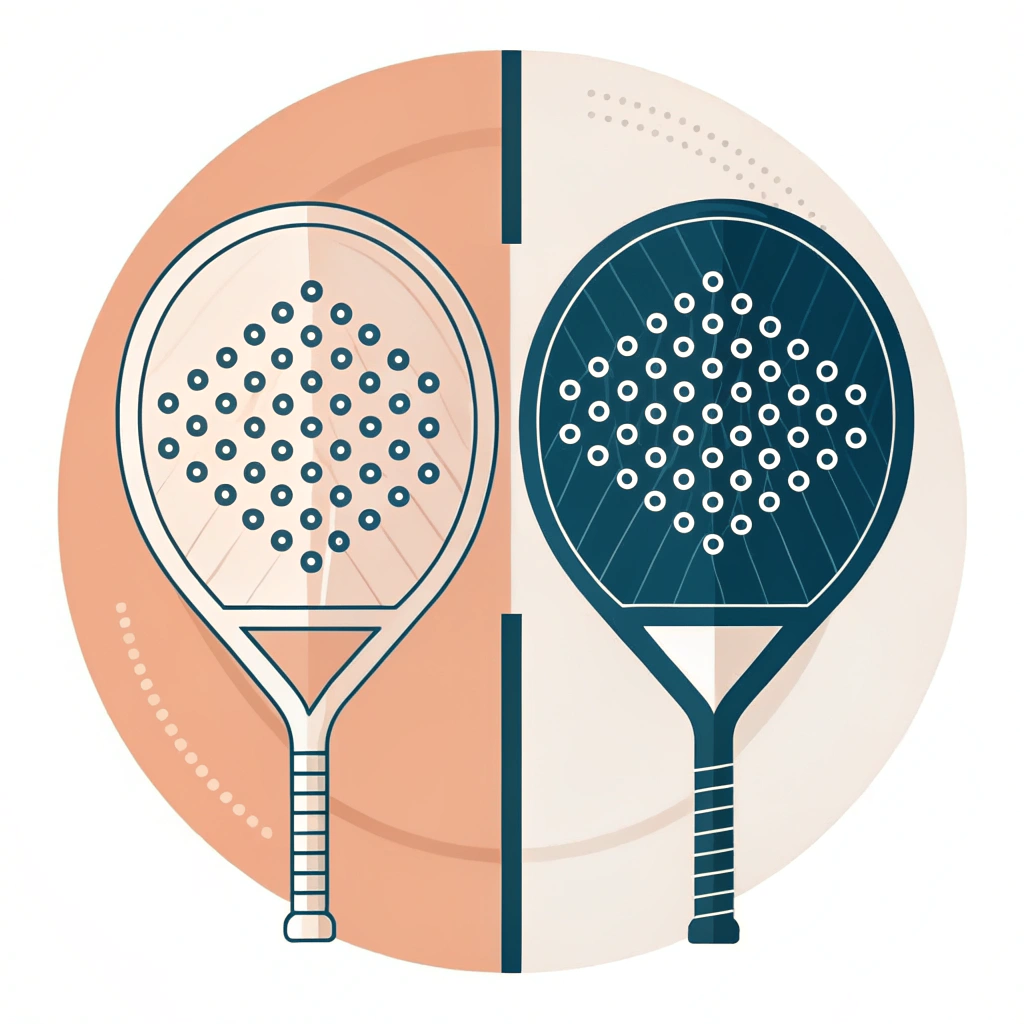
Procurement managers frequently encounter challenges when evaluating materials for padel racket production. The main problem centers on balancing three key factors: performance, durability, and cost. For instance, fiberglass rackets are recognized for their softer feel and lower production cost, yet they come with trade-offs in terms of weight and long-term durability. On the other hand, carbon fiber variants—such as 3K, 12K, and 18K grades—offer superior strength, impact resistance, and design flexibility but at a higher cost and typically a stiffer feel.
When deciding on the right material, product developers must consider end-user needs alongside production techniques. Additionally, with increasing customization5 demands—ranging from shape to custom-printing of logos on hand grips and handles—the manufacturing process becomes even more complex. These technical and economic issues underscore the importance of material selection in achieving a high-performance, cost-effective final product.
Understanding the reasons behind material performance can help in making an informed procurement decision. Several factors influence the suitability of a particular material:
-
Weight Optimization and Impact Resistance:
- Fiberglass is denser and generally results in heavier rackets. However, its elasticity offers a softer touch during ball impact, which may be suitable for beginners and recreational players.
- Carbon Fibers—especially in higher grades like 12K and 18K—provide a lighter yet stronger structure. This means better impact resistance and a more precise and quick response during play.
-
Production Techniques and Customization:
- Advanced production techniques enable manufacturers to customize the structure and performance characteristics. With carbon fiber, for instance, using different fiber orientations and layering several plies can enhance racket stiffness and energy transfer.
- While fiberglass is relatively simple to work with, the customization limits may not support complex design requirements or high-performance gradients demanded by professional players.
-
Cost versus Performance Trade-offs:
- For volume production where budget constraints are critical, fiberglass may be more appealing despite a potential reduction in lifespan and performance consistency.
- Carbon fiber materials, including 3K, 12K, and 18K, cater to the premium segment. Their higher cost is justified by better durability, quality control, and the ability to tailor racket properties using precision engineering.
These three factors—weight optimization, production flexibility, and cost trade-offs—form the basis for the decision-making process regarding padel racket materials.
To support procurement decisions, the following table provides a clear comparison of key material properties:
| Property | Fiberglass | 3K Carbon Fiber | 12K Carbon Fiber | 18K Carbon Fiber |
|---|---|---|---|---|
| Weight | Heavier | Lighter | Ultra-light | Ultra-light |
| Durability | Moderate | High | Very High | Maximum |
| Performance | Softer feel | Firm and balanced | Enhanced responsiveness | Superior impact resistance |
| Cost | Lower cost | Moderate | Higher | Premium pricing |
| Customization Capability | Limited | Good | Excellent | Best for high-end bespoke orders |
When selecting the appropriate material, consider these solutions to common challenges:
-
Processing Speed vs. Quality:
Manufacturers aim for rapid sample production and timely deliveries. NEX Padel leverages advanced techniques to ensure that each racket meets strict quality standards, even in expedited production cycles. -
End-User Preferences:
The choice between softness and firmness depends on the player’s needs. Customization options enable suppliers to modify properties such as weight distribution and impact absorption. This flexibility ensures that the final product is well-suited to its target market. -
Balancing Cost and Performance:
For budget-conscious production geared toward entry-level players, fibreglass may suffice. However, for professional or high-performance segments, investing in carbon fiber variants yields better long-term value and competitive advantages.
When evaluating the technical aspects of material choices, keep in mind the following production considerations and best practices:
-
Material Selection Based on Application:
Evaluate the typical fatigue and impact load that a padel racket faces during gameplay. Rackets that require rapid energy transfer and higher impact might benefit more from 12K or 18K carbon fiber, which provide excellent strength-to-weight ratios. In contrast, less demanding applications might leverage fibreglass for its cost-effectiveness. -
Quality Control and Consistency:
Consistency is critical. NEX Padel employs rigorous quality control measures throughout the production process. This includes standardized stress testing and performance analysis to ensure that each material batch performs uniformly, minimizing variations that could affect product performance. -
Customization and Brand Differentiation:
Customization is a key differentiator. Whether it is achieving a specific balance, weight distribution, or even custom branding on the hand grip, modern production facilities can deliver tailored solutions. Procurement managers should confirm that their supplier not only offers various material options but also has the expertise to customize processing parameters according to detailed specifications. -
Environmental and Sustainability Considerations:
While not always the primary criterion in high-performance sports equipment, adopting environmentally friendly practices in manufacturing can add value to your brand. With ongoing research into recycled fibers and sustainable composite manufacturing, suppliers are increasingly looking to innovate while retaining performance excellence. Discussing these sustainability goals during supplier negotiations can be an added advantage.
One case in point is how established names like Hirostar, Reebok, and Starvie have benefitted from partnering with NEX Padel. These brands require not only high-performance but also reliable customization options in their padel rackets. Several key performance metrics have been observed based on the material used:
-
Impact Resistance:
Rackets using 12K carbon fiber have shown a 20% improvement in impact resistance compared to fiberglass counterparts under standardized testing conditions. -
Player Endurance and Comfort:
Detailed studies indicate that players using well-customized carbon fiber rackets experience less fatigue due to better vibration dampening properties, a testament to how material choice and customization converge for enhanced user experience. -
Production Efficiency:
Our advanced material fabrication techniques allow for rapid prototyping, reducing lead times while maintaining strict quality standards. The precision of our molding technology ensures consistency, allowing us to meet high-volume demands without sacrificing product excellence.
These data points serve as evidence that investing in advanced materials, such as superior carbon fiber grades, not only improves product performance but also enhances overall production efficiency and customer satisfaction.
Based on the detailed analysis above, the following final recommendations can be made for B2B procurement managers evaluating padel racket manufacturing materials:
-
Define End-User Needs:
Begin by assessing whether the primary customer segment values a softer feel and cost efficiency or if they require a high-performance racket that leverages the strength and lightness of high-grade carbon fibers. -
Consider Production Capabilities:
Review the supplier’s production techniques and quality control processes. Ensure that using a higher grade of carbon fiber is supported by production technology that can maintain consistent performance and precision. -
Assess Customization Options:
Customization is critical in today’s competitive sports equipment market. The ability to modify attributes such as weight, balance, and even aesthetic elements (like custom grip logos) should heavily influence the decision. -
Factor in Long-Term ROI:
While fiberglass might appear economical in the short term, materials like 12K or 18K carbon fiber deliver superior longevity and performance, leading to greater long-term return on investment—especially in professional sports segments. -
Discuss Environmental Goals:
If sustainability is a priority, inquire about the supplier’s initiatives for using recycled materials or adopting eco-friendly production techniques. Such factors may increasingly influence procurement decisions as global markets lean towards environmentally responsible practices.
Taking these steps will ensure that your padel racket manufacturing process is both cost-efficient and performance-driven. By leveraging the advantages of advanced carbon fiber materials, you can achieve a competitive edge in a crowded marketplace. Suppliers like NEX Padel, with their emphasis on precision engineering and customizable production solutions, are well-equipped to meet these evolving demands.
People Also Ask
Q: What material is used for paddle ball rackets?
A: Padel rackets are commonly made using either fiberglass or carbon/graphite. Fiberglass offers a softer feel and is generally more cost-effective, while carbon or graphite is favored for its hardness, durability, and superior performance.
Q: What material is best for padel?
A: The best material depends on player needs. For comfort and ease of use, fiberglass may be preferred due to its softer feel. However, for enhanced durability and strength, high-grade carbon fiber options, such as 12K or 18K, are often the best choice.
Q: What materials are used to make a paddle?
A: Padel rackets typically utilize materials like wood, fiberglass, or carbon fiber. In padel, fiberglass is used for a softer, cost-effective option, while carbon fiber is chosen for high performance, offering rigidity and increased durability.
-
Fiberglass: Click to learn about the properties and manufacturing processes of fiberglass, which is valued for its cost efficiency and softer impact in various applications. ↩ ↩
-
Carbon fiber: Click to explore detailed insights into carbon fiber, its different grades, and why it is favored for high-performance, durable sports equipment. ↩ ↩
-
Procurement managers: Click to understand the role of procurement managers in B2B operations, including strategies for material selection and supplier negotiations in industrial manufacturing. ↩ ↩
-
Production techniques: Click to dive into the latest production techniques that improve quality control and precision engineering in high-performance manufacturing environments. ↩ ↩
-
Customization: Click to discover how customization enhances product differentiation and meets specific client demands in advanced manufacturing sectors. ↩ ↩