Skip to content

In transforming historic factory sites into modern padel centres1, investors can unlock unique architectural charm, cost efficiencies, and strong community engagement. This conversion strategy revives industrial heritage by integrating innovative sports facility design with adaptive reuse principles2, while balancing regulatory compliance3 and market demand.
Historically, factory sites were designed for manufacturing and storage, not for sports and community engagement. With the rising popularity of padel—a sport that appeals to a broad demographic—the opportunity to reinvent these spaces into state-of-the-art padel centres emerges as a promising investment. Facility developers and commercial real estate professionals see the value in leveraging underutilized buildings, but common questions arise:
- How can the unique structure of old factories support modern sports requirements?
- What are the technical and regulatory challenges in repurposing these spaces?
- How can the investment risk be mitigated while ensuring a successful transformation?
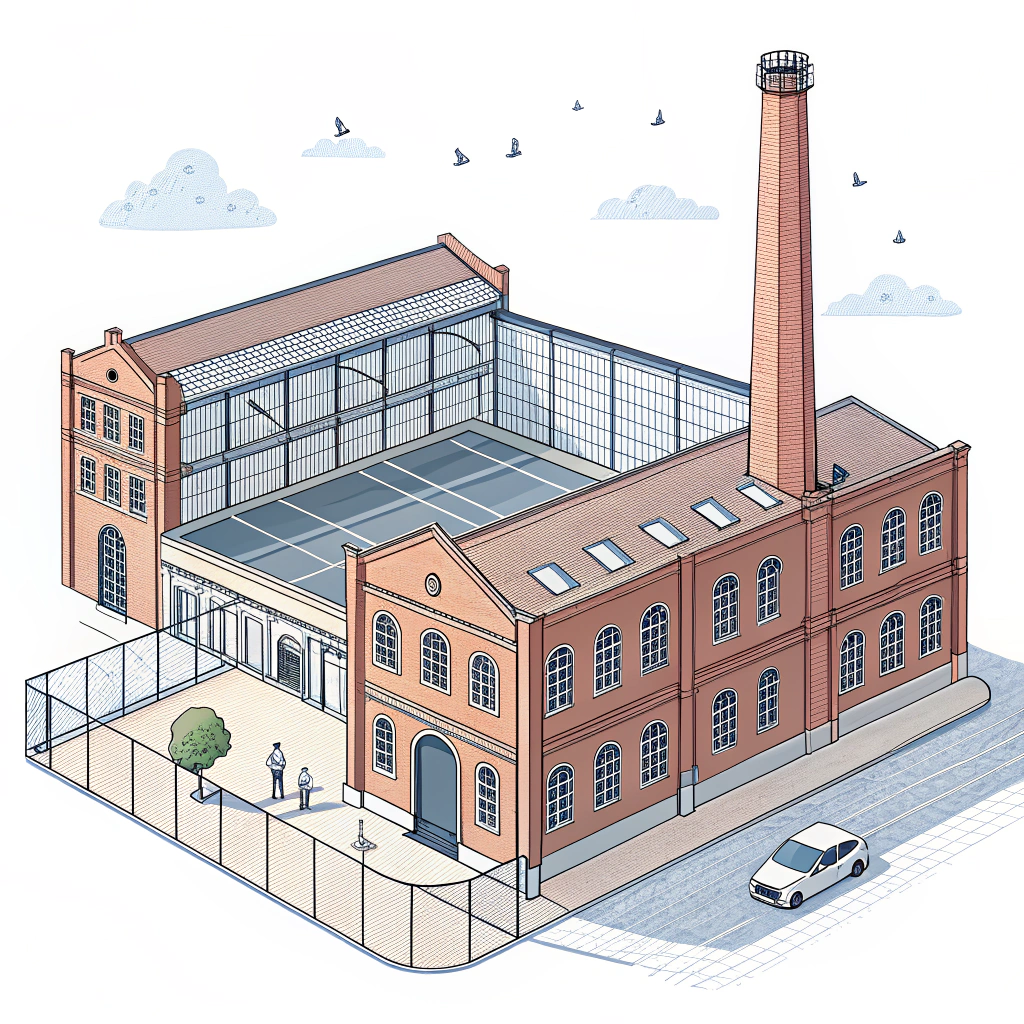
Historic factory sites inherently present several challenges when being converted into sports facilities:
-
Structural Limitations:
Older factory buildings were built with industrial use in mind. Their spatial configuration, ceiling heights, and interior layouts might not align with the requirements for a modern padel centre. Ensuring enough open space while preserving the building’s integrity requires careful structural analysis. -
Regulatory Complexities:
Adaptive reuse of heritage sites typically involves navigating a maze of local planning regulations, heritage conservation rules, and modern safety codes. Developers must ensure the converted facility complies with these multifaceted requirements. -
Design Feasibility:
Balancing the building’s historic features with modern facility design can be demanding. The retrofit must retain charm while integrating high-performance sports features such as optimal lighting, flooring, and spectator areas. -
Investment Risks:
Uncertainty about renovation costs coupled with potential market fluctuations in sports facility demand poses financial risks. Investors must weigh the cost of conversion against the potential revenue from membership, events, and sponsorship deals.
Several driving factors make the conversion of historic factories into padel centres a compelling strategy:
-
Economic Efficiency:
Repurposing an existing structure can be more cost-effective compared to new construction. The use of existing materials and the building’s robust framing often result in lower overall costs, making the conversion economically attractive. -
Unique Architectural Appeal:
The industrial character of factory spaces adds a distinctive aesthetic that can be leveraged as a marketing advantage. This unique blend of heritage and modern function often attracts a diverse audience, increasing community engagement and membership rates. -
Sustainability Focus:
Adaptive reuse is inherently a sustainable practice. By renovating an existing building, developers reduce waste and minimize the environmental impact associated with demolition and new construction. This appeals equally to environmentally conscious investors and regulatory bodies. -
Market Demand & Trends:
The padel industry4 is experiencing rapid growth globally. Modern padel centres are in demand, offering innovative designs and high-performance facilities. Historic conversions can differentiate an investment by offering a story and unique user experience that new builds may lack.
Developers can follow a structured approach to successfully convert historic factory sites into high-performing padel centres. The following table outlines a clear solution list:
| Step | Benefits | Implementation Considerations |
|---|---|---|
| Site Assessment | Identify structural strengths & limits | Comprehensive building inspection and historical research |
| Regulatory Review | Ensure project compliance | Engage with local authorities and heritage experts |
| Financial Modeling5 | Evaluate cost-benefit and ROI | Detailed budget forecast and risk analysis |
| Project Phasing | Manage renovation in stages | Minimal disruption to adjacent businesses or community |
| Innovation Inclusion | Integrate sustainable and smart tech | Use of energy-efficient systems, smart lighting, and climate control |
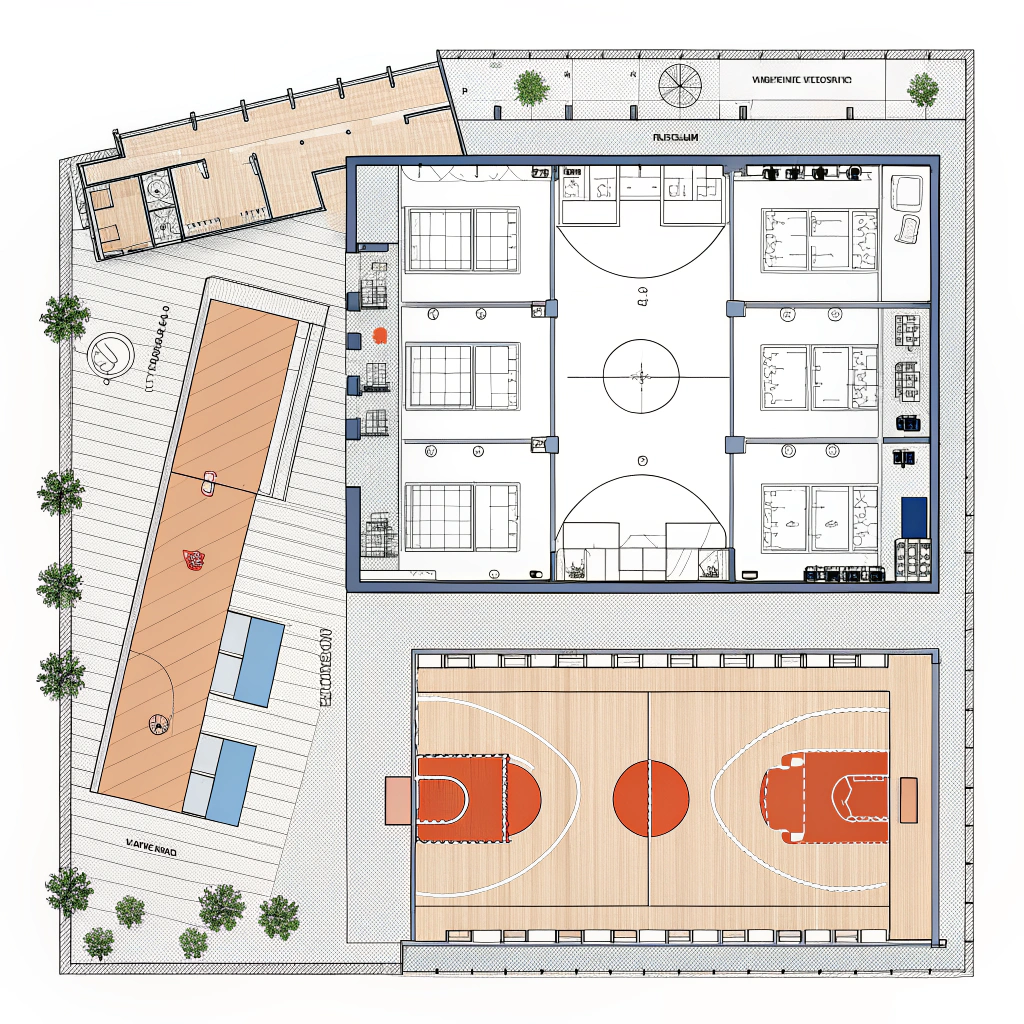
-
Comprehensive Site Evaluation:
Every historic factory conversion starts with thorough due diligence. Structural engineers and architects need to perform detailed evaluations to identify load-bearing elements, potential hazards, and opportunities for spatial reconfiguration. A successful transformation respects the building’s original features while upgrading it to meet modern sports standards. -
Engaging the Right Experts:
The partnership between facility developers, heritage consultants, and sports facility designers is crucial. Innovation in adaptive reuse often involves professionals who understand both the technical aspects of renovation and the market dynamics of the sports industry. Through collaboration, the project can achieve a balance between preservation and performance. -
Flexible Design Models:
Classic factory layouts offer robust structures but may require significant remodeling to include open courts, spectator seating, and player amenities. Designers should consider modular and flexible solutions that can segregate different zones without compromising the integrity of the original structure. Utilizing convertible spaces that serve multiple purposes—such as combining training areas with event hosting—can optimize space usage and improve revenue streams. -
Sustainable Adaptation:
Sustainability is key in modern real estate projects. Conversions often benefit from energy-efficient upgrades like LED lighting, solar panels, and improved insulation. Additionally, adaptive reuse minimizes the environmental footprint by repurposing existing buildings, making the project eligible for green certifications and potential government incentives. -
Risk Mitigation:
Financial feasibility studies provide insight into the cost-effectiveness of the conversion. Incorporate risk management strategies such as phased investments, contingency reserves, and partnerships with stakeholders (e.g., local government incentives or sports federations). These measures help alleviate uncertainties and reassure investors.
In Worcester, a historic factory was successfully converted into a modern sports facility catering to a growing padel community. The project balanced the industrial charm of the original building with cutting-edge sports amenities. Key highlights of the project include:
-
Design Innovations:
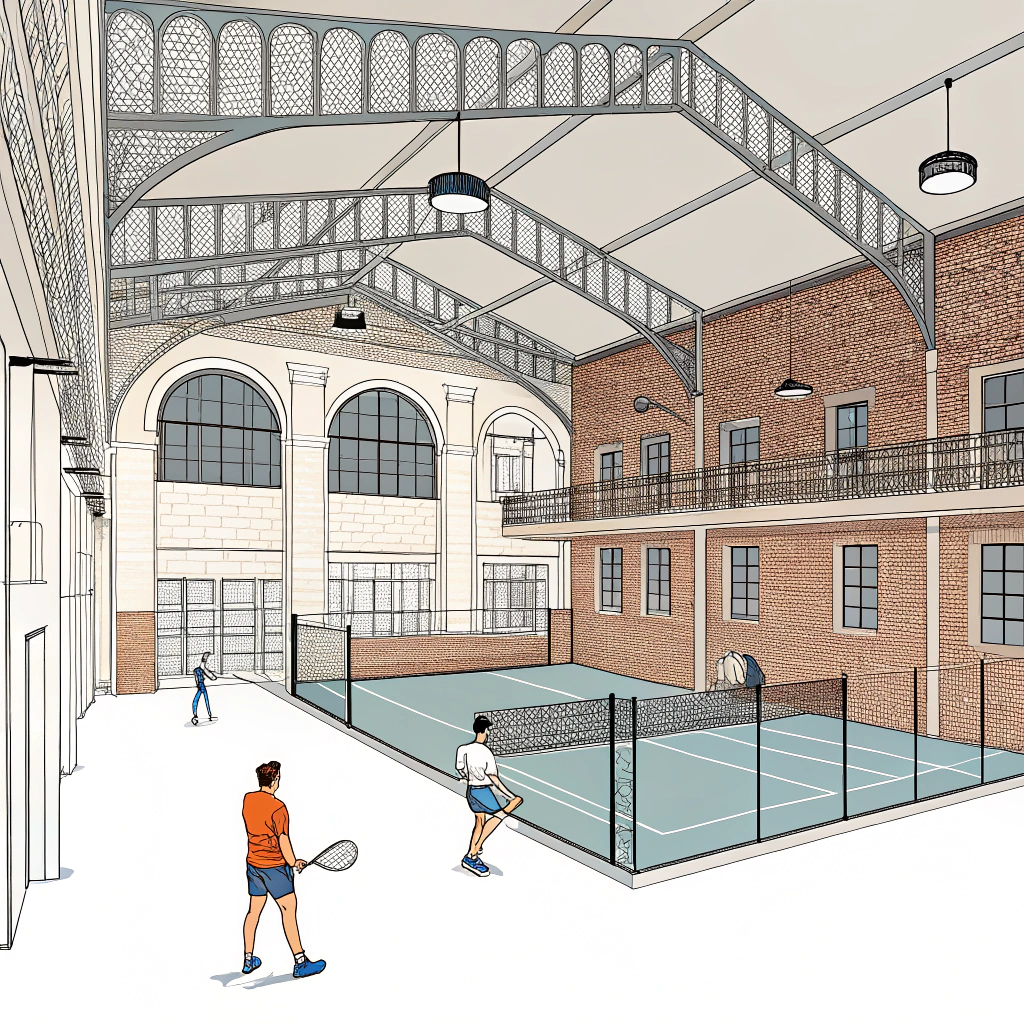
The project team retained original brickwork and high ceilings, integrating them with modern court layouts and state-of-the-art lighting. The blend of old and new created a venue that resonates with both local heritage enthusiasts and modern sports fans. -
Financial Outcomes:
The conversion resulted in a competitive operating budget, primarily due to reduced demolition costs and the reutilization of existing structures. Furthermore, the unique venue design helped secure premium sponsorships and event contracts. -
Community Impact:
The renewed facility quickly became a hub for local sports and community events. Its distinctive character increased public interest and membership, fostering a vibrant, engaged community.
This case demonstrates that with proper planning and innovative design, historic factory conversions can become groundbreaking sports venues that drive both financial returns and community value.
At NEX Padel, we recognize the transformative power of innovation and heritage. As a leading manufacturer of high-performance padel rackets, our expertise supports projects ranging from sports facility design to equipment optimization. Our capabilities include:
-
Customization:
With options ranging from Diamond, Round, and Teardrop designs, as well as full custom shapes and logos on hand grips and handle covers, we offer tailored solutions to complement unique facility designs. -
Quality Assurance:
Using premium materials like glass fibre and various carbon fibre grades (3k, 12k, and 18k), we ensure our products meet the rigorous standards required in modern sports. Our strict quality control processes support reliable performance and longevity, vital for attracting professional and amateur players alike. -
Rapid Prototyping & Delivery:
Our fast sampling and timely delivery ensure that sports facility projects can proceed on schedule without sacrificing quality. This is particularly important when aligning the timing of facility launch events and sponsorship campaigns.
Collaborating with our strategic partners such as Hirostar, Reebok, and Starvie, we have successfully contributed to several high-profile projects. This experience informs our commitment to supporting innovative projects—from the beautifully converted industrial padel centres to next-generation sports equipment.
The global padel industry is forecasted to expand rapidly in the coming years. Investors in adaptive reuse projects can benefit from:
-
Rising Popularity:
Padel is gaining traction as one of the fastest-growing sports in many regions due to its accessibility and social appeal. As a sport with lower entry barriers compared to traditional tennis, padel centres are poised to attract a diverse clientele. -
Dual Revenue Streams:
Modern padel centres generate income through event hosting, memberships, and sponsorship deals. Additionally, ancillary revenue from sports equipment sales and branded merchandise presents further revenue opportunities. -
Enhanced Facility Appeal:
Integrating a historic building’s character with modern amenities creates an unmatched user experience. This distinctiveness helps in branding and market positioning, crucial in competitive real estate and sports investments. -
Strategic Expansion:
Investors have the chance to leverage existing structures, reducing the time and cost typically associated with greenfield projects. This accelerates market entry and provides a rapid return on investment, particularly in markets where space for new construction is limited.
Financial modeling and quantitative analysis indicate that well-executed historic factory conversions offer stable cash flows and potential value appreciation, making them attractive from both a sports and a commercial real estate perspective.
For potential investors and facility developers considering the conversion of historic factories into modern padel centres, the following action steps are recommended:
-
Initiate a Comprehensive Feasibility Study
Engage structural engineers, heritage consultants, and sports facility designers early to evaluate both the potential and challenges of the building. -
Develop a Phased Project Plan
Outline clear project stages—from assessment and design formulation to phased implementation—ensuring systematic risk management and financial oversight. -
Leverage Expert Partnerships
Collaborate with industry leaders like NEX Padel to integrate innovative sports solutions with adaptive reuse strategies. Our advanced production techniques and customizable product lines can add significant value. -
Secure Regulatory Approvals
Work closely with local authorities to navigate heritage conservation and modern safety regulations, ensuring smooth project progression. -
Explore Financing Options
Consider diverse funding sources including public-private partnerships, green financing, or specialized investment funds focused on sustainable redevelopment projects. -
Market the Unique Value Proposition
Emphasize the blend of industrial heritage with modern sports functionality in your marketing strategy. Highlight not only the facility’s engineering excellence but also its inspirational design and community benefits.
Historic factory conversions into modern padel centres represent a dynamic intersection of heritage preservation, innovative design, and market opportunity. By addressing structural challenges, engaging multidisciplinary experts, and integrating sustainable practices, investors can transform these sites into high-performing sports venues that captivate communities and deliver solid returns.
The strategic insights and action recommendations outlined above provide a roadmap for facility developers and sports investment decision-makers. As the padel industry continues to grow, reimagining industrial relics with modern sports functionality is not only profitable but also a celebration of architectural history and cultural continuity.
Invest now to create vibrant community hubs that blend the past with the future of sports, tapping into a market enriched by heritage and innovation.
Q1: What are the benefits of converting historic factories into sports facilities?
A1: Converting historic factories offers unique architectural charm, cost-effectiveness through the reuse of existing structures, and a sustainable approach that appeals to both community and investors.
Q2: How can adaptive reuse enhance the appeal of a padel centre?
A2: Adaptive reuse preserves distinctive heritage elements while merging them with modern sports facility design, offering a unique user experience that differentiates the centre in a competitive market.
Q3: What strategies can mitigate investment risks in historic property conversions?
A3: Strategies include conducting comprehensive feasibility studies, engaging expert consultants, implementing phased project plans, and exploring diverse financing options to secure returns while minimizing risks.
-
padel centres: Click 1 to learn about the purpose, design considerations, and market potential of padel centres in modern sports and real estate development. ↩ ↩ ↩2
-
adaptive reuse principles: Click 2 for insights on adaptive reuse principles, which detail the process of transforming historic buildings into modern, functional spaces while preserving heritage. ↩ ↩ ↩2
-
regulatory compliance: Click 3 to explore the regulatory challenges, local planning requirements, and safety standards essential for converting historic properties. ↩ ↩ ↩2
-
padel industry: Click 4 to read about the global growth, market trends, and investment opportunities within the rapidly expanding padel industry. ↩ ↩ ↩2
-
Financial Modeling: Click 5 for an overview of financial modeling techniques used in cost-benefit analysis and ROI forecasting for facility conversion projects. ↩ ↩ ↩2