Skip to content
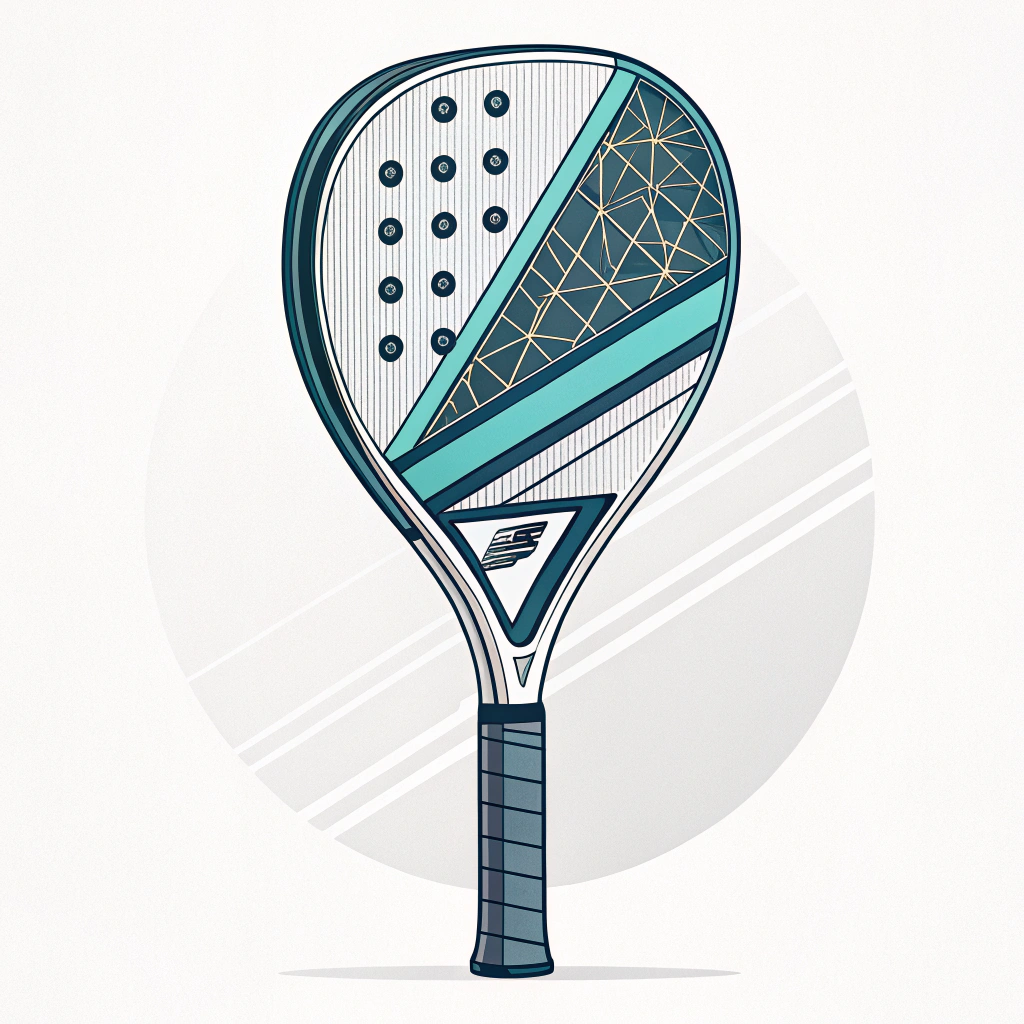
A high-performance padel racket built with advanced carbon technology1 not only offers superior strength and durability but also delivers exceptional customization options2, making it a top choice for B2B partners seeking reliable manufacturing partnerships in the competitive padel market.
In today’s competitive sports equipment market, selecting the right padel racket is crucial. For purchasing managers and product procurement specialists, understanding the differences in material quality, production techniques, and customization capabilities is essential to ensure that their investment meets both performance and market demands. High-performance rackets, especially those integrating carbon materials, offer increased strength, longevity, and enhanced playability. This article will explore the challenges in the padel market, analyze the manufacturing obstacles, and deliver a solution-oriented guide to help you make informed procurement decisions.
B2B decision-makers often encounter several challenges when considering padel equipment for their portfolio:
- Material Quality and Reliability: Evaluating whether a product is constructed with the best available materials (e.g., 3K carbon3, 12K, or 18K carbon) is critical. These materials influence weight, flexibility, and durability.
- Production Speed: Fast turnaround times without compromising quality are essential to meet market demand.
- Customization Options: In a market with diverse brands and playing styles, offering customizable solutions such as shape, color, custom prints, hand grip, and handle cover personalization is highly valuable.
- Manufacturing Expertise: Partnering with a manufacturer who has a proven track record with globally recognized brands ensures product credibility.
- Quality Assurance and Long-Term Maintenance: Understanding the effects of material degradation, such as fiber breakage or reduced rebound performance over time, is necessary for customer satisfaction.
Several factors contribute to these challenges:
- Material Variability: The type of carbon fiber (3K vs. 12K or 18K) used affects the racket’s behavior on the court. For example, a 12K carbon structure provides a softer feel while 3K emphasizes rigidity and power.
- Complex Manufacturing Processes: Advanced production techniques require precision and specialized expertise to ensure that each padel racket meets the high-performance criteria demanded by professional play.
- Customization Complexity: Offering multi-dimensional customization while still ensuring structural integrity and production consistency can be challenging. Every additional customization option introduces variables that must be accurately managed.
- Quality Control: Ensuring each product meets rigorous quality standards through meticulous testing and adherence to strict production protocols is both resource-intensive and critical for end-user satisfaction.
- Market Demands: Changing trends and the fast-paced evolution of sports technology demand rapid adaptation. Manufacturers must balance speed and quality while adapting to new material improvements and production techniques.
To address these challenges, NEX Padel has honed a solution-driven manufacturing process tailored for B2B partners. Below is an outline of our advanced techniques and the strategic measures we implement to guarantee excellence in every aspect of our products.
Our production process leverages state-of-the-art technology to develop and produce high-performance padel rackets. Key aspects include:
- Material Expertise: We offer a range of carbon options—from 3K carbon, which emphasizes rigidity for power in spikes, to 12K carbon, known for a softer feel, and 18K carbon for the most advanced applications.
- Precision Molding: Our factory in Jiaxing, Zhejiang, integrates the latest molding techniques to ensure perfect alignment and balance. This guarantees that each racket not only meets design specifications but performs consistently on court.
-
- Rapid Prototyping4 and Testing: By offering fast sampling and quick turnaround times, our clients can test prototypes without delay, accelerating time-to-market and allowing for iterative improvements.
- Customization Capabilities: We support full customization, including unique racket shapes, personalized prints, and even custom logos on the hand grip or handle covers. Flexibility in design is achieved through computerized design tools combined with skilled craftsmanship.
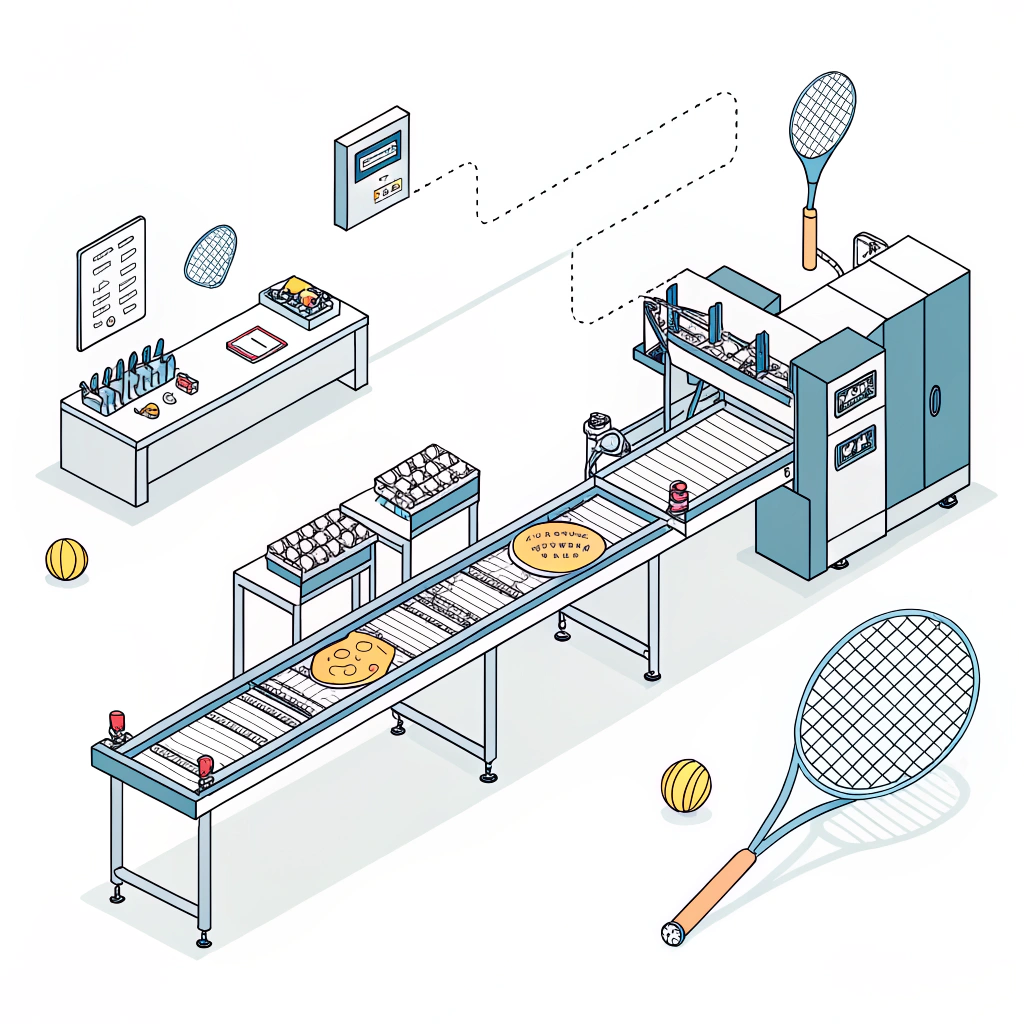
Quality Assurance5 and Manufacturing Reliability
For B2B partners, quality assurance is non-negotiable. Our strict protocols are designed to minimize defects and ensure every product aligns with international standards. Our quality assurance measures include:
| Aspect | Detail |
|---|---|
| Material Testing | Routine tests to ensure material consistency and durability |
| Production Monitoring | Continuous in-line monitoring during fabrication |
| Final Inspection | Rigorous final quality checks and performance testing |
| Certifications | Compliance with international standards ensuring product excellence |
| After-Sales Support | Reliable customer service for any production concerns |
These measures ensure that our products not only adhere to the highest standards but also maintain performance over longer periods.
One of the most significant competitive advantages NEX Padel offers is our exceptional customization capability. Customization plays a critical role in differentiating brands and enhancing consumer loyalty. Here is how we address various customization needs:
- Shape Customization: Our manufacturing flexibility allows for the production of all three popular padel racket shapes—Diamond, Round, and Teardrop—as well as tailored designs based on client specifications.
- Surface Prints and Colors: We facilitate personalized design options that enable retailers and brands to add unique visual elements to the racket. These can include multiple color combinations and custom printing techniques, ensuring that the aesthetic appeal aligns with brand identity.
- Functional Customizations: Beyond visual characteristics, functional elements such as custom hand grips and handle covers with client logos provide additional branding opportunities that resonate with end consumers, and enhance the usability of the product.
The customization process is designed to be efficient and collaborative. Our experienced design team works closely with B2B partners from concept to delivery, ensuring that the final product not only meets performance criteria but also embodies the brand's core values.
Working with globally recognized brands such as Hirostar, Reebok, and Starvie has allowed us to refine our advanced production techniques and customization capabilities. Here’s a concise overview of how these partnerships reinforce our expertise:
- Hirostar: Leveraged our rapid prototyping services to launch a new line of premium padel rackets. Our emphasis on material quality and aesthetic customization helped Hirostar capture a niche market segment.
- Reebok: Collaborated on a limited edition series that required strict compliance with performance metrics and unique design elements. The result was a product line that effectively combined style and function.
- Starvie: Focused on long-term durability and manufacturing reliability through multiple quality audits. Our rigorous testing procedures ensured that their branded rackets continuously met market demands.
These collaborations reflect our commitment to delivering products that consistently exceed industry standards and perform at the highest level on the court.

Understanding the differences between various carbon fiber types is crucial for long-term performance. Below is a table summarizing the key distinctions between 3K and 12K carbon padel rackets:
| Feature | 3K Carbon | 12K Carbon |
|---|---|---|
| Structure | Denser fiber arrangement | Looser weave allowing for more flexibility |
| Feel on Court | Enhances rigidity and provides more power | Offers a softer feel with improved ball release |
| Durability | Exceptionally resistant to wear and tear | Sufficient durability with enhanced flexibility |
| Performance | Optimized for aggressive play styles | Better suited for players seeking control and finesse |
This comparison helps demonstrate how different carbon configurations can affect playing characteristics, guiding B2B partners to select products that align with their target market's preferences.
Given the multitude of options in the padel market, here are several key recommendations to assist you in making an informed procurement decision:
- Evaluate Material Specifications: Assess the carbon fiber type (3K, 12K, or 18K) based on the targeted player profile in your market. For instance, a more aggressive player might benefit from 3K carbon rackets, while recreational players may prefer the softer feel of 12K carbon rackets.
- Consider Customization Needs: Ensure that the manufacturing partner can deliver tailored options, from unique shapes to custom branding components. This differentiation can boost market presence and consumer appeal.
- Inspect Quality Assurance Protocols: Partner with manufacturers who implement rigorous quality control measures throughout the production process. This minimizes risk and ensures high customer satisfaction.
- Leverage Rapid Prototyping: Prioritize manufacturers like NEX Padel that offer fast sampling and testing cycles, enabling quicker feedback loops and time-to-market.
- Analyze Partnership Track Record: Look for evidence of successful collaborations with reputable brands in the sports equipment industry. This is an indicator of manufacturing reliability and expertise.
By focusing on these factors, you can secure a manufacturing partnership that not only delivers high-performance padel rackets but also offers the flexibility and support required to thrive in a competitive market.
The high-performance padel racket market is characterized by rapid innovation, evolving performance standards, and ever-increasing customization demands. NEX Padel’s commitment to advanced production techniques, rigorous quality assurance, and extensive customization capabilities makes us a reliable partner for B2B decision-makers. With our comprehensive approach, you can confidently navigate the challenges of material selection, production efficiency, and market responsiveness.
Whether you are evaluating the benefits of carbon material differences or exploring customization to differentiate your branding, make sure your manufacturing partner aligns with your quality and business objectives. We invite you to explore further the detailed production solutions that NEX Padel offers, ensuring that every product delivered meets the highest standards of performance, durability, and aesthetic appeal.
Q: Are carbon padel rackets better?
A: Carbon padel rackets benefit from being lightweight and robust, allowing for superior manoeuvrability and control on the court. Their resistance to wear and tear also results in enhanced durability compared to alternatives like fibreglass.
Q: What are the top 5 padel racket brands in the world?
A: While opinions vary, leading brands in the padel market often include Adidas, Bullpadel, Nox, Head, and Babolat. These brands are recognized for their top-tier performance, innovation, and reliability.
Q: What is the difference between 3K and 12K carbon padel racquets?
A: The primary difference lies in the carbon fabric structure. 3K carbon is typically more rigid and provides greater power, while 12K carbon offers increased flexibility and a softer feel, resulting in improved ball release and enhanced control during play.
-
advanced carbon technology: Click to learn how integrating state-of-the-art carbon materials improves product strength, performance, and durability for high-performance sporting goods. ↩ ↩
-
exceptional customization options: Click to learn why personalized design features can enhance brand differentiation and meet diverse customer needs in B2B procurement. ↩ ↩
-
3K carbon: Click to explore the technical aspects of 3K carbon, including its properties and applications in enhancing the rigidity and power of sports equipment. ↩ ↩
-
Rapid Prototyping: Click to understand the benefits of rapid prototyping in reducing time-to-market and enabling iterative product improvements in manufacturing. ↩ ↩
-
Quality Assurance: Click to read about effective quality assurance protocols that ensure manufacturing consistency and product reliability in competitive markets. ↩ ↩