Skip to content
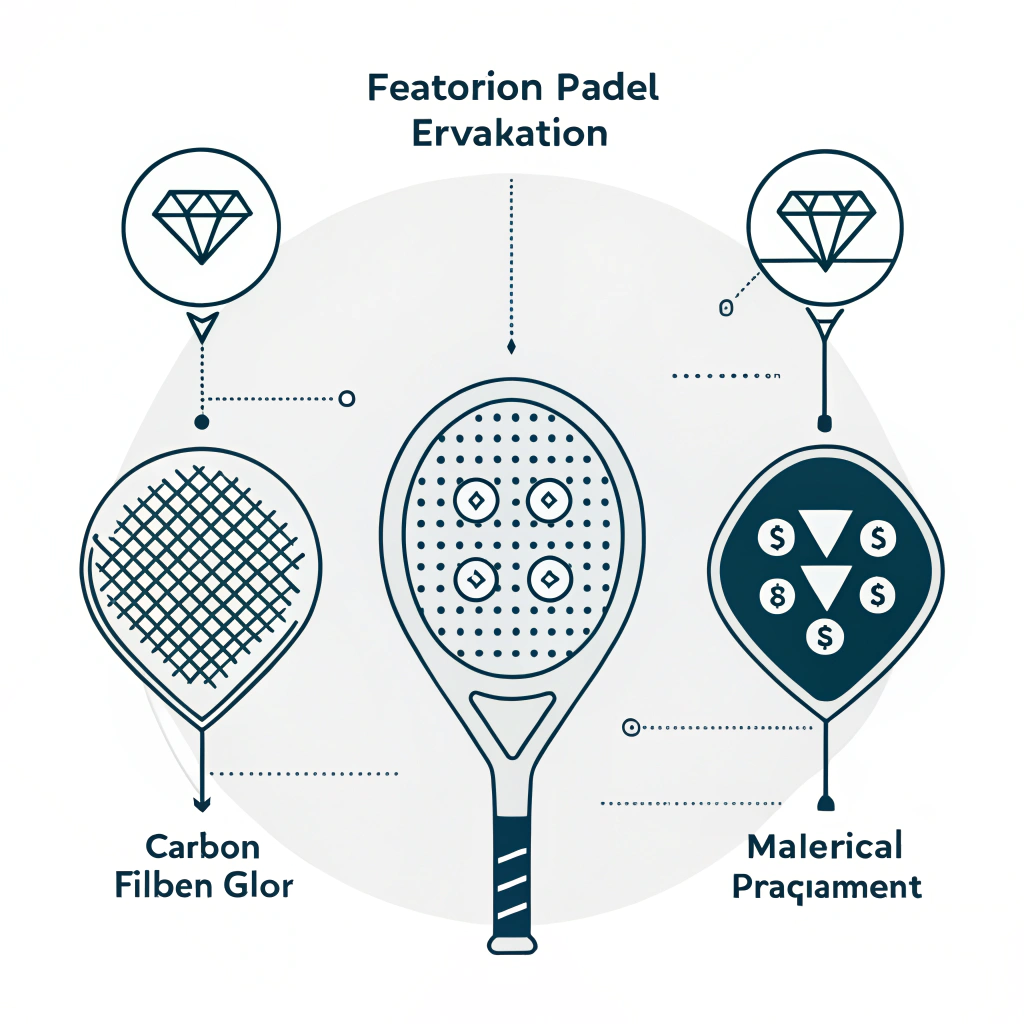
Selecting the best padel racket involves evaluating material quality, design shapes, and Customization Options1.
In a competitive market, understanding the nuances among different production techniques, material grades, and design types is essential for making an informed procurement choice.
In today’s B2B environment, procurement managers and product development specialists must assess technical specifications carefully when comparing padel rackets. Considering factors such as Carbon Fiber2 grade (from 3K to 18K), fiberglass reinforcement, and design methodology (Diamond, Round, Teardrop) can directly impact performance, durability, and user experience on the court.
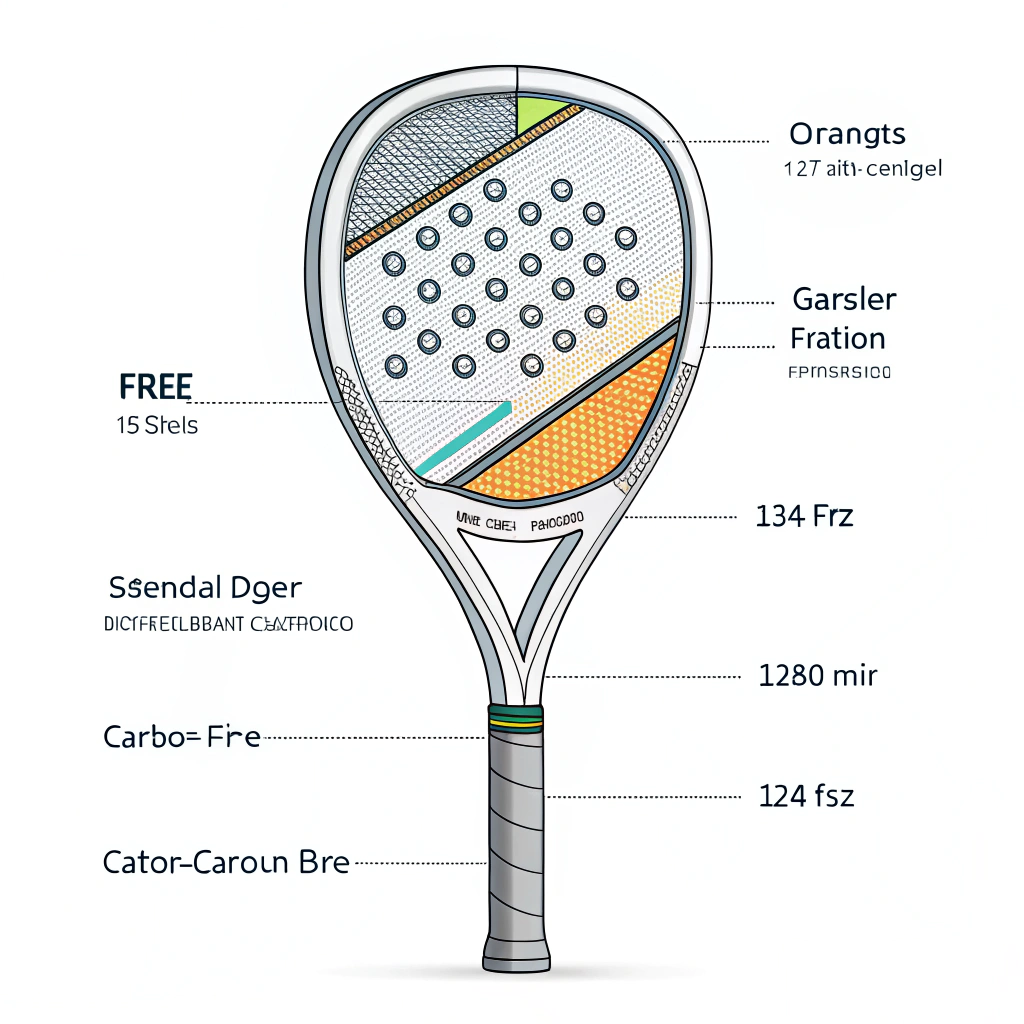
When evaluating a padel racket, several technical aspects come into play. The three most critical elements are materials, design shape, and manufacturing techniques. Each of these factors influences the racket’s performance attributes including balance, weight distribution, and overall durability.
Manufacturers use varying grades of materials such as fiberglass and different levels of Carbon Fiber2. Fiberglass is often employed for its cost-effectiveness and reliability in producing flexible yet resilient rackets. In contrast, Carbon Fiber2 offers superior strength-to-weight ratios. However, not all carbon fibers are created equal:
- 3K Carbon Fiber: Offers a basic level of strength and is often used in entry-level models.
- 12K and 18K Carbon Fiber: These provide enhanced durability and performance, which are ideal for high-performance rackets. The higher the tow count, the more compact and uniform the fibers, leading to improved racket stability and power transmission.
A detailed analysis of these materials helps in determining the ideal balance between performance and cost, ensuring that procurement decisions are both technically sound and budget-friendly.
The geometric configuration of a padel racket significantly affects its playability. The three primary shapes marketed are Diamond, Round, and Teardrop. Each shape offers specific benefits:
- Diamond Shape: Typically associated with an aggressive playing style, these rackets often provide a larger Sweet Spot3 with enhanced power output. They are preferred by advanced players seeking performance edge.
- Round Shape: Best for beginners or players who prioritize control over power. They usually offer a more forgiving impact area, enhancing maneuverability.
- Teardrop Shape: This shape provides a combination of power and control, making it a versatile option suitable for varying play styles and skill levels.
Below is a table summarizing the key features of each design type:
| Design Shape | Target User | Impact on Play | Sweet Spot Size | Maneuverability |
|---|---|---|---|---|
| Diamond | Advanced Players | Maximum power and aggressive strokes | Moderate | Lower |
| Round | Beginners/Intermediate | Enhanced control for accurate play | Larger | High |
| Teardrop | All-rounders | Balanced mix of power and control | Moderate-Large | Moderate |
Understanding these distinctions is crucial when matching a racket to specific player profiles and intended business markets.
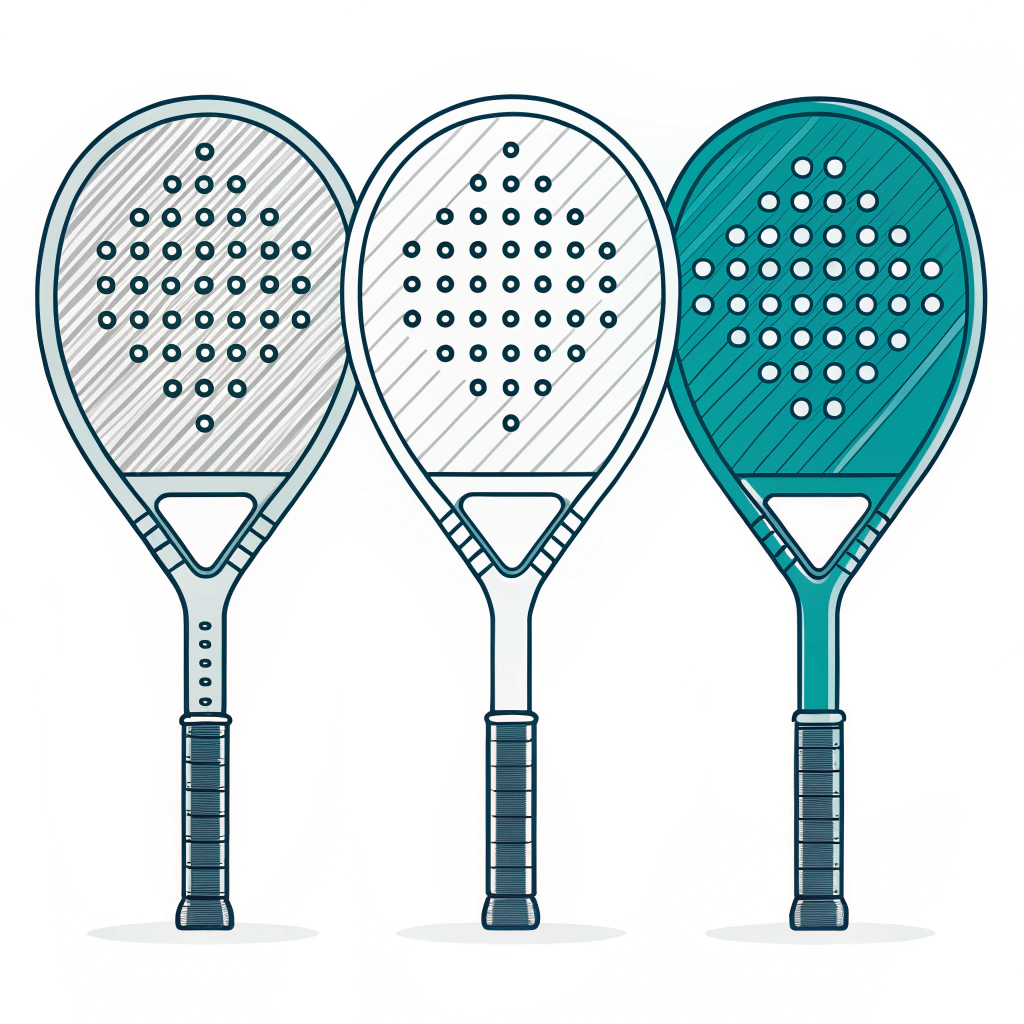
At NEX Padel, our manufacturing process is defined by cutting-edge production techniques and rigorous quality control. Here’s how our process adds value:
- Precision Engineering4: We apply advanced production methods to maintain high consistency across all racket models. This includes precise molding and finishing to ensure that every product meets international sporting standards.
- Quality Control5: Each batch is subject to strict quality inspection protocols. The combination of selected raw materials and controlled production environments minimizes defects and guarantees performance durability.
- Short Lead Times: For B2B procurement, timely delivery is crucial. Our agile production system ensures rapid prototyping and efficient fulfillment, aligning with the demands of sporting goods retailers and padel clubs.
The integration of technologies in our production process not only distinguishes our products in terms of quality but also strengthens the reliability of our lead times and customization capabilities.
An increasingly important consideration in today’s procurement landscape is customization. Businesses often look for equipment that not only performs exceptionally but also reinforces their brand identity. NEX Padel offers extensive customization options:
- Shape Customization: While our standard shapes include Diamond, Round, and Teardrop, we also support fully customizable profiles. This flexibility allows retailers and clubs to differentiate themselves by offering exclusive racket designs.
- Custom Print and Colors: You can tailor the appearance of the rackets including unique printing and color schemes to match your brand's identity.
- Accessory Customization: Beyond the rackets, our customization extends to hand grips and handle covers. Custom logos on these accessories can further enhance brand recognition and customer engagement.
Providing a highly customizable product can significantly influence purchasing decisions in the B2B market, as it aligns product offerings with the buyer’s market positioning and end-user expectations.
A common question among procurement experts is determining the balance between cost and performance. While it might be tempting to select a lower-cost model to meet budget targets, the decision should be based on a careful evaluation of technical specifications versus the intended market application.
| Price Range | Material Levels | Typical Performance Metrics | Ideal User Scenario |
|---|---|---|---|
| Entry Level (<£100) | Basic Fiberglass, 3K Carbon Fiber | Good control, forgiving impact | Beginners and casual players |
| Mid-Range (£100-£200) | Mixture of Fiberglass and moderate Carbon Fiber | Balanced power and control | Intermediate players |
| Premium (>£200) | Advanced 12K/18K Carbon Fiber with fiberglass reinforcement | High precision, power, and durability | Advanced and professional users |
Procurement decisions should consider how these factors align with customer segments. For example, while advanced players might benefit from the enhanced performance of a premium racket model, beginners might value the ease-of-use and lower entry cost provided by an entry-level model.
Performance on the court depends on multiple factors working in harmony:
- Weight Distribution: An expertly balanced racket ensures that players can maneuver quickly without sacrificing power. The design and material selection directly influence the weight balance.
- Sweet Spot Size: Rackets with a larger sweet spot offer better performance, especially for beginners who require more forgiveness on off-center strikes. Advanced manufacturing techniques help in optimizing this critical attribute.
- Impact Resistance and Durability: The combination of reinforced fiberglass and selected grades of Carbon Fiber2 results in a racket that maintains its shape, power, and resilience under rigorous play conditions.
Our production insight in this domain reflects years of technological advances and quality assurance practices, ensuring each racket not only meets but exceeds industry standards.
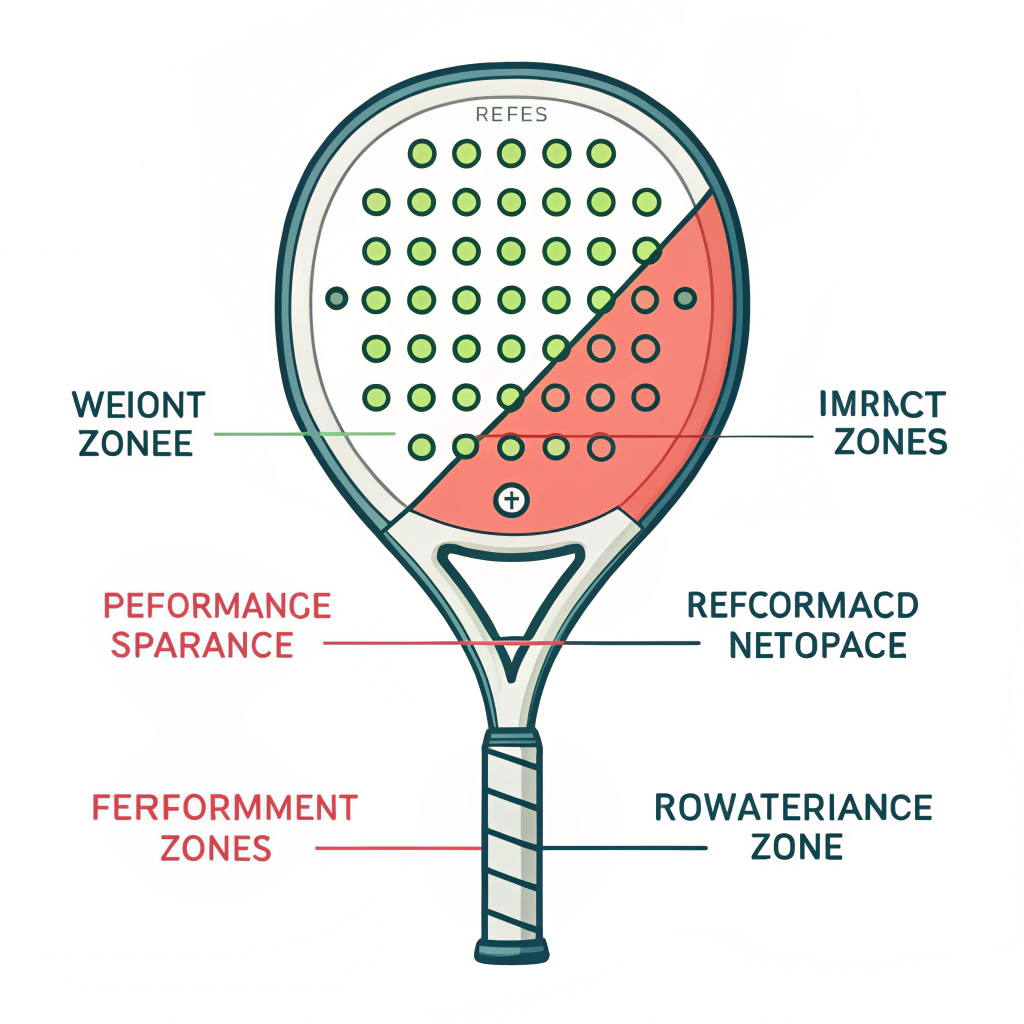
For procurement managers in the sporting goods industry, the transition from product evaluation to final procurement must be systematic and detailed:
- Begin with an inventory of technical requirements specific to your retail or club environment.
- Use comparative tables and detailed manufacturer specifications to evaluate options.
- In the case of padel rackets, analyze material quality, design options, customization opportunities, and production lead times.
- Leverage procurement partnerships with trusted manufacturers like NEX Padel to ensure consistency in quality, reliable lead times, and innovative customization that sets your product apart.
- Material Quality: Always verify the grade of Carbon Fiber2 and fiberglass integration. High-performance materials ensure better durability and longevity.
- Design Relevance: Align the shape of the racket (Diamond, Round, Teardrop) with the skill level and play style of your target market.
- Customization Capability: Factor in the ability to customize both aesthetic and structural elements, which can give a competitive edge in branding.
- Lead Time and Supply Chain Reliability: Ensure that the manufacturer’s production process meets your delivery expectations, especially for seasonal sporting events or retail launches.
- Cost Efficiency: Compare the cost-to-performance ratio and decide on bulk procurement models that can maximize your return on investment.
By conducting this layered analysis, procurement professionals can significantly mitigate risk and align their purchasing strategy with their business goals.
In conclusion, the selection of a padel racket should be a result of careful technical and comparative evaluation. From the choice of materials like 3K, 12K, or 18K Carbon Fiber2 and fiberglass to the design shape that aligns with the target user’s requirements, every decision factor plays a critical role. Coupled with robust quality controls and flexible customization options, these criteria ensure that the final product not only meets performance metrics but also integrates seamlessly with your business strategy.
Investing the necessary time in understanding these technical details can lead to improved customer satisfaction, lower long-term costs, and enhanced brand reputation in competitive markets. Consider arranging product demonstrations or factory tours to witness the high-performance manufacturing process that underscores our commitment at NEX Padel.
Next, align your product strategy by considering these factors and consulting with industry experts to make the best-informed decision for your organization.
People Also Ask
Q: What to look for in a good padel racket?
A: Look for factors such as the racket’s shape, weight distribution, balance, handle size, and the materials used. High-quality materials like advanced Carbon Fiber2 variants and proper manufacturing techniques are crucial to ensure performance and durability.
Q: What is the difference between expensive and cheap padel rackets?
A: More expensive padel rackets typically feature advanced materials like higher-grade Carbon Fiber2 and optimized designs with smaller sweet spots. They offer enhanced performance but may be less forgiving for beginners compared to their cheaper counterparts, which often have larger sweet spots and more forgiving designs.
Q: How much should you spend on a padel racket?
A: The spending range depends on the user’s experience and performance needs. Beginners can opt for rackets in the £50 to £100 range, while intermediate and advanced players may require an investment of over £200 for enhanced performance attributes and durability.
-
Customization Options: Click to read about the benefits of customizable products in B2B strategies, including tailoring designs, colors, and features to meet specific branding and performance needs. ↩ ↩
-
Carbon Fiber: Click to learn about the advanced properties, grading scales (3K, 12K, 18K), and performance benefits of carbon fiber in sporting equipment manufacturing. ↩ ↩ ↩2 ↩3 ↩4 ↩5 ↩6 ↩7 ↩8
-
Sweet Spot: Click to discover the importance of the sweet spot in racket design, how it impacts playability, and methods to maximize performance through design optimization. ↩ ↩
-
Precision Engineering: Click to explore how precision engineering techniques ensure product consistency, high-quality finishes, and optimal performance in high-end manufacturing. ↩ ↩
-
Quality Control: Click to understand the rigorous quality control protocols that help minimize defects and guarantee product durability in a competitive market. ↩ ↩