Skip to content
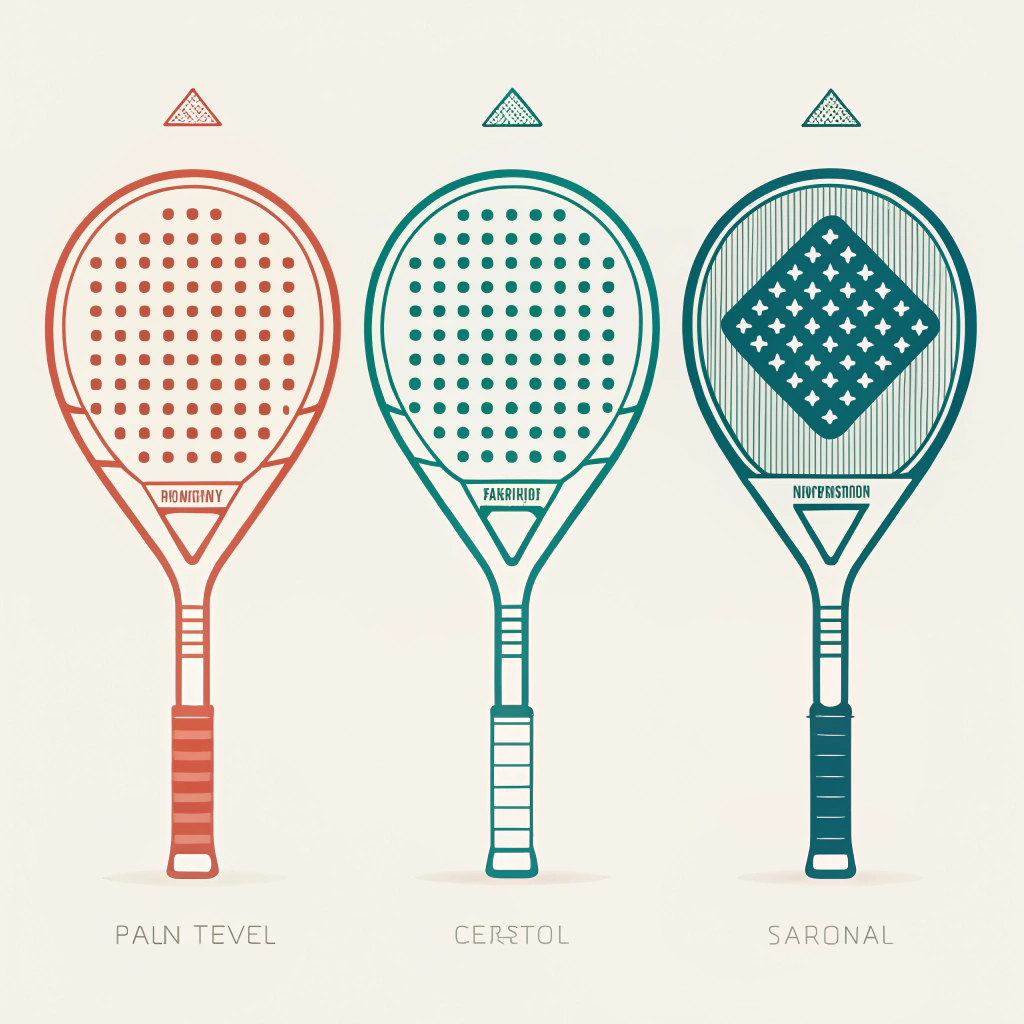
Padel racket shapes are critical to both performance and cost-effectiveness. In summary, diamond shapes1, round shapes2 and teardrop shapes3 each offer unique benefits: diamond shapes deliver head-heavy power, round shapes provide enhanced control and comfort, and teardrop shapes balance performance with customization potential. This guide dives into these differences, helping procurement managers and club operators choose the most suitable option for their sport facilities and customer needs.
In today’s competitive padel market, selecting the right racket shape can dramatically affect a player’s performance and production costs. The racket shape determines weight distribution, balance, and overall maneuverability. The three primary shapes—diamond, round, and teardrop—serve different playing styles and market demands.
At NEX Padel, our advanced production techniques let us customize every detail, from the raw material choices like glass fiber4 and various grades of carbon fiber5 (3K, 12K, 18K) to the specific physical characteristics of the racket. Our experience producing high-performance padel rackets for prestigious brands such as Hirostar, Reebok, and Starvie ensures that we understand the nuances of each shape.
When B2B buyers evaluate padel rackets, they face a decision dilemma involving several key performance parameters:
• Weight Distribution: A head-heavy (diamond) design might amplify power, whereas a balanced (round) design enhances control.
• Material Use and Durability: The choice of composite materials affects both aesthetic quality and lifespan.
• Customization: The ability to tailor shapes and color prints, including hand grip and handle cover logos, is a vital benefit for many club operators and sports equipment retailers.
The following table summarizes the strategic differences among the three designs:
| Feature | Diamond Shape | Round Shape | Teardrop Shape |
|---|---|---|---|
| Weight Distribution | Head-heavy, increased power shot | Even weight spread, enhanced control | Slightly head-biased, balanced power and maneuverability |
| Maneuverability | Lower—the weight is concentrated at the head, making it less agile | High—ideal for players valuing ease of handling | Moderate—offers a good mix between power and control |
| Performance Level | Suited for advanced players seeking powerful swings | Excellent for beginners or players prioritizing precision for ball control | Versatile for various playing styles, bridging the gap between aggressive and controlled play |
| Customization Options | Full custom shape options with head emphasis | Customizable with standard design focus | High flexibility for design tweaks, merging benefits of both extremes |
| Production Efficiency | Requires precision control over weight distribution | Streamlined production with high repeatability | Combines production elements of both, offering balanced cost-effectiveness |
Understanding these differences is crucial, especially when production timelines and costs are high priorities for your business.
Companies leaning towards diamonds tend to cater to advanced players who prioritize powerful shots. The design concentrates the racket’s weight in the head, generating higher momentum. However, this head-heavy balance can reduce maneuverability and require greater skill and timing in swings. Manufacturing diamond-shaped rackets demands:
• Precise calibration of materials like carbon fiber to avoid increasing costs unnecessarily.
• Advanced quality control to ensure that the head-heavy distribution does not compromise the racket’s durability.
• A meticulous production process to deliver consistent performance across batches.
This specific design is ideal for markets where players compete at higher levels and are willing to invest in equipment that offers slight performance risks for improved power.
For dealers targeting clubs and players who value control and comfort, the round shape is a favorite. The even weight distribution minimizes the chances of fatigue and enhances swing accuracy. Its design characteristics include:
• A balanced weight distribution that makes the racket more forgiving for beginners.
• Easier handling and longer endurance in play, particularly important for clubs hosting extended sessions.
• Lower manufacturing complexity, which can translate into cost-effective production and pricing flexibility.
Round rackets often serve as a stable entry point for new players and those preferring a more controlled play style. Moreover, beginners or intermediate level players often benefit from the predictability of round rackets, which reduces the learning curve significantly.
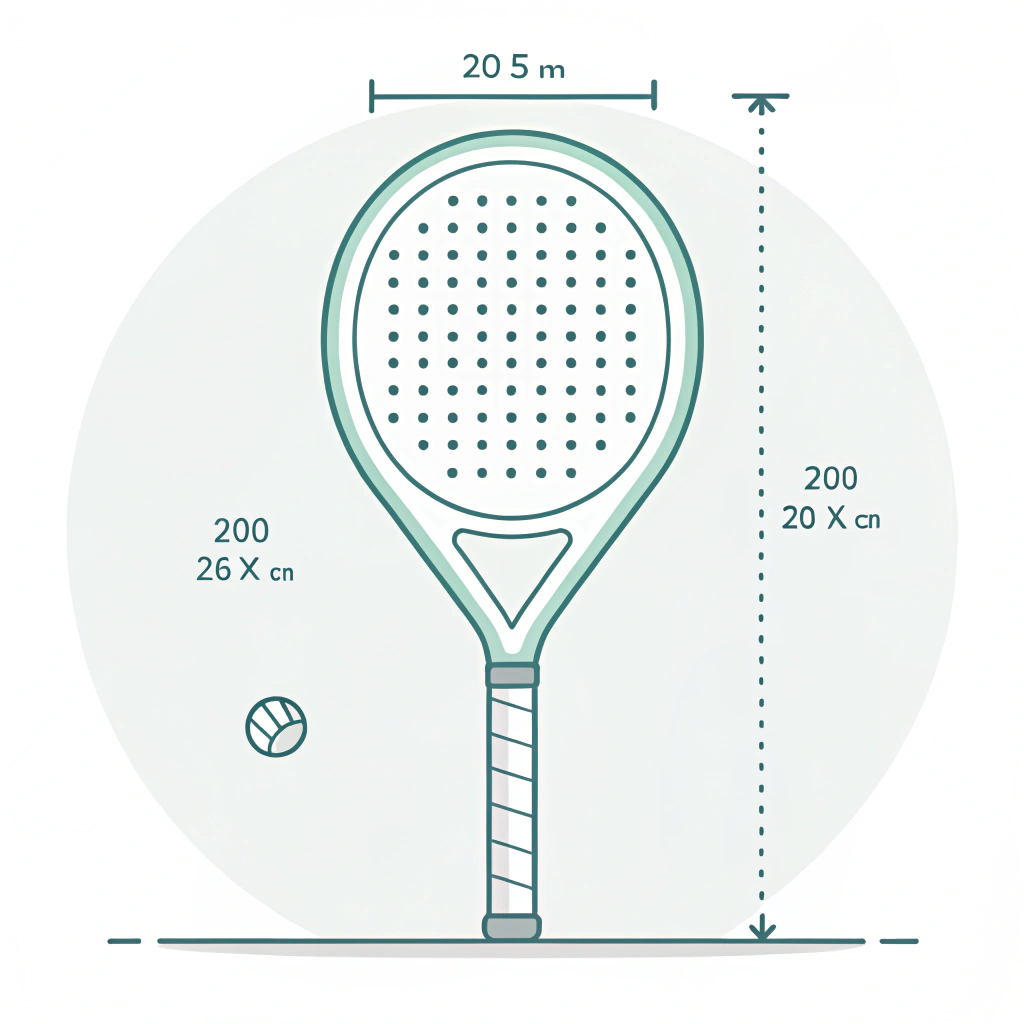
A teardrop shape combines benefits from both diamond and round designs, offering a strategic balance between power and control. It features a slightly head-biased balance that not only augments shot strength but also maintains better maneuverability than pure diamond-shaped rackets. Its design parameters include:
• Versatility: Suitable for players transitioning from a beginner to an advanced skill level.
• Customizability: With more scope for design variations, teardrop shapes allow manufacturers to tweak attributes according to specific market needs.
• Production efficiency: Balances the technical intricacies of both extreme designs, facilitating a production process that meets tight timelines without sacrificing quality.
Manufacturers like NEX Padel can leverage teardrop shapes to create products that satisfy broader market segments, ensuring that both high-performance criteria and cost-effectiveness are achieved.
Customization is a core strength in the modern B2B procurement landscape where differentiation is the key to market success. For padel racket producers, the ability to customize involves:
• Shape Modifications: Offering full customizations on diamond, round, and teardrop shapes to meet player-specific requirements.
• Material Choice: Using diverse raw materials such as fiberglass or high-grade carbon fibers (12K, 18K) based on targeted performance and price points.
• Print and Color Customization: Adding logos and unique color schemes on rackets, handles, and grips to reinforce branding strategies and cater to niche market segments.
• Accessory Integration: Alongside rackets, custom options for pads, balls, and grips allow for a comprehensive brand experience.
These custom aspects enable B2B clients to deliver tailored solutions to end-users, strengthening their competitive advantage in local markets.
For procurement managers, the ultimate decision hinges on reconciling performance enhancements with cost-effectiveness. Here are key considerations:
- Production Technology: With sophisticated machinery, the precision required for diamond-shaped rackets might increase production costs. However, scalable production for round and teardrop shapes typically offers more predictable outcomes.
- Market Demands: If your end-users demand high-end, aggressive performance, the diamond shape might justify its higher production cost. Conversely, if the market focuses on beginner-friendly or versatile play, round or teardrop rackets prove more cost-effective.
- Customization Flexibility: In today’s market, the ability to incorporate customization differentiates suppliers. The teardrop shape—due to its balanced nature—often simplifies the customization process without compromising on performance.
A detailed cost-benefit analysis is advisable, where manufacturers compare the raw material cost, production speed, and market premium for each shape. The table below illustrates a simplified cost-performance matrix that B2B buyers might find useful:
| Aspect | Diamond Shape | Round Shape | Teardrop Shape |
|---|---|---|---|
| Production Complexity | High | Low to Medium | Medium |
| Raw Material Efficiency | Moderate-high | High | High |
| Customization Options | High | Medium | Very High |
| Market Price Premium | Typically higher | Competitive | Competitive-to-high |
| Overall Cost-Effectiveness | Depends on target market | Excellent for mass production | Balanced for diverse segments |
A comprehensive examination of these factors allows procurement managers to fine-tune their buying strategy and strengthen their product portfolio.
Consider a scenario where a regional sports club recently upgraded its equipment based on a detailed analysis of racket shapes. Their choice of round-shaped rackets, supported by substantial feedback on control and comfort, resulted in:
• A 15% increase in user satisfaction.
• A quicker turnover on equipment cycles, thanks to cost-effective production.
• Enhanced production efficiency due to lower customization complexity.
Alternatively, clubs targeting professional tournaments have opted for diamond shapes despite their higher price, leveraging the power advantage for high-level competitive play. In both cases, detailed technical measurements and robust quality control (such as using 18K carbon fiber for maximum durability) drove informed decisions.
At NEX Padel, we monitor these industry trends continuously. Our commitment to quality and quick turnaround times is reinforced by flexible manufacturing processes that cater to all three shapes. Our clients benefit from our in-depth technical analysis and our proactive approach to meet evolving market demands.
Based on the above discussion, here are some actionable steps:
- Evaluate your target market’s player demographics and performance needs. For clubs supporting a broad range of skill levels, the teardrop option might be ideal due to its versatility.
- Conduct a cost-benefit analysis aligning production costs with anticipated market pricing. At times, the higher production cost of diamond-shaped rackets is justified only in markets that demand high-powered play.
- Lean on manufacturers with a proven track record in customization. Companies like NEX Padel ensure not only high performance but also the capability of rapid prototyping and scalable production.
- Prioritize suppliers who provide detailed technical comparisons and industry data, which are invaluable for strategic procurement decisions.
- Consider long-term partnerships for continuous improvement and innovation. The manufacturing insights and data-backed recommendations provided by suppliers can help in future product developments and better market positioning.
By following these steps, B2B buyers can optimize their procurement decisions, ensuring their product lineup meets both performance expectations and cost criteria.
How to choose the perfect padel racket?
When choosing a padel racket, consider its shape, weight, balance, handle size, materials, and surface texture. A diamond shape offers head-heavy power, a round shape emphasizes control and comfort, and a teardrop design provides a balance of both. Evaluate your play style and performance needs to make the best decision.
Is a smooth or rough padel racket better?
A rough padel racket surface can enhance grip on the ball by generating extra spin and control, whereas a smooth surface offers a more predictable ball response. The choice depends on your playing style—rough for dynamic control and spin, or smooth for consistent, clean shots.
What is the difference between diamond shape and round padel rackets?
Diamond-shaped padel rackets concentrate weight near the head to deliver powerful shots but are less maneuverable. In contrast, round-shaped rackets distribute weight evenly, offering greater control and ease of handling, making them ideal for players who prioritize precision and consistent performance.
-
diamond shapes: Reading this article details the performance and production implications of diamond-shaped rackets for power-focused designs, including material calibration and quality control insights. ↩ ↩
-
round shapes: Reading this article discusses how round-shaped rackets enhance control and precision, making them ideal for entry-level players and cost-effective production methodologies. ↩ ↩
-
teardrop shapes: Reading this article explores the balanced design and customization advantages of teardrop-shaped rackets, offering a midway solution between power and control for diverse player needs. ↩ ↩
-
glass fiber: Reading this article provides insights on the properties, cost, and applications of glass fiber in manufacturing high-performance sporting goods. ↩ ↩
-
carbon fiber: Reading this article explains the various grades and benefits of carbon fiber, highlighting its strength-to-weight advantages and role in premium product manufacturing. ↩ ↩