Skip to content

China padel paddle factory can be summed up as a partner offering high-quality production, advanced customization1 and punctual delivery—all critical for competitive B2B procurement. In this article, we explore how a leading Chinese manufacturer such as NEX Padel supports its partners with state-of-the-art production techniques and extensive customization options for padel paddles and accessories.
As the padel sport continues to expand globally, selecting the right manufacturing partner becomes crucial for product quality and market competitiveness. Chinese padel paddle factories like NEX Padel are highly regarded for their efficient production processes, advanced material technologies, and full customization capabilities. They are ideal partners for B2B procurement managers and product developers looking to scale their portfolio with high-performance sporting goods.
In China, padel paddle manufacturers leverage advanced production techniques ranging from fiber glass reinforcement to high-grade carbon fiber2 variants—including 3k, 12k, and 18k carbon options. With diversified designs such as Diamond, Round, and Teardrop shapes, these factories are equipped to fulfill bespoke requirements. This creates ample opportunities for companies looking to produce padel products that align with their brand identity and target quality standards.
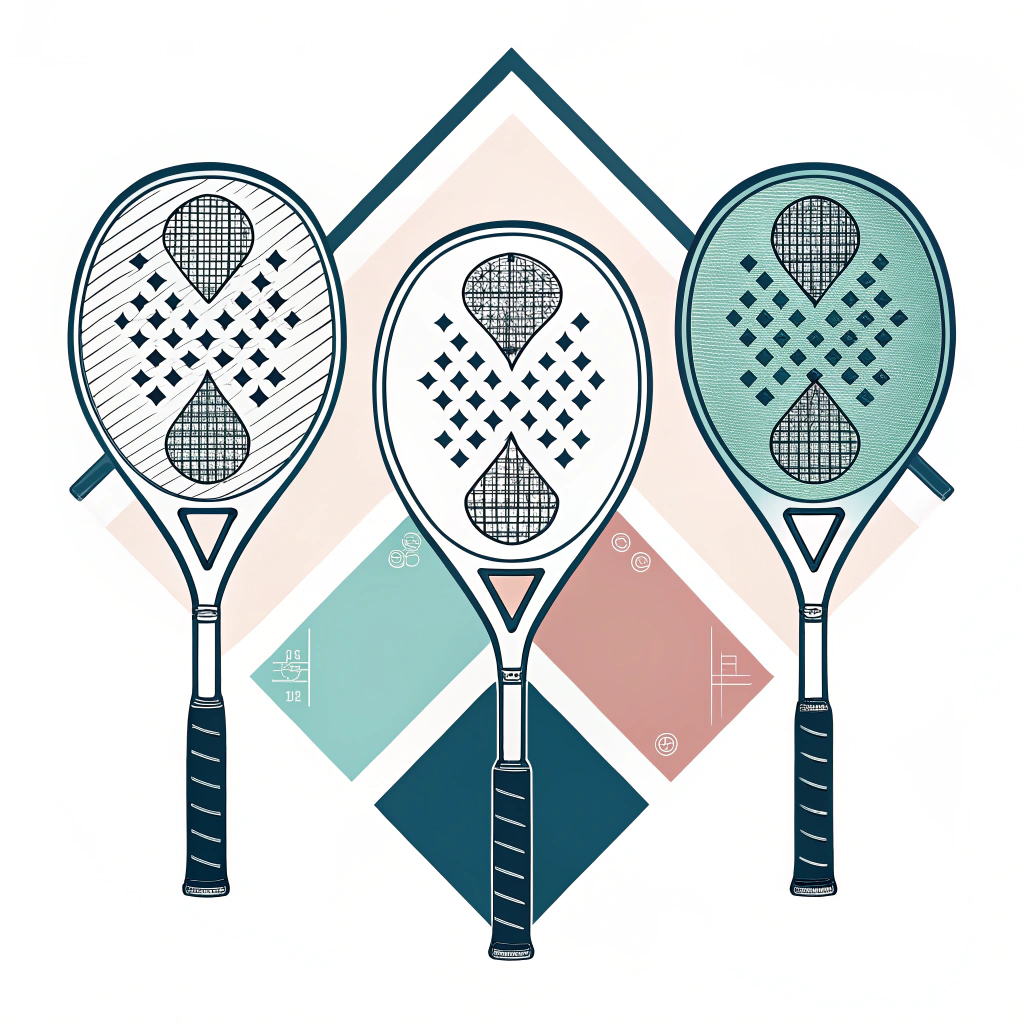
To understand the strength of a China padel paddle factory, it is essential to break down the primary manufacturing capabilities:
Manufacturers like NEX Padel source raw materials that ensure durability and performance. The variety includes:
- Fiber Glass for initial models
- 3k, 12k, and 18k carbon fiber2 options for premium paddles
This range allows for flexibility in production, catering to different player levels and market tiers. Partnering with a factory that offers multiple material options enables a company to diversify its product portfolio without compromising quality.
Chinese factories utilize modern production techniques, combining traditional craftsmanship with advanced automation3. Some highlights include:
- Precision molding processes for consistency
- Robust quality control4 systems that monitor every production phase
- Fast turnaround times due to streamlined workflow designs
The integration of automation with skilled labor not only enhances product quality but also optimizes the production cycle to satisfy high-volume orders.
Customization is a key factor in today’s competitive market. Leading padel paddle factories provide:
- Various paddle shapes (Diamond, Round, Teardrop)
- Custom printing and color schemes to align with brand identity
- Personalization options for accessories such as hand grips and handle covers
Businesses can fully tailor the product aesthetics and functionality to create a unique value proposition, especially for exclusive brand lines or limited edition releases.
When evaluating potential partners, B2B procurement managers should consider several critical dimensions. The table below highlights a comparison of important factors related to padel paddle manufacturing:
| Criteria | China Padel Paddle Factory (e.g., NEX Padel) | Global Alternatives |
|---|---|---|
| Material Selection | Fiber glass, 3k, 12k, and 18k carbon fibers | Often limited; may not offer full range |
| Customization Capabilities | Full customization for paddle shape, color, and accessory printing | Less flexible on custom orders |
| Production Lead Times | Fast turnaround with efficient production lines | Potential longer lead times due to limited automation |
| Technology Integration | Advanced automation, quality control, and precision techniques | Varies; may use older production methods |
| Pricing | Competitive pricing due to efficient mass production | Often higher due to import and operational costs |
| Quality Assurance | Rigorously monitored at every production phase | Often less transparent with quality control processes |
This comparison highlights why Chinese manufacturers, particularly those with advanced facilities, remain a preferred choice for companies aiming to source high-performance sports equipment.
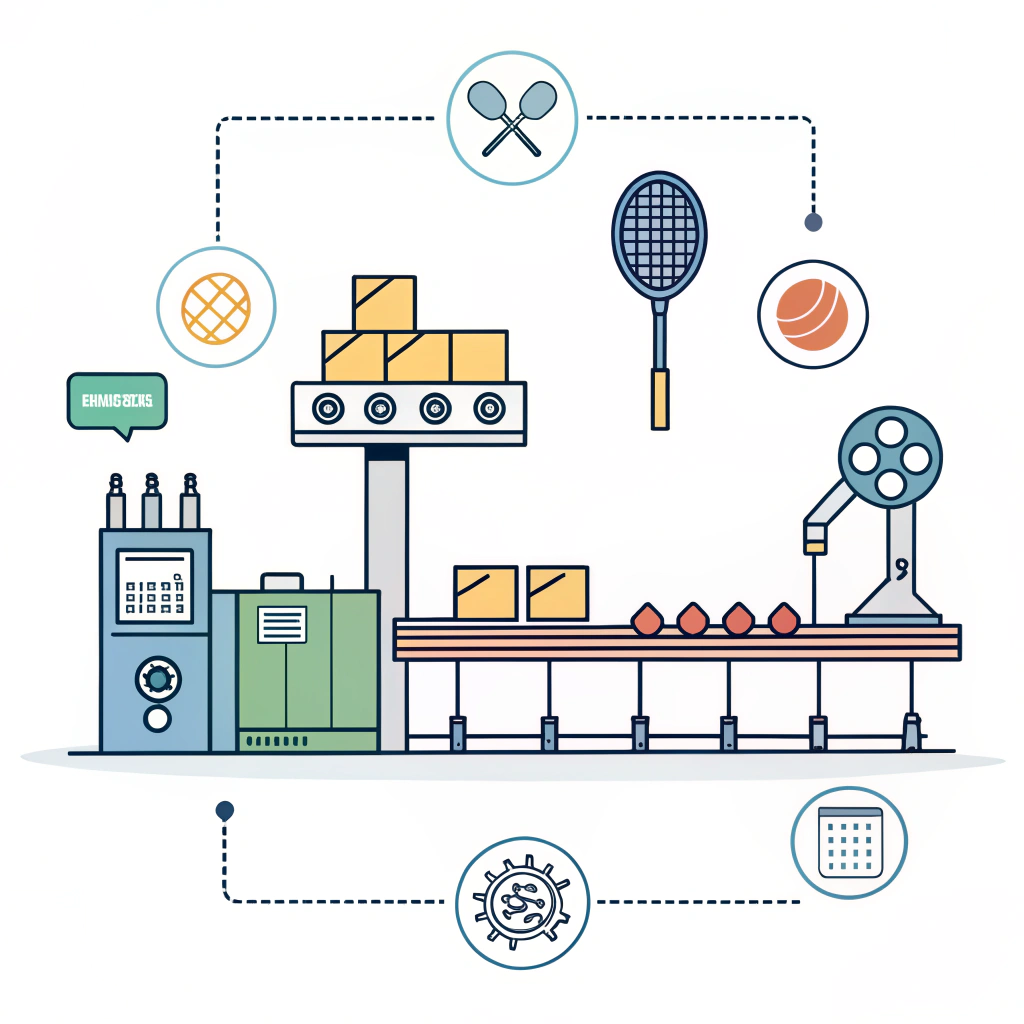
Customization not only works as a competitive differentiator but also addresses buyer concerns about uniqueness and market fit. With products available in various paddle shapes—Diamond for power play, Round for control, and Teardrop for balanced performance—clients can choose according to player needs and marketing strategies.
Using state-of-the-art CAD (Computer-Aided Design)5 and simulation software, manufacturers create prototypes that satisfy exact specifications before mass production begins. The ability to tailor each element—from printing logos on the paddle surface to incorporating custom grips and handle covers—empowers companies to reinforce brand identity and meet consumer expectations.
Quality control is a cornerstone of successful manufacturing. Leading China padel paddle factories have implemented layered quality assurance systems that include:
- Pre-production inspections to ensure materials meet required standards.
- In-process checks during each manufacturing stage.
- Post-production testing to certify the performance and durability of the final product.
By adopting such comprehensive quality control methods, factories can significantly reduce defects and enhance customer satisfaction over the long term.
Speed is pivotal in maintaining competitive edge in the sports equipment market. Chinese manufacturers are known for their streamlined production methodologies, achieving:
- High-volume production adjustably matched with customization requirements.
- Rapid prototyping and sampling, which supports agile product development cycles.
- On-time shipments that help international businesses meet their market launch deadlines.
These operational efficiencies contribute directly to cost control and overall competitiveness, making Chinese factories a valuable asset for any company looking to expand its product line.
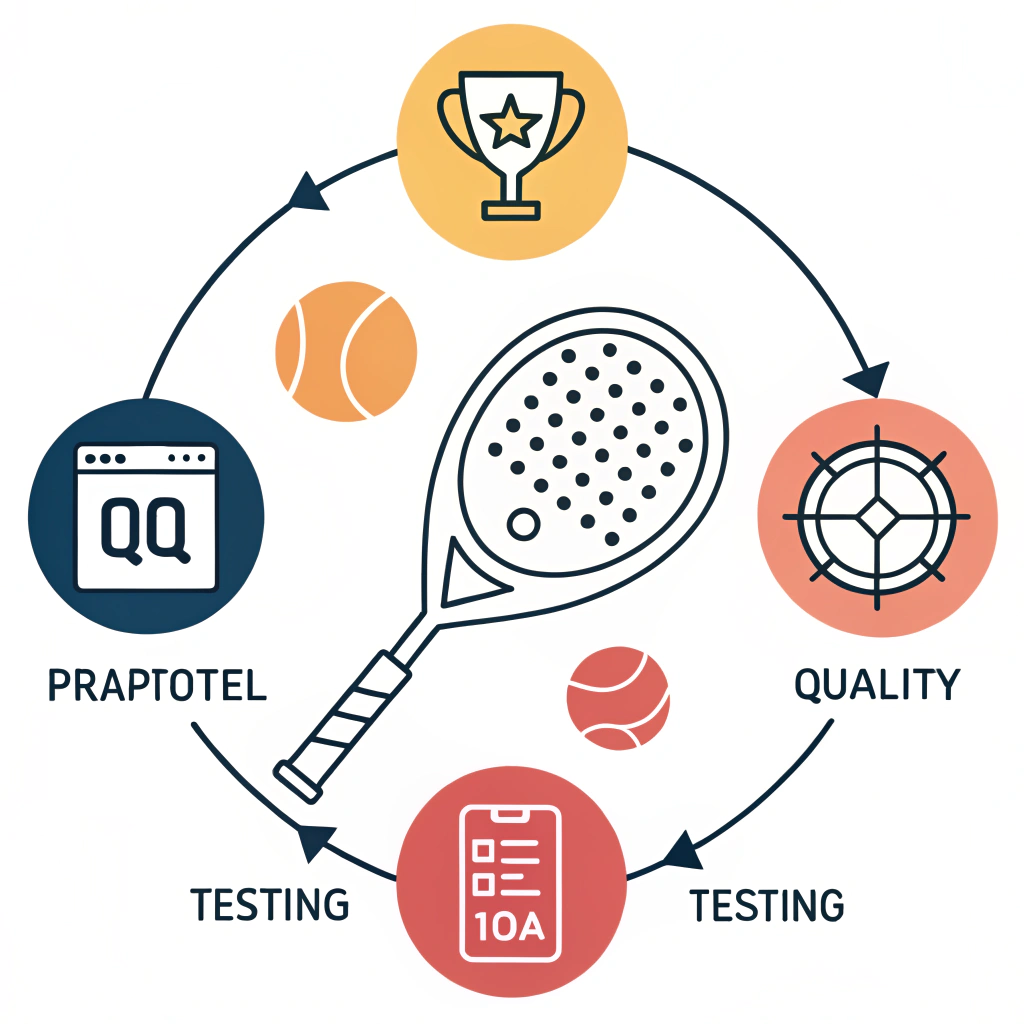
Given the detailed analysis, partnering with a reputable Chinese padel paddle factory offers numerous advantages:
- Diverse Material Options: The availability of various materials from fiber glass to high-grade carbon fibers ensures that manufacturers can cater to multiple market segments.
- Complete Customization: Complete product customization and accessory personalization allow brands to differentiate themselves, enhancing their market appeal.
- Robust Production Process: Advanced technology and rigorous quality assurance protocols guarantee a reliable supply of high-performance padel paddles.
- Efficient Production and Shipping: High production volumes combined with swift turnaround times and competitive pricing put Chinese factories at an operational advantage.
For B2B procurement managers, the decision to partner with a leading China padel paddle factory like NEX Padel should be driven by evaluating these benefits. It is essential to verify the factory’s capability in meeting quality, customization, and delivery requirements to ensure that the strategic goals align with operational execution.
- Conduct In-depth Assessments: Engage directly with potential manufacturers to review their production capabilities, quality control processes, and customization options.
- Evaluate Samples and Prototypes: Request prototypes for different paddle types and accessories to verify compliance with your specifications.
- Monitor Quality Parameters: Assess the manufacturer’s quality assurance protocols through on-site visits or third-party inspections if possible.
- Analyze Cost-effectiveness: Weigh the benefits of competitive pricing and fast lead times against the product quality and customization capabilities offered.
By carefully considering these aspects, companies can form strong partnerships that not only drive product innovation but also ensure market competitiveness in rapidly evolving sporting goods markets.
Who makes padel racquets in China?
Several manufacturers in China are known for producing high-quality padel racquets. For instance, companies like Nanjing Sparkshot Technology Co., Ltd., and leading manufacturers such as NEX Padel are recognized for their advanced production techniques and comprehensive customization options that cater to a global market.
Why is padel not popular in the USA?
The popularity of padel in the USA faces challenges primarily due to the high cost of land and competitive real estate use. Padel clubs often struggle to compete with other developments like apartments or commercial projects, and the space usage compared to more compact sports like pickleball further contributes to its limited penetration.
How much does a padel court cost in China?
The cost of constructing a padel court in China typically ranges around USD $10,400 to $12,700 in total. This estimate includes the design and production customization fees, sea freight, and installation labor costs, making it a competitive option for enterprises looking for quality and affordability.
-
advanced customization: Read the article to understand how tailoring production processes can help differentiate products in competitive markets. ↩ ↩
-
carbon fiber: Click here to learn about the different grades of carbon fiber and their impact on product performance and durability. ↩ ↩ ↩2
-
advanced automation: Explore how modern automation techniques streamline manufacturing and improve overall efficiency. ↩ ↩
-
quality control: Discover the comprehensive methods used to ensure product quality and consistency throughout production. ↩ ↩
-
CAD (Computer-Aided Design): Learn how CAD technology enables precise design and prototyping, enhancing manufacturing accuracy and innovation. ↩ ↩