Skip to content
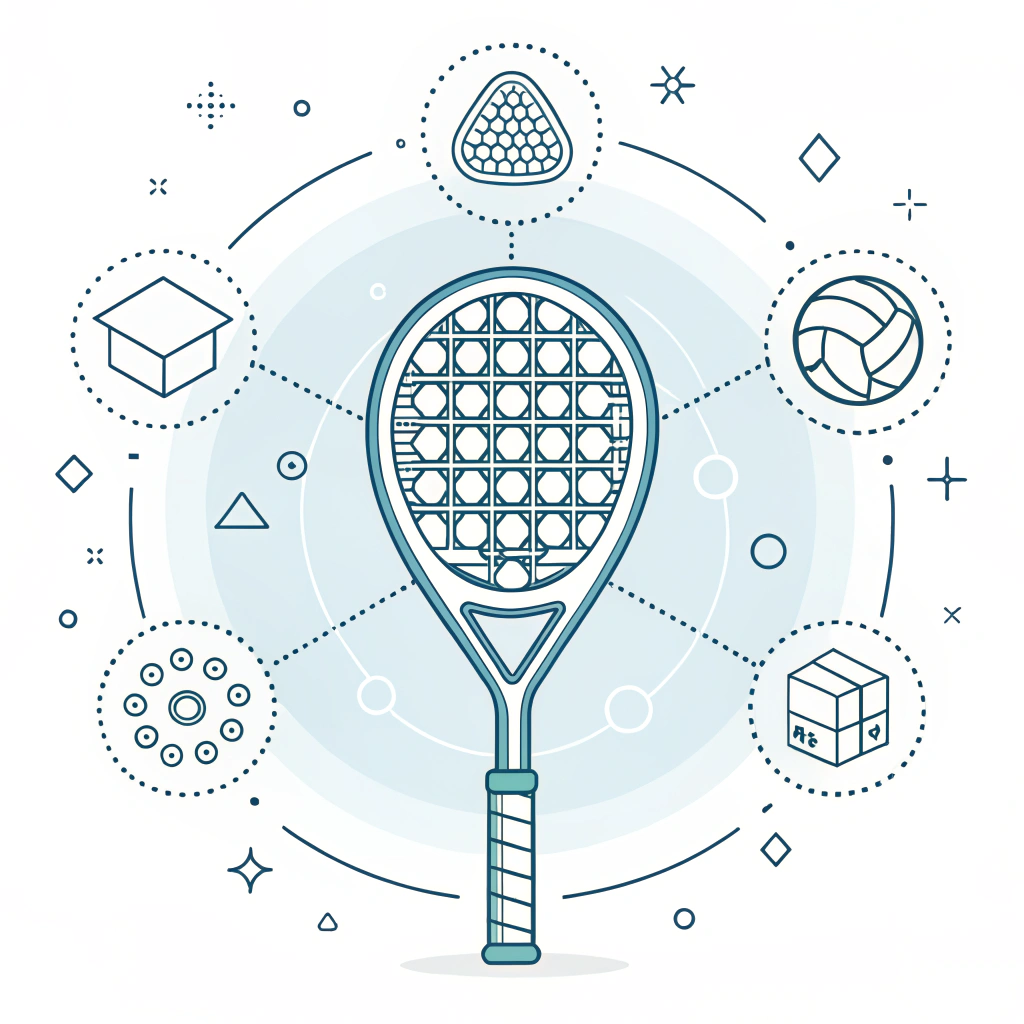
The padel market is rapidly evolving, driven by cutting-edge production technologies, changing consumer demands, and dynamic global trends that will define 2025 and beyond. In this article, we explore key market trends, innovative materials used in high-performance padel rackets, and tactical supply chain strategies1 for procurement managers2 and industry leaders.
The padel industry is experiencing robust growth, spurred by increasing global participation in the sport and growing investment in sports technology. Data shows that markets across Europe, Latin America, and Asia are expanding, which makes innovative production techniques even more critical for staying competitive.
Key Trends Include:
- Increased Consumer Demand: With broader demographics taking up padel, the need for equipment that balances performance and durability has surged.
- Technological Integration: The application of advanced materials such as carbon fiber (including 3k, 12k, and 18k variants) and glass fiber is revolutionizing racket performance.
- Customization and Personalization: Brands are looking to differentiate themselves by offering full customization—from playing surface designs to handle personalization.
- Sustainability3 and Supply Chain Efficiency: As environmental concerns rise, efficient production and ethical sourcing are key factors impacting procurement decisions.
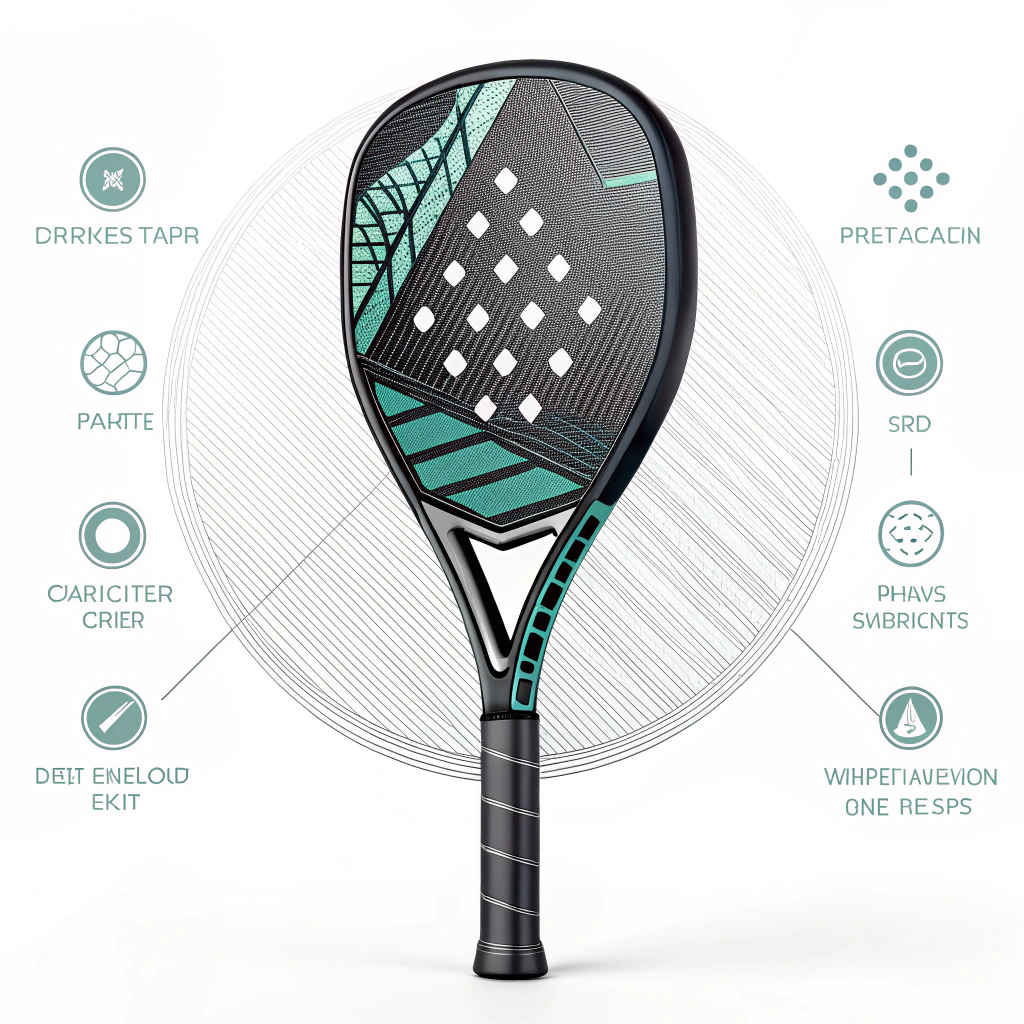
Modern padel rackets have moved beyond simple design improvements to incorporate revolutionary production technologies. Companies like NEX Padel are leveraging advanced materials and manufacturing techniques to deliver rackets that meet the high-performance demands of today's athletes.
- Carbon Fiber Innovations: The use of varying grades of carbon fiber—from 3k to 18k—allows manufacturers to fine-tune balance, strength, and flex. The choice of material directly influences racket performance: light yet powerful tools designed for both power hitters and control players.
- Glass Fiber Enhancements: Although glass fiber is often considered for entry-level or intermediate rackets, its cost-effectiveness and stability keep it relevant even as brands push higher-end performance envelopes.
The integration of these materials is complemented by precise manufacturing that controls consistency. With rapid prototyping4 and quick sampling processes, brands can iterate designs and respond to market demands faster than ever before.
The ability to offer full-scale customization is a true game-changer in the padel equipment market. High-performance manufacturers now provide bespoke design options, including:
- Racket Shapes: Options range from Diamond, Round, to Teardrop—each catering to different playing styles.
- Hand Grip & Handle Customization: Custom logos and design on hand grips and handle caps cater to brand uniqueness and player preference.
Below is a table summarizing the unique features of different padel racket shapes offered by leading manufacturers:
| Racket Shape | Characteristics | Suitable For |
|---|---|---|
| Diamond | Enhanced power, slightly reduced control | Aggressive players |
| Round | Focuses on control and maneuverability | Balanced play technique |
| Teardrop | Blends power and control with an innovative design | Versatile player styles |
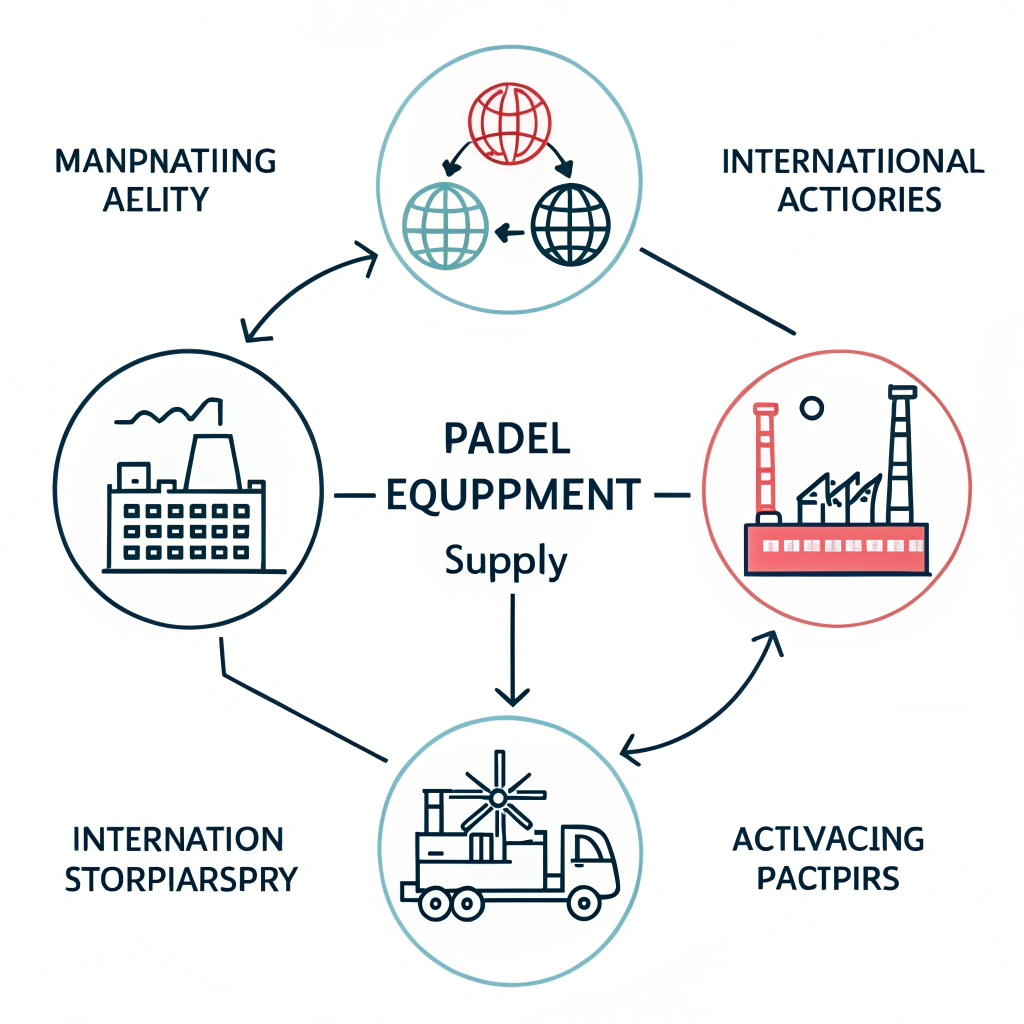
For procurement managers and decision-makers, ensuring materials meet high quality while maintaining cost efficiency is a top priority. In today’s global economy, supply chain resilience can be the decisive factor between successful market execution and missed opportunities.
- Material Sourcing: Manufacturers like NEX Padel prioritize advanced materials and ensure a strict quality control process. This ensures that every racket, whether using carbon or glass fiber, adheres to performance benchmarks.
- Production Agility: Rapid sampling, and quick turnaround times are vital. Manufacturers that adapt production schedules and are nimble enough to respond to market fluctuations are better positioned to secure and retain high-profile B2B relationships.
- Partnerships and OEM Collaborations5: Collaborations with industry leaders—such as Hirostar, Reebok, and Starvie—highlight a trend where strategic partnerships lead to enhanced market penetration and shared innovation.
By aligning procurement strategies with emerging supply chain trends, companies can ensure a seamless production process that minimizes downtime and maximizes output quality.
Sound data and market research are essential to making informed investment decisions. Industry trends indicate that the growth in padel participation and consumer diversification will drive the continued evolution of equipment. Decision-makers must focus on:
- Market Analysis: Carefully assess the padel market 2025 projections, monitor emerging consumer behavior trends, and adapt procurement strategies accordingly.
- Technology Adoption: Invest in production techniques that yield high-performance outcomes with custom design capabilities. Consider the long-term ROI of incorporating high-grade materials in production.
- Regulatory and Sustainability Considerations: With an increasing focus on sustainable practices, leveraging eco-friendly production technologies can enhance brand reputation and ensure compliance with evolving industry standards.
Consider a mid-sized sports equipment distributor that shifted its strategy by partnering with a manufacturer offering full customization and quick turnaround times. By offering custom padel rackets—tailored to the unique needs of professional players—the company gained a competitive advantage in markets where differentiation was key. The collaboration resulted in a 30% increase in order volume and strengthened market share in competitive regions.
For procurement managers and industry decision-makers looking ahead into 2025, the following recommendations can help guide investment and production strategy:
- Embrace Customization: Offer customizable product options. Leverage bespoke design features (such as unique racket shapes and personalized handles) to differentiate from competitors.
- Invest in Material Technology: Prioritize manufacturers that use advanced materials and production techniques. Focus on quality assurance to ensure consistency and performance across product lines.
- Strengthen Supply Chain Relationships: Build strong relationships with OEM partners and adopt agile production processes. This ensures timely innovation and quicker responsiveness to market changes.
- Monitor Global Trends: Stay updated on regional market growth and regulatory changes related to sustainable production practices. Data-driven insights will aid in forecasting and strategic planning.
- Enhance Quality Control Measures: Regularly evaluate production methods and materials used. Continuous quality improvements drive customer satisfaction and bolster brand reputation in a competitive marketplace.
Implementing these strategies not only enhances product performance but also positions companies to respond nimbly to future market demands. The combination of innovative production technologies, smart supply chain management, and extensive customization furthers the potential for success in the evolving padel market.
The padel market is positioned for transformative growth as it approaches 2025. With advancements in materials technology, increased customization options, and improved supply chain strategies, the industry is set to meet the diverse and evolving needs of both professional athletes and casual players.
Manufacturers like NEX Padel demonstrate that embracing innovation—whether it be through rapid prototyping, advanced production techniques, or heightened quality control—can drastically improve market competitiveness. For B2B decision-makers, understanding these trends and aligning procurement strategies accordingly is essential to driving growth and maintaining a competitive edge.
Looking forward, the adoption of these innovative trends is not just a competitive advantage but a necessary step in capturing the dynamic spirit of the global padel market. As the market evolves, so too will the technology and strategies that shape its future, making now the perfect time to invest in high-performance, customizable, and agile padel equipment solutions.
Q: What global trends are influencing the padel market for 2025?
A: Global trends include a surge in consumer demand, rapid technological advancements in materials such as carbon fiber and glass fiber, and an increase in customization, all of which are fueling the growth and innovation of padel equipment.
Q: How is technology changing the production of padel rackets?
A: Technology is revolutionizing padel racket production through the integration of advanced materials, rapid prototyping, and precise manufacturing processes. These innovations enable custom designs and higher performance levels while ensuring consistent product quality.
Q: What supply chain strategies can enhance competitiveness in the padel equipment market?
A: Key strategies include adopting agile production processes, strengthening OEM partnerships, ensuring rigorous quality control standards, and aligning material sourcing with sustainable practices to secure cost efficiency and high market responsiveness.
-
Supply Chain Strategies: Reading the article will help you understand the integration of various logistics, production, and distribution processes to enhance operational efficiency and reduce costs. ↩
-
Procurement Managers: This explanation details the key responsibilities of procurement managers in negotiating supplier contracts, ensuring quality standards, and optimizing purchasing strategies in a competitive market. ↩
-
Sustainability: Discover sustainable practices and eco-friendly production methods that not only comply with regulatory standards but also enhance brand reputation and operational efficiency. ↩
-
Rapid Prototyping: Explore how accelerated prototyping techniques can shorten the design cycle, improve product iterations, and speed up time-to-market for innovative products. ↩
-
OEM Collaborations: Learn how partnerships with Original Equipment Manufacturers (OEMs) drive innovation, improve product quality, and enhance market penetration through shared expertise and resources. ↩