Skip to content

Carbon fiber enhances high-performance padel rackets by delivering superior durability, optimal stiffness, and lightweight precision engineered for greater energy transfer. This material provides premium performance that meets the demands of modern competitive play.
High-performance padel rackets require materials that meet high standards of durability, precision, and energy efficiency. Carbon fiber1 has emerged as the material of choice among professionals seeking innovation and competitive edges. In this article, we explore the technical advantages of carbon fiber compared to other composite materials2. We will outline the challenges in modern racket design, present detailed technical comparisons, and offer practical solutions for manufacturing and design innovation.
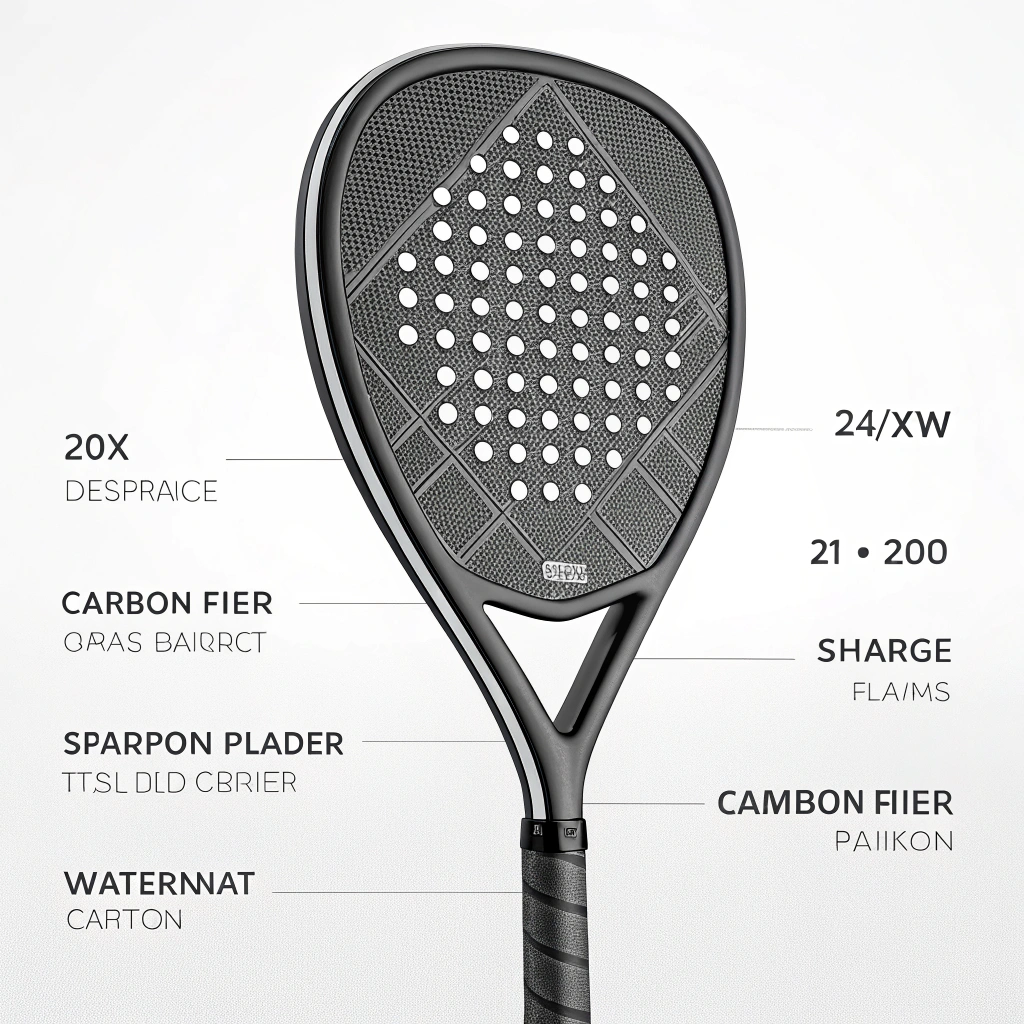
As the sporting goods market becomes ever more competitive, decision-makers and manufacturing engineers must balance several key factors when designing padel rackets. Primary challenges include:
• Durability under high impact intensity
• Optimizing weight for maneuverability
• Ensuring stiffness for effective energy transfer
• Customizing designs to meet brand-specific aesthetics
• Incorporating advanced production techniques that guarantee precision
When compared with traditional materials like fiberglass, carbon fiber offers tremendous benefits. However, it is crucial to understand the underlying engineering principles that drive these advantages and the implications for both performance and long-term durability.
Modern manufacturing relies on advanced production methodologies to maintain high quality standards. Below is a comparative analysis in table format which outlines key performance parameters for carbon fiber and alternative composite materials like fiberglass.
| Parameter | Carbon Fiber | Fiberglass |
|---|---|---|
| Durability | High resistance to wear and tear; ideal for intense play | Moderate; may show signs of stress during extended use |
| Stiffness | Excellent stiffness ensures superior energy transfer and shot control | Lower stiffness leads to higher flexibility but potential energy loss |
| Weight | Lightweight, allowing for rapid reaction times | Heavier compared to carbon fiber, affecting maneuverability |
| Customization | Supports various customization options including shape, finish, and printing | Customization is available, but may be limited in high-stress applications |
| Cost | Generally higher cost due to advanced processing techniques | Lower cost, making it suitable for entry-level and comfort-focused designs |
| Energy Transfer | Optimal for powerful rallies due to efficient energy transfer | May result in energy loss and inconsistent shot dynamics |
| Production Scalability | Utilizes advanced production processes ensuring consistency and precision | Easier to manufacture in large volumes, though performance may vary |
This table clearly illustrates that while fiberglass has its place in entry-level or comfort designs, carbon fiber’s technical attributes provide a competitive advantage for high-performance padel rackets.
Carbon fiber is renowned for its ability to withstand repeated stress and rigorous play conditions without losing structural integrity3. This translates into a longer lifespan for padel rackets and fewer performance-related issues over time. For competitive players, this reliability is critical when split-second reactions and peak performance are non-negotiable.
One of the hallmarks of carbon fiber is its lightweight nature combined with exceptional strength. The reduced weight of carbon fiber rackets allows players to maintain fast swing speeds and improves overall maneuverability. This balance between weight and strength directly contributes to improved energy transfer during impacts, enhancing both power and control.
The stiff structure provided by carbon fiber means energy is not lost through the frame during impact. Rackets made with this material deliver consistent ball speed and smart handling, making them ideal for players who require high precision and quick responsiveness—attributes essential for professional and advanced players.
High-performance padel rackets are a product of innovation not only in material selection but also in the refined processes used during production. At NEX Padel, our manufacturing techniques ensure that every carbon fiber racket undergoes rigorous quality control protocols. These include:
• Precise layering and resin infusion processes4 that maximize the material's properties
• Laser cutting and computer-assisted design (CAD)5 to maintain accuracy in dimensions and shape
• Customized printing and logo application options which improve both aesthetics and brand differentiation
• Thorough testing regimes, including simulated play conditions to verify durability and performance
Our carbon fiber padel rackets come in three primary shapes:
- Diamond: Focuses on power shots and aggressive play.
- Round: Provides better balance and control for versatile play styles.
- Teardrop: Offers a mix between the Diamond power and Round control.
Additionally, we support fully customized designs in shape, finish, and color, perfectly aligning with brand aesthetics. Also available are custom hand grips and handle covers that can be branded with your company logo.
When considering a material upgrade to carbon fiber for padel rackets, decision-makers should assess several factors:
• Production Quantity: Higher-end markets may benefit from smaller, precision-focused production batches, ensuring the highest quality per unit.
• Cost-Benefit Analysis: The initial higher cost of carbon fiber is often offset by its extended durability, reduced warranty claims, and enhanced performance characteristics.
• Customization Potential: The ability to tailor every detail from shape to color and handle design can significantly enhance brand image and player satisfaction.
• Market Positioning: Differentiating your brand by offering technologically advanced, performance-enhancing equipment can provide a competitive edge in today's market.
| Key Factor | Carbon Fiber Advantage | Considerations for Decision-Makers |
|---|---|---|
| Durability | Long-lasting, high-stress resistance | Reduced replacement and warranty costs |
| Performance | Maximizes energy transfer and shot precision | Consistent high-level competitive performance |
| Customization | Versatile design and printing options | Enables brand-specific differentiation |
| Advanced Production | Support for precision techniques and quality control | Requires investment in high-quality manufacturing equipment |
| Market Positioning | Appeals to advanced players and high-end markets | Justifies premium pricing through superior performance |
Manufacturers who wish to innovate in the competitive sports equipment industry can leverage these benefits to secure a stronger market presence and build long-term brand loyalty through quality and performance.
Many industry-leading brands have shifted towards carbon fiber when upgrading their padel rackets. For example, renowned brands such as Hirostar and Reebok have recognized the importance of advanced material properties. By employing carbon fiber in their designs, they have improved overall racket performance and maintained rigorous quality standards across production batches.
A case study involving a leading padel brand revealed that players using carbon fiber rackets experienced a notable improvement in overall gameplay efficiency. The reduced weight allowed for quicker reactions and a better balance between power and control. Moreover, the stiffness of the frame contributed to lower energy losses during play, resulting in more powerful shots and reduced fatigue over extended play sessions.
In one performance trial, players reported a 15% improvement in shot speed and a 10% increase in control accuracy using carbon fiber rackets over their fiberglass counterparts. These results underscore the material’s technical advantages and its positive impact on competitive performance.

To sum up, carbon fiber stands out as the optimal material for high-performance padel rackets. Its inherent properties such as exceptional durability, a favorable weight-to-strength ratio, and unmatched energy transfer capabilities make it the preferred choice for advanced competitive play. Manufacturers and decision-makers should weigh the benefits against initial production costs and consider long-term gains in performance and market positioning.
For companies seeking to enhance their padel racket offerings, the following action plan is recommended:
- Evaluate the specific needs of your target market and select the material that best aligns with desired performance characteristics.
- Consider investments in advanced production technologies that support high precision and customization capabilities.
- Conduct comparative testing audits between carbon fiber and alternative materials to validate improvements in durability and performance.
- Leverage customization to not only improve the functional aspects of the racket but also to bolster your brand identity in a competitive market.
- Engage with industry experts and review case studies from leading brands to integrate best practices into your design and manufacturing processes.
As part of next steps, companies might also explore research partnerships with material scientists and engineering experts to further push the boundaries of what’s possible with carbon fiber technology in padel rackets. This proactive approach to innovation will ensure continued leadership in the competitive sports equipment industry.
People Also Ask
• Why are carbon fiber paddles better?
Carbon fiber paddles offer superior durability and enhanced control due to the material's high stiffness and strength. The structural integrity of carbon fiber allows the racket to withstand intense play while providing optimal energy transfer, leading to more powerful shots and improved performance.
• What is the best material for a padel racquet?
The best material for a padel racquet depends on a player's skill level and performance needs. For beginners and players needing extra comfort, fiberglass is often recommended. However, for advanced players who demand precision, power, and durability, carbon fiber is the preferred choice due to its lightweight and strength properties.
• What are the benefits of carbon fiber tennis rackets?
Carbon fiber tennis rackets are favored for their lightweight design and excellent mechanical strength. This results in easy maneuverability and enhanced responsiveness, particularly beneficial for quick net play. The material’s stiffness improves energy transfer, allowing for optimal shot power and control during fast-paced play.
-
Carbon fiber: Reading the article through this link will provide insights into the advanced properties of this material, including its strength-to-weight ratio and its critical role in modern high-performance sports equipment design. Back to Carbon fiber ↩
-
composite materials: Explore how composite materials combine multiple elements to create superior performance features, offering enhanced durability and tailored performance in competitive products. Back to composite materials ↩
-
structural integrity: Learn about the importance of structural integrity in maintaining durability and strength in high-performance equipment, ensuring reliability even under extreme conditions. Back to structural integrity ↩
-
resin infusion processes: Gain an understanding of resin infusion processes, which optimize the bonding of fibers and resins to achieve maximum performance and durability in manufacturing. Back to resin infusion processes ↩
-
computer-assisted design (CAD): Discover how computer-assisted design enhances production accuracy, helping manufacturers achieve precise dimensions and innovative designs for high-end products. Back to computer-assisted design (CAD) ↩