Skip to content

When importing padel rackets, success depends on choosing the best materials, ensuring trade compliance1, managing logistics2, and implementing strict quality control measures. In this article, we examine the common pitfalls in importing padel rackets and provide actionable solutions to help procurement managers avoid costly mistakes and streamline their sourcing process.
Importing padel rackets comes with multiple challenges. These challenges span from selecting the correct material for the target player demographics, managing the international sourcing process, to navigating complex tariff regulations3 and customs clearance procedures. Procurement specialists often face issues such as:
- Inadequate quality control measures that lead to inconsistent production standards.
- Misinterpretation of customs tariff codes and trade compliance regulations.
- Insufficient documentation and logistical delays.
- Poor communication between manufacturers and importers, resulting in errors in specifications or delayed shipments.
Understanding these pitfalls is the first step in mitigating potential risks and ensuring that the import process is smooth and cost-effective.
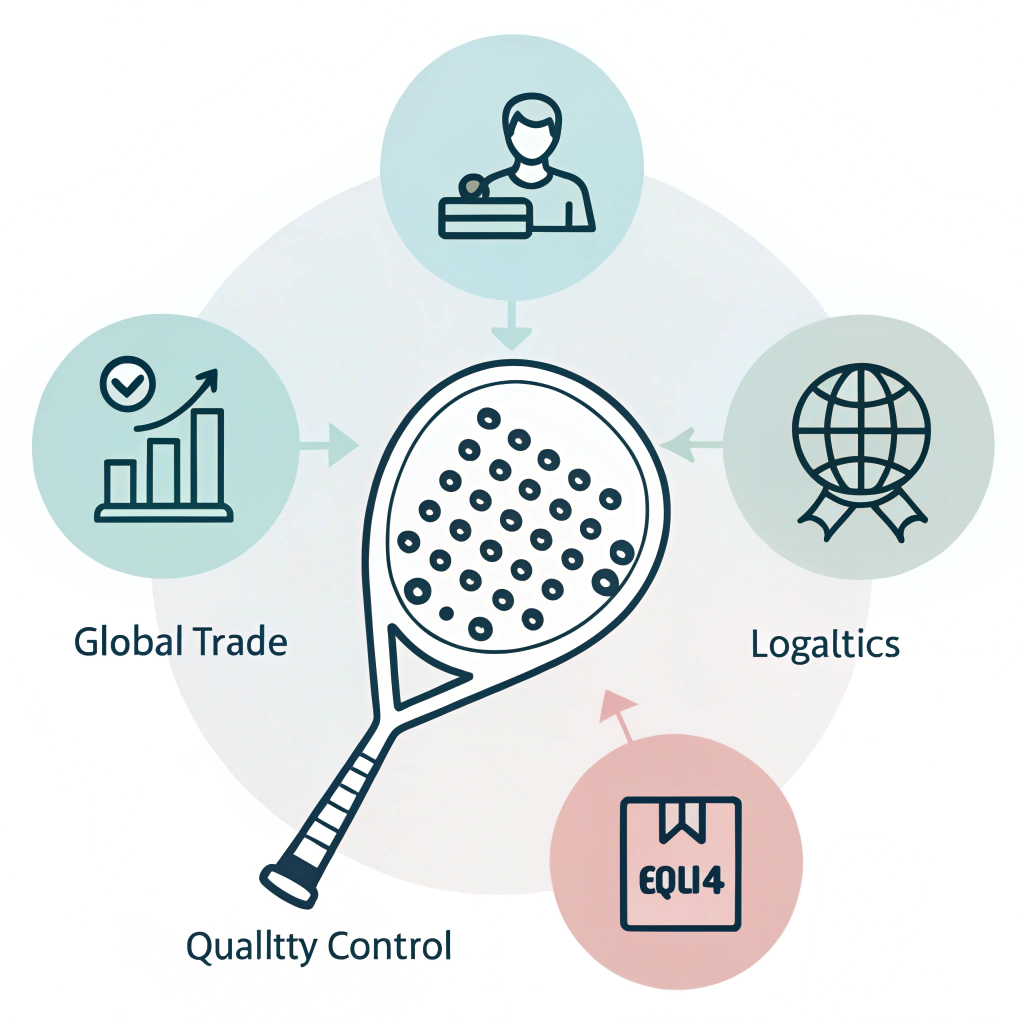
Delving deeper into the causes of these challenges, we identify several key factors:
-
Material Selection and Production Quality:
Padel rackets are manufactured using a range of materials from fiberglass to advanced carbon fibers4 such as 3k, 12k, and 18k. The choice of material not only affects playing performance but also the durability and comfort. Manufacturers sometimes compromise on quality in a bid to reduce costs, impacting the racket's lifespan and performance. -
Trade Compliance and Regulatory Misinterpretations:
International trade regulations require accurate classification of products. Mistakes in using tariff codes such as the commodity code5 for padel rackets (for example, using code 95065900000) can lead to customs issues and unexpected tariffs, creating delays and additional expenses. -
Logistical and Documentation Challenges:
Coordinating timely production, shipment, and delivery while managing import documentation requires robust supply chain management. Errors or omissions in shipping documents, customs filings, or compliance certificates can result in shipment delays or penalties. -
Communication Gaps and Production Errors:
Working with overseas manufacturers demands clear communication channels. Misunderstandings related to product specifications, custom designs (like diamond, round, or teardrop shapes), or logo and color customization for hand grips can result in products that do not meet buyer expectations.
Addressing the major challenges requires a systematic approach. Below is a detailed solutions list in table format, focusing on key areas of concern:
| Common Pitfall | Root Cause | Mitigation Strategy |
|---|---|---|
| Material Quality and Consistency | Use of substandard materials by cost-cutting suppliers | Set strict quality standards, request material certifications (e.g., carbon fiber grades), and require production samples. |
| Classification & Tariff Errors | Misclassification of commodity codes | Collaborate with trade compliance experts; double-check tariff codes like 95065900000. |
| Documentation & Customs Delays | Incomplete or inaccurate import documents | Develop a checklist for import documentation; work with experienced customs brokers. |
| Logistics and Supply Chain Risks | Poor coordination between shipping and production | Use integrated logistics management tools and establish clear communication protocols with suppliers. |
| Communication and Customization Issues | Language and technical barriers | Establish a clear specification sheet; schedule regular video conferences; use third-party quality audits. |
This table serves as a quick-reference guide, ensuring every potential pitfall is matched with a practical solution.
The material used in padel rackets is arguably the single most important factor that determines both the performance and lifespan of the product. For instance, advanced carbon fibers4 such as 3k, 12k, and 18k offer different strengths:
- 3k carbon fiber tends to be more flexible and can be ideal for players looking for control.
- 12k and 18k carbon fibers provide increased rigidity and power but may result in a heavier racket.
Our experience shows that balancing cost with performance is critical. Manufacturers, like NEX Padel, use advanced production techniques to achieve high precision and durability in every product. In addition, it's crucial for procurement managers to specify the intended player type (beginner, intermediate, or advanced) so that the manufacturer can align production with user requirements.
Trade compliance is a multifaceted process involving tariff regulations, correct product classification, and adhering to international standards. Missteps here can lead to dire consequences such as customs delays or fines. It is essential to:
- Verify the commodity code (for example, padel racket commodity code 95065900000) and stay updated with regulatory changes in both the export and import countries.
- Employ trade compliance experts who can review shipping documents and import declarations.
- Regularly update a compliance checklist to avoid missed documentation or incorrect product classification.
Efficient logistics and document management are the backbone of successful international import operations. A few best practices include:
- Advanced Planning: Coordinate production timelines with shipment schedules. This is especially pertinent when dealing with products that may require custom printing or particular specifications.
- Documentation: Standardize the import documentation process. Create a checklist that includes purchase orders, material certifications, customs declarations, and inspection reports.
- Technology Use: Implement logistics management software that integrates with manufacturing systems. This ensures real-time tracking of production progress, transit periods, and potential delays.
- Risk Management: Develop a contingency plan that addresses delays, quality discrepancies, or regulatory updates. This could include having backup manufacturers or expedited customs clearance contacts.

Strong communication channels between the procurement team and manufacturers are paramount. Establishing a detailed specification document that outlines material grades, design specifications (e.g., diamond, round, and teardrop shapes), customization options, and branding requirements is crucial.
- Regular Updates: Schedule periodic meetings (via video calls if necessary) to discuss production progress, address issues as they arise, and validate production samples.
- Third-Party Quality Audits: Engage third-party inspectors to review production quality and adherence to standards. These audits should confirm that the final product matches initial specifications.
- Feedback Loop: Incorporate customer feedback and performance data (like product lifespan, which typically declines after 100-150 games depending on use frequency) into ongoing production improvements. This not only ensures quality but also enhances the longevity and performance of the racket.
A proactive quality control system minimizes the risk of post-import product failures and builds a reliable supply chain relationship.
When managing international sourcing:
- Cost Transparency: Ensure that the quoted prices reflect all costs, including raw materials, labor, shipping, and customs duties. Avoid hidden charges by signing detailed contracts that specify all aspects of the sale.
- Supplier Verification: Rely on verified manufacturers with a track record of timely delivery and consistent quality. NEX Padel, for example, has established partnerships with industry leaders such as Hirostar, Reebok, and Starvie, ensuring both prestige and performance in product quality.
- Customization Capabilities: Ensure that the supplier can meet a broad range of customization requests, from altering the padel racket shape to custom printing on hand grips or handles. The ability to support full customization is a significant advantage in highly competitive markets.
Consider a scenario where a sports equipment distributor experienced shipment delays and quality mismatches during their initial padel racket import. After evaluating the issues, they identified the following points:
- The use of ambiguous communication in specifications resulted in inconsistent quality.
- Inadequate verification of documentation led to customs clearance delays.
- The absence of a thorough quality control process allowed substandard materials to go unnoticed.
By implementing the strategies discussed—adopting a standardized communication protocol, enforcing a rigorous documentation checklist, and scheduling regular quality audits—the distributor was eventually able to rectify the issues. They successfully imported a new batch of high-quality padel rackets that met customer expectations while reducing lead times.
This case reinforces the importance of integrating robust trade compliance, quality control, and holistic supply chain management in the import process.
Successful importation of padel rackets hinges on attention to detail across every stage of the process. Here are key steps that procurement managers should follow:
-
Define Material Requirements:
Clearly specify the desired material (fiberglass vs. carbon fiber grades) based on the targeted player profile. This ensures consistency in production quality and performance. -
Enhance Trade Compliance:
Verify all critical trade documentation and tariff codes. Regularly update compliance checklists and work with experts to avoid regulatory pitfalls. -
Streamline Logistics:
Utilize integrated logistics software to track shipments, plan production schedules, and ensure timely customs clearance. Document every step meticulously. -
Strengthen Communication and Quality Assurance:
Develop a detailed specification sheet for manufacturers, and incorporate third-party audits to maintain high-quality production standards. -
Develop Contingency Plans:
Anticipate potential challenges in logistics, document verification, and production quality, and set up backup strategies to ensure a smooth supply chain.
Following these practices can transform common pitfalls into opportunities for building a resilient and efficient import process.
In summary, importing padel rackets requires a comprehensive approach that addresses material quality, trade compliance, logistics, and continuous quality improvements. By understanding the root causes of common mistakes and implementing the mitigation strategies outlined in this article, procurement managers can ensure a smoother, cost-effective import process. Acting on these insights not only minimizes the risk of delays or regulatory issues but also builds long-term supplier relationships that can contribute to sustained business growth.
Future procurement decisions should be underpinned by robust due diligence, thorough documentation, and active communication with trusted manufacturers. As international trade continues to evolve, regularly reviewing and adapting these strategies will be key to maintaining a competitive edge.
-
What is the best material for a padel racquet?
For players, the choice of material often depends on performance needs. Beginners and those who value comfort typically benefit from fiberglass due to its lightweight and forgiving nature, while intermediate and advanced players may prefer carbon fiber for added rigidity and power. -
What is the commodity code for padel racket?
The commonly used commodity code for padel rackets is 95065900000, which helps with proper classification and trade compliance in global markets. -
What is the life span of a padel racket?
On average, a padel racket’s performance begins to decline after approximately 100-150 games. However, this lifespan can vary based on frequency of use and playing conditions, with daily players often encountering wear within 4-6 months.
-
Trade Compliance: Click to learn more about the processes and regulations ensuring that international trade operations meet legal standards and avoid compliance pitfalls. Back to trade compliance ↩
-
Logistics: Click to delve into logistics management strategies, software solutions, and best practices to ensure timely and efficient supply chain operations. Back to logistics ↩
-
Tariff Regulations: Click to explore detailed information on tariff regulations that affect international trade, including classification standards and recent regulatory updates. Back to tariff regulations ↩
-
Advanced Carbon Fibers: Click to get insights into advanced carbon fibers, including their properties, production techniques, and why different grades (3k, 12k, 18k) matter in manufacturing. Back to advanced carbon fibers ↩ ↩2
-
Commodity Code: Click to understand how commodity codes are determined and used in trade, and how accurate classification can prevent unnecessary delays and costs. Back to commodity code ↩