Skip to content
High-performance padel rackets deliver optimal balance, quality materials, stability, and extensive customization potential for tournament-level play. In essence, the right combination of carbon fiber1 materials, precise design, and customization features can translate into enhanced performance for professionals.
For professional padel players, club managers, and dedicated coaches, the selection of a padel racket is not just about picking a tool—it is about obtaining a performance instrument that matches their playing style and elevates their gameplay. The market today is flooded with options, each claiming to offer superior performance through advanced materials and innovative design features. With components ranging from glass fiber to various grades of carbon fiber (3K, 12K, 18K), and with shape options like Diamond Shape2, Round, and Teardrop, the decision can become overwhelming.
This article provides an in-depth comparison of technical specifications, design considerations, and customization possibilities to help you make an informed procurement decision.
One of the most significant factors in racket performance is the choice of carbon fiber. Padel rackets commonly use three main grades of carbon fiber:
- 3K Carbon Fiber3: Offers a good balance of durability and flexibility. It is ideal for players who need a forgiving feel and larger sweet spots.
- 12K Carbon Fiber: Provides enhanced precision and structural rigidity while preserving enough flexibility for responsive play.
- 18K Carbon Fiber: Known for its high stiffness and superior impact resistance, making it suitable for advanced players who demand aggressive shots and high control.
These materials directly affect the racket’s weight, balance, and overall performance. Players must balance the need for power, control, and maneuverability when choosing between these options.
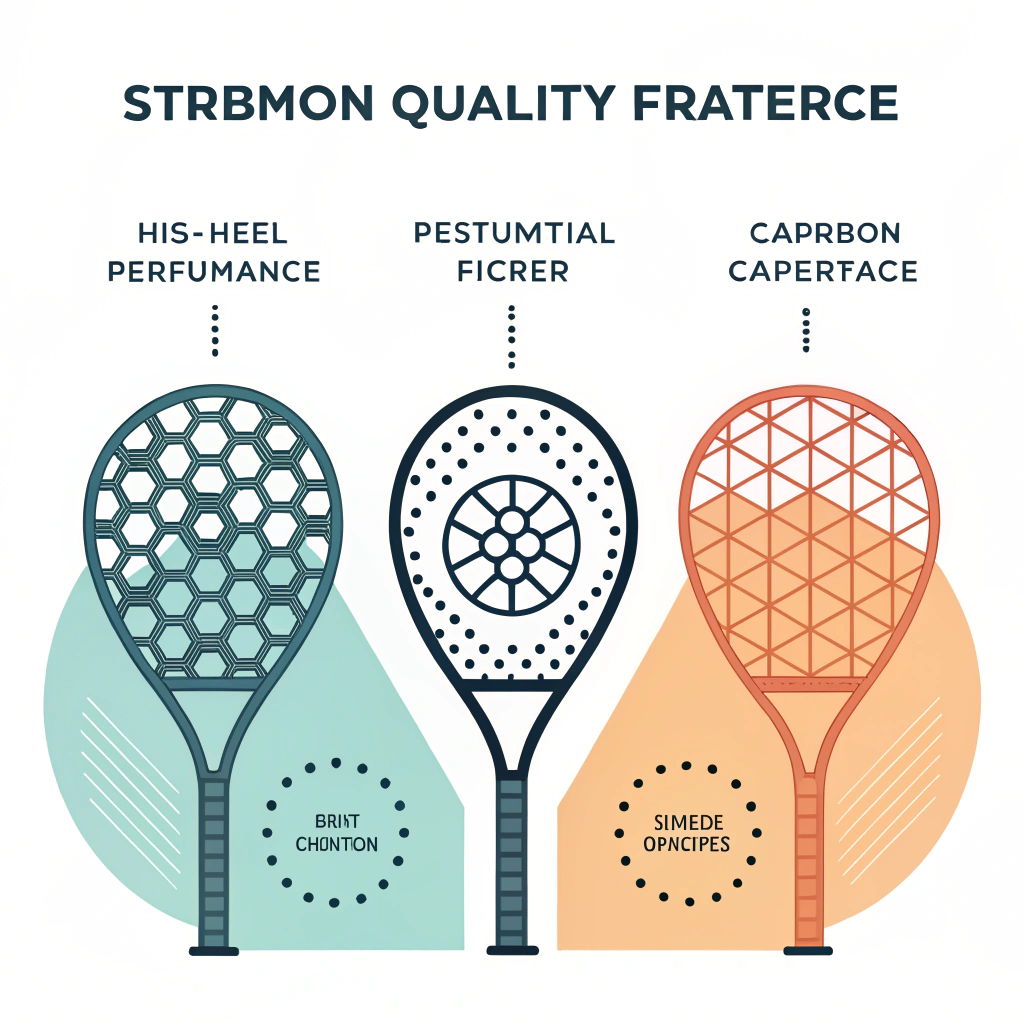
The shape of a padel racket influences its sweet spot, weight distribution, and how energy is transferred during play. Here’s how the three primary shapes compare:
- Diamond Shape2: Tends to emphasize power with a forward center of mass but often has a smaller sweet spot, making precision essential for optimal use.
- Round Shape: Usually offers a larger sweet spot and a balanced weight distribution, favoring control and ease of maneuverability.
- Teardrop Shape: Strikes a balance between control and power, often combining the benefits of both round and diamond shapes.
The ability to customize these shapes is a key feature for high-performance rackets. Manufacturers like NEX Padel not only offer these shapes but also allow for customization on printing, colors, and even additional components such as hand grips and handle covers. These personalized options enable players to align their racket’s behavior with their unique playing style.
Below is a comparison table summarizing the differences among the shapes:
| Feature | Diamond | Round | Teardrop |
|---|---|---|---|
| Sweet Spot Size | Smaller – precision required | Larger – more forgiving | Intermediate |
| Center of Mass | Forward – favors power | Centered – enhances control | Slightly forward – balance of power and control |
| Maneuverability | Moderate | High – easy to handle | Good – balanced performance |
| Customization Potential | High – for elite performance | High – for versatility | High – for blended play styles |
Beyond the raw materials and shape, the racket’s balance and design details play key roles in performance. Key aspects include:
- Weight Distribution: A well-balanced racket ensures that the swing is natural and that the player can execute both power shots and delicate touch plays seamlessly. A forward-biased balance (often seen in diamond-shaped rackets) increases shot power but requires the player to be precise.
- Handle & Grip Design: The handle length, shape, and even customizable elements like logos on the hand grip affect comfort and control. Given that fatigue and discomfort can impact performance, investing in a design that fits perfectly in the player’s hand is crucial.
- Impact of Materials: The combination of selected carbon fiber grade and other composite materials directly influences vibration damping and energy transfer. High-grade carbon options (12K and 18K) are particularly effective in reducing energy loss upon ball impact, ensuring consistency and durability even under high-level play conditions.
These technical aspects are measured against the backdrop of real-world performance and durability. Every nuance, from the racket balance to the material stitching, is critically evaluated in a professional setting.
At NEX Padel, precision and durability are not mere claims—they are engineered into every padel racket. Our advanced production techniques focus on:
- Precision Molding4: Ensuring every layer of carbon fiber is aligned for maximum strength and minimal energy loss.
- Quality Control: Thorough inspection processes guarantee that the final product meets high-performance standards, ideal for tournament-level play.
-
- Rapid Prototyping5 and Production: Our ability to quickly produce prototypes and deliver orders in a timely manner is one of our core strengths, ensuring that even high-volume orders are met with efficiency without sacrificing quality.
NEX Padel’s commitment to quality and precision makes our rackets a trusted choice for the demands of modern padel tournaments.
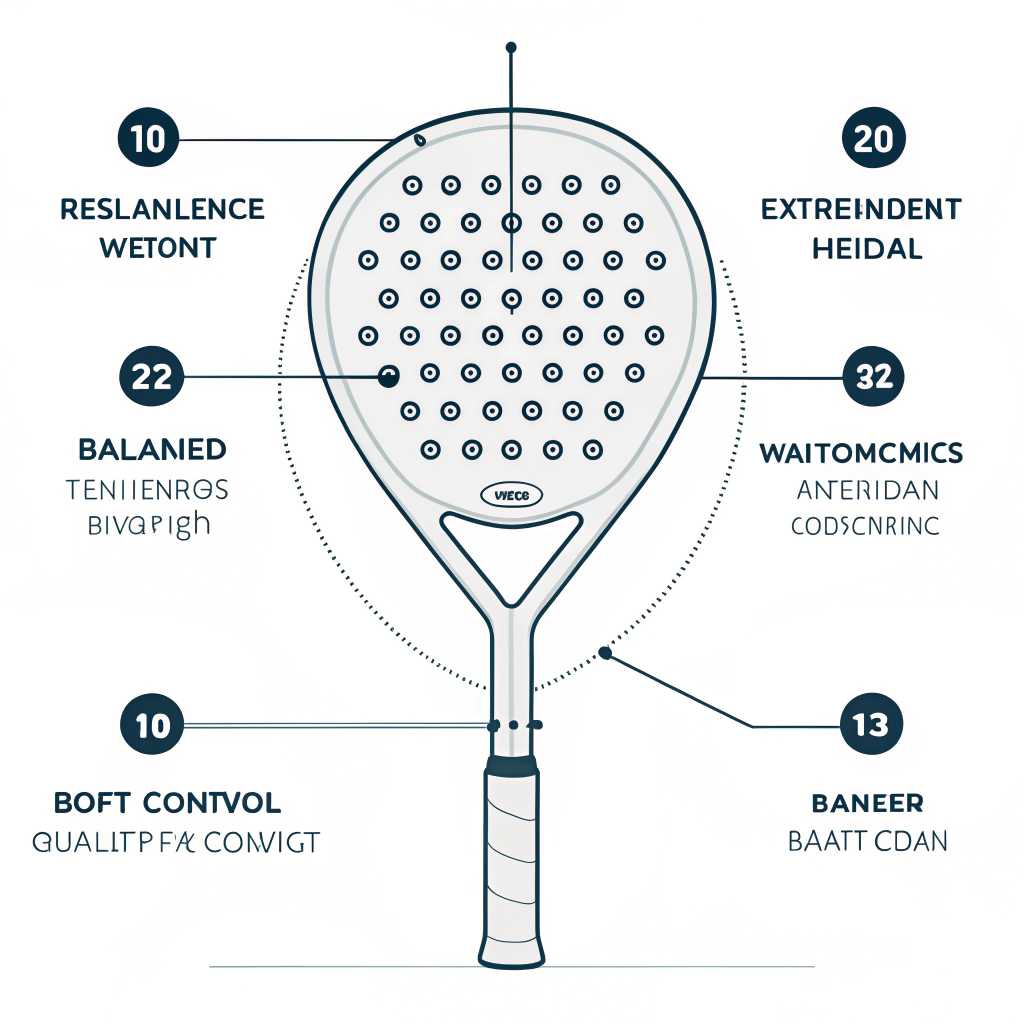
When evaluating a padel racket, several core attributes must be considered side by side. Below is a detailed comparison framework that can assist in making an informed decision:
| Attribute | What to Consider | Impact on Play | Recommendations for Tournament-Level Play |
|---|---|---|---|
| Carbon Fiber Type | 3K for flexibility, 12K for balance, 18K for stiffness | Changes racket stiffness and vibration control | Advanced players may prefer 12K or 18K for precision |
| Shape | Round for control, Diamond for power, Teardrop for balance | Affects sweet spot and weight distribution | Choose based on skill level and playing style |
| Weight and Balance | Distribution between head and handle | Influences swing speed and maneuverability | A well-balanced design is crucial for dynamic play |
| Customization Options | Ability to alter printing, grip, and handle design | Enhances personal comfort and brand identity | Customized elements support branding and player confidence |
| Durability & Production Quality | Advanced molding and quality assurance procedures | Ensures long-term performance and safety | High production standards are essential for tournament use |
In making a selection, consider not only your current playing style but also what improvements you aim for in your competitive performance. For professionals where every millisecond counts and shot precision is paramount, even minor differences in balance and material quality can make significant impacts.
When selecting a padel racket, ask yourself the following questions:
-
What is my primary playing style?
- If you are an aggressive player who favors powerful shots, a diamond-shaped racket with a forward weight bias might be the best option. However, this shape often requires higher precision due to a smaller sweet spot.
-
How important is maneuverability versus power?
- Round-shaped rackets typically provide better maneuverability, making them ideal for players who value control and ease of handling. Teardrop shapes can offer a balanced alternative for those who need both power and control.
-
How critical is customization to my club or brand image?
- Customization extends beyond aesthetics—it influences grip comfort, weight distribution, and even the psychological connection a player has with their equipment. A tailored racket that aligns with your club’s branding or your personal identity can provide an extra edge on the court.
By carefully reviewing these aspects, club managers and coaches can better guide their athletes toward selecting equipment that not only meets today's performance needs but also adapts to future advancements in the sport.
In summary, when evaluating high-performance padel rackets, consider the following aspects meticulously:
- The type of carbon fiber used and its impact on the racket’s stiffness, vibration control, and durability.
- The overall shape of the racket, which dictates the sweet spot, balance, and nature of hit responses.
- Customization options that allow you to tailor components like the handle, grip, and graphics to match your specific performance and branding requirements.
- Advanced production and quality assurance measures, which guarantee that each racket meets the high standards necessary for competitive play.
NEX Padel stands out as a leader in this market by ensuring that every racket released combines cutting-edge technology with the flexibility of custom design. By focusing on quality, precision, and timely delivery, we provide our partners and customers with the best solutions for top-tier padel performance.
For those in the professional padel community—whether you are a competitive player, a club manager, or a coach embarking on equipment procurement—our detailed comparison and insights should provide a robust framework for your decision-making process.
We encourage you to review your technical needs, consult with our experts, and consider a trial run of our high-performance solutions. Reach out to our team at NEX Padel for a personalized demonstration or further technical consultation to ensure that your next padel racket is the perfect match for your game.
Q: Do expensive padel rackets make a difference?
A: More expensive padel rackets are usually engineered with high-grade materials and more precise specifications; however, for beginners and intermediate players, the advantages may be less noticeable. Advanced players often benefit from the enhanced control and power that come with a more expensive racket, although the smaller sweet spot can require greater precision.
Q: What to consider when buying a padel racket?
A: Key factors include the racket’s shape, weight, balance, handle size, and the materials used. Shape influences the sweet spot and power/control balance, while weight and balance affect maneuverability. Additionally, customization options can enhance comfort, aesthetics, and performance to match your playstyle.
Q: What is LeBron's padel racket?
A: LeBron’s padel racket refers to a product that emerged from a specific collaboration, reflecting personal branding. It is not representative of the technical comparisons discussed here and is generally positioned as a lifestyle or endorsement product rather than one with technical performance benchmarks relevant to competitive padel play.
-
carbon fiber: Read the article to understand how carbon fiber enhances racket performance through its lightweight strength and durability, critical for high-level competitive play. ↩ ↩
-
Diamond Shape: Read the article to explore how the diamond shape can boost power but requires precision due to its smaller sweet spot, influencing overall performance. ↩ ↩ ↩2
-
3K Carbon Fiber: Read the article to learn about 3K Carbon Fiber, which offers a balance between durability and flexibility, ideal for players seeking a forgiving feel. ↩ ↩
-
Precision Molding: Read the article to understand the precision molding process that aligns carbon fiber layers for optimal strength and minimal energy loss in high-performance rackets. ↩ ↩
-
Rapid Prototyping: Read the article to know how rapid prototyping accelerates production timelines while ensuring quality standards, crucial for meeting tournament-level demands. ↩ ↩