Skip to content
Quick Answer: Different padel racket shapes—Diamond, Round, and Teardrop—offer unique performance benefits that can influence power, control, and even player comfort. In this article, we offer a detailed comparison, backed by technical insights and real-world application examples, to help sports equipment buyers make informed decisions in their B2B procurement.
Padel rackets have become an essential part of competitive play, with shape and design playing a critical role in performance outcomes. For sports equipment buyers and distributors, especially within renowned padel clubs and retail chains, understanding the variances in design among Diamond, Round, and Teardrop racket shapes is key to meeting market demands. This comparison focuses on technical specifications, manufacturing insights, and performance data to empower you in making the best procurement choices.
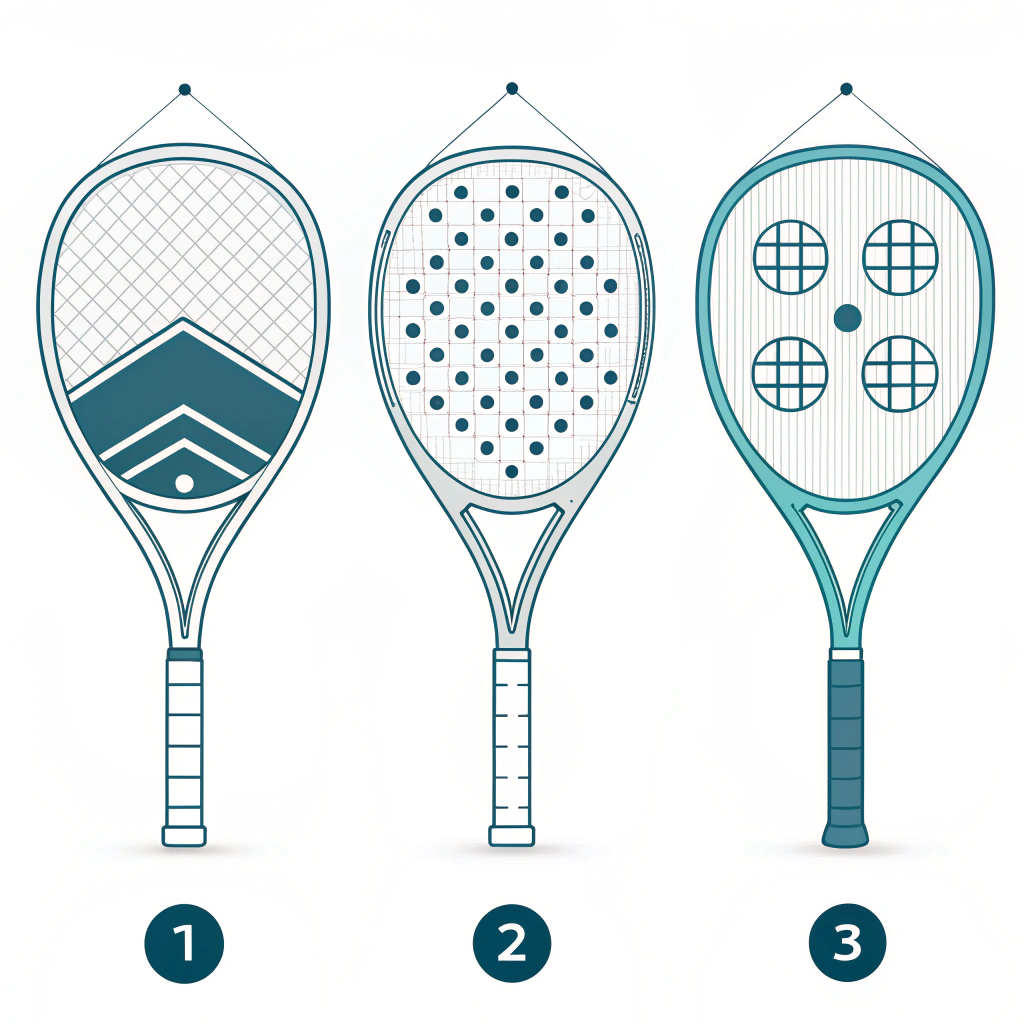
When evaluating padel rackets, the shape is not just a design preference—it has a substantial impact on gameplay attributes:
- Power vs. Control: Different shapes distribute mass differently and affect the moment of inertia1, impacting how the racket can generate power or offer control.
- Player Style and Market Trends: Some shapes cater more to power players while others support a controlled, defensive style. Market data suggests that an increasing number of players are leaning toward customizable designs that promise performance consistency.
- **Production and Customization2 Advantages: As a leading manufacturer, NEX Padel ensures that every racket produced, whether made from fiberglass or advanced carbon fiber3 materials (3k, 12k, 18k), undergoes precise production techniques ensuring durability and performance.
Understanding these factors helps equipment buyers source products that align with both market expectations and the specific needs of players.
Before we dive deeper, let’s briefly define the three most popular padel racket shapes:
-
Diamond Shape:
Designed with a pointed top, the Diamond shape tends to shift the balance point higher. This design typically promotes a power-oriented game. However, the trade-off may sometimes be less control compared to other shapes. The concentrated weight facilitates heavy, smashing shots, making it suitable for advanced players looking for an aggressive play style. -
Round Shape:
As a classic design that has stood the test of time, the Round shape features a more evenly distributed mass. This structure enhances control. It offers a forgiving center of gravity which aids in consistent ball placement. For beginners or intermediate players, this design maximizes maneuverability and minimizes the risk of off-target hits. -
Teardrop Shape:
Combining aspects of the Diamond and Round shapes, the Teardrop design delivers a blend of power and control. Its tapered edge not only enhances swing speed but also provides a comfortable grip for sustained play. This shape is gaining popularity among players who want a versatile racket that adapts to various playing situations.
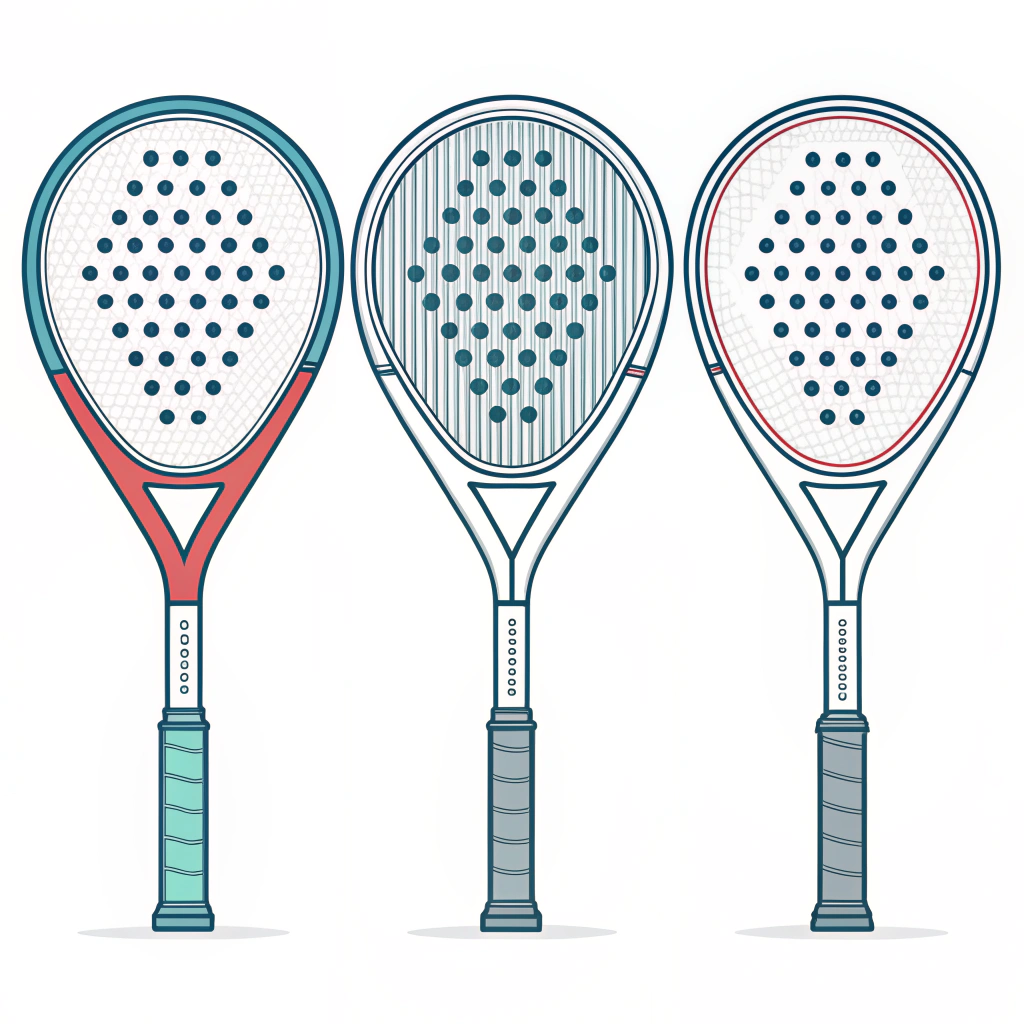
To better inform your purchase decisions, here is a detailed table that compares critical technical specifications of the three padel racket shapes. Each parameter has been evaluated to highlight key attributes relating to power, control, manufacturing cost, and customization capability.
| Feature / Shape | Diamond Shape | Round Shape | Teardrop Shape |
|---|---|---|---|
| Balance Point4 | Higher, tends toward power-oriented play | Central, emphasizes control | Mid-high, offering balanced power and control |
| Moment of Inertia | Lower, improves swing speed | Higher, improves maneuverability | Moderate, caters to versatile play |
| Materials Usage | Often leverages advanced carbon fiber composites for rigidity | Frequently uses fiberglass with carbon mix | Utilizes a blend of materials ensuring both durability and flexibility |
| Design Complexity | Customization may require more precision during production | Simpler design can be more cost-effective | Requires balanced techniques to maintain dual performance attributes |
| Target Player Type | Aggressive, power-focused players | Beginners to intermediate players | Versatile players seeking both aggressive and controlled gameplay |
| Customization Options | High – including custom prints and logo placements on hand grips and frames | Moderate – standard customization with color and grip alterations | High – ideal for clients requiring a mix of advanced performance features |
| Factory Production Efficiency5 | Fast turnaround with advanced techniques but may require specialized handling | Streamlined production due to simpler design | Requires careful calibration, aligning efficiency with versatility |
This table not only serves as an at-a-glance reference for comparisons but also aligns with the technical and performance criteria crucial for B2B buyers.
At NEX Padel, our manufacturing process is driven by advanced production techniques ensuring the highest performance standards. Here’s how we optimize each shape:
-
Advanced Material Integration:
Our use of different grades of carbon fiber (3k, 12k, 18k) and fiberglass allows customization of rigidity and flexibility. For instance, Diamond rackets benefit from a higher carbon content to provide increased power generation while maintaining structural integrity. -
Precision in Production:
Through state-of-the-art machinery and skilled craftsmanship, we guarantee that each racket meets stringent technical specifications. The precise balance achieved in our Diamond, Round, and Teardrop shapes is a testament to our commitment to quality and durability. -
Customization Capabilities:
Beyond mere shape, we offer fully customizable options such as personalized printing, custom colors, and logo placements on both the frame and hand grip components. This flexibility allows our B2B partners like Hirostar, Reebok, and Starvie to differentiate their brands in a competitive market. -
Fast Lead Times and Quality Assurance:
Our production timeline is designed for speed without compromising quality. Whether you require a bulk order of Round shapes or a custom batch of Teardrop rackets, our production system is built for rapid and reliable delivery.

When making a purchase decision, consider the following real-world questions:
-
What is your customer base looking for—maximum control, overwhelming power, or a balanced approach?
- Diamond shapes are ideal for buyers targeting high-performance, power-centric players.
- Round shapes cater better to players prioritizing control and consistency.
- Teardrop shapes present a versatile option perfect for markets demanding hybrid characteristics.
-
How important is the aspect of customization?
- In competitive markets, the ability to customize racket designs, including personalized prints and grip modifications, adds significant value. Buyers should assess which shape aligns best with their brand identity and customer needs.
-
Where does price and production efficiency come into play?
- A simpler design like the Round shape might offer cost benefits due to streamlined production, whereas the Diamond and Teardrop shapes might require more advanced processes yet add premium value. Evaluating the cost-performance ratio is essential in deciding which shape to procure in bulk.
-
How do technical specifications align with player performance?
- Data and performance reviews consistently indicate that the right balance between power and control can significantly improve a player’s experience. Understanding the moment of inertia and balance point helps buyers to select a shape that enhances player abilities under various playing conditions.
By carefully considering these practical aspects along with our comprehensive table, B2B buyers can confidently align their purchases with market demand. Rigorous testing and controlled production environments further ensure that each supply batch meets industry standards and performance expectations.
Consider a leading padel retailer who needed a diversified product line to cover various player segments. They opted to stock a mix of all three shapes:
-
Diamond Shape for Elite Players:
The Diamond shaped rackets were marketed to advanced players who required extra power, especially during aggressive attacks and high-speed serves. -
Round Shape for the Mass Market:
The Round shaped rackets gained popularity among amateur players and clubs with beginner-level members. Their predictable and forgiving nature helped in building brand loyalty. -
Teardrop Shape for Versatility:
The Teardrop rackets became the best-sellers due to their balanced performance, satisfying both the demands for power in offensive gameplay and enough control in defensive maneuvers.
The retailer’s decision was supported by periodic performance reviews and direct feedback from players, with measurable improvements in customer satisfaction and repeated orders illustrating the success of a diversified shape strategy.
Based on our comparison and technical insights, here are some key takeaways:
-
Evaluate Your Target Market:
Understand the predominant style and skill level of players in your market. For power-dominant players, consider the Diamond shape, while the Round shape suits those who prioritize control. -
Leverage Customization:
Use the advantage of fully customizable designs to differentiate your product range. Tailored colors, logos, and grip designs can create a unique competitive edge. -
Factor in Production Efficiency:
Assess the balance between advanced manufacturing needs and production speed. Choose shapes that offer the best cost-performance ratio for your business model. -
Use Data-Driven Decisions:
Rely on technical specifications such as balance point and moment of inertia to guide your decisions. The comprehensive comparisons provided here should help in making informed choices that align with market demands.
B2B buyers and distributors are encouraged to work closely with experienced manufacturers like NEX Padel. Our commitment to quality, advanced manufacturing techniques, and customization ensures that you receive padel rackets tailored to the needs of your customers, thereby enhancing your market position.
For further inquiries or to discuss your specific requirements, please reach out to our sales team. We are here to support your business with products that merge innovation, performance data, and market trends into one seamless package.
Q: Which padel racket shape offers the best balance between power and control?
A: The Teardrop shape typically offers a balanced blend of power and control, making it ideal for versatile play styles.
Q: What are the primary differences between Round, Diamond, and Teardrop shapes in padel rackets?
A: Round shapes focus on control, Diamond shapes enhance power with a higher balance point, and Teardrop shapes combine elements of both for versatile performance.
Q: How does customization in padel rackets benefit competitive players?
A: Customization allows players to tailor the racket’s design to their specific preferences, enhancing performance aspects like grip, weight distribution, and overall aesthetic appeal.
-
moment of inertia: Click to learn about how mass distribution influences swing speed and control in sports equipment, enabling informed technical evaluations. ↩ ↩
-
Customization: Click to explore how customizable designs enhance product differentiation and meet specific market needs in B2B procurement. ↩ ↩
-
advanced carbon fiber: Click to discover the properties of advanced carbon fiber materials and their role in improving racket performance and durability. ↩ ↩
-
Balance Point: Click to understand the significance of where the racket's mass is concentrated and how it affects play dynamics and performance. ↩ ↩
-
Factory Production Efficiency: Click to examine streamlined manufacturing processes and how production efficiency impacts cost and quality in bulk orders. ↩ ↩