Skip to content

Fast and reliable padel racket delivery is essential for retailers because it minimizes stockouts, enhances customer satisfaction, and improves overall operational efficiency. In this article, we explore the challenges, underlying factors, and practical solutions that enable efficient logistics and supply chain management1 for padel equipment.
For retailers dealing in padel rackets, keeping pace with market demand is crucial. Lead time reduction is not simply a matter of logistics—it is a competitive edge. Stockouts can lead to lost sales and diminished trust with your customers. When orders are fulfilled quickly and consistently, retailers can maintain an optimal inventory, reducing the risk of running out of popular items and avoiding long waiting times that may cause customers to shop elsewhere.
Key Aspects:
- Operational efficiency: Timely deliveries ensure smooth supply chain operations.
- Customer satisfaction: Quick replenishment boosts the confidence of your retail clients.
- Competitive advantage: Efficient logistics can differentiate you from competitors who struggle with delivery delays.

Several challenges contribute to delays in padel racket deliveries. Often, these issues arise from multiple points in the supply chain. As a B2B retailer, understanding these root causes helps in choosing the right supplier and optimizing your own operations.
- Production Bottlenecks:
- Delays in manufacturing due to machine downtime or suboptimal production scheduling.
- Logistics Management Issues:
- Inefficient transportation routes or unreliable shipping partners can slow down the delivery process.
- Inventory Management Challenges:
- Inaccurate forecasting or unexpected spikes in demand may cause delays in order fulfillment.
- Quality Control Procedures:
- Extended quality assurance processes can sometimes lead to unforeseen lags before the product is ready for shipping.
- Supply Chain Coordination:
- All elements of the supply chain must work in harmony; any disconnect can lead to cascading delays.
These areas require a strategic approach, particularly when partnering with manufacturers known for their precision and timely delivery, such as NEX Padel.
The need for speedy delivery calls for a systematic evaluation of both production capabilities and logistics. Below is a comprehensive list of actionable solutions to ensure a fast and reliable padel racket delivery system:
- Adopt Advanced Manufacturing Techniques:
Embrace automation and lean manufacturing2 practices. At NEX Padel, our state-of-the-art production techniques are designed to balance precision with speed. - Differentiated Material Handling:
Our facilities manage a variety of raw materials, from fiberglass to advanced carbon fiber (3k, 12k, 18k), facilitating the production of customized padel rackets such as Diamond, Round, and Teardrop shapes. - Strict Quality Assurance Protocols:
A robust QA system helps detect issues early, avoiding defects that could delay shipments.
- Inventory Planning:
Employ demand forecasting3 and real-time data analytics to anticipate stock needs. This reduces the risk of overstocking or stockouts. - Efficient Order Processing:
Integrate your order management system with that of your supplier. Automated order processing speeds up fulfillment. - Reliable Shipping Coordination:
Use reputable logistics services, and where possible, partner with vendors who have established relationships with transit providers.
- Real-Time Tracking Systems:
Ensure that every order is tracked from the moment it leaves the factory to its final destination. Transparency in shipping enhances trust. - Timely Customer Notifications:
Regular updates about order status allow retailers to manage their inventory expectations better and deal with any minor delays proactively.
Partnering with reliable manufacturers, like NEX Padel, who offer rapid prototyping, fast sample approvals, and on-time deliveries can be a game-changer. A supplier with a track record in working with industry leaders such as Hirostar, Reebok, and Starvie demonstrates their ability to meet strict quality and time-related demands.
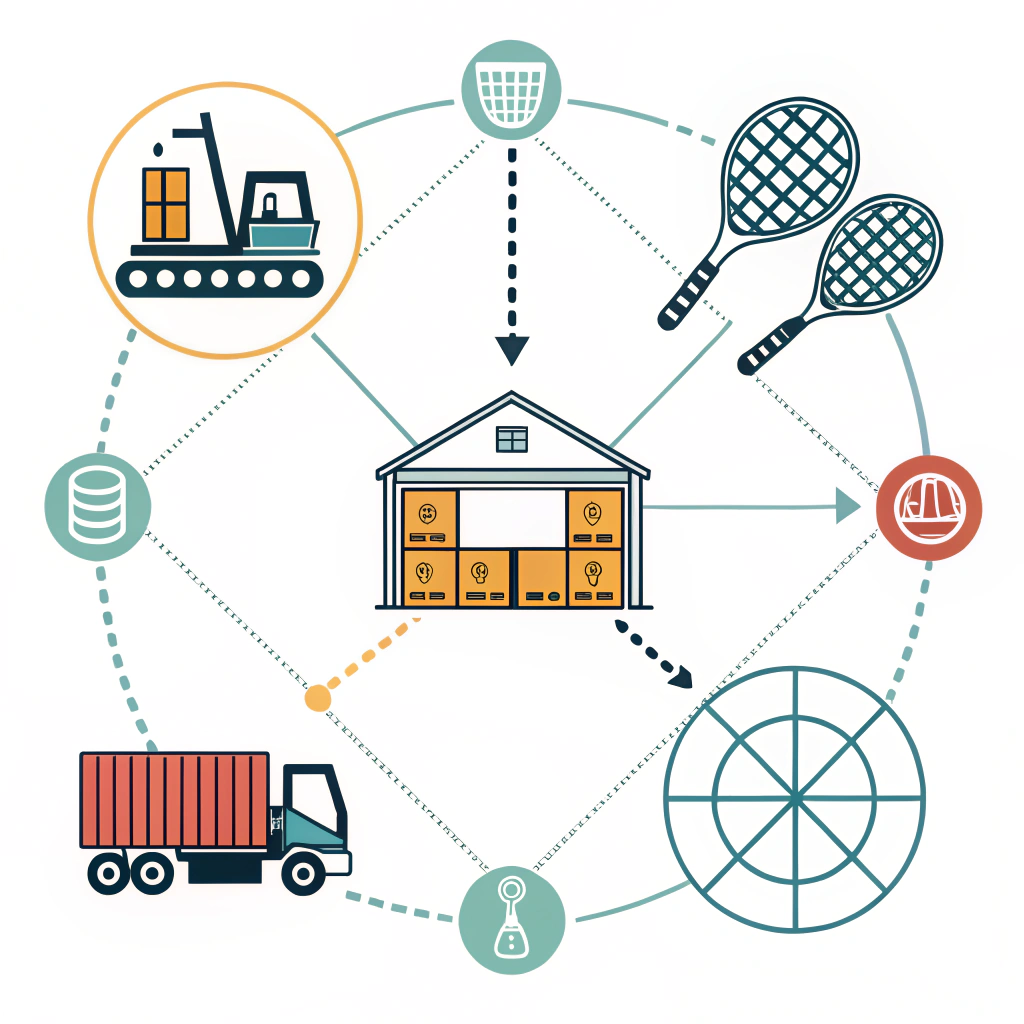
Below is a comparative guide to help retailers understand the different delivery methods and their respective advantages. This table breaks down key factors to consider when selecting a supplier:
| Factor | Standard Delivery | Expedited Delivery | Custom Logistics Solutions |
|---|---|---|---|
| Lead Time | 2-4 weeks | 1-2 weeks | Customizable based on needs |
| Cost Implication | Lower cost but uncertain timing | Higher cost due to premium service | Variable cost; optimized balance |
| Inventory Impact | May require larger buffer stock | Less buffer stock needed | Just-in-time inventory possible |
| Quality Assurance | Standard QA procedures | Priority QA with rapid inspection | Tailored QA processes |
| Flexibility in Customization | Limited | Moderate | High customization available |
This table helps illustrate that while expedited delivery can incur higher costs, the reduced lead time and increased reliability can translate into significant benefits in customer satisfaction and streamlined inventory management.
Consider a B2B sports retail case where a mid-sized retailer specialized in padel rackets faced recurring stockouts during peak season. Their then-supplier had consistent delays, affecting not only their sales figures but also their reputation among clients.
- Problem:
Frequent delays in padel racket shipments resulted in stockouts and dissatisfied customers. - Diagnostic:
Investigations revealed that the delays were due to production bottlenecks and uncoordinated logistics between manufacturing and shipping departments. - Solution Implementation:
The retailer switched to a supplier like NEX Padel, known for its efficient production processes and reliable logistics networks. The supplier adopted:- Advanced production techniques that minimized delays.
- Integrated order tracking systems ensuring real-time updates.
- Coordinated logistics management with established shipping partners.
- Results:
Within one season, the retailer observed:- 25% reduction in stockout incidents.
- Improved customer satisfaction scores.
- Enhanced ability to manage seasonal demand spikes.
This case underlines the critical importance of fast delivery systems, ensuring that retailers can maintain robust inventory levels and customer trust.

While implementing new logistics practices, there are several key factors you should also keep in mind to sustain long-term improvements:
-
Technology Integration:
Leveraging ERP4 and SCM software can provide real-time visibility into production and inventory levels. This integration allows for proactive management of potential delays before they affect your customers. -
Supplier Relationship Management (SRM)5:
Forge strong relationships with your suppliers. Regular performance reviews, feedback loops, and joint planning exercises can help address and preempt supply chain issues effectively. -
Flexibility in Operations:
Maintain an agile approach that allows for rapid adjustments in response to market fluctuations. For instance, customizing padel racket types and specifications (such as Diamond, Round, and Teardrop designs) ensures that you meet unique market demands while keeping production streamlined. -
Continuous Improvement:
Monitor performance data regularly. Use key performance indicators (KPIs) such as on-time delivery rate, order fulfillment time, and customer feedback to drive improvements in your logistics processes.
In today's competitive sports retail market, the importance of fast and reliable delivery cannot be overemphasized. For providers of padel rackets, every minute saved in the supply chain translates to stronger customer relationships, fewer stockouts, and ultimately, a healthier bottom line. By adopting the outlined strategies—from production optimization to advanced logistics and enhanced supplier collaboration—retailers can secure a resilient supply chain that meets the evolving demands of their customers.
We encourage retailers to evaluate their current logistics strategy, consider partnering with experienced manufacturers like NEX Padel, and invest in technology that streamlines supply chain operations. The right partner and the right operational adjustments can turn logistical challenges into competitive advantages.
Taking these steps will not only improve immediate order fulfillment but also build a foundation for sustained market success.
Q1: Why is fast delivery critical for padel racket retailers?
A1: Fast delivery is crucial for padel racket retailers because it minimizes stockouts, ensures optimal inventory levels, and enhances customer satisfaction by providing quick access to high-demand products.
Q2: What logistics strategies ensure reliable padel racket delivery?
A2: Reliable logistics strategies include real-time tracking, integrated order processing, strategic inventory management, and strong coordination with reputable shipping partners to ensure timely delivery of products.
Q3: How does supplier reliability affect inventory management in sports retail?
A3: Supplier reliability directly impacts inventory management by reducing uncertainties in order lead times, allowing retailers to better forecast demand, enhance planning accuracy, and maintain sufficient stock levels during peak seasons.
-
Supply chain management: Click to learn how integrating various processes—from procurement to delivery—can optimize operations, reduce costs, and improve product traceability in complex supply networks. ↩ ↩
-
Lean manufacturing: Click to explore how minimizing waste and maximizing productivity through lean practices can lead to more efficient production processes and quicker market response. ↩ ↩
-
Demand forecasting: Click to learn about forecasting methods that help predict customer demand, optimize inventory levels, and streamline supply chain operations. ↩ ↩
-
ERP: Click to understand how Enterprise Resource Planning software integrates core business processes, enhances data visibility, and fosters improved decision-making across an organization. ↩ ↩
-
Supplier Relationship Management (SRM): Click to discover strategies that enhance supplier collaboration, mitigate risks, and build long-term partnerships through effective SRM practices. ↩ ↩