Skip to content

Short answer: With the right materials choices, transparent LCA1 (lifecycle assessment) scope, energy-efficient factory practices and optimized logistics, sourcing padel rackets from a reputable Chinese manufacturer like NEX Padel can meet or beat total lifecycle emissions targets compared with local alternatives — while delivering the cost, lead time and customization procurement teams need.
Executive summary
- Procurement teams evaluating padel racket suppliers need clear, comparable LCA data, not just factory claims. The total carbon footprint for a racket is driven by: raw-material embodied carbon2 (fiberglass vs carbon fiber), production energy and waste, packaging, and freight to the final warehouse.
- On a per-racket basis, material choice is the largest single driver of embodied emissions. High-modulus carbon weaves (3k/12k/18k) have higher manufacturing emissions per kg than fiberglass, but they allow lighter, higher-performance rackets—so a straight kg-by-kg comparison can be misleading without a defined functional unit3 (e.g., one playable racket with equivalent stiffness/performance).
- China-based manufacturers can minimize lifecycle emissions through: hybrid material layups, efficient factory energy management (ISO 140014/energy audits), consolidated ocean freight, lower rework rates via fast prototyping, and sustainable packaging design.
- This article gives the procurement checklist to compare suppliers, recommended mitigation strategies, and concrete ways NEX Padel demonstrates these benefits.
Why manufacturing location matters for emissions
Production location matters because emissions arise from multiple stages where geography affects both intensity and logistics:
- Grid carbon intensity: Electricity used for curing, ovens, and prepreg manufacturing differs by country/region. A factory powered by a low-carbon grid or having on-site renewables reduces manufacturing-stage CO2e per racket.
- Process efficiency and yield: Experienced factories with robust QC produce fewer rejects and less rework—reducing per-unit embodied emissions.
- Logistics distance and mode: Ocean freight emissions per tonne-km are far lower than air; sourcing from China usually implies ocean transport to Europe/US, adding transport emissions but often still favorable vs. local manufacturing if local supplier uses energy-inefficient processes or low-yield production.
- Scale and consolidation: Larger manufacturers can consolidate shipments and optimize packaging, reducing per-racket transport and packaging emissions.
Key procurement implication: don't evaluate country-of-origin in isolation. Require consistent LCA boundaries (functional unit = one racket delivered to your warehouse) and compare total cradle-to-gate or cradle-to-door footprints.
Materials & production: fiberglass vs 3k/12k/18k carbon lifecycle trade-offs
Understanding material trade-offs is central to an apples-to-apples LCA comparison.
High-level material characteristics
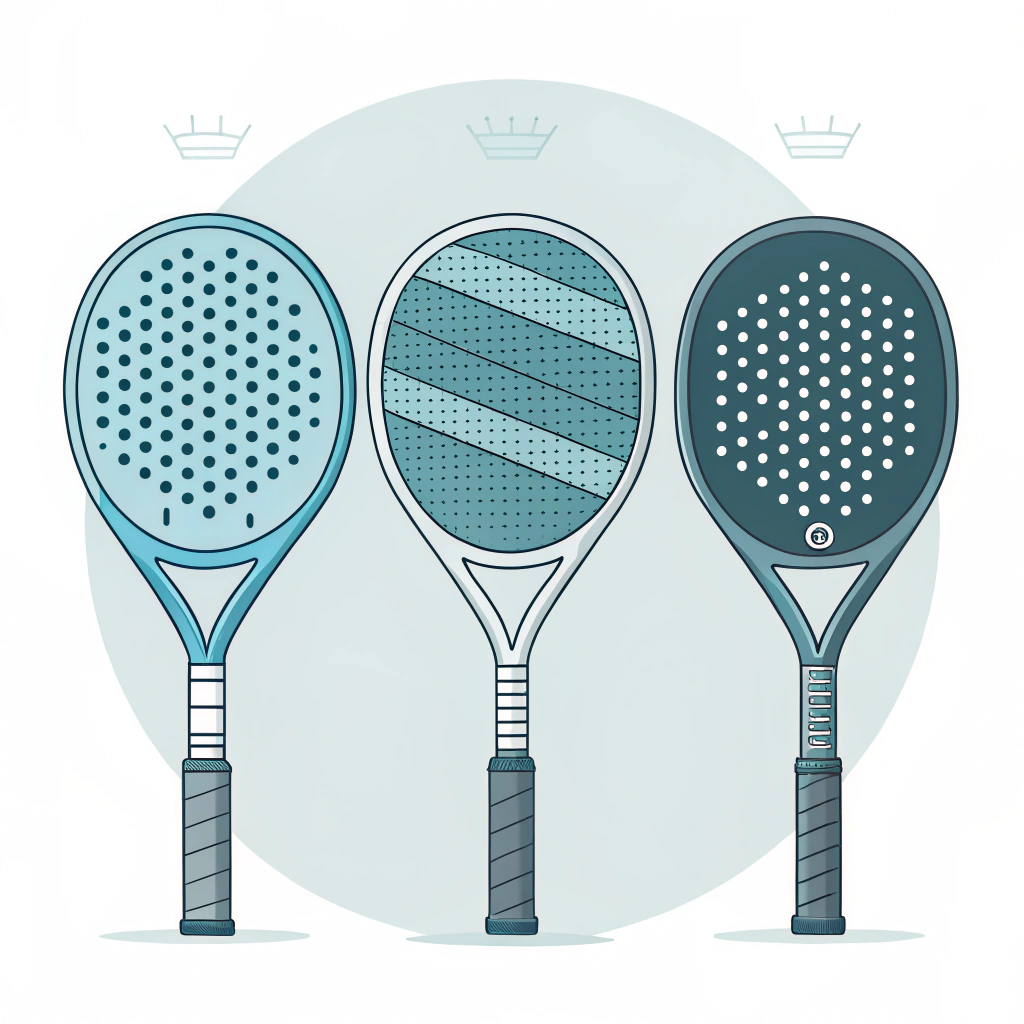
- Fiberglass (E-glass): lower embodied carbon per kg and lower material cost. Heavier for a given stiffness, typically used for entry to mid-level rackets. Easier recycling pathways in composites are limited but less energy‑intensive to produce.
- Carbon fiber (3k/12k/18k): higher embodied carbon per kg due to energy-intensive precursor and carbonization. Different tow counts (3k vs 12k vs 18k) affect surface finish, strength and aesthetic—higher tow counts often improve manufacturing efficiency and reduce finish defects. Carbon allows lighter rackets and performance tuning.
- Hybrid layups (carbon + fiberglass) can capture performance while lowering material footprint compared to all-carbon constructions.
Approximate lifecycle trade-offs (order-of-magnitude guidance)
- Use a consistent functional unit: "one playable racket with specified stiffness and weight."
- Embodied material emissions (approximate relative index, fiberglass baseline = 1.0):
- Fiberglass-only racket: 1.0 (baseline)
- Hybrid (glass + small % carbon): 1.2–1.6
- Carbon-dominant (3k/12k/18k mixes): 1.8–3.0
- These are illustrative ranges—actual values depend on % carbon, resin system, curing cycles and yield.
Table: Comparative trade-offs (simplified)
| Factor | Fiberglass | Hybrid (glass+carbon) | Carbon (3k/12k/18k) |
|---|---|---|---|
| Embodied carbon (relative) | 1.0 | 1.2–1.6 | 1.8–3.0 |
| Typical weight for given stiffness | heavier | moderate | lightest |
| Cost per unit | lower | medium | higher |
| Manufacturing energy intensity | low | medium | high |
| Customization finish quality | moderate | good | high |
Practical notes for procurement
- Ask for material mass breakdown (g of each fiber + resin per racket). This makes LCA comparables feasible.
- If your brand prioritizes low-carbon products, consider hybrid layups (e.g., glass face + carbon core) to optimize performance vs footprint.
- Resin choice matters: bio-resins or low-VOC epoxies can lower chemistry-related impacts, but verify performance and supply-chain availability.
Factory practices, energy, water and waste controls; certifications and audits
What to verify when auditing or requesting supplier evidence:
- Certifications and management systems:
- ISO 14001 (environmental management): demonstrates systematic environmental controls.
- Energy management systems (ISO 50001) or documented energy audits.
- Social/quality standards: ISO 9001, BSCI audits, and supplier codes of conduct.
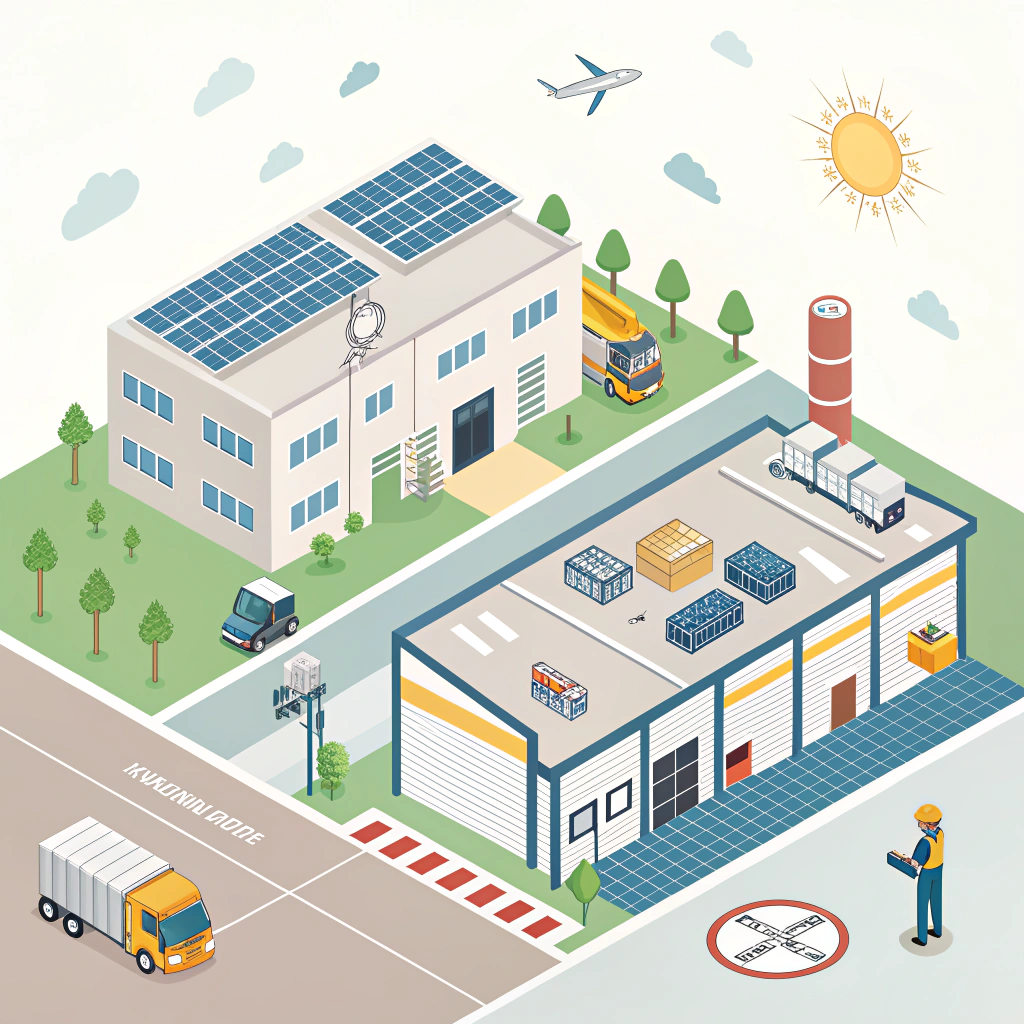
- Energy mix and on-site measures:
- Request the factory’s electricity emission factor (g CO2e/kWh) or share of renewable energy.
- On-site solar or green power purchase agreements (PPAs) materially reduce manufacturing-stage emissions.
- Efficient curing ovens, heat recovery from production lines and scheduled maintenance reduce energy per part.
- Water and chemical management:
- Resin handling SOPs, closed-loop mixing and spill control reduce waste and potential downstream impacts.
- Water recycling for facility cleaning and cooling reduces freshwater footprint.
- Waste, scrap and circularity:
- Production scrap rate (%) and downstream handling (incineration, landfill, recycling).
- Programs to reuse trim or send carbon/glass waste to reclamation facilities where available.
- Quality controls that reduce lifecycle impacts:
- Rapid prototyping and pre-production sample runs reduce rework during full runs.
- Consistent tooling and automated layup reduce variation and scrap.
What to request in RFPs and audits
- Factory energy consumption per month and typical kWh per 1,000 rackets.
- Scrap rate and disposition percentages for fiber and resin waste.
- Evidence of third-party audit reports (ISO certificates, third-party social audits).
- A simple cradle-to-door LCA result or at least a bill-of-materials (BOM) with supplier emissions factors.
Logistics: ocean freight, consolidation, packaging and last-mile impact
Logistics are often the easiest area to reduce total footprint from a procurement perspective.
Key levers
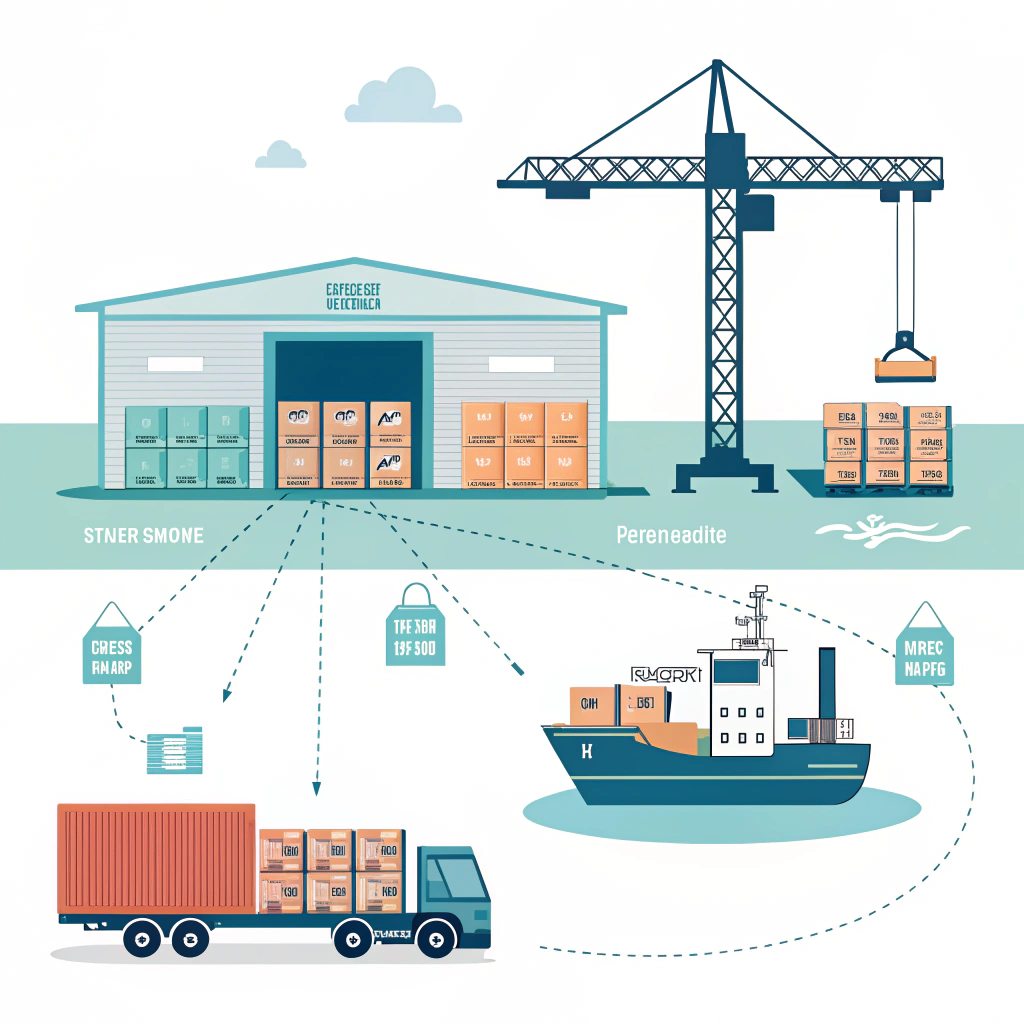
- Mode of transport: Ocean freight (containerized) is far lower carbon per tonne-km than air. For finished rackets, choose ocean unless lead-time constraints justify partial air (express) shipments for urgent SKUs only.
- Consolidation and shipment frequency:
- Consolidated FCL shipments lower per-unit emissions vs frequent LCL or air shipments.
- Combine racket shipments with balls, grips and accessories in the same container where feasible.
- Incoterms5 and delivery points:
- Clarify cradle-to-door boundaries (e.g., CNF/CIF vs Ex Works) to ensure LCA comparability.
- Packaging design:
- Use right-sized cartons, recycled corrugate, and minimal plastics. Consider master cartons sized to container optimization for palletization efficiency.
- For padel balls: pressurized tubes protect ball life and reduce returns; choose recycled or recyclable tubes where possible.
- Last-mile and distribution:
- Choose regional warehouses close to demand hubs to minimize last-mile emissions.
- Use ocean + regional trucking instead of direct air for finished goods to end markets.
Logistics example: per-unit impact approach
- Ask suppliers to provide kg CO2e per container shipment and typical units per container — divide to get per-racket shipping footprint. This concrete number allows direct comparison with local sourcing options.
Practical recommendations for greener sourcing and how NEX Padel demonstrates these benefits
Checklist for procurement to include in RFP and selection
- LCA scope and functional unit: Require cradle-to-door LCA or at minimum cradle-to-factory-gate + detailed transport emissions. Define your functional unit as "one retail-ready racket delivered to [warehouse X]".
- BOM transparency: grams of each fiber (E-glass, 3k/12k/18k carbon), resin type and %.
- Energy and certifications: provide factory electricity emission factor, ISO 14001 certificate, and recent energy audit summary.
- Waste metrics: scrap rates (%), waste destinations and any reclamation contracts.
- Logistics plan: preferred Incoterm, typical shipment mode, consolidation strategy, and sample per-unit freight emissions.
- Lead time & prototyping: number of weeks for first prototype, sample accuracy (to reduce rework), and MOQ flexibility.
- Packaging spec: materials, % recycled content and recyclability.
- Ball options and consumables: wool content, packaging, and pressurization method (NEX Padel offers 45% and 57% wool pressurized tubes).
How NEX Padel meets procurement and sustainability needs
- Rapid prototyping and low rework: fast sampling cycles reduce iterative production runs and scrap. This directly lowers material and energy per final product.
- Wide material options: from fiberglass to 3k/12k/18k carbon, allowing clients to balance performance and embodied carbon. Hybrid layups are standard practice to optimize footprints.
- Customization with efficiency: in-house tooling and printing reduce outsourcing steps and transport between vendors.
- Ball sourcing under control: NEX Padel manages ball supply from a verified partner, with transparent wool composition choices (45% or 57%) and pressurized tube packaging to protect performance and reduce returns/waste.
- Third-party brand experience: OEM work for brands like Hirostar, Reebok and Starvie demonstrates scalability and consistent QC.
- Logistics savvy: recommended consolidated ocean shipments, pallet optimization and master carton designs are part of standard service to reduce per-unit freight emissions.
Practical mitigation bundle for procurement to request in proposals
- Hybrid layups for lower embodied carbon without sacrificing playability.
- Preferred resin systems with lower lifecycle toxicity and VOCs.
- Factory commitment to renewable electricity share or a fixed plan to procure renewables.
- Consolidated monthly FCL schedule and visibility into container fill rates.
- Packaging with >70% recycled corrugate and minimal virgin plastic.
Final decision guidance
- When comparing suppliers, use a simple scoring matrix with weighted criteria: LCA footprint (30%), lead time & flexibility (20%), cost (20%), certifications/audits (15%), packaging & logistics plan (10%), past brand references (5%).
- Insist on the BOM and per-unit transport emissions as minimum deliverables. Where supplier LCA is unavailable, require raw material mass and energy use data so you can model a consistent LCA internally.
- Consider a staged approach: pilot SKU produced with hybrid layup and consolidated shipping. Measure and review real-world emissions before scaling.
People Also Ask
Q: Do expensive padel rackets make a difference?
A: Price alone does not guarantee improved gameplay. Higher-priced rackets commonly use advanced materials (higher % carbon fiber, higher tow counts) and precision manufacturing which can improve stiffness, weight distribution and durability. For players past the beginner stage, these attributes can affect performance. From a procurement LCA perspective, more expensive rackets often have higher embodied carbon due to more carbon fiber content; to justify the cost and carbon, assess the product lifetime (durability), repairability and whether the higher performance reduces replacements over time.
Q: Is padel big in China?
A: Padel is growing rapidly in China with expanding clubs and organized play in cities. This expansion is creating local demand and supply-chain ecosystems, making China a practical manufacturing base for both domestic growth and global export. The improving local demand can also support regional logistics options and shorter final-mile delivery inside Asia.
Q: Does China care about sustainability?
A: China has been increasing emphasis on carbon accounting, emissions controls and market mechanisms that support corporate sustainability programs. Many Chinese manufacturers now pursue ISO 14001, energy audits and investments in cleaner energy to win global contracts. Procurement teams should verify evidence (certificates, energy data, audit reports) but can find capable suppliers in China who integrate sustainability into operations.
-
LCA (lifecycle assessment): Reading the linked article helps procurement teams understand how LCA scopes (cradle-to-gate vs cradle-to-door), data quality and functional units affect comparability of supplier claims and how to request consistent LCA outputs for supplier evaluation. ↩ ↩
-
Embodied carbon: The linked primer clarifies what embodied carbon covers (material production, processing, and manufacturing) and how to request material mass breakdowns to translate BOMs into comparable CO2e estimates. ↩ ↩
-
Functional unit: The linked resource explains why defining a functional unit (e.g., one playable racket with specified stiffness/weight) is essential for apples-to-apples LCA comparisons and how to select and document an appropriate unit for procurement decisions. ↩ ↩
-
ISO 14001: The linked guide outlines what ISO 14001 certification demonstrates, what evidence to request from suppliers, and how to interpret certificates and audit summaries during supplier due diligence. ↩ ↩
-
Incoterms: The linked explainer helps procurement teams choose and interpret Incoterms (e.g., CIF vs Ex Works), ensuring consistent cradle-to-door boundaries for LCA and accurate allocation of transport emissions. ↩ ↩