Skip to content
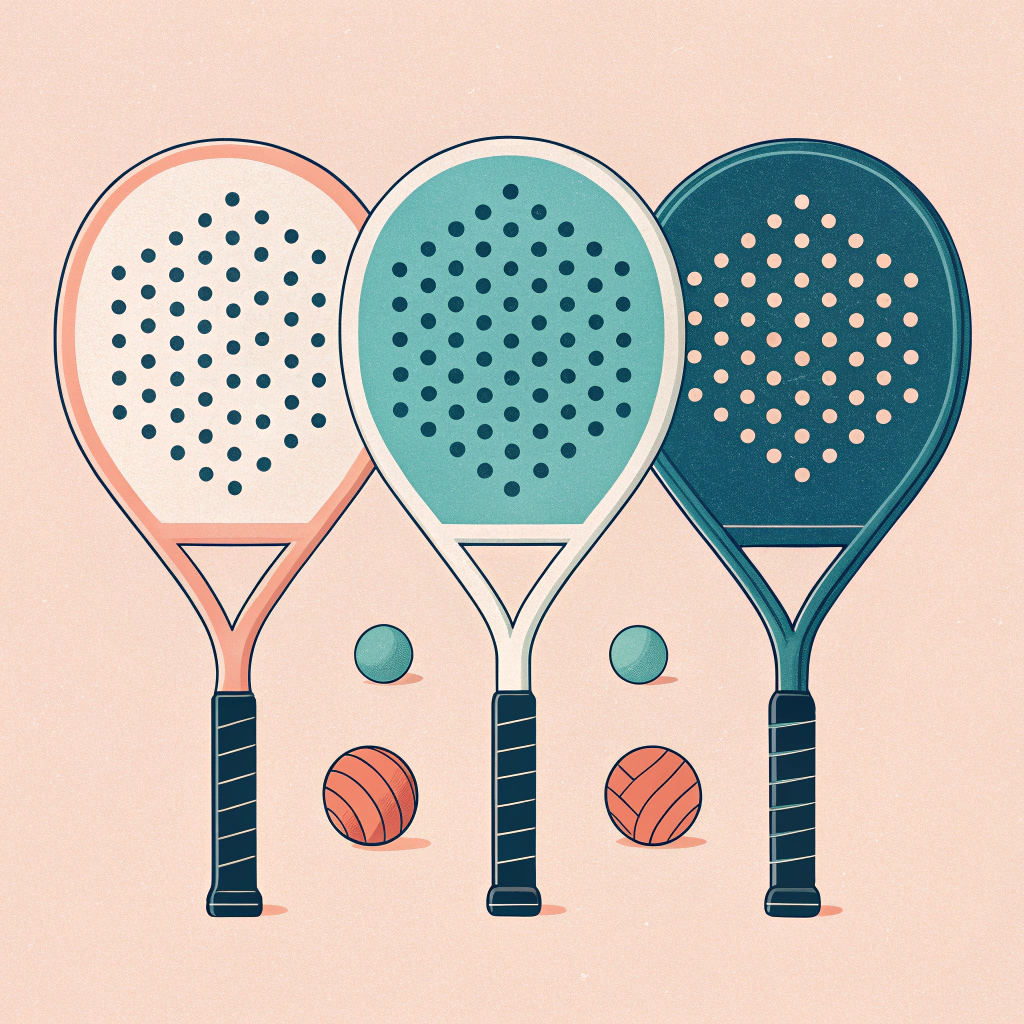
A padel racket for power, control, or all‑court play is defined mainly by its shape (diamond / round / teardrop), balance point, weight and swing weight, EVA core hardness, and face layup (fiberglass vs 3K/12K/18K carbon1, or hybrid).
For B2B buyers planning a lineup, the most reliable approach is to:
- Map each target player style to a clear spec “envelope”,
- Choose 1–2 proven configurations per segment rather than many small variants,
- Work with an OEM/ODM2 who can hold tolerances3 on weight, balance, core hardness, and finish across batches.
Below is a factory-side guide to help you convert playing styles into repeatable technical specs and prepare a solid brief for suppliers.
Power players (aggressive, overhead-focused)
- Shape: Diamond
- Balance: Head‑heavy (≈270–285 mm from butt)
- Weight: 365–375 g
- Core: Medium–hard EVA
- Face: 12K or 18K carbon, sometimes hybrid with 3K
- Surface: Medium–high roughness for spin
- Target: Advanced players, strong technique, accept smaller sweet spot and more vibration
Control / defensive players (consistent placement, back-court)
- Shape: Round
- Balance: Even to slightly head‑light (≈255–270 mm)
- Weight: 355–365 g (sometimes 345–355 g for comfort)
- Core: Soft–medium EVA
- Face: Fiberglass or hybrid (fiberglass + 3K carbon)
- Surface: Light–medium roughness
- Target: Beginners to advanced defenders, bigger sweet spot, more comfort and forgiveness
All‑court / versatile players
- Shape: Teardrop
- Balance: Mid (≈265–280 mm)
- Weight: 360–370 g
- Core: Medium EVA
- Face: 3K or 12K carbon, often hybrid with fiberglass for comfort
- Surface: Medium roughness
- Target: Intermediate–advanced players who mix control with power
This section is intentionally simplified. The following sections go into detail: how each parameter really changes play, and how you can combine them into SKUs that sell and can be produced consistently.
| Shape | Typical Player Type | Sweet Spot Location | Sweet Spot Size | Power Potential | Control & Forgiveness | Typical Use Level |
|---|---|---|---|---|---|---|
| Round | Control, defensive, beginners | Center, slightly low | Large | Low–Medium | High | Beginner to advanced |
| Teardrop | All‑court, versatile | Center–upper | Medium | Medium–High | Medium–High | Intermediate to advanced |
| Diamond | Aggressive, power-oriented | Upper part of the head | Smaller | High–Very high | Medium–Low | Advanced / competitive |
Round shape
- Biggest sweet spot, easier timing and directional control.
- More stable on off‑center hits.
- Best for: learning players, defensive and control‑oriented players, and comfort-focused club players.
Diamond shape
- Sweet spot is higher, near the tip, which increases leverage and power on smashes and bandejas.
- Tends to be more head‑heavy, which increases swing weight.
- Less forgiving on mishits; requires better timing.
- Best for: advanced players, strong wrist/shoulder, aggressive play style.
Teardrop shape
- Transitional option: sweet spot is between round and diamond.
- Helps players who want both power and control without extreme behavior.
- Very good “hero SKU” for intermediate and advanced recreational players.
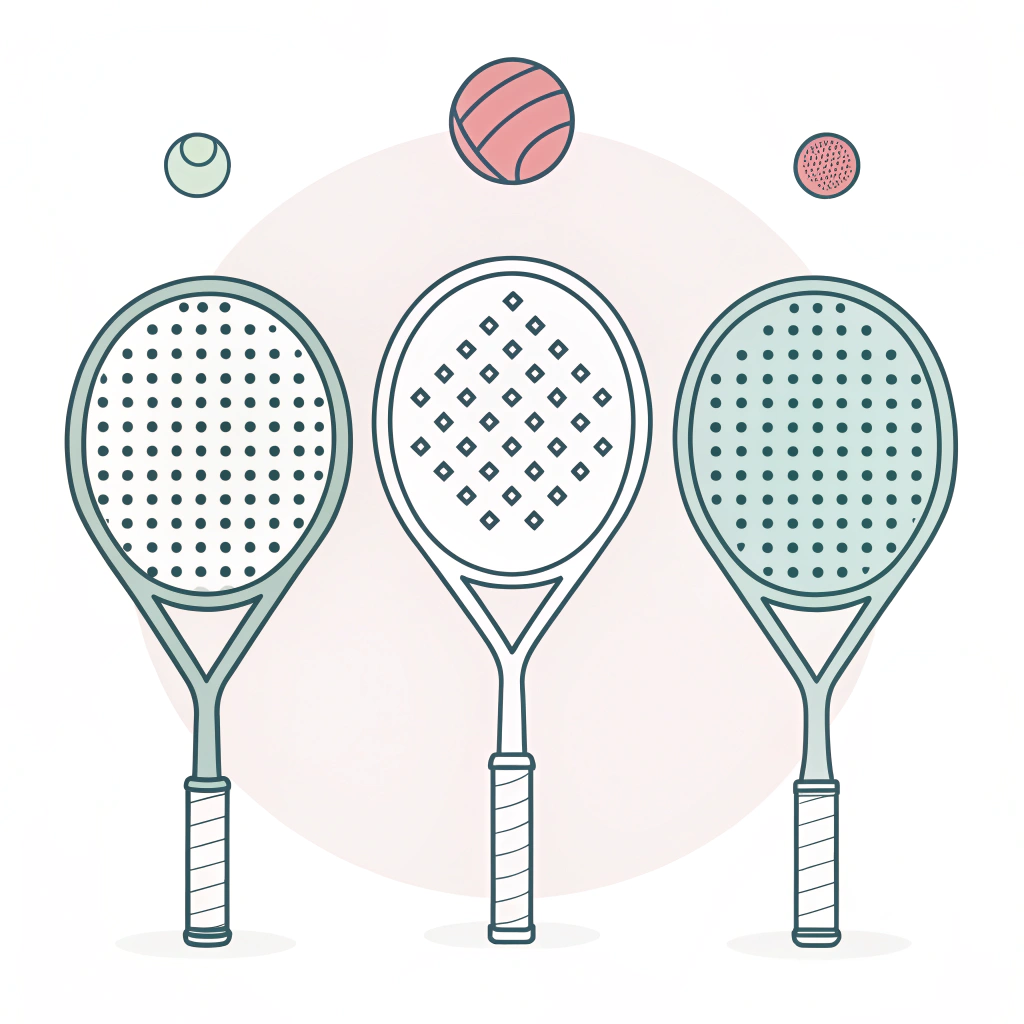
From a manufacturing perspective, once a mold is set (diamond/round/teardrop), we fine‑tune the feel through core hardness, layup, and balance, not shape alone.
- Weight range: Most rackets for adults sit between 340–375 g (unstrung equivalent; padel rackets are solid).
- Balance point: Distance from the butt cap to the center of mass, usually 255–285 mm.
- Lower value → head‑light → easier maneuverability.
- Higher value → head‑heavy → more power, higher swing weight.
- Swing weight: How heavy the racket feels during the swing; affected by both total weight and weight distribution.
| Spec Change | Effect on Play | Recommended For |
|---|---|---|
| +10 g total weight | More stability, more power, slightly slower reaction | Aggressive / advanced players |
| −10 g total weight | Faster maneuvering, less fatigue, slightly less stability | Beginners, smaller players, elbow issues |
| +5–10 mm balance point (more head‑heavy) | More power and depth, higher swing weight, more strain on arm | Power players, strong technique |
| −5–10 mm balance point (more head‑light) | Easier volleys and defense, less power on smashes | Control players, beginners, comfort focus |
Practical B2B note:
- For consistency, keep internal tolerance on finished weight within ±5 g and balance point within ±3–5 mm.
- At NEX Padel, we typically sort finished rackets into weight buckets (e.g., 360–365 g, 366–370 g) so you can label SKUs clearly (e.g., “Light”, “Standard”, “Heavy”).
The EVA core is the main driver of feel, comfort, and rebound.
| EVA Hardness | Approx. Behavior in Play | Comfort | Power at Low Speed | Power at High Speed | Main Target Group |
|---|---|---|---|---|---|
| Soft EVA | More trampoline effect, larger sweet spot | High | High | Medium | Beginners, comfort, defenders |
| Medium EVA | Balanced response, controlled rebound | Medium | Medium–High | High | All‑court, intermediates |
| Hard EVA | Firm feel, precise, less deformation on fast shots | Lower | Medium | Very High | Advanced, power / competitive |
Notes:
- Softer cores help slow swings (beginners, defensive shots) generate depth.
- Harder cores are more stable for fast swings, especially in smashes and volleys, but can feel harsh and demand good technique.
From a production view:
- We can target specific Shore A hardness4 ranges (e.g., 15–17 soft, 17–19 medium, 19–21 hard, values for example only) and keep them consistent batch to batch.
- Consistency in EVA baking, density and bonding with laminates is crucial to avoid variability in feel between orders.
Fiberglass layup
- More flexible, more vibration dampening, more comfortable.
- Easier to generate ball speed at low effort; better for recreational play.
- Slightly lower long‑term stiffness; not as “crisp” in feedback.
Carbon fiber
- Stiffer, more responsive, higher power ceiling.
- Better shape retention and dimensional stability over time.
- Transmits more vibration if not combined with the right core and frame design.
| Carbon Type | Fiber Density / Look | Stiffness & Feel | Typical Use |
|---|---|---|---|
| 3K carbon | Finer weave, small squares | Balanced stiffness, precise | All‑court or control with premium feel |
| 12K carbon | Medium weave | Stiffer than 3K, lively | Power and advanced all‑court |
| 18K carbon | Coarser weave | Very stiff, very responsive | Maximum power, advanced / pro‑level |
Factory perspective:
- Moving from 3K → 12K → 18K generally increases stiffness (with same number of layers and resin system).
- We can also build hybrid faces: e.g., outer layer 12K carbon + inner layer fiberglass to mix crisp response with dampening.
| Player Segment | Recommended Face Construction |
|---|---|
| Entry‑level / beginner | Full fiberglass, or fiberglass + 3K carbon on impact zone |
| Comfort control | Hybrid fiberglass + 3K carbon |
| All‑court intermediate | 3K carbon or hybrid 3K + fiberglass; sometimes 12K on outer layer |
| Power advanced | 12K or 18K carbon, optionally double‑layer on sweet spot |
| Tournament / pro | 12K/18K carbon with tuned EVA + weight/balance per player preference |
At NEX Padel we routinely work from all‑fiberglass up to full 18K carbon faces, matching to diamond, round, and teardrop molds depending on your range strategy.
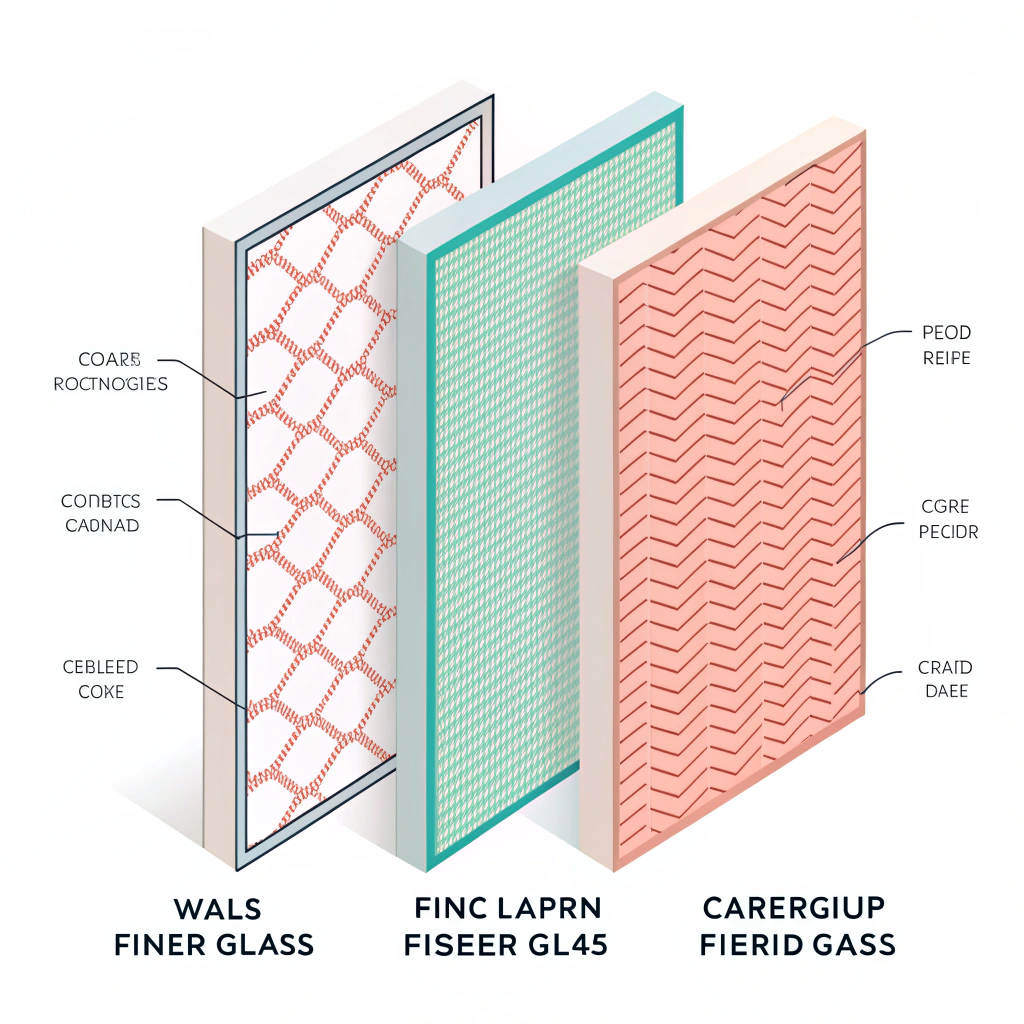
6. Surface, Hole Pattern5, and Durability Details
Surface roughness affects spin and feel:
| Surface Type | Spin Effect | Durability / Notes | Typical Use |
|---|---|---|---|
| Smooth gloss/matte | Lowest friction | Very durable, easy to clean | Entry-level, comfort SKUs |
| Embossed pattern | Medium friction | Good balance, consistent in production | All‑court, intermediate |
| Sand / grit finish | Highest friction, more spin | Needs proper application for durability | Advanced / spin-focused |
For OEM/ODM, it’s important to fix a roughness spec and method (e.g., molded texture vs coating with silica sand) to ensure repeatability.
Hole size and distribution help tune air resistance, sweet spot size, and flex:
- Denser holes in the sweet spot → easier ball pocketing, more control.
- Larger perimeter holes → reduce weight and air drag.
- We work with standard 38 mm thickness and adjust distribution to balance stiffness, weight, and power.
If you are not ready to engineer your own pattern, using a proven standard pattern per mold is usually sufficient and safer for QC.
B2B buyers should also specify:
- Frame thickness: 38 mm is market standard; thicker edges can feel stiffer and more stable.
- Reinforcements: extra carbon on the frame or around the neck for high‑stress zones.
- Edge protection:
- Integrated bumper (transparent or colored).
- Optional replaceable protectors for premium SKUs.
A clear spec here helps control warranty rate and maintain consistent product behavior over time.
Below are production‑realistic builds that we already manufacture for international brands (specs adjusted per brand). You can use them as templates when drafting your brief.
Target use: Aggressive play, overhead smashes, advanced competitors.
Recommended spec:
- Shape: Diamond
- Weight: 365–375 g (target 370 g, ±5 g tolerance)
- Balance point: 275–285 mm (head‑heavy)
- Core: Medium–hard EVA
- Face:
- Outer: 12K or 18K carbon
- Inner: Carbon or carbon + fiberglass reinforcement
- Frame: Full carbon frame, 38 mm
- Surface: Embossed or sanded roughness for spin
- Other:
- Slightly denser hole pattern in upper sweet spot for powerful contact.
- Reinforced neck to stabilize on high‑speed impacts.
Player profile: Strong forearm/shoulder, advanced technique, willing to trade comfort for maximum power.
Target use: Learners, club players focusing on consistency and comfort.
Recommended spec:
- Shape: Round
- Weight: 355–365 g (we often do a 345–355 g “Light” option)
- Balance point: 260–270 mm (even to slightly head‑light)
- Core: Soft EVA
- Face:
- Full fiberglass, or
- Fiberglass + 3K carbon reinforcement in the sweet spot for added durability
- Frame: Carbon frame with fiberglass reinforcements, 38 mm
- Surface: Smooth or light embossed texture
- Other:
- Larger central sweet spot, standard hole pattern.
- Focus on low vibration and forgiving feel.
Player profile: New to padel, or defensive / older players seeking comfort and easy depth.
Target use: Versatile play, mix of defense and attack.
Recommended spec:
- Shape: Teardrop
- Weight: 360–370 g
- Balance point: 270–280 mm (mid)
- Core: Medium EVA
- Face:
- 3K carbon or 12K carbon outer,
- Optionally hybrid with fiberglass inner layer for extra comfort.
- Frame: Full carbon frame, 38 mm
- Surface: Medium embossed or sand texture
- Other:
- Balanced hole pattern: control in center, slightly larger holes near frame for maneuverability.
Player profile: Frequent club players, intermediates moving up, advanced players who want one do‑it‑all racket.
When you translate all of this into a commercial lineup, keep it simple and clear for both players and retail staff.
Entry / Control Line (Round)
- R1: Round, soft EVA, fiberglass, 355–365 g – “Control / Beginner”
- R2: Round, medium EVA, hybrid 3K + fiberglass – “Comfort Control”
All‑Court Line (Teardrop)
- T1: Teardrop, medium EVA, 3K carbon, 360–370 g – “All‑Court”
- T2: Teardrop, medium EVA, 12K carbon, 365–375 g – “All‑Court Pro”
Power Line (Diamond)
- D1: Diamond, medium–hard EVA, 12K carbon, 365–375 g – “Power”
- D2: Diamond, hard EVA, 18K carbon, 370–375 g – “Power Pro”
Optionally, add “Light” versions (−15–20 g, slightly more head‑light) for each line to support juniors, female players, or those with elbow issues.
At NEX Padel we support:
- Shape: Diamond, round, teardrop, or fully custom molds.
- Materials: From fiberglass up to 3K / 12K / 18K carbon; hybrid faces and custom layups.
- Core: Soft / medium / hard EVA, set to your target feel.
- Cosmetics:
- Custom colors and graphics (UV printing, decals, matte/gloss mix).
- Custom hand grip and butt cap logo to maximize brand visibility.
- Quality control:
- Tight tolerances on weight and balance, hardness consistency, and cosmetic finish.
- Pre‑shipment sampling and test reports if required.
We also supply padel balls through an audited partner factory, with 45% wool and 57% wool options in pressurized tubes, so you can launch a unified brand package (rackets + balls) with controlled quality and pricing.
While exact numbers depend on the project, most B2B buyers should:
- Budget for fast sampling (several spec variants per shape) before locking final builds.
- Expect MOQs per model and per cosmetic (we can align with your volume and phase: test markets vs full roll‑out).
- Plan a production cycle covering material preparation, layup, curing, finishing, QC, and shipping — lead time is typically measured in weeks, not months, once specs are frozen.
When you are ready to move from concept to sampling, your spec sheet should, at minimum, include:
- Target player type: Power / control / all‑court; beginner / intermediate / advanced.
- Shape: Diamond / round / teardrop.
- Target weight range and tolerances (e.g., 365–375 g, ±5 g).
- Target balance point (e.g., 270–280 mm).
- EVA core hardness: soft / medium / hard (plus any numeric target if you have lab references).
- Face material: fiberglass / 3K / 12K / 18K carbon / hybrid (specify stack).
- Surface texture: smooth / embossed / sand, and relative roughness.
- Cosmetics and branding: color, logo placement, grip and butt cap logo requirements.
- Durability expectations: reinforcement zones, edge protection, any specific testing standard.
- Price point and positioning: entry, mid, premium — this helps us suggest cost‑efficient constructions.
With a clear mapping from player style → technical spec → commercial positioning, your sampling rounds are faster, and you reach stable, repeatable products with fewer iterations.
The best padel racket depends on your level and playing style:
- If you are a beginner or control-focused player, a round racket with a large sweet spot, softer EVA, and balanced or slightly head‑light balance is easiest to use.
- If you are an intermediate all‑court player, a teardrop racket with medium EVA and mid balance offers a good mix of power and control.
- If you are an advanced, aggressive player, a diamond racket with a higher balance point, stiffer face (12K or 18K carbon), and medium–hard core will maximize power.
Weight and comfort also matter: lighter, softer rackets are more forgiving; heavier, stiffer rackets reward strong technique with more power.
Choose the shape based on control vs power and your experience:
- Round shape: best for beginners and players who value control and consistency. It has a big sweet spot and is easier to handle in defense.
- Teardrop shape: best for intermediate and many advanced players. It balances power and control with a medium‑high sweet spot.
- Diamond shape: best for advanced, offensive players who prioritize power on smashes and volleys and can handle a smaller, higher sweet spot.
After deciding the shape, fine‑tune weight, balance, and core hardness with your supplier to match your exact target players.
The easiest padel racket to play with is typically a round racket in the 355–365 g range with a soft or medium EVA core and balanced or slightly head‑light balance.
This combination gives:
- A large sweet spot, so off‑center hits still feel solid.
- Good control for learning basic strokes and positioning.
- More comfort and less vibration, reducing fatigue and injury risk.
For club ranges, having at least one such “easy” round model is essential to support new and recreational players.
-
3K/12K/18K carbon: Read to understand how tow size and weave affect stiffness, responsiveness, durability, feel, and cost, so you can pick the right layup for each player segment. Back to section ↩
-
OEM/ODM: Learn the differences between OEM and ODM engagement models, how to evaluate factories, set QC processes, and manage IP to achieve consistent production. Back to section ↩
-
Tolerances: See why tight manufacturing tolerances on weight, balance, core hardness, and finish reduce variability, returns, and warranty risk across batches. Back to section ↩
-
Shore A hardness: Get a quick primer on the Shore A durometer scale, test methods, and how numeric targets map to EVA feel on‑court for more repeatable sampling. Back to section ↩
-
Hole Pattern: Explore how hole size and distribution change aerodynamics, sweet spot, stiffness, and weight—plus practical patterns that scale reliably in production. Back to section ↩