Skip to content
Padel racket quality can drop fast during mass production without strict controls. The right steps guarantee top performance every time.
To ensure consistent padel racket quality in mass production, you must control materials, monitor processes, and apply strict quality checks.
If you want your customers to trust your brand, every racket must deliver the same high-level feel and performance. Here's how we achieve that.
What makes a padel racket better?
Padel players often struggle with poor control, lack of power, or arm pain — all caused by low-quality rackets. The right features make a big difference.
A better padel racket has a durable frame, high-rebound core, perfect balance, and consistent finish, offering power, control, and comfort.
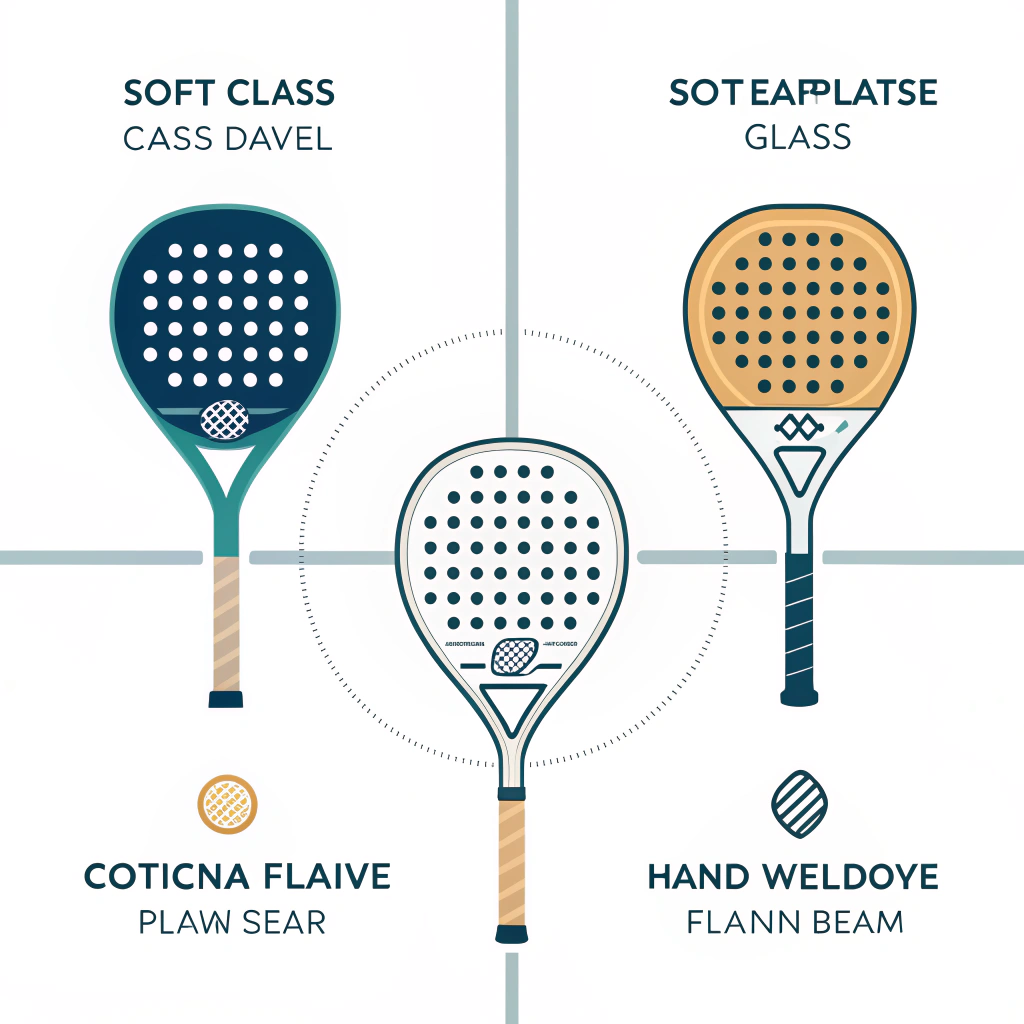
The Core Factors That Define Racket Quality
Several components directly affect the feel and durability of a padel racket. Here’s how I break them down:
H3: Frame Material and Construction
We use carbon fiber1 for its balance of weight and strength. Lower-quality materials tend to deform over time, which affects game performance.
H3: Core Foam Density
The EVA foam core2 must match the performance level needed. High-density cores offer power; lower-density ones give control and comfort.
| Core Type | Characteristics | Best For |
|---|---|---|
| EVA Soft | Comfort, control | Beginners |
| EVA Medium | Balanced performance | Intermediate |
| EVA Hard | Power, durability | Advanced/Pro |
H3: Surface Texture and Paint
A racket’s surface texture affects spin and touch. At NEX Padel, we apply a rough finish with 3D paint or sandblasting3 — both are consistent and long-lasting.
The challenge is repeating this across thousands of units. We resolve it by standardizing the painting process, including humidity and spray angle controls.
How to manufacture a padel racket?
Inconsistent process steps can lead to weak glue joints, uneven cores, or frame warping. A controlled, repeatable process ensures durability and feel.
Manufacturing a padel racket involves layering, molding, curing, painting, and finishing, each under strict process control to ensure product consistency.
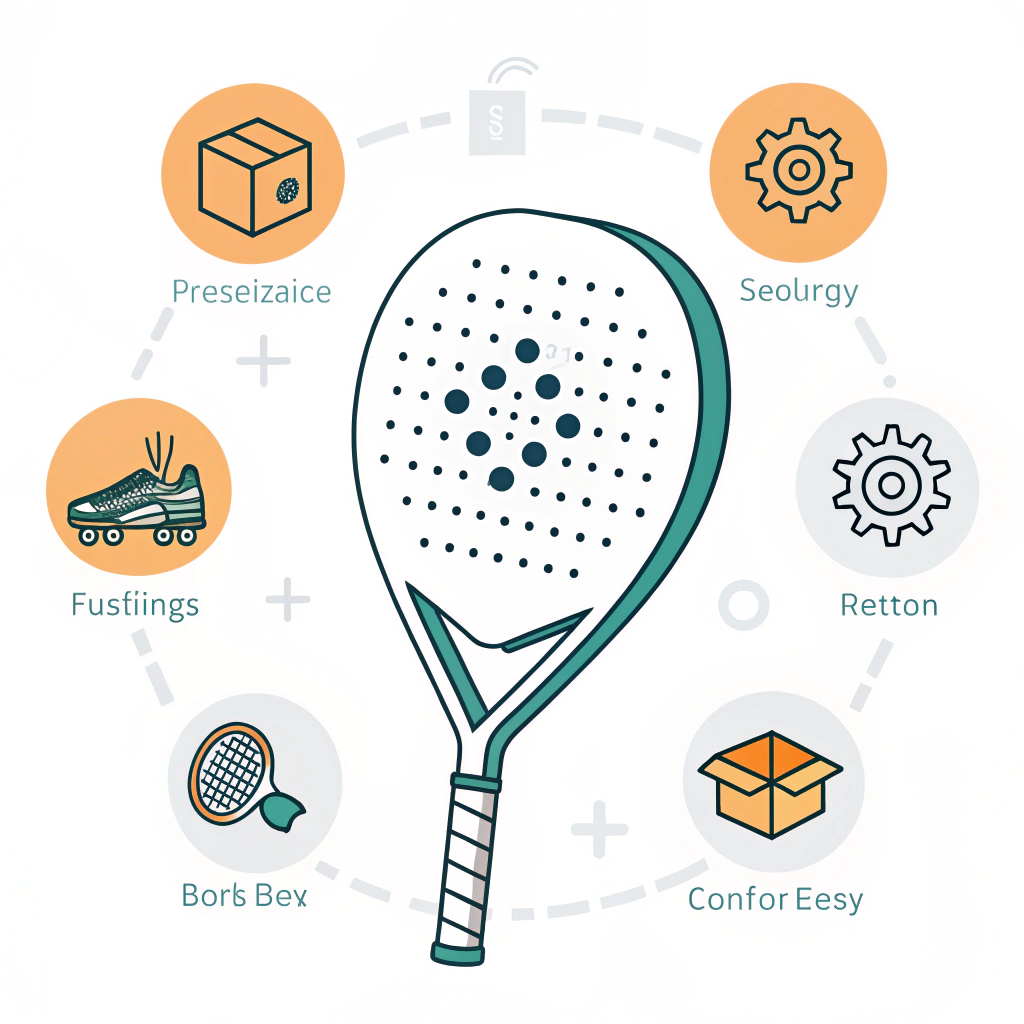
From Layers to Racket: The Step-by-Step Guide
At our factory in Jiaxing, I personally oversee the full production cycle. Here’s the method we follow to ensure each racket meets international standards.
H3: Material Preparation and Cutting
We start by cutting carbon fiber layers and foam cores precisely using CNC machines. This eliminates human error and waste.
H3: Molding and Curing
We then place the components into custom molds and use high-pressure machines to form the racket. Heat and time are carefully controlled.
Any fluctuation in temperature or pressure leads to bubbles or warping — two things we can’t accept.
How to know if a padel racket is good?
Many sellers rely only on visual checks — but good rackets perform, not just look good. Feel, sound, and durability tests are critical.
A good padel racket shows consistent weight, balanced feel, even bounce, solid sound, and survives repeated impact testing4.

Testing a Padel Racket: What We Do at NEX Padel
H3: Weight and Balance
We measure every racket’s weight and balance point with digital scales and custom fixtures.
H3: Vibration and Stress Testing
We simulate match-like shocks by striking the racket repeatedly with mechanical arms.
What is the lifespan of a padel racket?
Players often assume rackets last forever. But repeated impact, sun exposure, and moisture all take their toll — especially on cheaper builds.
A padel racket typically lasts 12 to 18 months for regular players, but high-quality rackets can last over 2 years with proper care.
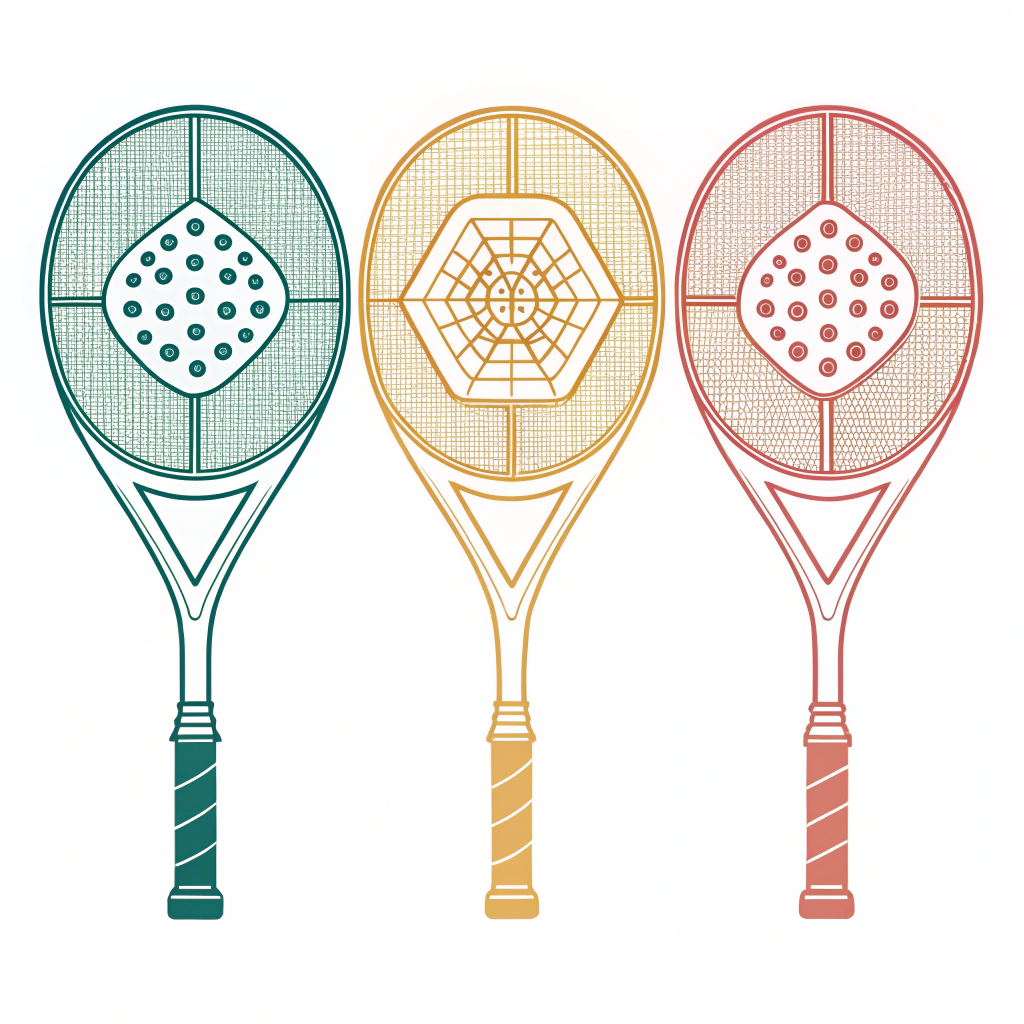
What Affects Racket Lifespan — And How We Extend It
H3: Material Fatigue and Breakdown
That’s why we use UV-resistant coatings5 and pre-treated foam cores in our products.
Conclusion
Controlling every step — from materials to tests — is how we ensure every racket delivers performance, durability, and consistency.
-
Explains why carbon fiber is the industry standard for strength, weight control, and long-term frame stability. ↩
-
Helps buyers understand how EVA foam density affects power, control, and arm comfort. ↩
-
Shows how sandblasting creates durable surface texture for consistent spin performance. ↩
-
Demonstrates how impact testing predicts real match durability and failure risk. ↩
-
Explains how UV-resistant coatings slow material aging and extend racket lifespan. ↩