Skip to content

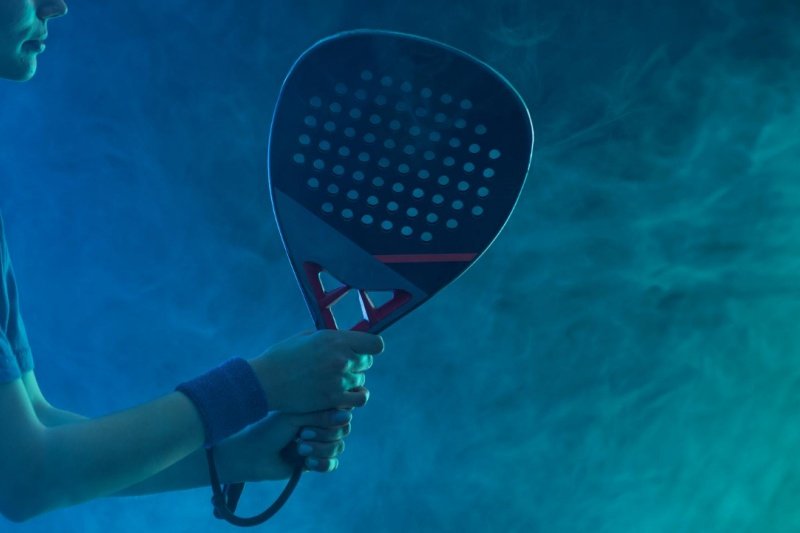
Padel rackets are crucial to your game, but how do you choose the right one? Let's explore the key factors to consider when selecting a top-tier racket.
Professional padel players often use advanced rackets made with cutting-edge materials. These rackets offer increased performance and durability.
If you’re serious about your padel game, you’ll need to understand the key differences between various rackets. Let's dive into what makes the best rackets stand out.
Which padel rackets do professionals use?
Professional padel players rely on the most advanced rackets for peak performance. These rackets offer more control, power, and stability during high-intensity games.
Top players select rackets that optimize their style of play, often choosing those with precise control or extra power.
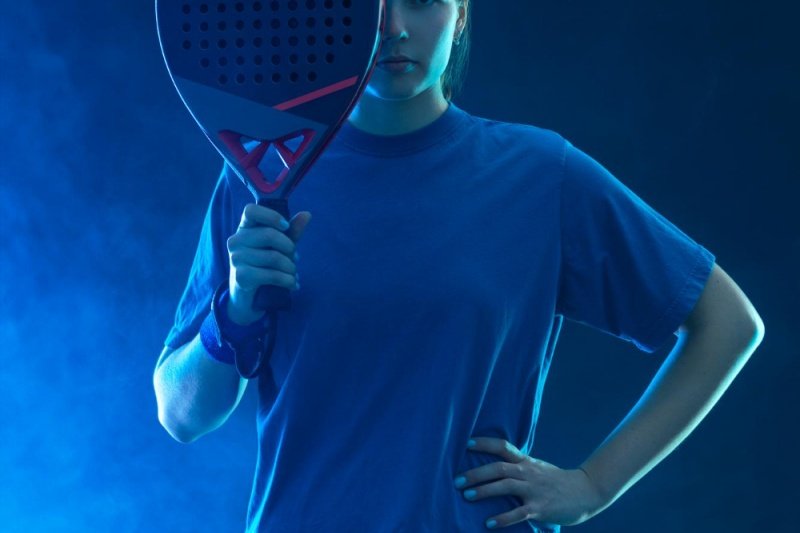
The choice of a racket can make or break a professional match. Many top players opt for rackets made from carbon fiber1, fiberglass2, or other advanced materials. These materials increase durability, reduce vibration, and improve shot accuracy.
Key Factors Influencing Professional Choice
| Factor | Importance | Material Used | Common Racket Brands |
|---|---|---|---|
| Power | High Impact Shots | Carbon Fiber, Kevlar3 | Bullpadel, Adidas |
| Control | Precision Shots | Fiberglass, Carbon | Head, Wilson |
| Durability | Long-Lasting Rackets | Mixed Composites | Nox, Babolat |
As you can see from the table, materials like carbon fiber and fiberglass are crucial for improving power and control. Professionals usually stick with well-known brands that specialize in high-quality manufacturing.
Do expensive padel rackets make a difference?
Expensive rackets often promise superior performance, but do they really live up to the hype? Let's examine the advantages of investing in a high-end racket.
Higher-priced rackets generally offer better durability, control, and power. However, the difference might not be significant for casual players.
While it’s tempting to think that more expensive rackets automatically improve your game, the benefits can vary. For serious players, the feel of the racket, materials used, and balance between power and control are essential factors.
Pros and Cons of Expensive Rackets
| Pros | Cons |
|---|---|
| More power and control | Higher cost may not be justified for beginners |
| Improved comfort and reduced vibration | Might not suit all playstyles |
| Longer lifespan | Can feel heavier or unbalanced for some |
For high-level players, these rackets might be worth the investment, as they tend to provide a better overall game experience. However, if you're just starting, you may not notice a huge difference.
What padel racket is the best?
Choosing the best racket depends on several factors, including playing style, experience, and budget. There’s no one-size-fits-all solution.
The best racket is one that suits your needs, whether you prioritize power, control, or comfort.
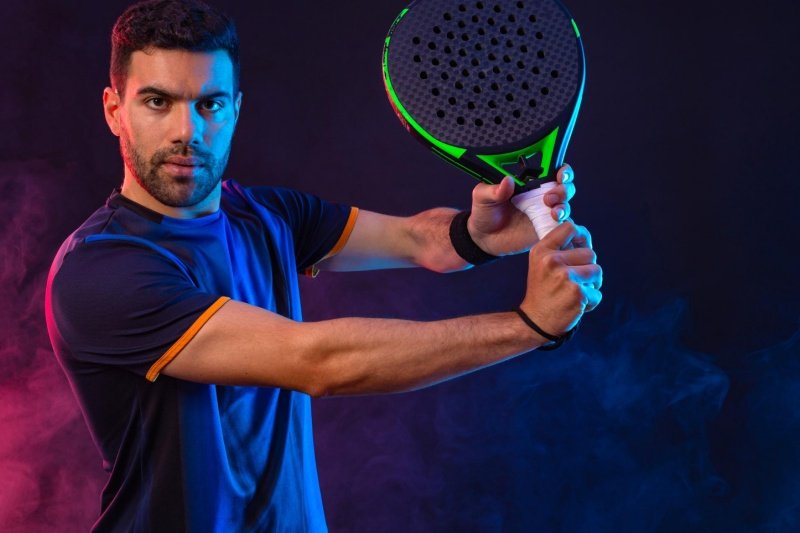
When selecting the best padel racket, consider the grip size, weight, and balance. These features determine how well the racket feels in your hand and how easily you can control shots. Some rackets prioritize comfort with shock-absorbing materials4, while others focus on delivering maximum power.
Key Factors to Consider When Choosing a Padel Racket
| Factor | Ideal For | Recommended Racket Types |
|---|---|---|
| Grip Size | Comfort and control | Small, Medium, Large grips |
| Weight | Power and maneuverability | Lighter rackets (300-350g) |
| Balance | Power or control preference | Head-heavy or balanced rackets |
| Material | Durability and performance | Carbon fiber or fiberglass |
Choosing the right racket means matching the features to your play style. Make sure to test out several options before making a decision.
Is there a big difference between padel rackets?
There are noticeable differences between padel rackets, from the shape and weight to the materials used. But how much do these differences actually matter?
The difference between rackets depends on your skill level and preferences. Experienced players might notice subtle differences, while beginners may not.
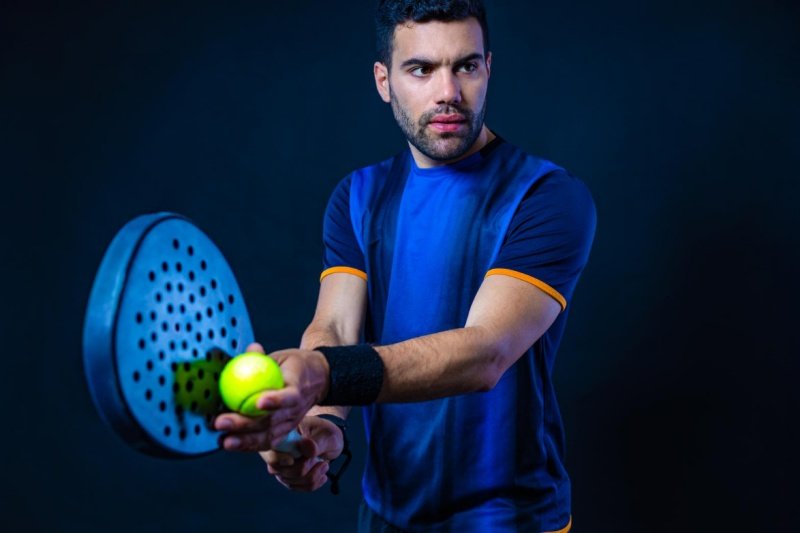
Understanding the variety of rackets available is key. Rackets with a round shape generally offer more control, while diamond-shaped rackets are designed for power. The material used, such as carbon fiber, offers a more durable and responsive feel.
Differences in Padel Racket Design
| Shape5 | Features | Best For |
|---|---|---|
| Round | Larger sweet spot, more control | Beginners and intermediates |
| Teardrop | Balanced control and power | Intermediate players |
| Diamond | Focused power and reduced control | Advanced players |
For beginners, a round racket might be easier to handle, while intermediate players could benefit from a teardrop shape. Advanced players looking for more power might prefer a diamond shape.
Conclusion
Choosing the right padel racket requires consideration of various factors including material, shape, weight, and your personal playing style.
-
Learn how carbon fiber enhances durability and power in padel rackets, commonly used by professionals. ↩
-
Discover the benefits of fiberglass in padel rackets, providing flexibility and control for intermediate players. ↩
-
Find out how kevlar adds strength and reduces vibrations in high-performance padel rackets. ↩
-
Understand the advantages of shock-absorbing materials used in padel rackets for comfort and control. ↩
-
Learn the differences between round, teardrop, and diamond-shaped rackets and how they affect playstyle. ↩