Skip to content

The quick answer: Affordable high-performance padel rackets can be achieved by choosing the right materials and production techniques1 that balance cost and quality. In this article, we compare various options regarding materials, design, and customization2 so that B2B procurement managers can confidently source padel rackets that deliver on performance without a premium price tag.
In today’s competitive padel market, distributors, procurement managers, and retail partners are often confronted with an overwhelming selection of products. The challenge is selecting a racket that offers durability and high performance at a cost-effective price. In this comparative analysis, we take an in-depth look at affordable padel equipment, focusing primarily on production quality, racket design, and customization features that matter to your business decision-making process.
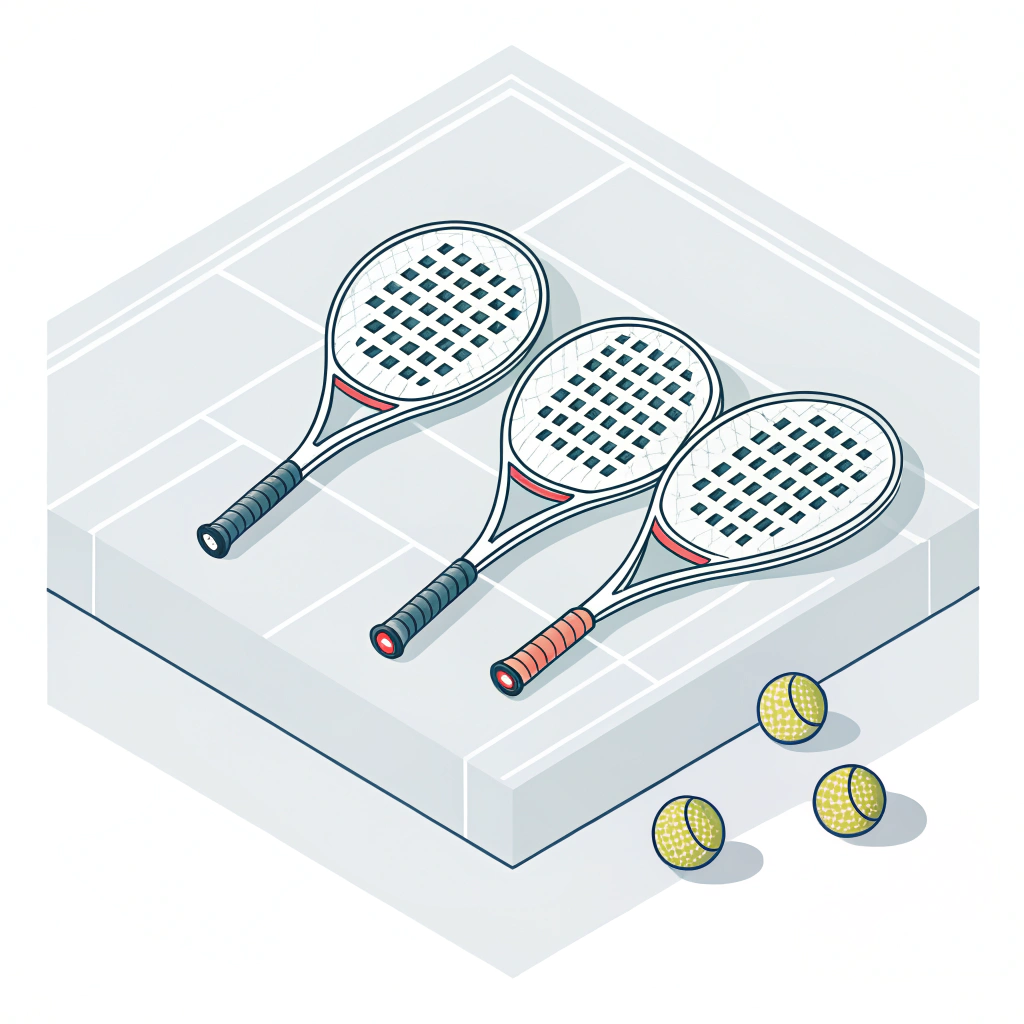
Problem Setup: The Purchasing Dilemma
Procurement managers must balance budget constraints with the demand for performance. Low-cost ball rackets often come with trade-offs in durability and technological advancements, leading to decreased consumer satisfaction. When purchasing, it is essential to compare the core components: materials, manufacturing processes, design shapes, and customization options. By doing so, enterprises avoid costly over-investments in unnecessary premium features while still delivering high-performance products that boost market competitiveness.
Core Differences: Comparative Dimensions in Padel Racket Production
One of the quickest ways to compare affordable and premium padel rackets is by evaluating key differences in materials and manufacturing technology. Many suppliers, including our team at NEX Padel, provide a nuanced spectrum ranging from glass fiber3 options to various grades of carbon fiber4 (3k, 12k, and 18k). Each material type influences the racket’s weight, balance, power, and durability. Moreover, manufacturers offer diverse shapes like Diamond, Round, and Teardrop, each optimized for specific player needs and playing styles.
Key aspects to consider include:
• Material strength and durability
• Production technique precision
• Customization capability to match branding
• Cost-effectiveness in bulk manufacturing
• Actual performance feedback from end users
We now bring these concepts together in a detailed comparison table.
Detailed Comparison Table
| Feature | Basic Material (Glass Fiber) | Mid-Tier Carbon Fiber (3k/12k) | Premium Carbon Fiber (18k) |
|---|---|---|---|
| Durability | Reliable for beginners and recreational players | Enhanced durability and improved balance suited for regular players | Superior durability, ideal for highly competitive play |
| Weight | Slightly heavier, less dynamic performance | Lightweight with balanced performance | Ultra-light and extremely responsive |
| Production Techniques | Standard layup and molding techniques | Advanced production with precision techniques for consistency | Cutting-edge production ensuring exquisite performance |
| Customization Options | Limited color and decal options | Moderate customization such as color and prints | High level of customization including racket shape, prints, and handle details |
| Cost-Effectiveness | Most affordable, ideal for bulk orders with basic needs | Balance between cost and high performance | Higher initial investment but optimized for performance-oriented retailers |
This table highlights that while premium options promise superior performance, mid-tier products often deliver an excellent balance for businesses seeking cost-effective yet high-performance rackets.
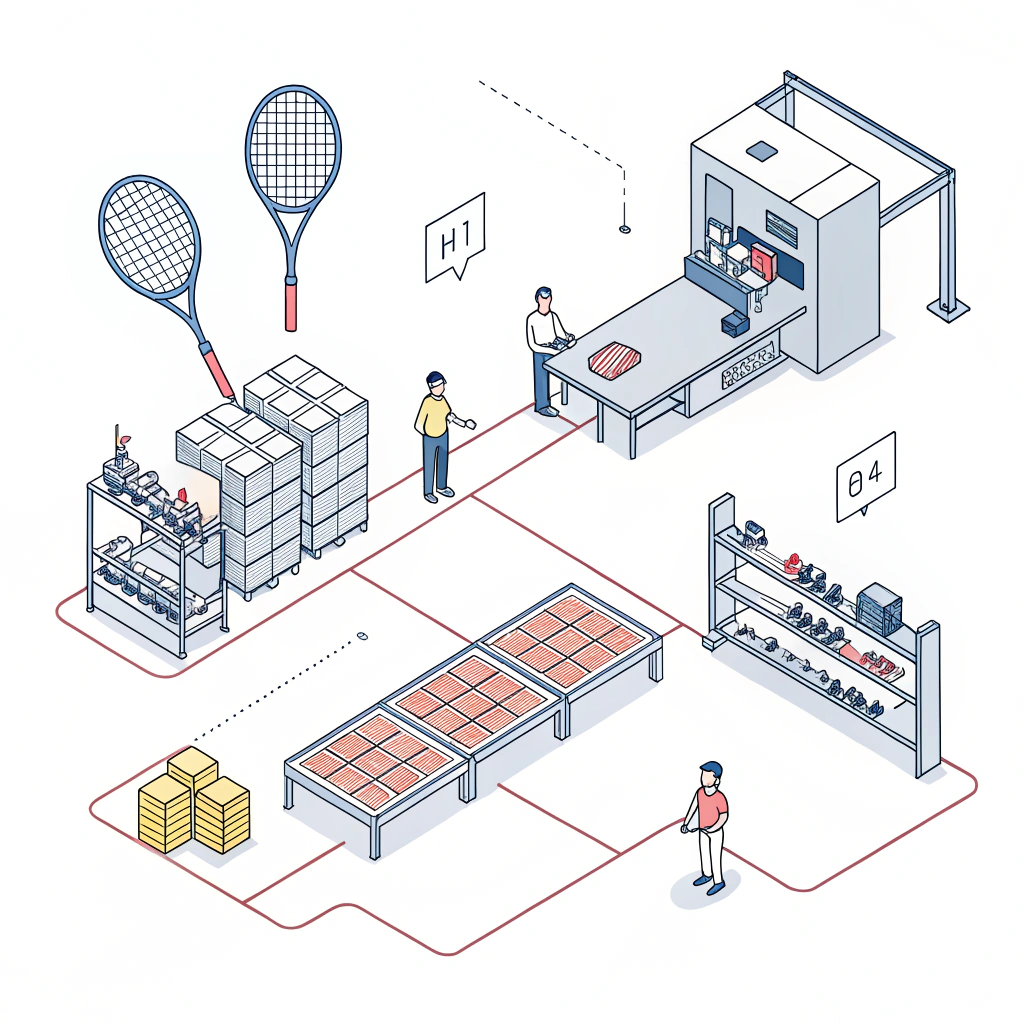
Production Techniques and Customization Insights
At NEX Padel, our production methods have been refined over years to ensure padel rackets meet both affordability and performance benchmarks. The process begins with selecting the right raw materials—from glass fiber3 for the entry-level market to multi-layered carbon fiber4 constructions that meet higher performance demands. Our rigorous quality control ensures that every racket, regardless of the material grade, delivers consistently high performance on the court.
Key production insights include:
- Advanced layup techniques: By utilizing both automated and hand-finishing methods, we ensure each racket is built with precision and consistency. This is critical whether the product is a high-volume budget model or a specialized performance model.
- Customization at scale: Consumer branding is vital in today’s market. Our advanced molding and printing technologies allow for full customization regarding color schemes, prints, and even racket shapes such as Diamond, Round, and Teardrop. This capability supports our B2B clients in creating unique market differentiators for their retail or distribution channels.
- Balanced performance design: Our design philosophy adheres to a blend of aerodynamic structure and robust structure integrity. The choice of handle types, such as customizable hand grips and logo imprinting on handle covers, enables marketers to enhance their brand identity.
Understanding these production techniques and how they relate to cost, performance, and customization helps procurement managers directly address their market demands without compromising on quality.
Operational Considerations and Usage Scenarios
When deciding on which padel racket to purchase, the operational context matters greatly. Consider the following usage scenarios:
-
Scenario 1: Serving Beginners and Recreational Players
For clients targeting beginners, a basic glass fiber racket offers sufficient durability and performance. The lower cost translates into lower risk. The simpler customization options can be used to carry essential brand information without overcomplicating the product. -
Scenario 2: Catering to Intermediate Players
When the target market consists of regular players seeking better performance, opting for a mid-tier carbon fiber racket strikes an ideal balance between cost and performance. These rackets offer improved weight distribution and responsiveness, making them suitable for competitive club environments. -
Scenario 3: Meeting the Demands of Competitive Athletes
High-level or professional players demand premium performance, which is best achieved with high-grade 18k carbon fiber rackets. Although these rackets come at a higher price point, their performance, durability, and advanced customization options justify premium pricing in markets where performance is the key selling point.
A clear understanding of the customers’ profiles—and aligning the product features with these profiles—will help procurement managers steer through the purchasing decision with confidence.
Integration with Marketing Strategies
For distributors and retail partners, promoting a well-defined value proposition is essential. Here is how you can integrate the technical superiority and cost-effectiveness of our padel rackets into your marketing strategy:
• Feature production transparency: Share insights on how advanced production techniques and careful material selection yield a high-performance product.
• Leverage customization: Emphasize the ability to fully customize racket shapes, colors, prints, and even handle attributes. This allows you to cater to varied market segments and build brand loyalty.
• Data-driven pitching: Use comparative tables and real-world performance statistics to highlight the balance between cost and performance. This builds credibility with buyers, helping them make informed purchase decisions.
These marketing insights promote not only product features but also demonstrate the thought leadership and reliability of your supply chain.

Case Studies and Real-World Performance
In many instances, our clients have experienced significant success by offering our padel rackets. For example, a European sports distributor opted for our mid-tier carbon fiber rackets (3k/12k) as their core product offering. They reported increased sales volume and brand satisfaction thanks to the consistent high performance and attractive customization options. Other clients appreciated that despite the competitive price, our rackets met the stringent durability standards demanded by amateur and semi-professional players alike.
These real-life examples demonstrate that with the right manufacturing and quality control, affordable products can win in performance. The comparative study between different materials shows that even mid-tier options can provide remarkable playability when designed and manufactured with advanced techniques.
Final Thoughts and Action Recommendations
When considering which padel racket to add to your product line, carefully evaluate the following:
- Identify your target market segment—whether it is beginners, intermediate players, or high-performance athletes—and choose the material grade accordingly.
- Assess the production techniques and quality control measures. Our methods at NEX Padel are designed for both scale and precision, ensuring consistency across large orders.
- Leverage customization to differentiate and promote brand identity. Custom prints and unique racket shapes are not just aesthetic values; they are tools to captivate end users.
- Compare side-by-side with competitor products using detailed data and performance metrics. A clear comparative table can be a decisive asset in explaining the quality and cost-effectiveness of your offering.
In conclusion, the decision to invest in affordable yet high-performance padel rackets should be driven by a comprehensive analysis of material properties, production techniques, and customization capabilities. By adopting a balanced approach, you can minimize risks while ensuring your product meets market expectations. We encourage you to compare different options, use the provided data, and ultimately select a product that delivers maximum return on investment in terms of consumer satisfaction and brand enhancement.
Take action today by reviewing your existing product portfolio, comparing specifications, and contacting our team at NEX Padel for detailed technical insights and competitive pricing. Our innovative production techniques and flexible customization options are here to support your business growth and success in the thriving padel market.
People Also Ask
Q1: What is the best budget padel racket?
A1: The best budget padel racket is one that balances affordability with performance, typically using materials like glass fiber or mid-tier carbon fiber (3k/12k) which offer durability and consistent play without a high price tag. Manufacturers like NEX Padel produce such rackets with advanced production techniques ensuring quality and design flexibility.
Q2: How much should I spend on a padel racket?
A2: The recommended spending on a padel racket depends on the level of performance needed. While advanced players may consider investing around £170 or more to secure good performance features, many distributors find that mid-tier options provide a solid balance between cost and functionality suitable for bulk purchasing.
Q3: Do expensive padel rackets make a difference?
A3: Expensive padel rackets often offer superior performance, comfort, and durability, especially for competitive players; however, for beginners or casual users, a well-made, affordable racket may provide sufficient performance. The decision should align with the target market and usage frequency.
-
Production Techniques: Read more to understand various manufacturing processes that balance cost-efficiency with high-quality output, ensuring products meet rigorous performance standards. Back to Production Techniques ↩
-
Customization: Discover insights on tailoring product features to enhance brand identity and market differentiation, providing added value for B2B buyers. Back to Customization ↩
-
Glass Fiber: Learn about the advantages of glass fiber in padel racket construction, including its impact on cost, durability, and performance for entry-level products. Back to Glass Fiber ↩ ↩2
-
Carbon Fiber: Explore the properties of carbon fiber, its different grades, and how it contributes to lightweight design, strength, and high performance in competitive rackets. Back to Carbon Fiber ↩ ↩2