Skip to content

High-performance carbon fiber1 tennis rackets and OEM2 padel racquets can be built with precise production techniques, diverse carbon grades, and a strong focus on timely delivery and customization. In other words, partnering with a manufacturer that masters advanced production methods3, offers transparent pricing, and meets rigorous quality standards is key to making the right procurement decision.
Procurement managers in the sports equipment industry face several challenges when sourcing carbon fiber1 tennis rackets and OEM padel racquets. They must balance quality, performance, pricing, and production timelines while ensuring that customization options match market demands. The inherent complexity arises from several factors:
- Material Variations: Our production process involves using multiple carbon fiber grades (3k, 12k, and 18k carbon fibers4) to achieve the desired rigidity, flexibility, and durability.
- Customization Requirements: Besides racket shape (Diamond, Round, and Teardrop), companies often require personalized printing, colors, and even individualized hand grip and handle covers with customized logos.
- Production Timelines: Quick sampling and reliable delivery are crucial in reducing time-to-market, especially for companies that operate in competitive and fast-moving sports markets.
By understanding these challenges, procurement managers can better evaluate potential manufacturing partners and ensure that the final product not only meets but exceeds industry standards.
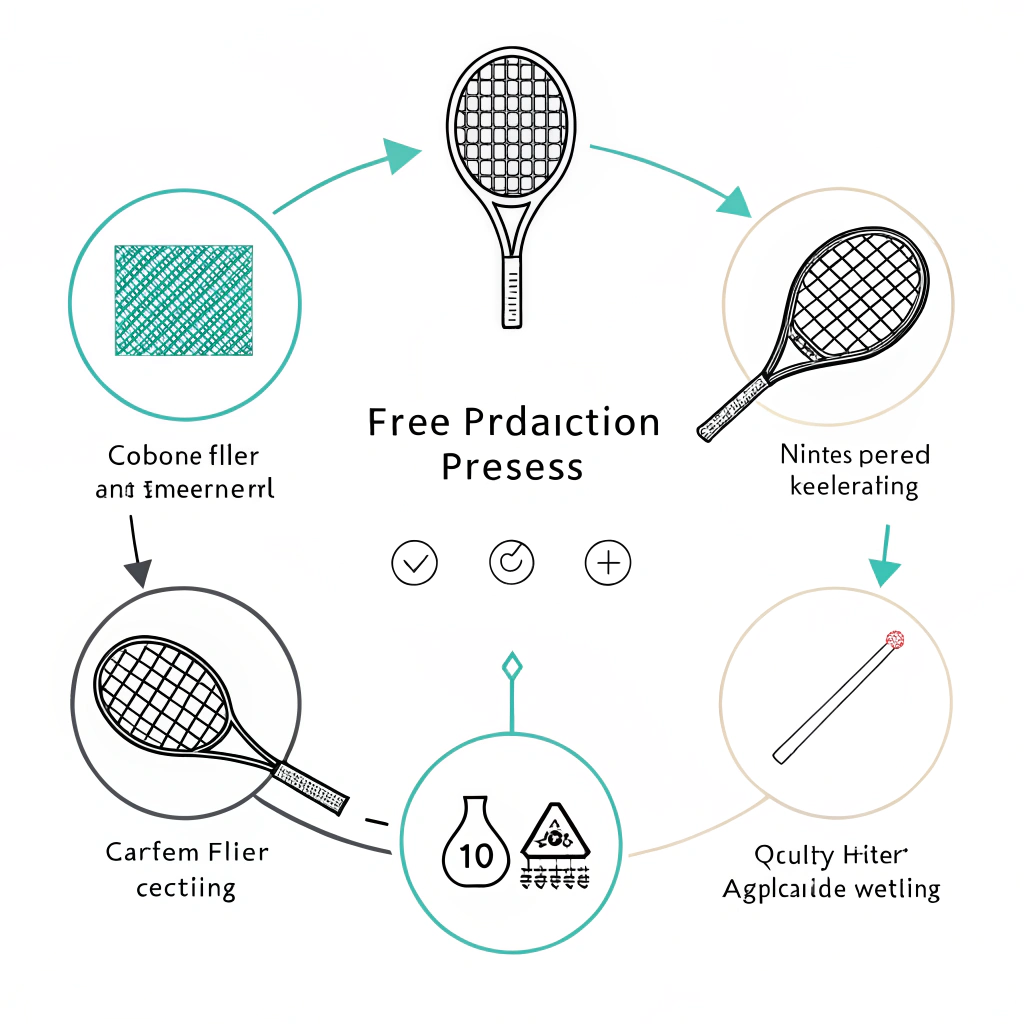
At NEX Padel, our approach is deeply rooted in using state-of-the-art production techniques that guarantee optimal performance and durability. Here are several key points regarding our production process:
-
Advanced Carbon Technology:
Using 3k, 12k, and 18k carbon fibers4 provides a spectrum of performance qualities. Lower-grade carbon (3k) tends to offer a balance between flexibility and cost efficiency, while higher-grade fibers (12k and 18k) can be used to enhance stiffness, power, and overall durability. -
Optimized Manufacturing Processes:
Our production techniques focus on precision and consistency. We ensure each racket has the right alignment of fibers, optimal resin application, and controlled curing processes to maximize strength and performance. -
Customization Flexibility:
For OEM projects, customization is not just an add-on—it’s an integral part of our process. We allow clients to modify racket shapes, colors, and personalized logos, ensuring that the final product reflects their brand identity and meets their specific performance requirements. -
**quality assurance5 and Performance Validation:
Our rigorous quality assurance processes incorporate multiple testing phases, ensuring that every product dispatched meets the high standards demanded by the sports industry.- Material Verification: Ensuring that the carbon fiber meets the specified grade and is used within optimal parameters.
- Process Consistency: Using automated processes where possible to maintain high standards.
- Final Product Testing: Each racket is evaluated under simulated stress conditions to verify performance on the court.
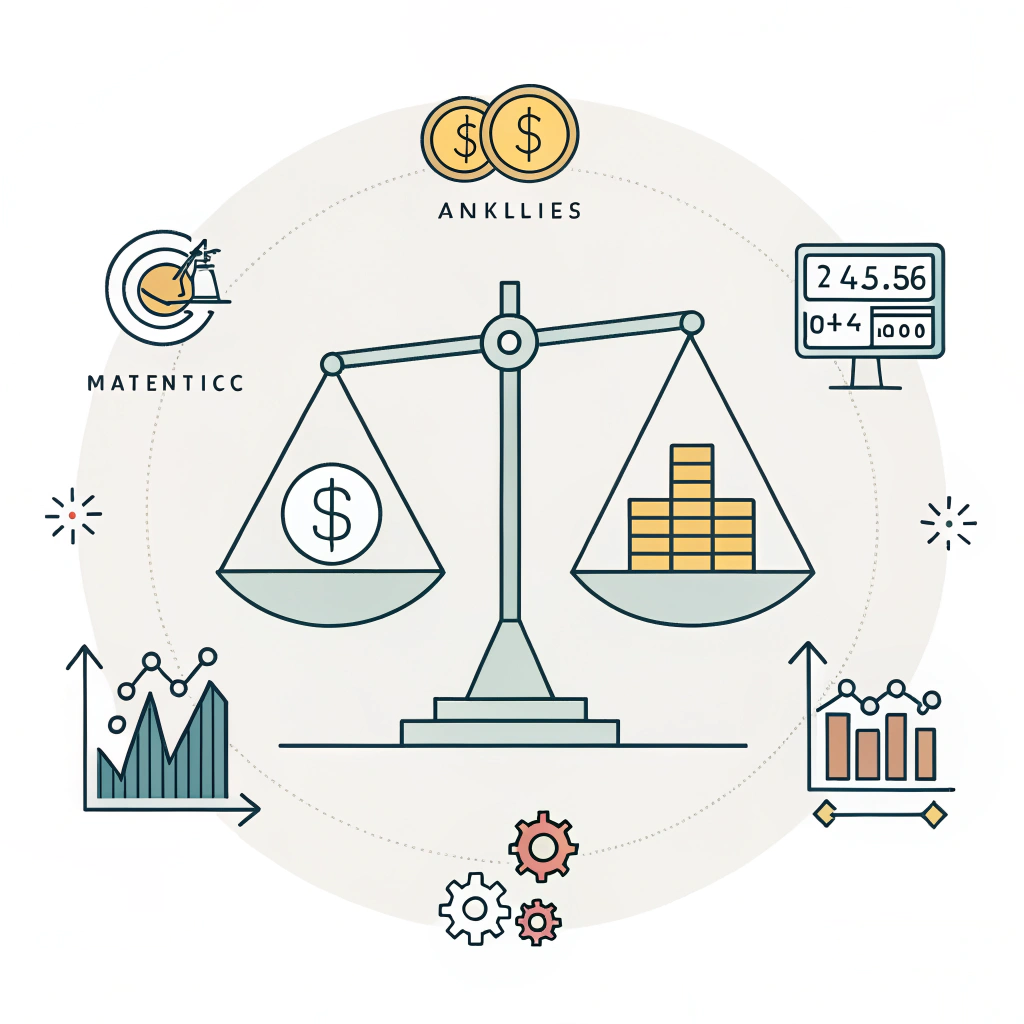
Understanding the cost structure behind high-performance rackets is essential for making informed procurement decisions. Several factors contribute to pricing:
- Material Costs:
Carbon fiber is a premium material, and different grades affect overall pricing. More layers or higher-grade fibers typically increase the cost. - Production Complexity:
The intricacies of layup, molding, curing, and finishing processes contribute to production costs. - Customization:
Custom shapes, printing, and personalized accessories (such as hand grips and handle covers) add an additional layer of expense. - Scale and Efficiency:
Larger production volumes often benefit from economies of scale. However, smaller orders may see a higher per-unit cost due to setup and custom tooling.
Below is a sample breakdown table that outlines common elements affecting the cost structure:
| Factor | Impact on Cost | Considerations for OEM Orders |
|---|---|---|
| Material Grade | Higher carbon grades (12k, 18k) cost more | Select materials based on performance needs |
| Production Process | Precision manufacturing increases costs | Balance between quality and budget |
| Customization | Custom shapes and printing incur extra fees | Detailed specification helps manage costs |
| Order Volume | Economies of scale reduce unit cost | Bulk orders are ideal for cost-effective pricing |
| Quality Assurance | Rigorous testing adds to manufacturing cost | Ensure compliance with industry standards |
By evaluating each component of the production process and cost factors, procurement managers can better understand the trade-offs and make decisions that align with their budget and performance requirements.
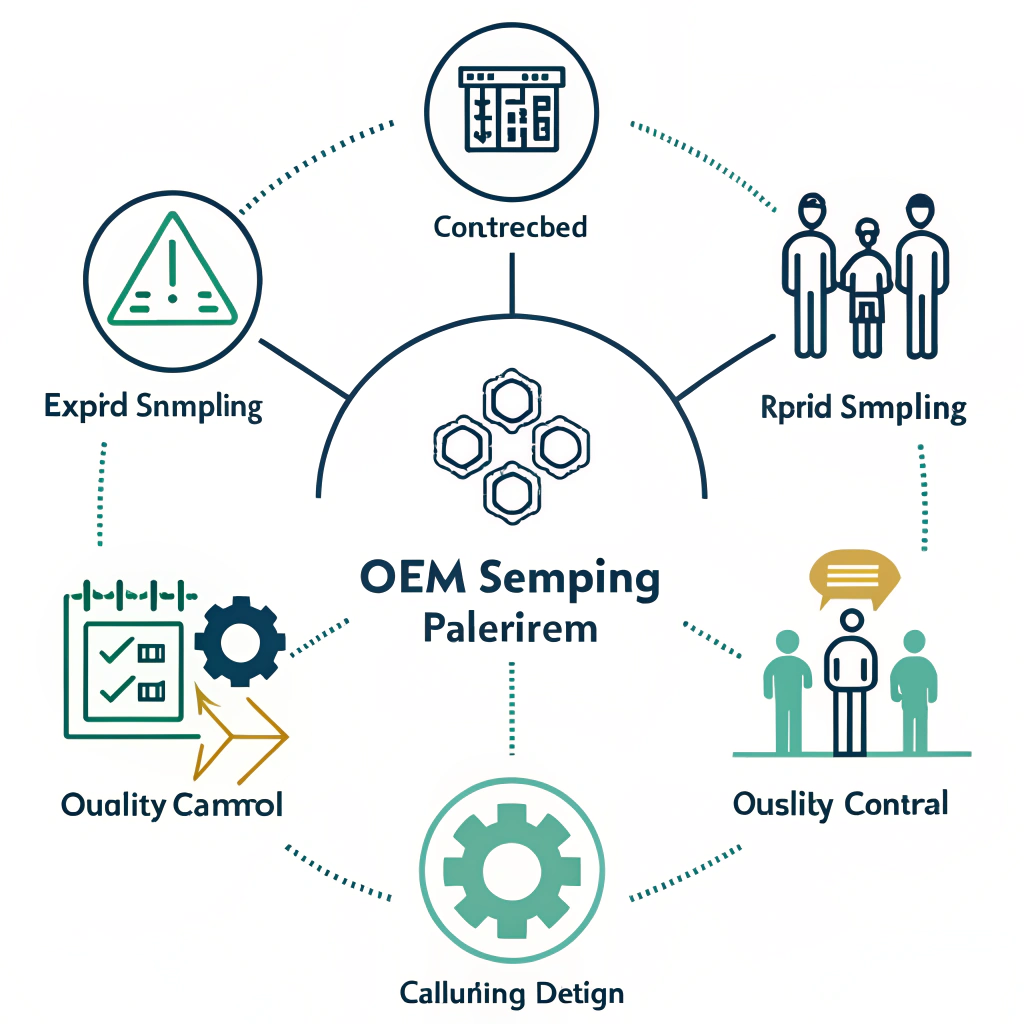
Partnering with NEX Padel means aligning with a manufacturer that prioritizes both innovation and consistency. Here are some critical aspects of our OEM partnership:
-
Rapid Sampling and Quick Turnaround:
We pride ourselves on our ability to provide rapid sampling. This approach allows our clients to make informed decisions early in the design process. The speed of our sample production ensures that any necessary revisions are identified and implemented swiftly, reducing time to market. -
Tailored Product Solutions:
Whether it is a custom shape like Diamond, Round, or Teardrop, or specialized features such as custom hand grip logos, we adapt our production lines to meet these demands. Our in-house design team collaborates closely with clients to create products that meet specific requirements. -
Strict Quality Control Measures:
Our commitment to quality is demonstrated in every step of the production process—from material sourcing to final product testing. Every batch undergoes stringent inspection protocols to ensure consistent performance and durability.- Material Verification: Ensuring that the carbon fiber meets the specified grade and is used within optimal parameters.
- Process Consistency: Using automated processes where possible to maintain high standards.
- Final Product Testing: Each racket is evaluated under simulated stress conditions to verify performance on the court.
-
Cost Transparency:
We provide detailed cost breakdowns, enabling procurement managers to see where each dollar is allocated. This transparency builds trust and aids in making budget-constrained decisions without sacrificing quality.
These measures not only secure a robust product but also develop a long-term partnership where communication, trust, and mutual success are at the forefront.
Several well-known brands, including Hirostar, Reebok, and Starvie, have trusted NEX Padel to meet their OEM requirements. Here’s a brief look at why these brands rely on our expertise:
-
Technical Proficiency:
Our ability to incorporate advanced carbon technologies enables us to deliver products that combine power, control, and durability. The specific tailoring of material grades aligns with each client’s performance criteria. -
Customization Excellence:
For many of our clients, the ability to customize aspects such as the racket’s shape, printing, and even grip design has been a deciding factor. This flexibility has allowed our partners to maintain a unique brand identity while delivering superior performance. -
Efficient Supply Chain and Delivery:
We leverage robust production processes and efficient logistics to ensure that orders are fulfilled on time, even when dealing with high production volumes. This reliability is critical in a highly competitive market where delays can lead to missed opportunities.
Below is a simplified comparison table summarizing key success factors:
| Key Factor | Traditional Supplier | NEX Padel Advantage |
|---|---|---|
| Material Quality | Limited carbon fiber options | Wide range: 3k, 12k, 18k for tailored performance |
| Customization Options | Restricted shapes and design choices | Fully customizable shapes and branded features |
| Production Timeline | Often strict and lengthy timelines | Rapid sampling and timely delivery |
| Price Transparency | Vague cost breakdowns | Detailed, open cost analysis for every order |
| Quality Assurance | Standard quality checks | Rigorous testing and quality control protocols |
These factors have not only strengthened our partnerships but also contributed directly to their market success by providing products that meet evolving consumer demands.
In conclusion, procurement managers should consider the following steps when evaluating suppliers for high-performance carbon fiber tennis rackets and OEM padel racquets:
-
Assess Material Specifications:
Look for partners who offer a variety of carbon fiber grades to match your performance needs. Understand the differences between 3k, 12k, and 18k carbon fibers4 and choose the appropriate material based on your product’s target market. -
Evaluate Production Capabilities:
Prioritize manufacturers with advanced production methods3 that ensure high precision in fabrication. Ask for samples and production timelines to confirm the manufacturer’s ability to meet deadlines. -
Demand Cost Transparency:
A detailed cost breakdown is essential. Choose suppliers that openly share pricing details and can explain how production costs are structured. This transparency enables you to compare suppliers effectively and make informed decisions. -
Prioritize Customization Flexibility:
In today’s competitive market, customized products can provide a unique advantage. Suppliers like NEX Padel provide a wide range of customization options—from shape and color variations to custom logos on grips and handle covers. -
Ensure Timely Delivery:
Reliable and quick delivery is just as important as the product quality. Confirm that the supplier has a robust logistics and supply chain plan, so your production schedule is not affected by delays. -
Confirm quality assurance5 Processes:
Look for evidence of rigorous testing protocols. Ask for documentation or case studies that demonstrate how products are tested during and after production to ensure they meet international standards.
By following these recommendations, procurement managers can significantly reduce risks and ensure they are partnering with a supplier that not only meets technical requirements but also aligns with long-term business objectives.
Q1: How much is a good padel racket?
A good padel racket can range widely in price depending on the brand and materials used. Typically, well-made rackets from trusted brands start at around £50 and can go up to £300, while some premium models available online may exceed £400.
Q2: Which is better carbon or fiberglass padel racquets?
A padel racket made entirely of fiberglass usually offers greater ball output during slower hits, such as when playing at the bottom of the court, due to its higher flexion and spring effect compared to a racket that uses layers of carbon fiber.
Q3: Are expensive padel rackets worth it?
Investing in a more expensive padel racket may provide benefits if you have outgrown your entry-level model. However, the most expensive racket does not automatically enhance your gameplay—it is important to choose a racket that suits your playing style and has been proven effective over time.
-
carbon fiber: Click to explore the properties and applications of carbon fiber in high-performance products, including its lightweight and durable characteristics. ↩ ↩ ↩2
-
OEM: Click to learn about Original Equipment Manufacturer processes, benefits, and strategic partnerships that can optimize your supply chain and product development. ↩ ↩
-
advanced production methods: Click to delve into modern manufacturing techniques that improve precision, reduce error rates, and ensure consistent quality across production runs. ↩ ↩ ↩2
-
3k, 12k, and 18k carbon fibers: Click to understand the differences in carbon fiber grades, how they influence product performance, and the factors to consider when selecting the right material. ↩ ↩ ↩2 ↩3
-
quality assurance: Click to read about quality assurance strategies, testing protocols, and best practices that guarantee products meet rigorous industry standards. ↩ ↩ ↩2