Skip to content
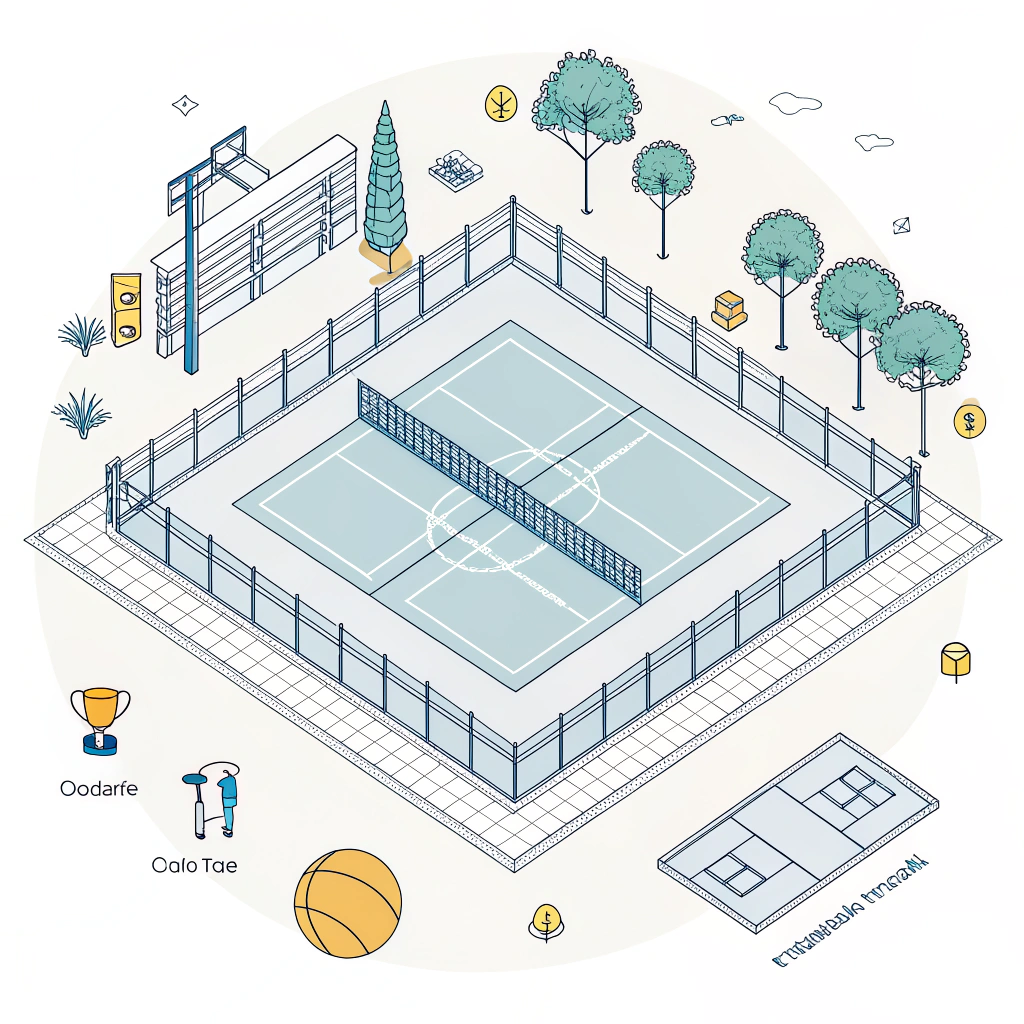
Quick Answer: Constructing a padel facility can cost between £55,000 and £80,000 for a new build in some markets, with variations based on materials, design complexity, location, and customization options. Detailed planning and cost breakdowns are essential to ensure sound investment decisions.
For decision-makers exploring sports facility investments, a clear and structured analysis of the padel court construction cost1 is critical. In this article, we will break down the cost elements and provide practical tips and strategies that can support your feasibility studies and help shape your capital expenditure plans. We will also compare examples from different regions, such as the UK, Spain, and Dubai, to offer a broad perspective.
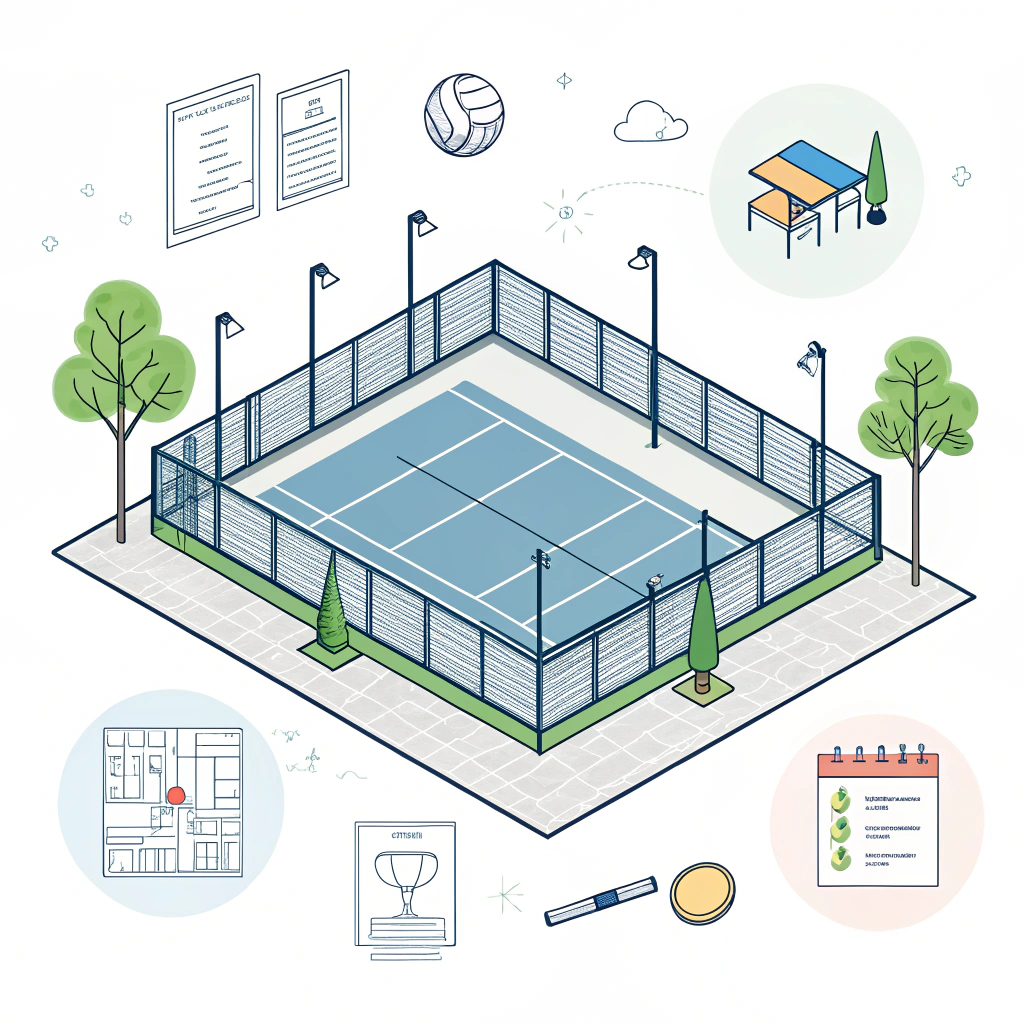
Building a padel facility involves several cost drivers including site preparation, material selection, labor, customization, and ancillary features such as lighting or branded elements. As the padel market expands, investors face challenges such as:
• Determining an accurate budget
• Balancing quality with cost
• Choosing materials that offer durability and performance
• Customizing designs for brand identity
• Integrating additional features to enhance user experience
A miscalculation in early budgeting can derail projects or, worse, result in compromised quality. Hence, a detailed understanding of every cost factor is necessary for successful project management.
Site preparation is often one of the first substantial costs in any construction project. This phase involves:
- Clearing the ground and leveling the site
- Laying the foundation
- Installing water and drainage systems
The initial costs can vary depending on the condition of the site and the regional regulations. Urban sites may require additional permits and must adhere to local construction codes.
Material selection is crucial, not only for the performance but also for the durability of the padel court. Our company, NEX Padel, utilizes a variety of high-performance materials such as fiberglass models2 and 3k, 12k, and 18k carbon fiber composites3. Each material serves different market segments:
- Fiberglass: A cost-effective option offering good durability, suitable for entry-level facilities.
- 3k and 12k Carbon Fiber: Provide enhanced performance, ideal for mid-range courts requiring improved durability and aesthetics.
- 18k Carbon Fiber: Used in high-end courts that demand superior performance and longevity.
These choices can significantly influence the overall expenditure. A table below outlines cost estimates related to material choices:
| Material Type | Estimated Cost Impact | Typical Usage |
|---|---|---|
| Fiberglass | Moderate | Entry-Level / Budget Facilities |
| 3k Carbon Fiber | Higher | Mid-Range, Standard Padel Courts |
| 12k/18k Carbon Fiber | Highest | Premium and Custom Designed Courts |
Customization has become a key differentiator in the padel facilities market. Custom options include:
- Custom Shapes and Designs: Beyond the basic Diamond, Round, and Teardrop shapes, offering unique designs helps strengthen brand identity.
- Custom Printing and Color Options: Brand-specific designs on the court surface or hand grips allow facilities to stand out.
- Accessory Customization: Hand grips and handle covers that feature your company logo enhance your brand experience.
While these improvements increase the upfront cost, they substantially benefit your facility's market appeal and can drive higher ROI.
Labor costs often represent a significant portion of the project expense. These costs vary depending on:
- Regional labor rates
- Complexity of installation
- Timeline requirements
Experienced contractors and rapid prototyping methods help reduce both time and risk. For investors, partnering with manufacturers with a proven track record, like NEX Padel, ensures that installations are completed correctly and efficiently.
Investors should begin with a meticulous breakdown of expenses. A clear budgeting table is an effective tool:
| Component | Cost Range (USD/GBP/Euro) | Key Considerations |
|---|---|---|
| Site Preparation | Variable (Dependent on location) | Soil condition, permits, groundwork complexity |
| Materials (Fiberglass vs. Carbon) | Low to High | Performance, durability, and market positioning |
| Labor and Installation | 20-30% of total project cost | Contractor reliability, regional labor rates |
| Customization Features | Additional 10-15% depending on scope | Branding, custom design, accessory customization |
| Ancillary Features (Lighting etc.) | Variable | Energy efficiency, installation complexity |
Conducting a detailed cost analysis not only provides a roadmap for expenditures but also helps identify potential cost-saving areas without compromising quality.
Choosing the right material for your padel facility is vital. Consider the following strategies:
• Evaluate long-term performance versus short-term savings
• Factor in durability and maintenance costs
• Assess potential customization requirements and their cost implications
By aligning your material choice with your targeted customer segment, you can strike a balance between investment efficiency and facility performance.
Effective project management minimizes delays and cost overruns. Key strategies include:
- Employing a dedicated project manager with expertise in sports facility construction
- Regular progress audits and leveraging technologies like BIM (Building Information Modeling)4
- Close coordination with suppliers like NEX Padel who offer rapid prototyping and delivery timelines, ensuring timely project completions
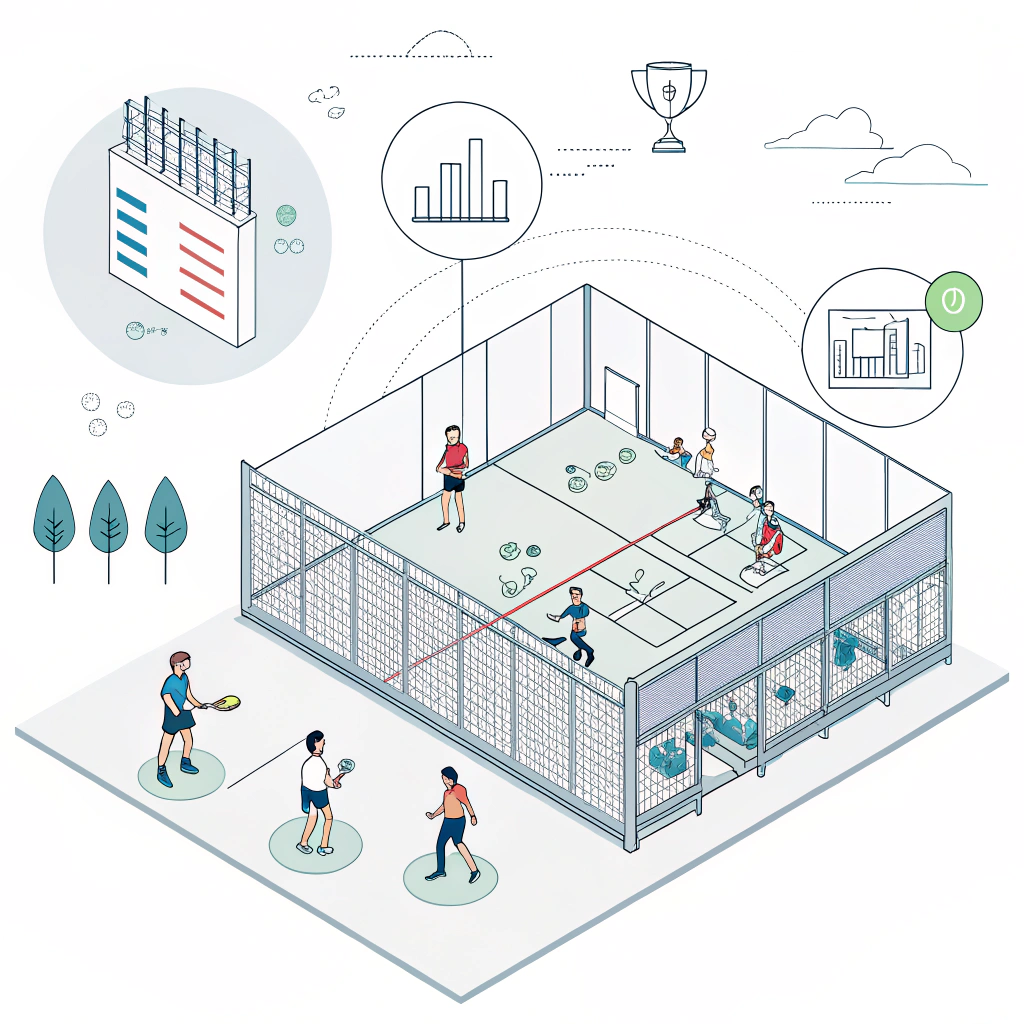
Before committing significant funds, an ROI (Return on Investment)5 analysis is essential. Factors to consider include:
• Estimated facility usage rates
• Maintenance and operational costs over time
• Market trends in the padel industry
• Comparison of initial investment versus potential revenue streams
Investors should use benchmarking data and case studies to form realistic revenue forecasts and determine the payback period for their projects.
In the UK, a new build padel facility typically falls within the range of £55,000 – £80,000. The cost incorporates high-quality materials like 3k carbon fiber, standard site preparation, and basic customization options. Facilities with additional features such as branding elements and advanced lighting solutions can push the cost towards the upper range.
Spain's padel market reveals distinct tiers:
- Basic Build: A conventional padel court starts at around 14,000 – 15,000 euros, covering the essentials.
- Enhanced Custom Build: Incorporating premium materials, improved drainage systems, better lighting, and branding can raise the cost to approximately 18,000 euros or more.
This differentiation emphasizes the influence of customization and ancillary features on the overall cost – a factor that investors must account for when comparing bids.
Dubai's sports facilities cater to a premium market. Here, the overall cost for a padel facility is significantly higher, often around 75,000 Dirhams. Premium material selection, high-end customization, and advanced lighting and canopy installations are standard offerings in this region. Investors need to plan carefully and work with experienced suppliers to meet these high standards.
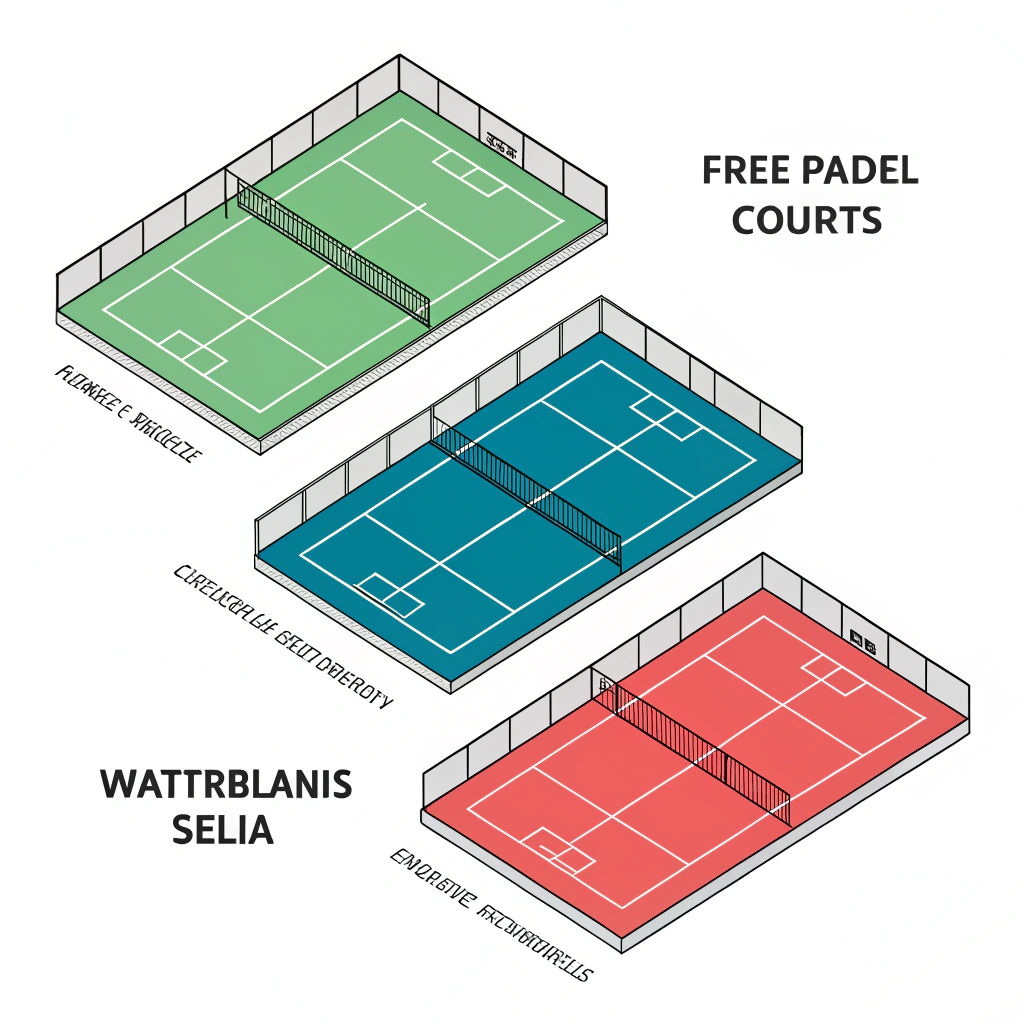
- Comprehensive Feasibility Study: Start with a robust feasibility study that covers land acquisition, market demand, construction costs, and ROI projections.
- Select Trusted Partners: Collaborate with industry leaders like NEX Padel, who bring both innovation and reliability to the table.
- Prioritize Customization: Leverage customization options to create a competitive edge and enhance long-term revenue.
- Plan for Contingencies: Outline potential cost overruns and include a contingency buffer to manage unforeseen expenses.
- Monitor Technological Advancements: Stay updated with advancements in construction techniques and materials that can improve efficiency and lower maintenance costs.
By following these actionable steps and leveraging detailed cost analysis data, sports facility investors can make well-informed decisions that maximize both performance and profitability.
People Also Ask
• How much does a padel facility cost?
The average cost for building a new padel facility ranges between £55,000 and £80,000. This cost can vary based on the quality of materials used, the complexity of customization, labor costs, and the specific requirements of the site preparation and ancillary features.
• How much does it cost to build a padel court in Spain?
In Spain, the basic construction cost for a padel court starts at approximately 14,000 to 15,000 euros. When enhanced quality materials and additional features such as improved lighting are added, the cost can rise to around 18,000 euros.
• How much does it cost to build a padel court in Dubai?
For padel courts in Dubai, the cost is typically around 75,000 Dirhams. This price includes premium materials and advanced customization features like canopies and LED lighting, tailored to meet the high standards expected in the region.
-
padel court construction cost: Learn more about the factors influencing construction costs and how to budget effectively for different facility designs. Back to term ↩
-
fiberglass models: Discover the benefits and cost implications of using fiberglass in sports facility construction, along with performance comparisons. Back to term ↩
-
3k, 12k, and 18k carbon fiber composites: Read about the various carbon fiber composites used in construction, including their strength, durability, and optimal application scenarios. Back to term ↩
-
BIM (Building Information Modeling): Explore how BIM technology enhances project management and streamlines collaboration in complex construction projects. Back to term ↩
-
ROI (Return on Investment): Understand how ROI analysis can help you evaluate the financial viability of your investments and optimize your project's profitability. Back to term ↩