Skip to content
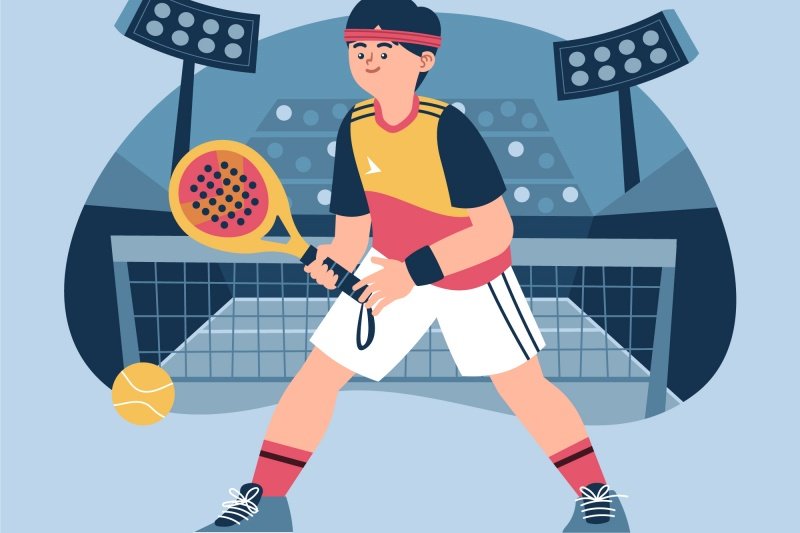
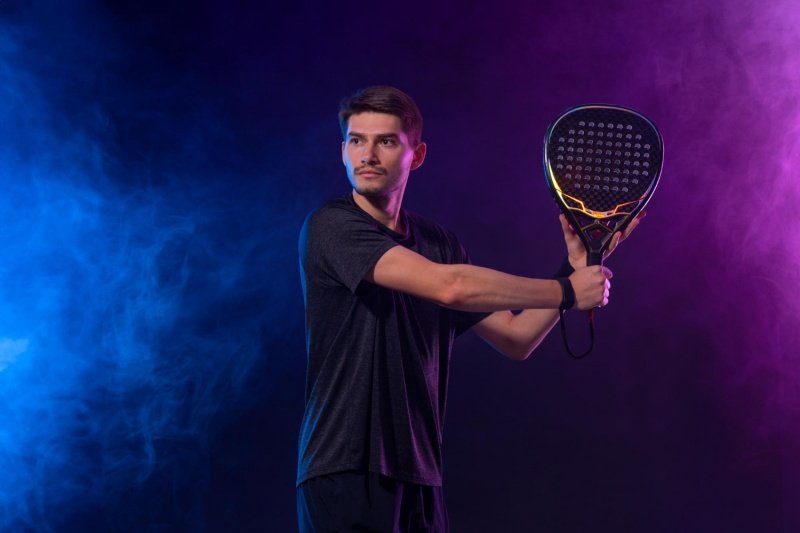
Choosing the right padel racket can be confusing with so many options available. Understanding how racket technology has evolved helps players make informed decisions.
Padel rackets have evolved from simple wooden structures to advanced carbon fiber1 designs, improving power, control, and durability.
Exploring these changes sheds light on why padel has surged in popularity and how it compares to similar sports like pickleball.
Is There a Difference in Padel Rackets?
Not all padel rackets are the same. The materials, weight, and shape impact performance and playing style.
Padel rackets differ in core density2, weight distribution, and materials, affecting power, control, and maneuverability for different playing styles.

Key Differences in Padel Rackets
| Feature | Effect on Play | Best for Players Who Need |
|---|---|---|
| Weight | Lighter rackets offer more maneuverability; heavier ones provide power | More speed or more power |
| Core Density | Softer cores provide better control; harder cores enhance speed | Precision vs. aggressive play |
| Balance | Head-heavy rackets generate more power; head-light rackets improve handling | More attack or defensive control |
| Surface Material | Carbon fiber adds power; fiberglass offers better feel | Power hitters vs. control players |
How to Choose the Right Racket
Players should consider their skill level and playing style when selecting a racket. Beginners often benefit from lighter, more forgiving rackets, while advanced players prefer stiffer materials for better power and spin.
Why Is Padel Suddenly Popular?
Padel has rapidly grown worldwide, attracting millions of new players and gaining mainstream attention.
Padel is growing in popularity due to its accessibility, social appeal, and exciting gameplay, making it easier for beginners to pick up compared to other racquet sports.

Factors Driving Padel’s Growth
| Factor | Explanation |
|---|---|
| Accessibility | Easier to learn than tennis or squash |
| Social Aspect | Doubles format makes it fun and engaging |
| Infrastructure Growth | More courts are being built worldwide |
| Celebrity Influence | Athletes and celebrities promote the sport |
The Role of Marketing and Investment
Countries like Spain, Sweden, and the UAE have heavily invested in padel facilities. Global tournaments and sponsorships have increased exposure, making padel one of the fastest-growing sports today.
Is Padel Harder Than Pickleball?
Players often compare padel and pickleball, wondering which is more physically and strategically demanding.
Padel is generally more physically demanding due to longer rallies, enclosed walls, and heavier rackets, requiring agility and endurance.

Comparing Padel and Pickleball
| Feature | Padel | Pickleball |
|---|---|---|
| Court Size | 10m x 20m (enclosed) | 6.1m x 13.4m (open) |
| Racket Type | Solid, perforated face3 | Lightweight paddle |
| Ball Speed | Faster, heavier ball | Slower, plastic ball |
| Play Style | Walls allow extended rallies | Faster points, no walls |
| Physical Demand | High—requires footwork & endurance | Lower—shorter movement required |
Which Sport Requires More Skill?
Padel’s enclosed court creates continuous action, demanding quick reflexes and endurance. Pickleball, while fast-paced, involves shorter rallies and less movement, making it easier for casual players.
What Is the Evolution of Padel Rackets?
Padel racket technology has changed significantly, improving performance and durability.
Padel rackets have evolved from solid wooden designs to high-tech carbon fiber models, enhancing power, control, and longevity.

Evolution of Padel Rackets Over Time
| Era | Material Used | Impact on Gameplay |
|---|---|---|
| 1970s-1980s | Solid wood | Heavy, less control |
| 1990s | Fiberglass | Lighter, improved flexibility |
| 2000s | Carbon fiber | Enhanced power, durability |
| 2010s-Now | Hybrid materials4 | Balanced play, shock absorption |
How Modern Racket Technology Has Changed the Game
Early padel rackets lacked flexibility, making it difficult to generate power. The introduction of fiberglass allowed for better maneuverability, while carbon fiber revolutionized racket performance by balancing strength and weight.
Conclusion
Padel racket technology has come a long way, from wooden frames to high-performance materials. As padel continues to grow in popularity, advancements in racket design will further shape how the game is played.
-
Understand the benefits of carbon fiber in enhancing racket durability and performance. ↩
-
Learn how core density affects control and speed in padel rackets. ↩
-
Explore the design benefits of a perforated face for improved ball control. ↩
-
Discover the advantages of hybrid materials in balancing power and shock absorption. ↩