Skip to content

Selecting the right padel racket means balancing performance factors such as power, control, and customization options—by comparing shapes, materials, and production methods, procurement managers can ensure they offer products that meet evolving market demands.
Padel club procurement and sports equipment specialists face a challenging but exciting decision when choosing high-performance padel rackets. In today’s competitive market, factors like racket shape, material composition, weight distribution, and string patternstring pattern1 greatly influence a player's power and control. For example, a diamond-shaped racket favors aggressive players with its power-oriented design, while a round shape is ideal for beginners or those who prioritize control. Meanwhile, the teardrop design offers a balanced mix of both power and control.
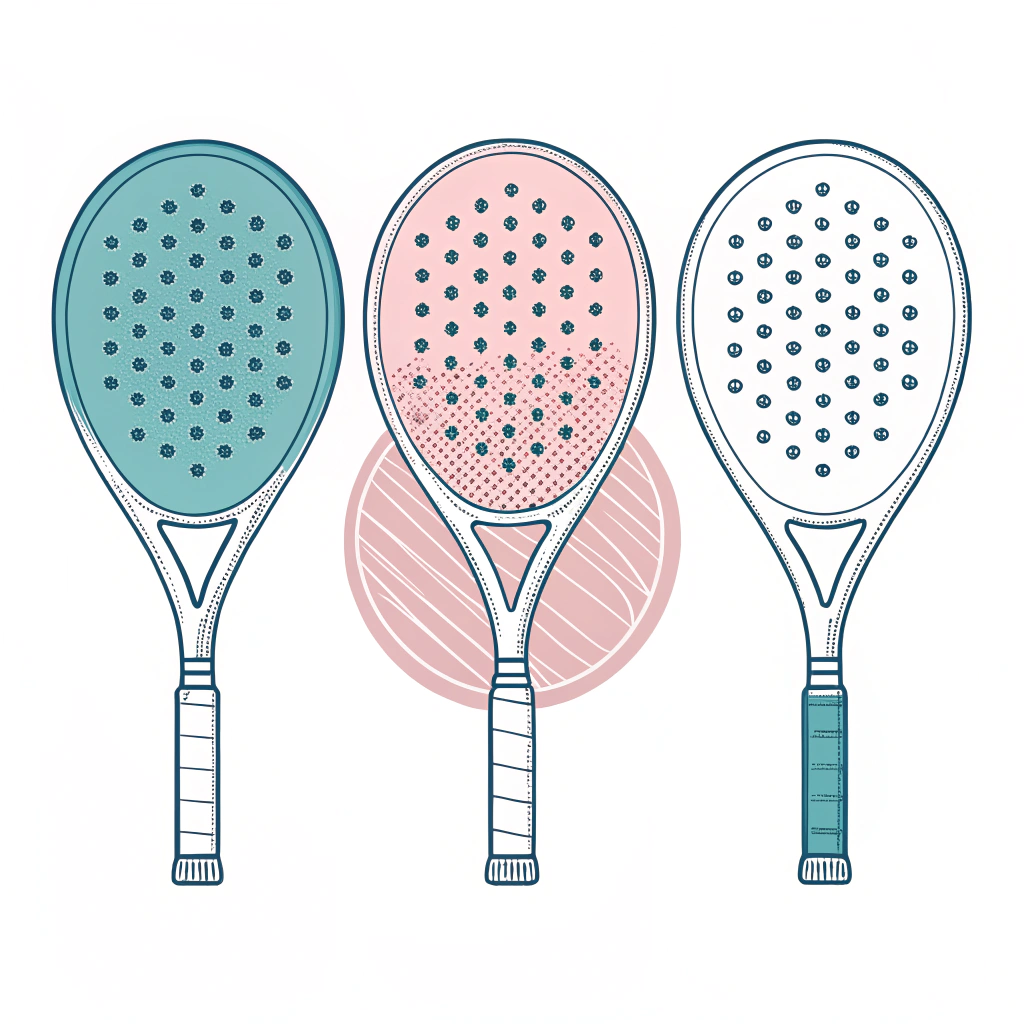
At NEX Padel, we understand that the best decision comes from a detailed comparison of available options. In this guide, we break down the critical aspects of padel rackets, including the three prominent shapes—Diamond, Round, and Teardrop. We also cover the importance of materials ranging from fiberglass to various grades of carbon fiber (3k, 12k, 18k)2 and how advanced production techniques aid in durability and consistent performance. This detailed analysis helps procurement managers, padel clubs, retailers, and distributors select products that not only meet the athlete's performance demands but also offer reliability and customization.
The shape of a padel racket is a key driver of playing style and performance characteristics. The three primary shapes are:
• Diamond Shape – Designed for aggressive players, this shape maximizes power due to its larger sweet spot at the top. However, it often requires greater skill to control rebounds.
• Round Shape – Favored by beginners or players who prioritize control, the round shape offers a smaller head size that enhances maneuverability and precision.
• Teardrop Shape – A blend of the two, providing both power and control, making it a versatile option fit for a wide range of playing styles.
Each shape affects performance based on attributes like headsize, weight, and string pattern. For instance, a larger headsize generally produces more power, while a smaller one yields better control. Similarly, a lighter racket delivers increased power, whereas a heavier one boosts control.
Modern padel rackets are crafted using a variety of materials, each contributing to performance and durability. At NEX Padel, we manufacture rackets with a focus on quality and reliability:
• Fiberglass Rackets – Typically used for entry-level products, these rackets offer good flexibility and a comfortable playing experience but may lack the advanced performance of carbon fiber options.
• Carbon Fiber Options (3k, 12k, 18k) – These advanced materials provide greater stiffness, enhanced durability, and improved energy transfer during play. The grade of carbon fiber used impacts the overall performance; for instance, 18k carbon fiber might offer superior stiffness compared to 3k, making it suited for players seeking high power.
The precision in our production processes—ranging from Rapid Prototyping3 to Precision Molding4—ensures that each padel racket performs consistently. Our strict adherence to manufacturing standards means that every product produced is reliable, replicable, and ready for high-demand situations. Additionally, our customization options allow clients to choose from various shapes, colors, and even personalized logos on the hand grips or racket frames to align with their brand identity.
Below is a detailed comparison table that summarizes the key features of the three primary padel racket shapes, highlighting differences in performance attributes and customization options:
| Racket Shape | Power Focus | Control Focus | Materials Available | Customization Options | Recommended For |
|---|---|---|---|---|---|
| Diamond | Larger headsize provides power | May be challenging for control | Fiberglass to advanced carbon fiber (12k, 18k) | Full customization on shape and logo | Advanced/aggressive players |
| Round | Smaller headsize may reduce power | Offers enhanced control and precision | Fiberglass and carbon variants (3k, 12k) | Standard color range and custom grip | Beginners or control-seeking players |
| Teardrop | Balances power with moderate headsize | Strikes a balance between power and control | Wide range from fiberglass to carbon fiber options | Customizable design details | Versatile players across skill levels |
This table aids decision-makers in understanding how each shape matches the performance needs of different player profiles. It is essential to weigh these factors carefully, especially if the padel club or distributor caters to a diverse range of athletes.
In addition to shape and material, the technical specifics such as headsize, weight, and string patternstring pattern1 play a crucial role in determining the racket's behavior during play. Here’s a more technical look:
- Headsize: A larger headsize increases the flat surface area, generating more power during impact. Conversely, a smaller headsize improves control but might compromise on power.
- Weight: Lighter rackets are generally more agile and can generate increased power through faster swing speeds. However, heavier rackets stabilize the shot, offering better control.
- String Pattern: An open stringbed can deliver higher power by allowing more flexibility, while a denser string pattern improves consistency and control.
The decision to select specific values for these factors varies depending on the target player profile and the level of customization required by the buyer. As a result, manufacturers like NEX Padel allow detailed customization so that each product can be tuned to the specific needs of an individual club or retailer’s clientele.
High-performance padel rackets rely not just on design but also on manufacturing excellence. At NEX Padel, advanced production techniques play a pivotal role in ensuring product quality. Some highlights include:
• Rapid Prototyping – Accelerates product development cycles, allowing clients to test and refine designs quickly.
• Precision Molding – Ensures that every racket meets strict dimensional standards, vital for consistency in performance.
• Quality Assurance ProgramsQuality Assurance Programs5: Involve multiple checkpoints during production—from raw material selection through final assembly—to mitigate defects and guarantee reliability.
• Customization Integration: Our processes support highly detailed customizations, including bespoke shapes, colors, and branded elements on key components such as hand grips and overgrips.
These techniques ensure that when you procure padel rackets from NEX Padel, you are receiving a product built to meet performance standards for both professional athletes and recreational players.
When selecting a padel racket, consider your target market’s needs and the overall balance of performance characteristics. Use the comparison table and technical specifications as a guideline to match the product with the intended playing style. Here are some key steps to making an informed decision:
- Evaluate the Player Profile: Are most of your players beginners, intermediates, or advanced? This will influence whether you lean towards a round, teardrop, or diamond design.
- Determine Performance Priorities: Decide on the balance of power versus control. For instance, if your players need explosive power to dominate fast-paced games, the diamond shape might be ideal.
- Factor in Material and Production Quality: High-quality materials like advanced carbon fiber ensure durability and performance, but consider your budget and client expectations.
- Customize According to Brand Identity: Customization options such as unique color schemes, logos on the hand grip or frame, and tailored string setups not only enhance player performance but also boost brand recognition.
- Set a Budget Range: While advanced products might start at around £170 and could go far beyond, always benchmark against player feedback and performance outcomes.
By following these steps, procurement managers can strike the right balance between quality, customization, and budget—a key tactic in staying competitive in the B2B padel industry.
In conclusion, choosing the right padel racket is a multi-dimensional decision that involves comparing shape, materials, technical attributes, and customization capabilities. With expertise in high-performance padel equipment, NEX Padel provides products that are crafted with precision and tailored to meet varying market demands. We offer three primary racket shapes—Diamond, Round, and Teardrop—each designed to cater to a specific playing style while incorporating advanced production techniques and rigorous quality control measures.
Our recommendation for procurement managers is to start by analyzing the specific needs of their clientele, utilizing detailed comparison charts and understanding technical factors like headsize and weight. Next, consider materials and the potential for customization to ensure your offerings align with the latest in production and performance technology. Finally, engage with a trusted manufacturer like NEX Padel, whose industry insights and quality assurance processes guarantee a product that stands out in competitive markets.
With solid data, technical expertise, and customization flexibility, you are well-equipped to make informed procurement decisions that drive both performance and customer satisfaction. Take the next step in optimizing your padel product lineup by contacting us to learn more about our full range of options and designing your custom solutions.
People Also Ask
Q: How do I find the right racquet for me?
A: When choosing a racket, consider three elements that affect power and control: headsize, weight, and string pattern. Larger headsize generally increases power, while a smaller headsize enhances control. Similarly, a lighter racket facilitates power whereas a heavier one aids in control, and an open stringbed offers more power compared to a denser arrangement that provides better control.
Q: How much should I spend on a padel racket?
A: The amount to spend on a padel racket depends on the player’s level and the features desired. For advanced players seeking high-performance features, investing from £170 and above is common, although some may prefer options ranging up to £400 based on comfort, performance, and overall value.
Q: How do I choose a padel racket shape?
A: The choice of padel racket shape depends on the player’s style. A diamond-shaped racket is optimal for players looking for significant power, a round shape benefits those who need extra control, and a teardrop-shaped racket offers a balanced solution between power and control.
-
string pattern: Discover how different string patterns affect power, control, and overall performance in padel rackets, and which pattern might be best suited for your needs. ↩ ↩2
-
carbon fiber (3k, 12k, 18k): Reading this article will help you understand the different grades of carbon fiber, their properties, and how each grade influences racket stiffness, durability, and performance. ↩
-
Rapid Prototyping: Click here to explore how rapid prototyping accelerates product development cycles, enabling manufacturers to quickly test and refine new designs. ↩
-
Precision Molding: This article explains the precision molding process and its importance in ensuring that every racket meets strict dimensional and quality standards. ↩
-
Quality Assurance Programs: Learn about the multiple checkpoints and strategies in quality assurance programs that help mitigate defects and ensure product reliability. ↩