Skip to content
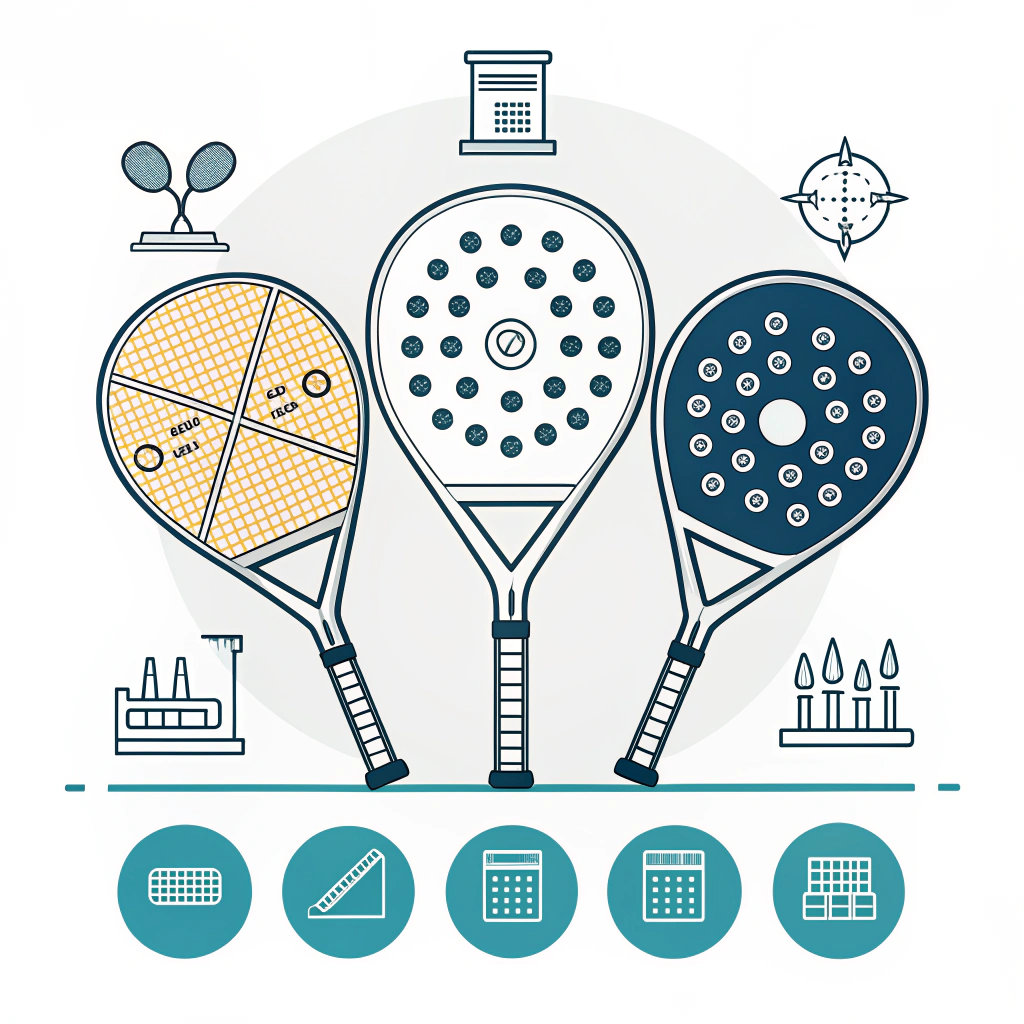
Quick answer: To shortlist a reliable padel racket OEM/ODM1 partner, compare vendors on manufacturing capacity, available materials (fiberglass, 3k/12k/18k carbon), tooling capability, sample policy and lead times, MOQ, QC & testing, pricing model (tooling + unit cost + packaging), and logistics/compliance. Use a weighted RFP checklist, require sample play-testing and lab results, and expect tooling lead times of 3–6 weeks and mass-production lead times of 25–45 days. NEX Padel offers fast sampling, multiple carbon layups, three standard shapes (Diamond, Round, Teardrop), and can supply pressurized padel balls — making it a practical candidate for private-label and brand OEM projects.
Why this decision matters
Procurement managers must convert product requirements into a reliable supplier shortlist. The wrong OEM can mean missed launch dates, inconsistent product quality, rejected shipments, and brand risk. Your goal at the supplier-shortlist stage is to remove uncertainty: confirm the vendor’s technical capability, production reality, and commercial terms so you can prepare an RFP or negotiate a contract with confidence.
Core comparison dimensions (what to evaluate)
- Manufacturing capacity and throughput (monthly units; shift patterns)
- Material options and in-house prepreg/layup capability2 (fiberglass, 3k/12k/18k carbon)
- Mould & tooling capability and lead time (new molds vs. using existing tools)
- Sample policy and turnaround time (prototype → pre-production → production samples)
- MOQ and pricing model (tooling amortization, unit price tiers)
- Quality control & testing (impact, weight/balance tolerances, paint & print adhesion, chemical compliance)
- Certifications & traceability (CE, ISO, REACH3 if applicable)
- Packaging, printing, and full private-label support
- Logistics experience (FOB/CIF4, lead times to main ports, container consolidation)
- References and export customers (brands you've manufactured for)
Material & shape impact — quick reference table
| Dimension | Fiberglass | 3k Carbon | 12k Carbon | 18k Carbon |
|---|---|---|---|---|
| Rigidity | Lower | Medium | High | Higher |
| Price (OEM FOB ballpark) | $12–$25 | $20–$45 | $45–$80 | $60–$120 |
| Target player | Recreational | Intermediate | Advanced | Pro-level |
| Durability | Good | Very good | Excellent | Excellent |
| Cosmetic finish | Good | Better | Premium | Premium |
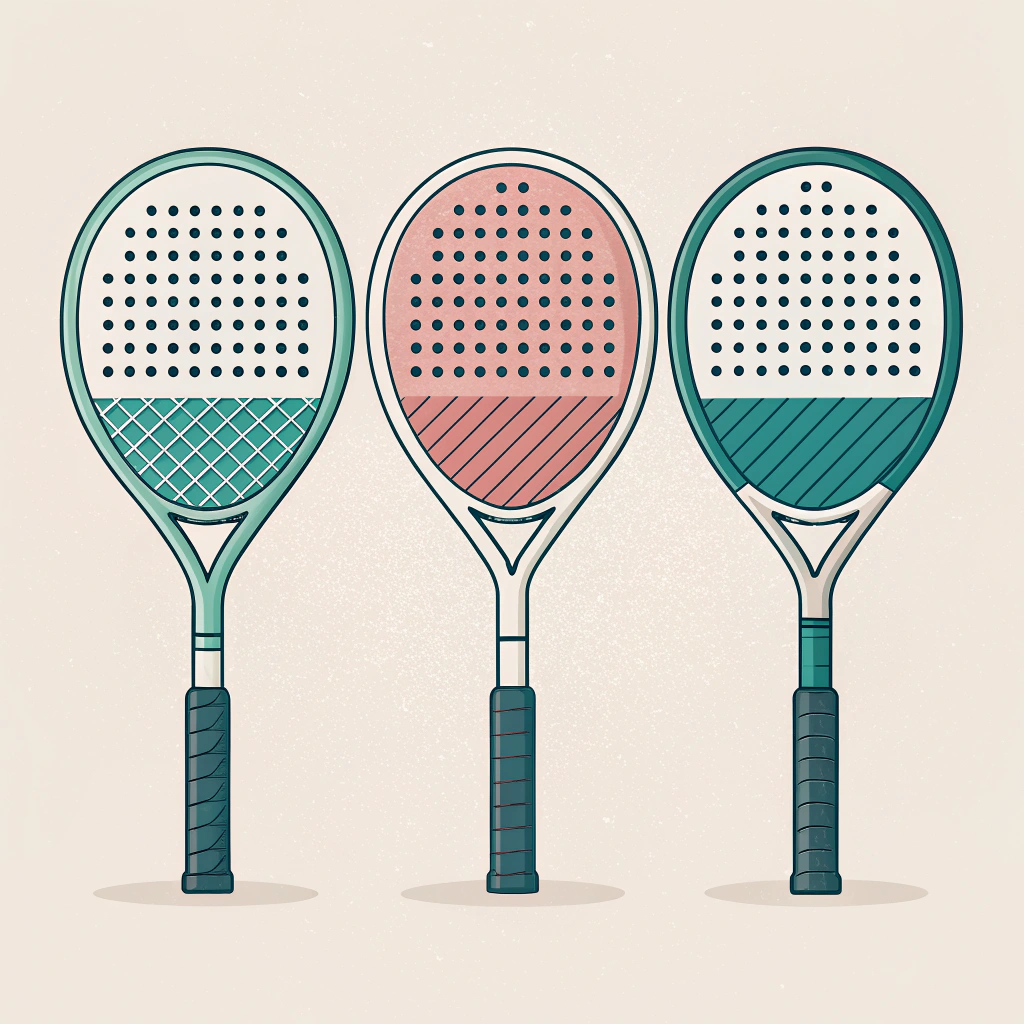
Shapes (Diamond / Round / Teardrop): pick based on play profile—Diamond = power, Round = control/forgiveness, Teardrop = balanced. If you need customized shapes, confirm the factory supports custom molds and complexity costs.
Typical MOQs, lead times, and tooling expectations
- Tooling (new mold) cost: typically $800–$3,500 depending on complexity and surface finish. Ask the vendor for tiered tooling options (standard vs premium finishes).
- Tooling lead time: 3–6 weeks (prototype mold); allow extra time for revisions.
- Sample turnaround: 2–3 weeks after mold ready for painted/printed sample; quicker for plain samples.
- MOQ:
- Off-the-shelf mold with standard design: 300–500 units.
- Full-custom mold + custom graphics: 500–1,000+ units.
- Production lead time: 25–45 days from order confirmation for typical batches (subject to calendar, material availability).
- Pricing approach: tooling amortized across MOQ or multiple orders—negotiate step pricing for higher volumes.
Quality control checklist (what to request and verify)
Operational QC:
- Weight tolerance: ±2 g (ask vendor to demonstrate).
- Balance tolerance: ±2 mm.
- Visual defects: paint finish, graphic alignment, edge chamfering standards.
- Structural integrity: impact/ball-hit tests for delamination resistance.
- Adhesion & durability: paint adhesion tests, abrasion/resistance checks.
- Core density & elasticity: ensure foam/core specs meet your design.
Laboratory & compliance: - Material certificates for carbon/fiberglass (supplier MSDS).
- Chemical compliance: REACH/ROHS declarations where relevant.
- CE marking evidence if required by market.
Documentation to request: - Batch traceability (lot numbers for raw materials).
- QC checklists and sample inspection reports (IQC, PQC, FQC).
- Third-party test reports if requested (impact tests, mechanical fatigue).

RFP / supplier scoring template (simple, actionable)
Use a weighted scorecard to compare vendors. Example weights (customize by priority):
| Criteria | Weight (%) |
|---|---|
| Material & technical capability | 20 |
| QC & testing capability | 15 |
| Lead time & capacity | 15 |
| Price & commercial terms | 15 |
| Sample policy & tooling terms | 10 |
| Certifications & compliance | 10 |
| Packaging & private-label support | 8 |
| References & export experience | 7 |
Scoring tip: set minimum pass thresholds (e.g., vendor must score ≥70 to progress). Ask vendors to fill the scoring sheet and provide evidence (photos, QC reports, customer references).
Sample RFP fields (what to ask each vendor)
- Company overview and monthly padel racket output.
- Available raw materials and carbon weaves (3k/12k/18k) with photos/spec sheets.
- Prototype & tooling costs, lead times, and sample policy (number of free samples?).
- MOQ tiers and FOB price per tier for specified materials and shapes.
- Packing options: master carton, custom box, sleeve, manual, barcode.
- QC processes, tolerances, and testing capabilities. Provide sample inspection checklist.
- Certificates and compliance documents (ISO, CE, REACH).
- Lead time from PO to shipment for first order and repeat orders.
- Logistics terms and typical shipment routes/ports.
- Reference customers and export markets; photos of completed private-label runs.
Negotiation & risk-control tips
- Break tooling cost into milestones: prototype approval → color/print approval → mass production.
- Ask for a pilot run (small batch) before full production to validate processes and packaging.
- Request IN-PLANT or third-party audit if the order is large; verify capacity with production photos and work orders.
- Build acceptance criteria into the PO (weight/balance tolerances, defect rates).
- Agree on non-conforming unit rates and rework policy.
- Negotiate payment terms: deposit for tooling, balance at shipment or documentary terms (L/C at sight5).
- Include an exclusivity clause carefully if you need product differentiation; otherwise keep rights to the design.
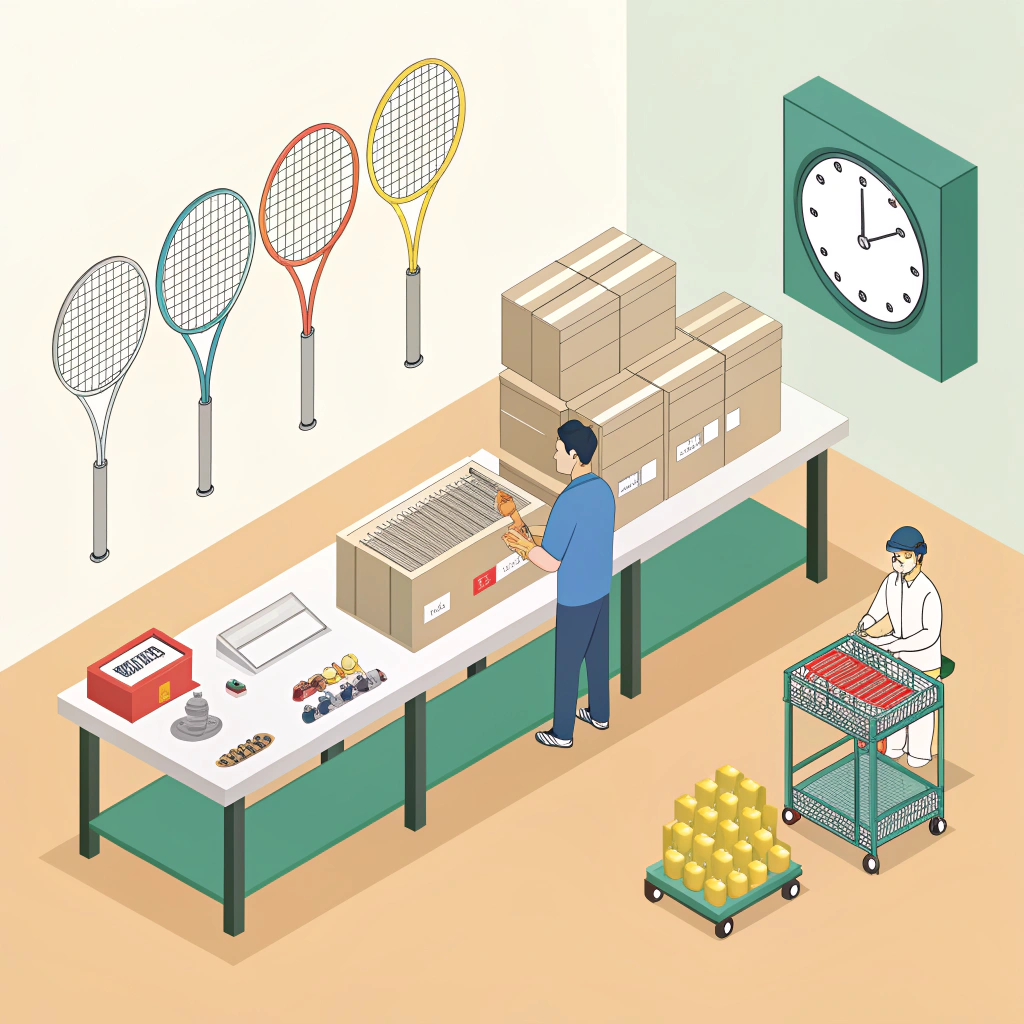
Why NEX Padel is relevant for your shortlist
- We supply a range of raw-material layups: fiberglass, 3k/12k/18k carbon, allowing you to tune performance vs. cost.
- We produce Diamond, Round, and Teardrop shapes and support fully custom shapes and printing.
- Fast prototyping and predictable lead times: samples ready within typical 2–3 weeks after mold approval; tooling lead time 3–6 weeks.
- Experienced OEM/ODM partner for brands like Hirostar, Reebok, and Starvie — we understand private-label expectations.
- We also source and supply padel balls from cooperating factories with 45% and 57% wool options, pressurized in tubes for long shelf life.
- QC: we enforce weight and balance tolerances, adhesion testing, and batch traceability. We welcome audits and provide inspection documentation.
Decision steps to finalize shortlist (actionable)
- Send the RFP template above to 4–6 vendors.
- Require at least one painted & printed sample from each vendor using intended final materials.
- Score vendors using the weighted template and eliminate below-threshold suppliers.
- Schedule in-person or third-party audits for top 2 vendors if order value justifies it.
- Negotiate tooling milestones, pilot run quantities, and acceptance criteria before signing.
- Place a pilot order; evaluate shipment, packaging, and post-sale support before scaling.
Summary recommendation
Prioritize suppliers that demonstrate consistent sample quality, clear QC documentation, flexible material options (including 12k/18k carbon if you target premium tiers), and transparent commercial terms. Use a structured RFP and scoring matrix to reduce bias and quantify vendor capability. For many buyers, a partner like NEX Padel—offering multiple carbon layups, fast sampling, and packaging/ball supply—will simplify the supply chain and reduce coordination overhead.
People Also Ask
Q: Which company makes the best padel rackets?
A: "Best" depends on your market segment and criteria (innovation, pro endorsements, or cost-performance). Leading consumer brands include Adidas, Bullpadel, Nox, Head, and Babolat for retail recognition and R&D. For OEM sourcing, evaluate manufacturers on their material range, QC, lead times, and references rather than brand name alone.
Q: How much should I spend on a padel racket?
A: For retail, buyer recommendations vary by player level (e.g., entry-level £40–£75). For OEM unit costs, expect a wide range depending on materials and customization: fiberglass OEM FOB can be roughly $12–$25/unit, 3k carbon $20–$45/unit, and premium 12k–18k carbon $45–$120+/unit (ballpark figures that vary by MOQ, tooling amortization, and finishing).
Q: Do expensive padel rackets make a difference?
A: Premium rackets typically offer higher-grade carbon, more precise layups, and refined balance—beneficial for experienced players. However, price alone doesn't guarantee better play if the racket’s weight, balance, and shape don't match player needs. For procurement, ensure sample play-testing and performance validation rather than relying solely on price or materials.
-
OEM/ODM: Read to understand the operational and commercial differences between OEM (original equipment manufacturer) and ODM (original design manufacturer), including IP ownership, design responsibilities, cost implications, and contract clauses you should negotiate when outsourcing production. ↩
-
prepreg/layup capability: Reading this will explain manufacturing methods for composite rackets—what prepreg (pre-impregnated fiber) vs. wet layup entails, how layup schedules and in-house capabilities affect performance, quality control, costs, and lead times. ↩
-
REACH: Learn why EU chemical regulation matters for athletic goods, what supplier declarations and testing you should request (substance restrictions, SVHCs), and how REACH compliance affects market access and documentation risk. ↩
-
FOB/CIF: Review these Incoterms to see how shipping responsibilities, cost allocation, insurance, and customs clearance differ between Free On Board (FOB) and Cost, Insurance & Freight (CIF), so you can negotiate logistics and risk transfer appropriately. ↩
-
L/C at sight: Learn how a sight Letter of Credit works as a bank-guaranteed payment method, its timeline (payment on presentation of compliant documents), fees, documentary requirements, and how it reduces seller/buyer risk in international trade. ↩