Skip to content

SaaS inventory management streamlines padel racket production by integrating real-time analytics1, automating order processing, and reducing manual errors to boost manufacturing efficiency.
In today’s competitive padel racket manufacturing environment, operations and supply chain managers face mounting challenges when it comes to legacy inventory systems2. The need for precision in production logistics, rapid adaptation to market demand, and minimal downtime during production processes makes it essential to modernize traditional practices. Automation through SaaS inventory management3 has emerged as a powerful solution, offering cloud-based ERP integration4, real-time analytics, and streamlined order processing that can significantly boost efficiency across the entire supply chain.
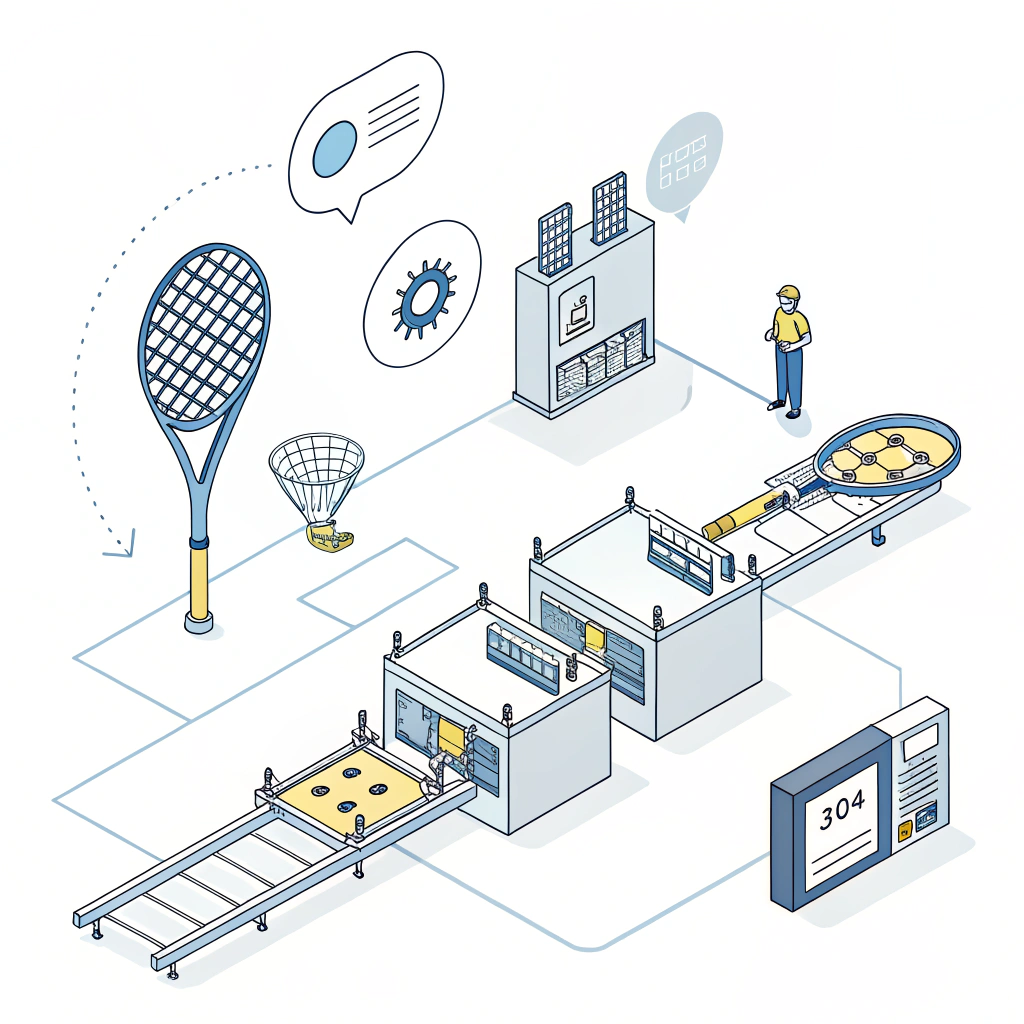
Many padel racket manufacturers still rely on outdated, error-prone legacy systems. These systems often lack the flexibility required for high-speed production environments and make it difficult to adapt quickly when there are unexpected changes in production demand. The key issues include:
• Inaccurate inventory tracking leading to overstock or stockouts
• Manual order processing that is slow and prone to human error
• Inadequate integration with other digital systems such as ERP platforms
• Difficulty in managing customized orders and real-time batch changes
• Limited visibility into supply chain performance and production logistics
• Inefficient data utilization leading to delayed decision-making
This scenario is particularly critical for companies like NEX Padel, where the demand for high-performance padel rackets necessitates a precise balance between production efficiency and customization capabilities.
The core issues that create these challenges in padel racket manufacturing are multi-faceted:
-
Legacy System Limitations: Traditional inventory management systems are often siloed and do not communicate well with other digital platforms. This lack of integration leads to delays in order processing and outdated inventory data.
-
Manual Processes: Reliance on manual data entry and order processing results in human errors, miscommunication, and ultimately, operational inefficiencies. This also impacts the ability to quickly respond to production challenges or customer demand adjustments.
-
Complex Supply Chain Requirements: The padel racket industry requires managing a variety of components—from materials like fiberglass to different carbon fiber (3k, 12k, 18k) and customized printing or grip options. Managing such diverse inputs in real time can be overwhelming without a digital solution.
-
Limited Real-Time Analytics: Without cloud-based tools, manufacturers have limited insight into their production cycles, inventory status, and order flows. This results in missed opportunities to optimize processes and adopt proactive operational adjustments.
These factors collectively create an environment where operational inefficiencies persist, impacting both production speed and quality.
Adopting SaaS inventory management means integrating a cloud-based system that offers real-time updates, seamless data sharing, and automation of routine tasks. The following table highlights key features and benefits of SaaS tools specifically targeted at the padel racket manufacturing sector:
| Feature | Benefit in Padel Production | Example in Practice |
|---|---|---|
| Real-Time Analytics | Instant visibility into inventory levels | Managers can quickly adjust production schedules based on real-time demand data. |
| Cloud-Based ERP Integration | Seamless data sharing across departments | Orders, inventory, and production data integrate with other enterprise systems effortlessly. |
| Automated Order Processing | Reduced manual errors and faster turnaround times | Automated checks ensure precise order fulfillment and customization for different racket types. |
| Scalability & Flexibility | Adapts quickly to market and production changes | Easily configure the system for increased production during high-demand seasons. |
| Customization Capabilities | Tailored settings for diverse manufacturing needs | Customize product configurations and branding options including custom grips and racket design. |
| Enhanced Inventory Optimization | Minimizes excess inventory and prevents shortages | Real-time alerts allow proactive management of stock levels to optimize production flow. |
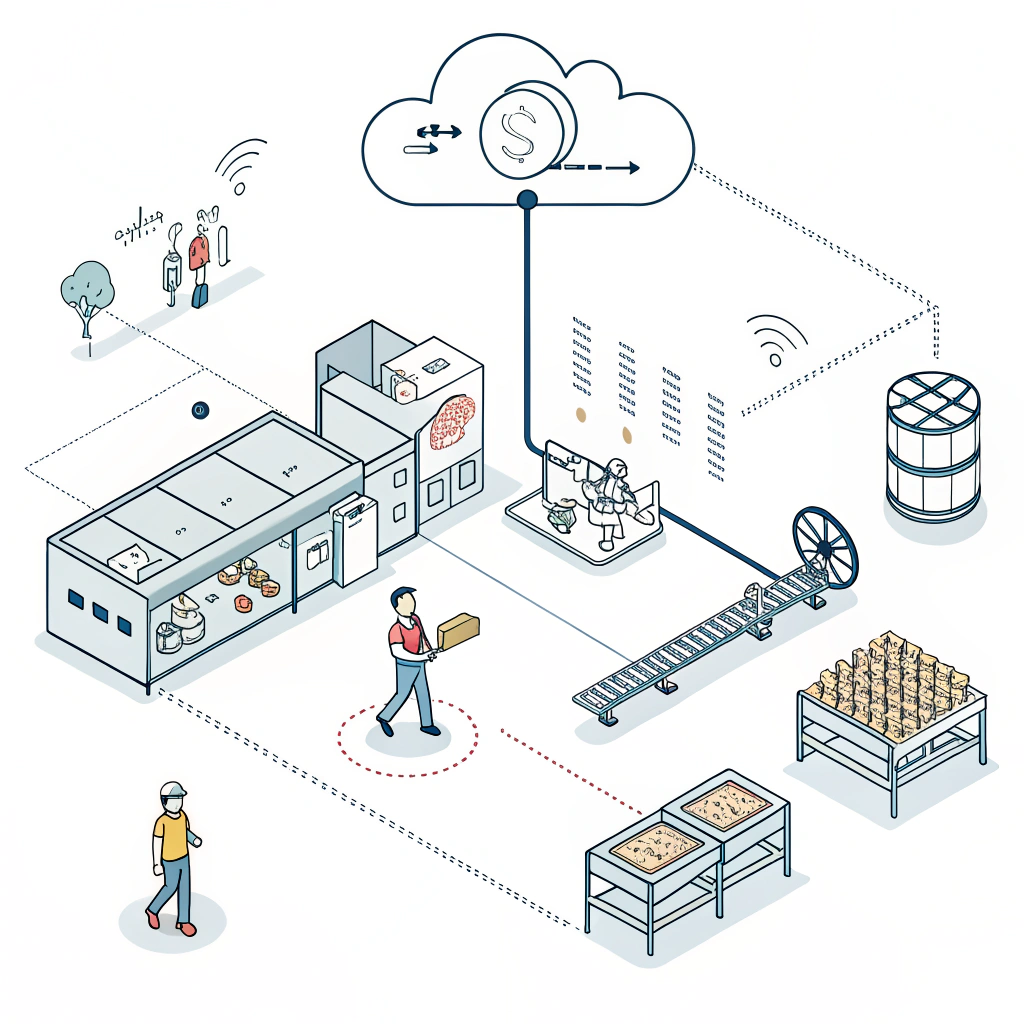
To successfully implement a SaaS-based solution in the padel racket supply chain, consider the following steps:
-
Assessment of Existing Processes:
Begin with a comprehensive evaluation of your current inventory and order management systems. Understand the pain points related to manual handling, outdated data, and any integration issues with existing ERP systems. -
Define Business Requirements:
Identify specific needs such as handling varying material types (fiberglass to advanced carbon fiber specifications), order customizations (like Diamond, Round, or Teardrop racket shapes), and additional features like logo customization on hand grips or racket covers. -
Select the Right SaaS Tool:
Look for SaaS providers who offer solutions tailored for inventory management and order processing. Ensure that the selected tool has strong cloud ERP integration capabilities, robust security measures, and the ability to scale according to future production demands. -
Pilot Implementation:
Roll out the SaaS solution in a controlled environment. During the pilot phase, monitor key performance indicators like order processing time, inventory accuracy, and the number of manual interventions required. -
Full-Scale Training and Rollout:
Train staff on using the new system to ensure smooth adoption. Change management is critical; provide guidelines, user manuals, and comprehensive support during the transition period. -
Continuous Monitoring and Optimization:
Utilize built-in analytics tools for ongoing assessment. Regularly update the system based on feedback, and perform routine audits to ensure that the integration remains in sync with production demands and quality standards.
While SaaS inventory management provides many advantages, it is important to be wary of potential limitations:
• Integration Complexity: Integrating a new tool with existing legacy systems can initially be challenging. Ensure that a phased integration plan is in place.
• Data Security: As inventory and production data move to the cloud, maintaining data integrity and security is paramount. Evaluate the security protocols and compliance standards of your SaaS provider.
• Cost Considerations: Transitioning to a cloud-based system may involve upfront costs and subscription fees. However, these should be weighed against the long-term operational efficiencies and cost savings from reduced manual labor and improved inventory management.
• Change Management: Employees may resist new processes. A comprehensive training program and a change-management strategy are crucial to mitigate resistance and facilitate smooth adoption.
• Customization and Scalability: Although many SaaS solutions are highly scalable, ensure that the tool you select is capable of accommodating the unique aspects of padel racket manufacturing, such as material diversity and specialized customization requirements.
NEX Padel, a leading manufacturer in the padel racket industry, faced similar challenges with legacy inventory systems. With the implementation of a cloud-based SaaS solution, the company reported significant improvements:
• A reduction in average order processing time by over 40%
• Enhanced visibility across production lines resulting in better resource allocation
• A decrease in inventory inaccuracies by more than 30%
• Faster adaptation to demand fluctuations with real-time updates
• Seamless integration of order customization options, including custom racket shapes and brand-specific logo applications
These improvements not only increased the operational efficiency but also provided strategic insights into the production process, enabling informed decision-making that boosted overall productivity.
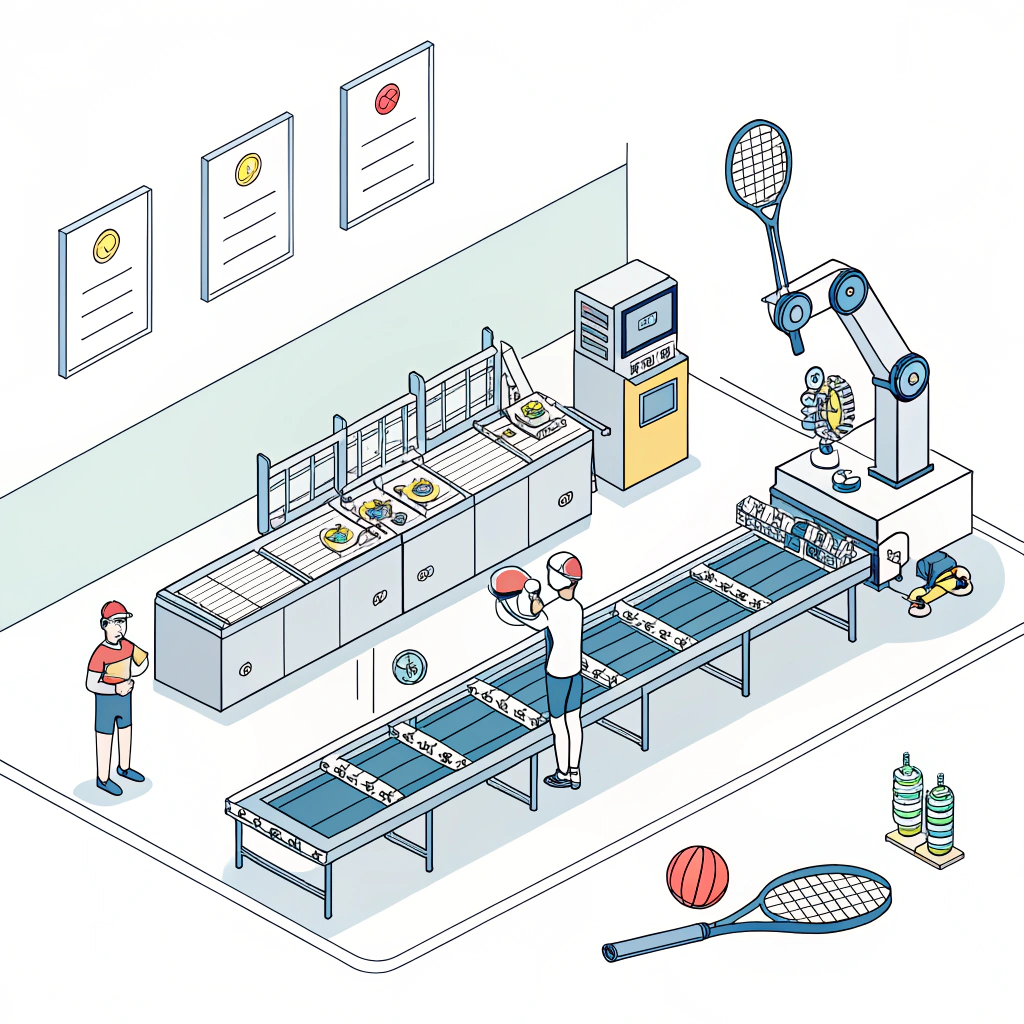
Consider a scenario where an operations manager at NEX Padel needed to fulfill a high volume of orders quickly while maintaining product customization integrity. Here’s how the SaaS system worked:
-
Real-Time Order Intake: Orders began streaming in from various sources. The system automatically verified stock levels and flagged any potential mismatches in materials required for custom orders.
-
Automated Decision-Making: The integration with the ERP system allowed the SaaS tool to prioritize orders based on deadlines and available inventory. Automated alerts were sent to the production floor, reducing delays.
-
Dynamic Inventory Adjustments: When stocks of 18k carbon fiber were low, the system automatically adjusted production plans and sourced alternatives to prevent halts in production.
-
Feedback Loop: After each order batch, performance data was collected and analyzed to inform future production scheduling, ensuring continuous process improvement.
This case study is a testament to how digital integration can transform production logistics into a data-driven, agile process with fewer errors and higher efficiency.
Modernizing inventory and order management through SaaS solutions is not just about digitization—it’s about creating an agile, transparent, and efficient manufacturing environment. For padel racket manufacturers and distributors, particularly those managing complex and customized production processes, the move toward cloud-based ERP integration can offer significant long-term benefits:
• Enhanced real-time visibility that drives informed decision-making
• Automation of error-prone manual processes reducing order delays
• Better inventory optimization ensuring that production flow is maintained
• Scalability to accommodate both market and production growth
• Improved customization capabilities that allow for competitive differentiation
To successfully transition, companies should start with a detailed evaluation of their current systems, pilot the new solution, and ensure that all stakeholders are trained and supportive. The long-term gains—in efficiency, quality control, and customer satisfaction—make this investment a strategic priority in the competitive padel racket market.
People Also Ask
-
How can SaaS inventory management improve padel racket manufacturing efficiency?
SaaS inventory management improves efficiency by offering real-time analytics, automating order processes, and integrating with cloud-based ERP systems, which reduces manual errors and speeds up production adjustments. -
What are the major benefits of cloud-based ERP integration for supply chain management in padel production?
Cloud-based ERP integration streamlines data sharing, improves visibility across production lines, and facilitates faster decision-making. This allows manufacturers to better manage inventory levels, reduce downtime, and quickly adapt to market changes. -
How does order processing automation contribute to efficiency in manufacturing operations?
Order processing automation minimizes manual data entry and reduces the risk of human error. It accelerates order fulfillment, enhances accuracy, and ensures that the production line runs smoothly with real-time inventory updates.
-
real-time analytics: Click to explore how immediate data insights can optimize inventory levels and production schedules, leading to improved operational responsiveness. Back to term ↩
-
legacy inventory systems: Click to understand the limitations of outdated inventory systems and why transitioning to modern digital solutions is crucial for competitive efficiency. Back to term ↩
-
SaaS inventory management: Click to learn how cloud-based, subscription-driven inventory platforms streamline operations by automating processes and enhancing decision-making through data insights. Back to term ↩
-
cloud-based ERP integration: Click to discover how integrating cloud-based ERP systems can facilitate seamless data exchange between departments, reducing delays and enhancing productivity. Back to term ↩