Skip to content

Padel evolved from paddle tennis through decades of innovation in design and manufacturing, combining historical insights with modern technical advances. This evolution has led to a sport with unique equipment tailored for precision, performance, and durability—qualities that are critical for B2B procurement decisions in sporting goods.
The journey from traditional paddle tennis to modern padel is a story of adaptation, experimentation, and engineering breakthroughs. In today’s competitive market, understanding this evolution can help procurement managers and club operators appreciate the material innovations1 and custom manufacturing2 processes behind every high-performance padel racket. Our narrative will explore the historical roots of paddle tennis, detail the technical evolution that led to padel, and discuss the manufacturing techniques that set modern padel equipment apart.
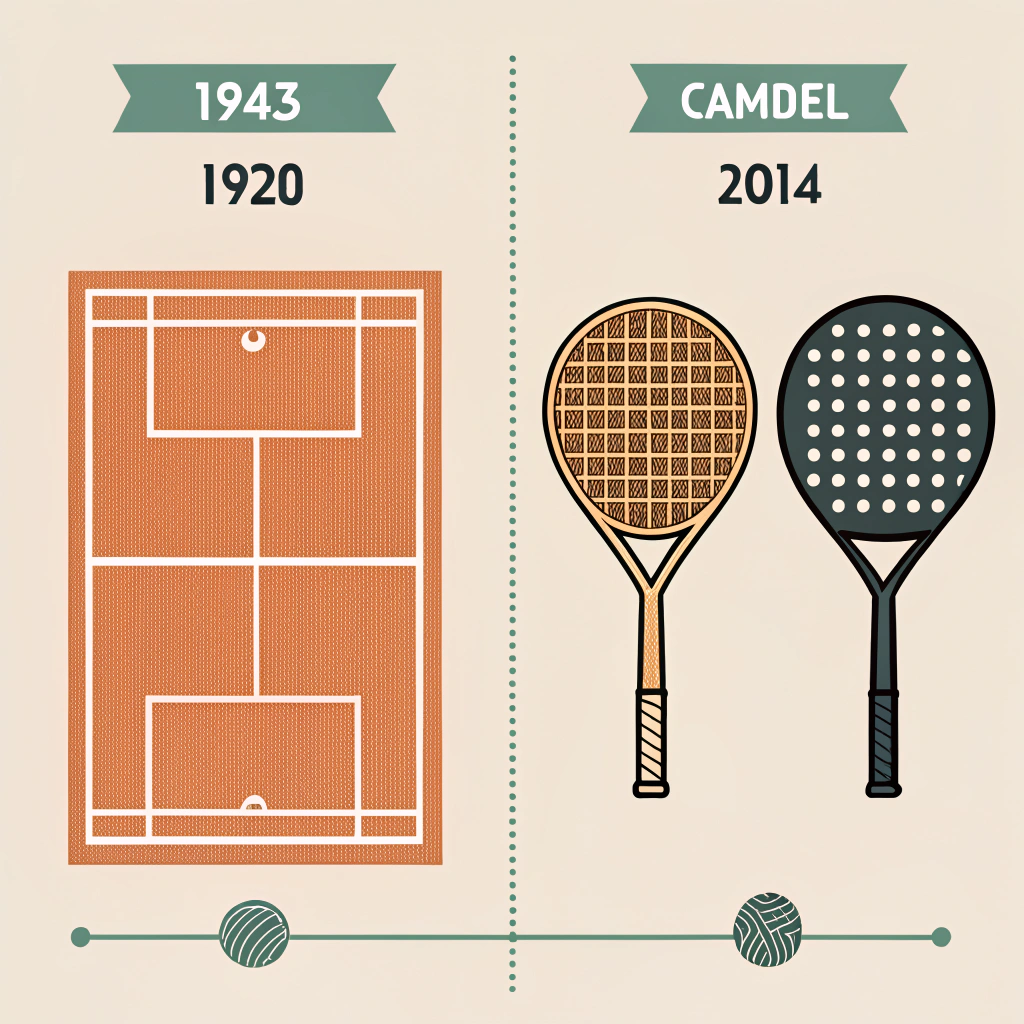
The birth of paddle tennis can be traced back to early adaptations of tennis played on smaller, enclosed courts. In the early days, players experimented with modifying existing courts to create a more accessible form of the game. Padel, as it is known today, emerged when these modifications began incorporating elements from other racquet sports and platform tennis.
Originally, paddle tennis was designed to be a more social and inclusive sport, emphasizing ease of play and reduced physical strain. The modified court designs allowed for quick setup, while the smaller playing area enabled players to engage in dynamic rallies. These early adaptations laid the groundwork for what would eventually evolve into padel.
Historically, paddle tennis provided a foundation for enthusiasts to experiment with equipment designs. As the game grew in popularity, manufacturers began investing in research and development, paving the way for the introduction of advanced materials and innovative manufacturing processes.
While paddle tennis emphasized accessibility and social interaction, padel expanded on these foundations by integrating higher performance standards and more technical requirements. The sport today is characterized by a smaller court, requiring players to exhibit heightened agility and precision. This has driven manufacturers to develop equipment that meets these competitive demands.
A key turning point was the incorporation of advanced materials such as carbon fiber3 and specialized polymers. These materials not only reduced weight but also increased the durability and responsiveness of the rackets. The transition was marked by innovations in racket shape and structure; manufacturers introduced designs like the Diamond, Round, and Teardrop shapes, each tailored to different playing styles and skill levels.
| Feature | Paddle Tennis | Modern Padel |
|---|---|---|
| Court Size | Larger, less confined | Smaller, enclosed for quicker play |
| Equipment Material | Basic polymers, sometimes wood | Advanced carbon fiber, fiberglass, and high-grade polymers |
| Racket Design | Standard fixed design | Customizable designs (Diamond, Round, Teardrop) |
| Manufacturing Process | Traditional methods, low customization | Advanced customized manufacturing with rapid prototyping |
| Player Requirements | More casual, inclusive game play | Higher technical precision and agility |
Manufacturers like NEX Padel have revolutionized the manufacturing landscape by embracing these innovations, ensuring that every padel racket upholds the standards of modern competition.
The transformation from paddle tennis to padel has been fueled by sustained technical advancements. Here are some critical aspects of this evolution:
-
Material Upgrades:
Early paddle tennis rackets were often constructed from basic materials which limited performance. In contrast, modern padel rackets use a range of materials from fiberglass to various grades of carbon fiber, including 3k, 12k, and 18k carbon fiber. These materials offer superior strength-to-weight ratios, ensuring lightweight designs without compromising durability. -
Custom Manufacturing Capabilities:
Modern B2B clients benefit from bespoke options such as full customization of racket shapes, print designs, and color schemes. This ensures that clubs and sports retailers can differentiate their product offerings in a crowded market. Our advanced production techniques allow rapid sampling and timely deliveries, a crucial factor for busy procurement managers. -
Enhanced Performance Metrics:
Innovations in racket design, such as the integration of ergonomic hand grips and customizable handle covers, contribute to improved player comfort and performance. These elements are critically assessed during the design process to ensure that the final product meets the rigorous demands of competitive play. -
Precision and Durability:
The shift towards using high-quality materials is largely driven by the need for precision in manufacturing. Consistent pressure tubes in padel balls (with two variants—45% wool and 57% wool) mirror the precision seen in racket construction and are produced under strict quality monitoring guidelines to ensure they maintain their performance over time.
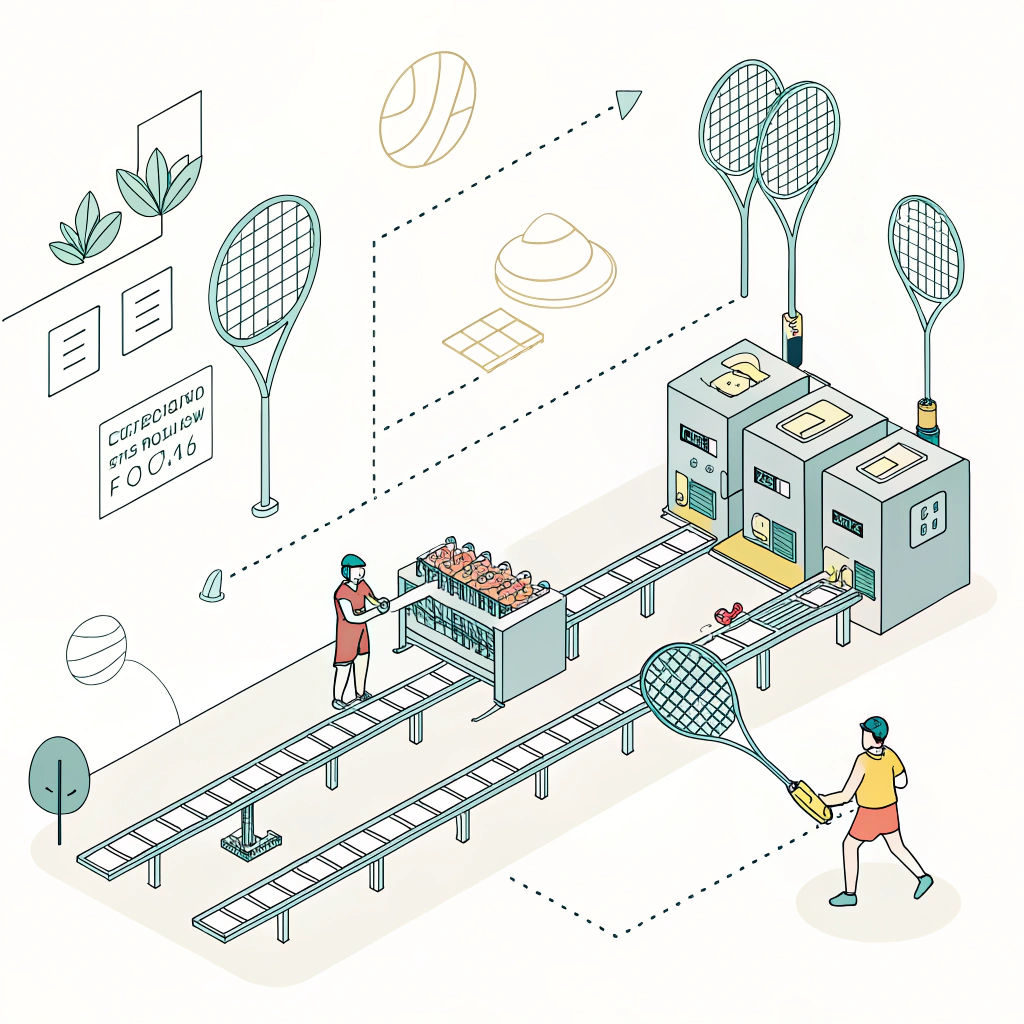
Modern padel racket production involves several key steps that ensure reliability and superior performance. Below is an overview of the typical production process that underscores technical precision:
-
Design and Prototyping:
Manufacturers start with detailed design specifications and computer-aided design (CAD) models4. This phase emphasizes exploring different racket shapes (Diamond, Round, Teardrop) and selecting appropriate materials. Quick prototyping techniques5 help in refining the design based on immediate feedback. -
Material Selection and Testing:
The next stage involves material selection where high-grade carbon fiber and advanced polymers are chosen. These materials undergo rigorous testing for stress, durability, and performance consistency. This step is essential for ensuring that every racket meets the high standards required in competitive padel. -
Customized Printing and Assembly:
Customization plays a significant role in modern manufacturing. Branding elements like logos on the hand grip or handle cover can be integrated during the assembly process. This allows procurement managers to order customized batches tailored to their club's identity. Detailed quality checks ensure that every customized element aligns with the specifications provided. -
Final Quality Inspection:
Before a product is shipped out, it undergoes multiple rounds of quality checks covering aspects like balance, weight distribution, and overall structural integrity. This meticulous process ensures that only the best products reach the market.
Here is an illustration of our production process:
| Stage | Key Processes | Impact on Final Product |
|---|---|---|
| Design & Prototyping | CAD modeling, shape exploration | Tailored design options for different play styles |
| Material Selection | Advanced carbon fiber, high-grade polymers | Superior strength, lightweight, durability |
| Customization | Logo printing, color, and shape modifications | Unique branding opportunities, differentiation |
| Quality Control | Multi-stage testing, final inspection | Optimized performance and reliability |
This thorough production process is what sets modern padel rackets apart, aligning with the evolving expectations of B2B procurement managers globally.
To further illustrate the evolution of padel and its impact on equipment quality, consider the following case studies:
Case Study 1: Evolution at NEX Padel
NEX Padel has been at the forefront of merging historical insights with modern manufacturing. As demand grew, the company began integrating various grades of carbon fiber into their rackets. Because of the technical evolution, their rackets cater to different skill levels—from beginners benefiting from lighter, more forgiving designs to professionals who rely on the precision of their tools. The quick sampling and timely delivery processes ensure that the equipment remains at the cutting edge of performance.
Case Study 2: Industry Adaptation in Europe
In Europe, where padel has seen rapid adoption, clubs and sports facilities are continuously upgrading their gear to keep pace with the sport’s technical demands. Procurement managers in these regions are increasingly selecting suppliers who not only offer durability but also customization. The shift towards detailed customization, like personalized hand grips and bespoke racket shapes, echoes the broader trend of personalized sporting experiences.
Emerging Trends:
The padel market is now witnessing a convergence of performance and aesthetics. Innovations are not purely about improving play but also about enhancing the overall player experience. For example, the integration of custom manufacturing options has allowed clubs to build a unique brand identity, even within competitive markets. When coupled with advanced materials and precision manufacturing, this trend is setting a new standard in sporting goods procurement.
Understanding the historical evolution from paddle tennis to modern padel is essential for making informed procurement decisions. The journey illustrates how a sport can adapt and evolve through technical innovation and meticulous manufacturing processes. With the increasing adoption of advanced materials such as carbon fiber and the rise of customization options, today's padel equipment is designed to meet the multifaceted needs of competitive play.
For B2B procurement managers and club operators, the key takeaways are:
- Embrace suppliers who invest in advanced materials and strict quality control.
- Value the flexibility of custom manufacturing that allows for branding and tailored solutions.
- Recognize that technical evolution is not just about improved performance but also about enhancing the overall user experience.
Taking these insights into account will help ensure that your equipment selections are not only technologically advanced but also strategically aligned with long-term market trends in sporting goods. In an era where performance and personalization go hand in hand, partnering with manufacturers who embody these values will give your institution a competitive edge.
Moving forward, consider scheduling consultations with leading manufacturers such as NEX Padel to explore customized solutions tailored to your needs. Leverage the historical context and technical precision that modern padel equipment offers to drive success in your sporting endeavors.
Q: Why is padel suddenly so popular?
A: Padel is popular among athletes due to its accessibility, low injury risk, and social nature. The smaller court and slower ball speed make the game easier to pick up, while its competitive edge appeals to a wide range of players.
Q: Is padel Mexican or Spanish?
A: The sport originated in Mexico. It is believed to have been invented in Acapulco by Enrique Corcuera in 1969, after modifying his squash court to incorporate elements of platform tennis.
-
[material innovations]: Click to learn how integrating new materials can enhance product performance and longevity in sporting goods. ↩
-
[custom manufacturing]: Click to discover the benefits of tailored production processes that cater to specific market and branding needs. ↩
-
[carbon fiber]: Click to explore the properties and advantages of carbon fiber in sports equipment, including its strength-to-weight benefits. ↩
-
[computer-aided design (CAD) models]: Click to understand how CAD models streamline the design process and improve precision in manufacturing. ↩
-
[Quick prototyping techniques]: Click to see how rapid prototyping accelerates product development and refines design through iterative feedback. ↩