Skip to content

This article quickly answers how procurement managers can confidently select a high-performance, customizable padel equipment supplier by understanding key production techniques1, comparing material quality2, and leveraging proven manufacturing expertise. In this guide, we present a detailed comparison framework that highlights crucial decision factors when sourcing padel rackets and related gear from industry leaders like NEX Padel.
Business development and procurement professionals are increasingly confronted with a complex decision: choosing a manufacturing partner that not only meets strict quality standards but also offers a diverse range of padel products with customization3 flexibility. The decision process involves comparing material quality, production techniques, design versatility, and overall operational efficiency. With padel equipment becoming highly specialized, suppliers are expected to deliver products that optimize performance, satisfy brand-specific aesthetics, and maintain fast turnaround times.
Key decision factors include:
- Material Quality: The use of advanced materials such as 3k, 12k, and 18k carbon fiber and fiberglass determines the durability and performance of the padel racket.
- Customization: Suppliers that offer custom padel designs—ranging from Diamond, Round, and Teardrop shapes to bespoke printing and color customization—satisfy diverse market needs.
- Production Efficiency: Rapid prototyping and timely deliveries are crucial for businesses operating in a competitive market landscape.
- Quality Control4: Partnerships with well-known brands (e.g., Hirostar, Reebok, Starvie) act as critical endorsements for quality and reliability.
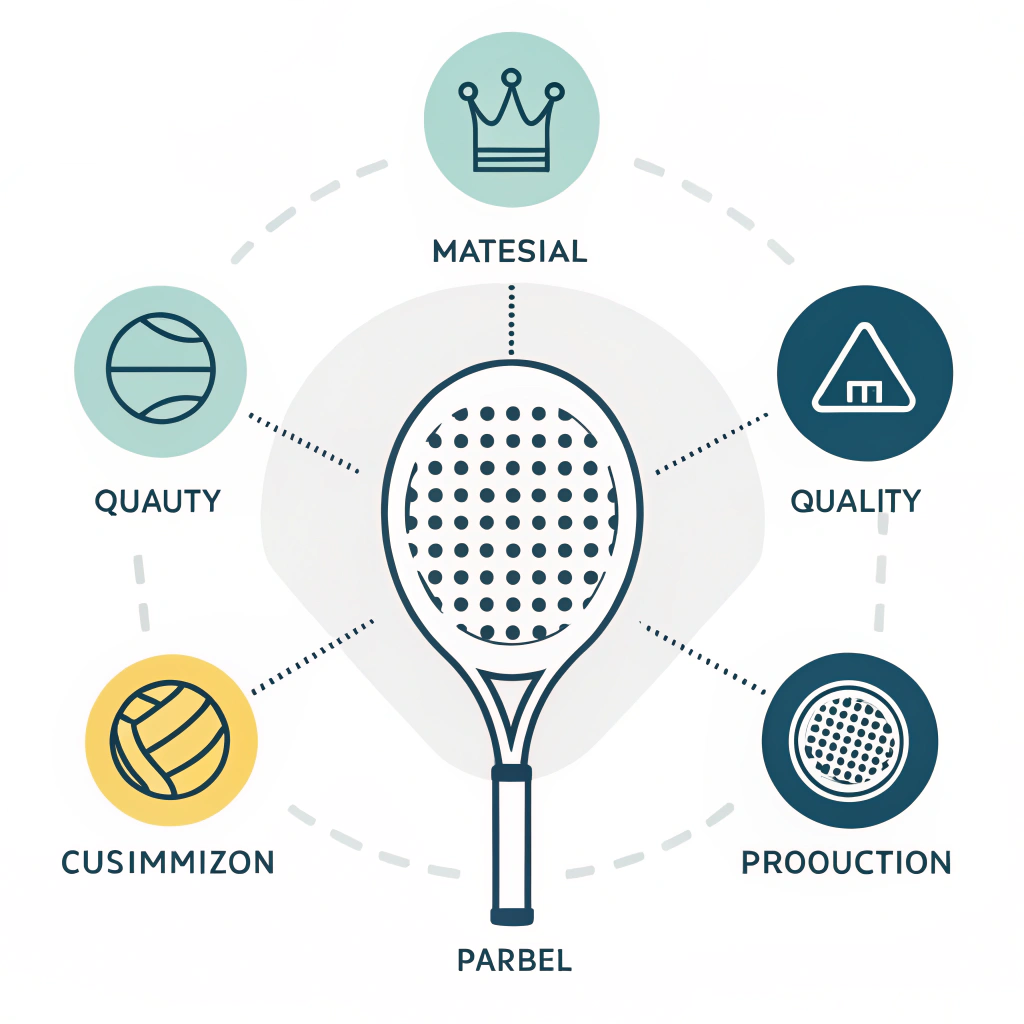
When evaluating padel equipment suppliers, consider a comprehensive comparison across multiple dimensions. The table below outlines how top suppliers differ in key areas:
| Factor | NEX Padel | Competitor A | Competitor B |
|---|---|---|---|
| Materials | 3k, 12k, 18k carbon fiber & fiberglass | Primarily fiberglass; limited carbon options | Mixed materials with inconsistent quality |
| Customization Options | Full customization on shape, print, color, hand grip, and handle cover | Some parts customizable; mostly standard designs | Limited custom options available |
| Production Turnaround | Rapid prototyping & timely delivery | Moderate delivery speeds | Slower production cycle |
| Quality Control4 | Rigorous quality checks and real-time monitoring | Standard quality control procedures | Basic quality checks |
This comparison is essential when making your final procurement decision. Suppliers must provide not only competitive pricing but also consistency in quality and production efficiency to secure long-term business relationships.
Innovation in manufacturing padel equipment makes a significant difference in performance on the court. NEX Padel stands out with its extensive range of customization options and state-of-the-art production techniques. Here are the key elements that differentiate a high-quality supplier:
Modern padel rackets require a thoughtful balance of weight, strength, and flexibility. With materials ranging from fiberglass to various grades of carbon fiber (3k, 12k, and 18k), the construction method significantly affects:
- Durability: Higher-grade carbon fibers improve the racket's longevity.
- Performance: Different carbon fiber weaves affect the sweet spot and overall playability.
- Customization: Ability to adjust material layers and weave density to tailor racket characteristics.
A supplier's ability to offer diverse and customizable shapes like Diamond, Round, and Teardrop shapes empowers brands to create unique selling propositions. Not only can you dictate the shape and structure, but you can also custom print logos and choose personalized color schemes that align with your brand identity. Additionally, customization extends to accessories like the hand grip and handle covers, ensuring consistency across your product line.
In padel, accessories such as hand grips and ball specifications (e.g., 45% wool vs. 57% wool padel balls packaged in Pressurized tubes) are crucial. The emphasis on accessory innovation ensures that every element—from the core racket to the smallest component—is designed for optimal performance and durability. These improvements can enhance both safety and playability on the field.
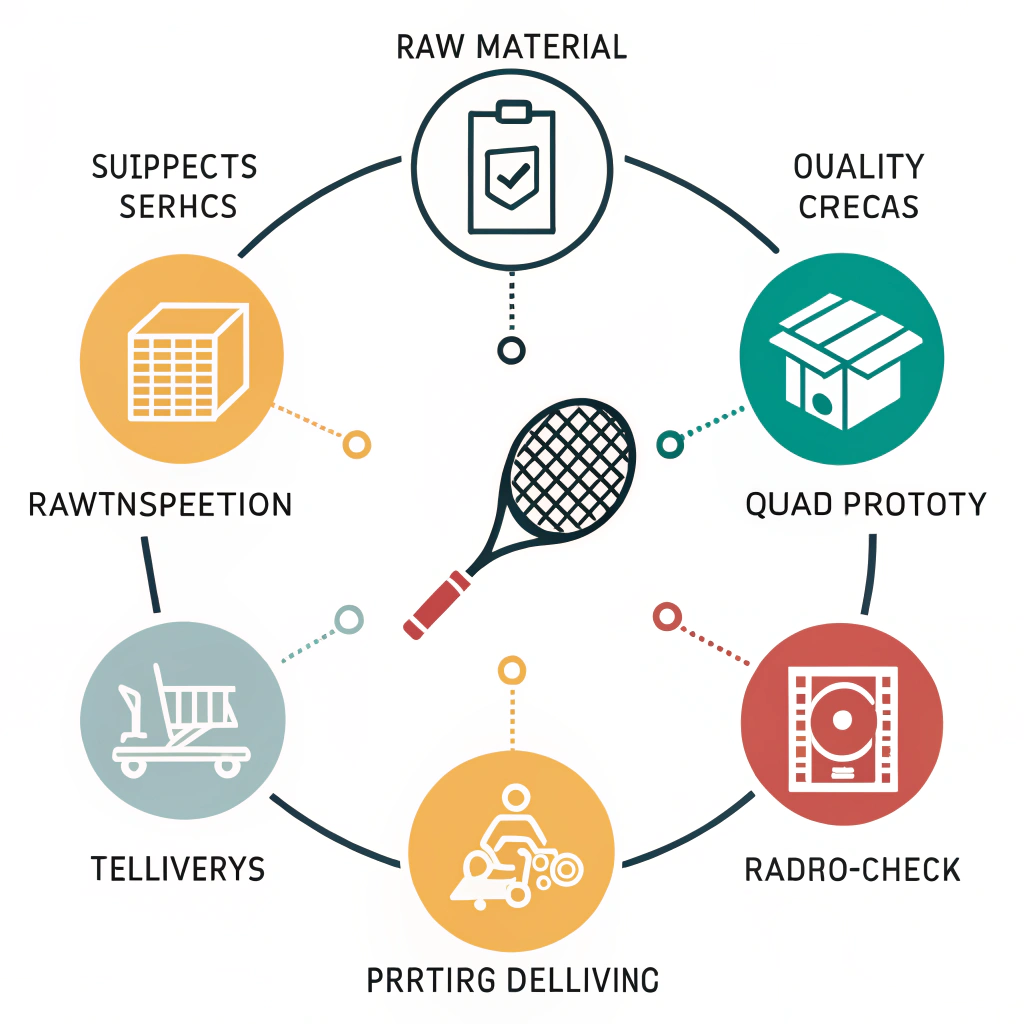
Efficiency in production is a critical parameter for B2B procurement. Suppliers must balance rapid turnaround times with rigorous quality control to meet increasing market demands and seasonal peaks. NEX Padel, leveraging advanced production techniques, ensures that:
- Rapid Prototyping5: Quick initial sample production makes it easier to implement design changes and achieve a faster final approval cycle.
- Timely Deliveries: On-time manufacturing and logistics support are paramount to ensuring that retailers and distributors do not face stock shortages during peak seasons.
A stringent multi-stage quality control process is in place to guarantee every product meets international standards. For example:
- Raw materials are inspected before production.
- Each production batch undergoes intermediate quality checks.
- Final products are rigorously tested for performance, durability, and safety insights.
Table 2 below summarizes the production efficiency initiatives implemented by NEX Padel:
| Stage | Key Focus | Impact on Final Product |
|---|---|---|
| Material Inspection | Verify quality of raw materials | Ensures durability and safety |
| Rapid Prototyping | Quick sample production and revisions | Accelerates final design approval |
| In-Process Quality Checks | Regular inspections during production | Maintains consistency |
| Final Testing | Performance and stress testing | Guarantees high performance |
| Logistics and Delivery | Streamlined shipping and processing | Meets delivery deadlines |
Such rigorous processes not only reduce the potential for defects but also build trust with business partners who have high expectations regarding quality and production efficiency.
Alignment with industry trends and learning from case studies are essential to making informed procurement decisions. The padel market is evolving rapidly, and suppliers who innovate are setting new benchmarks in product quality and customization.
- Increasing Customization: Modern consumers demand products that reflect their personal style and brand identity. Customization features such as unique color schemes, personalized logos, and ergonomic design modifications are in high demand.
- Material Advancements: The continuous improvement in material science has led to the production of lighter yet stronger rackets. Innovations in carbon fiber technology further boost product performance and durability.
- Technological Integration: More suppliers are adopting digital technologies for real-time quality monitoring and production scheduling, ensuring minimal downtime and rapid response to market changes.
NEX Padel has successfully partnered with notable industry names such as Hirostar and Reebok to create padel rackets that combine performance with striking design. For example:
- A leading sports brand sought a supplier capable of delivering both high-performance rackets and upper-tier customization. By choosing NEX Padel, they achieved a balance between agile production turnaround and premium material usage, ultimately boosting their market presence.
- Another case involved a sport retail chain looking to streamline their padel supply chain. By partnering with NEX Padel, they capitalized on efficient production cycles and strict quality controls, resulting in minimized returns and enhanced customer satisfaction.
These real-world examples underscore the importance of selecting a supplier who not only meets technical criteria but also acts as a strategic partner in market growth and product innovation.

To ensure your padel equipment portfolio stands out in the competitive sports market, consider the following actionable steps:
-
Evaluate Material Quality
- Request detailed specifications of material grades (3k, 12k, 18k carbon fiber, fiberglass) and understand the production process that differentiates premium products from standard ones.
-
Prioritize Customization Flexibility
- Choose a supplier who can offer full customization—from racket shape to accessory design. Ensure you can tailor features like hand grip and handle cover logos to meet your branding requirements.
-
Assess Production Turnaround and Delivery Schedules
- Investigate the supplier’s production cycle, including rapid prototyping timelines and logistic arrangements. Reliable delivery is critical for maintaining inventory levels and meeting market demands during peak seasons.
-
Confirm Quality Control Measures
- A transparent quality control process should involve multi-stage inspections with documented procedures. Demand insights into how quality checks are integrated into each production stage.
-
Leverage Industry Partnerships and Case Studies
- Request references or case studies from the supplier that demonstrate successful partnerships with reputable brands. This validation can help mitigate the perceived risks associated with supplier selection.
By taking these steps, you can identify a manufacturing partner that aligns with your operational needs and contributes to a competitive product offering. A strategic partnership with an experienced manufacturer like NEX Padel can help transform your procurement process into a reliable, efficient, and profitable business asset.
What gear do you need for padel?
Apart from essential items like a racket, shoes, and extra clothing, players typically need accessories such as a small towel, water bottle, additional grip, wrist band, bandages for injuries, snacks, and isotonic drinks during tournaments. For outdoor play, items like caps, sunglasses, and gloves in cold weather are also recommended.
How do I choose the right padel racket for me?
When selecting a padel racket, consider the shape that fits your play style, weight for the balance between power and maneuverability, and overall balance. Evaluate handle size and length for comfort and control, and pay attention to the materials and surface texture, which impact performance and durability. Observing the rackets used by top players can also provide useful guidance.
Do expensive padel rackets make a difference?
More expensive padel rackets are not automatically better for beginners or intermediate players. They often have smaller sweet spots and firmer construction, which can be less forgiving. It is important to match the racket’s features with your skill level and playing style rather than equating cost with quality.
-
Production Techniques: Click to read an in-depth analysis of modern manufacturing processes and production methodologies to optimize operational efficiency. ↩
-
Material Quality: Click to explore how material specifications and testing standards affect product performance and durability in a competitive market. ↩
-
Customization: Click to understand the strategic benefits of offering customizable products and how tailored solutions can meet diverse client needs. ↩
-
Quality Control: Click to discover effective quality control frameworks and procedures that ensure consistency, safety, and high performance across manufacturing stages. ↩ ↩2
-
Rapid Prototyping: Click to learn about the rapid prototyping process, its impact on design iterations, and how it accelerates time-to-market. ↩