Skip to content

The padel market is experiencing strong growth driven by increasing consumer interest, evolving equipment technology, and dynamic supply chain partnerships1. In today’s article, we provide a detailed analysis of market trends, competitive dynamics, and strategic procurement insights2 to guide B2B decision-makers in the sports equipment industry.
In recent years, the padel market has grown rapidly, underpinned by rising consumer demand and advancements in racket manufacturing. Data tells us that new trends, such as the adoption of high-performance materials and customized designs, are reshaping the market. At the heart of this transformation are innovative companies that are revamping production techniques to offer enhanced durability and precision. In this context, understanding the latest market size analysis, competitive landscape, and growth projections is critical for product managers, market analysts, and procurement specialists.
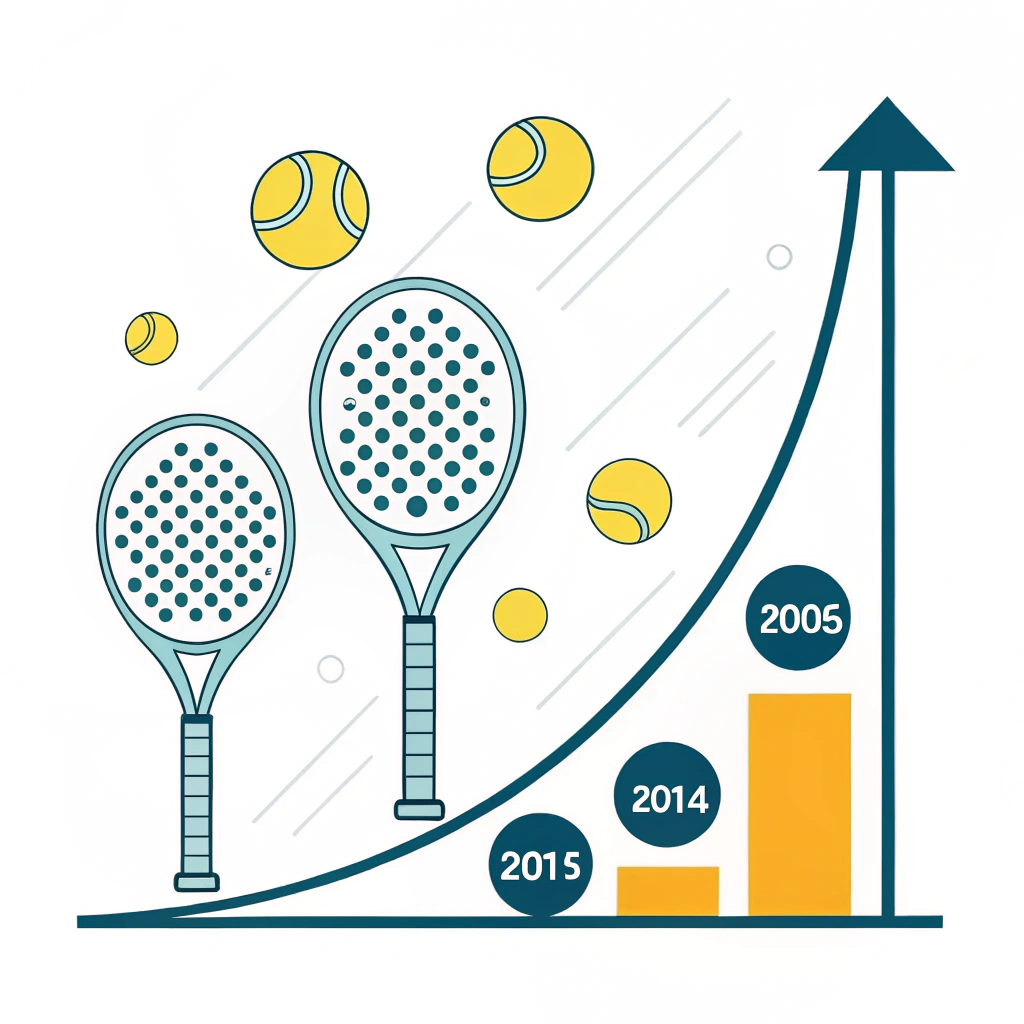
The padel industry is evolving with several notable trends that every stakeholder should consider:
• Market Expansion: The global market for padel equipment has shown consistent growth due to increased awareness and active participation in padel sports.
• Technology and Material Innovation: The integration of materials such as fiberglass and varying grades of carbon fiber3 (3k, 12k, 18k) has enhanced racket performance, meeting the needs of players from beginners to professionals.
• Customization and Branding: With increasing demand for unique designs, manufacturers now offer fully customizable shapes, colors, and imprinting options on both rackets and accessories like hand grips and handle covers.
This dynamic evolution pushes manufacturers like NEX Padel to harness cutting-edge technologies. Our advanced production techniques ensure that every racket—whether it’s the Diamond, Round, or Teardrop design—meets high standards in precision and durability.
Several key factors are propelling the padel market forward:
-
Consumer Demand and Lifestyle Shifts: The growing popularity of padel as a recreational sport is driving demand for high-quality equipment. An increasing number of sports enthusiasts are transitioning to padel, leading to a surge in market size and penetration.
-
Technological Advancements: Manufacturers invest significantly in R&D to improve performance attributes. The evolution of materials—from fiberglass to advanced carbon fiber composites—is at the forefront of this movement.
-
Global Expansion of Sports Infrastructure: As more countries invest in sporting facilities and clubs, accessibility to padel courts increases. This macro trend feeds directly into equipment demand, encouraging manufacturers to scale operations.
-
B2B Partnerships and Outsourcing: Prominent sports brands, such as Hirostar, Reebok, and Starvie, are forming strategic alliances with high-performance manufacturers. This partnership model enhances product offerings and ensures quality control across the supply chain.

In summary, these driving factors not only expand market size but also influence procurement strategies and supplier selection for B2B players in the sports equipment arena.
B2B decision-makers must carefully analyze the competitive landscape when planning investments and aligning procurement strategies. In the padel industry, several elements are crucial:
• Market Share Distribution: While established brands dominate certain segments, niche players with advanced customization options are beginning to capture significant market share.
• Product Differentiation: Factors such as material quality, production speed, and design customizations serve as major differentiators.
• Supply Chain Efficiency: Robust partnerships in sourcing raw materials, such as high-grade carbon fiber and specialist production components, play a critical role in meeting market demands.
• Cost Management and Pricing Strategies: In a market where both premium and cost-effective options exist, managing production costs while ensuring quality is a challenge that manufacturers continually face.
Below is a comparative table that highlights key market segments and their growth prospects:
| Market Segment | Growth Projection (2023-2028) | Key Drivers |
|---|---|---|
| High-Performance | 8%-10% annual growth | Advanced materials & elite partnerships |
| Customized | 10%-12% annual growth | Design flexibility & personalized branding |
| Standard Models | 5%-7% annual growth | Cost efficiency & mass-market accessibility |
This table demonstrates how innovation and market segmentation drive growth in the padel industry. For companies like NEX Padel that support full customization and rapid prototyping, aligning product development with these trends is essential for long-term success.
At NEX Padel, we have crafted our business strategy to harness these trends. Here are several areas where our approach stands out:
-
Advanced Production Techniques4: Our manufacturing process leverages state-of-the-art production methods to ensure that each product meets precise quality standards. This is especially important when working with diverse materials such as fiberglass and various grades of carbon fiber.
-
Rapid Prototyping5 and Timely Delivery: In the competitive B2B market, speed is key. Our ability to quickly produce samples and deliver on time positions us as a trusted supplier for international brands.
-
Customization at Scale: Offering fully customizable racket shapes, colors, and logo placements on accessories is a critical differentiator. This approach not only meets varied consumer demands but also helps partners build distinctive brand identities.
-
Maintaining Quality Across Products: Whether it is our high-performance rackets or padel balls sourced from reliable manufacturing partners, quality remains a non-negotiable standard. For example, our padel balls come in two types—45% wool and 57% wool—and are packaged using pressurized tubes to maintain optimal performance.
- Robust B2B Partnerships: We actively engage with internationally recognized brands, ensuring that our products are integrated into global supply chains. These partnerships encourage continuous improvement and provide us with valuable market insights.
Our expertise is grounded in comprehensive market analysis and customer feedback, ensuring that we remain at the cutting edge of innovation in the padel market.
For product managers, market analysts, and procurement specialists evaluating padel equipment investments, consider the following strategic recommendations:
• Perform In-depth Market Analysis: Investigate growth projections, technological advancements, and competitive dynamics. This analysis will not only inform your procurement strategy but will also provide insights into future trends.
• Evaluate Supplier Capabilities: Look beyond cost; assess a supplier’s ability to innovate and adapt. Consider factors such as production speed, customization options, and quality control processes. Suppliers with flexible manufacturing systems, like NEX Padel, can quickly respond to market shifts.
• Focus on Long-term Partnerships: Strategic alliances can drive efficient scaling and mutual growth. A long-term relationship with a supplier who demonstrates commitment to innovation and quality can significantly enhance your competitive edge.
• Consider Supply Chain Integration: Review how suppliers integrate custom printing, design variations, and accessory manufacturing. A holistic approach to product development can save time and reduce operational risks.
These recommendations, backed by data-driven insights, provide a clear roadmap for B2B decision-makers looking to strengthen their market position.
The padel industry is positioned for sustained growth, driven by evolving consumer preferences, technological advancements, and strategic industry partnerships. As market dynamics continue to shift, decision-makers must remain agile, leveraging data-driven insights and aligning procurement strategies with emerging trends.
At NEX Padel, we are dedicated to staying ahead of market trends and delivering high-quality, customizable padel rackets and equipment. Our focus on innovation, rapid turnaround times, and robust B2B partnerships ensures that we not only meet but exceed the expectations of our partners. For any company looking to invest in the expanding padel market, embracing these trends is essential for long-term success and competitive advantage.
By understanding the complex interplay of market forces and aligning with a capable supplier network, B2B decision-makers can confidently navigate the competitive landscape of the padel industry and drive sustainable growth.
People Also Ask
Q1: What are the latest trends in the global padel market?
A1: The latest trends in the padel market include rapid market expansion due to rising popularity, advances in high-performance materials like various grades of carbon fiber, and a strong focus on customization and rapid production techniques.
Q2: How does the competitive landscape affect padel racket manufacturing?
A2: The competitive landscape shapes manufacturing by driving innovations in material usage, production efficiency, and customization. Manufacturers that can combine quality control with agile production methods are better positioned to secure strategic B2B partnerships and capture market share.
Q3: What procurement strategies can optimize padel equipment supply chain efficiency?
A3: Effective procurement strategies include conducting comprehensive market analysis, evaluating supplier capabilities beyond just price, fostering long-term partnerships, and integrating supply chain processes to ensure timely production and quality consistency.
-
supply chain partnerships: Click to read more about forming robust relationships within supply chains and how strategic partnerships can improve operational efficiency and risk management. ↩ ↩
-
procurement insights: Click to learn about effective procurement strategies that drive value in B2B markets through informed decision-making and supplier evaluation. ↩ ↩
-
carbon fiber: Click to explore the benefits, applications, and innovations in carbon fiber technology and its impact on product performance in competitive markets. ↩ ↩
-
advanced production techniques: Click to gain insights into cutting-edge manufacturing processes that enhance quality, efficiency, and consistency in production across industries. ↩ ↩
-
rapid prototyping: Click to read how rapid prototyping accelerates product development, enabling faster market entry and improved design iterations. ↩ ↩