Skip to content
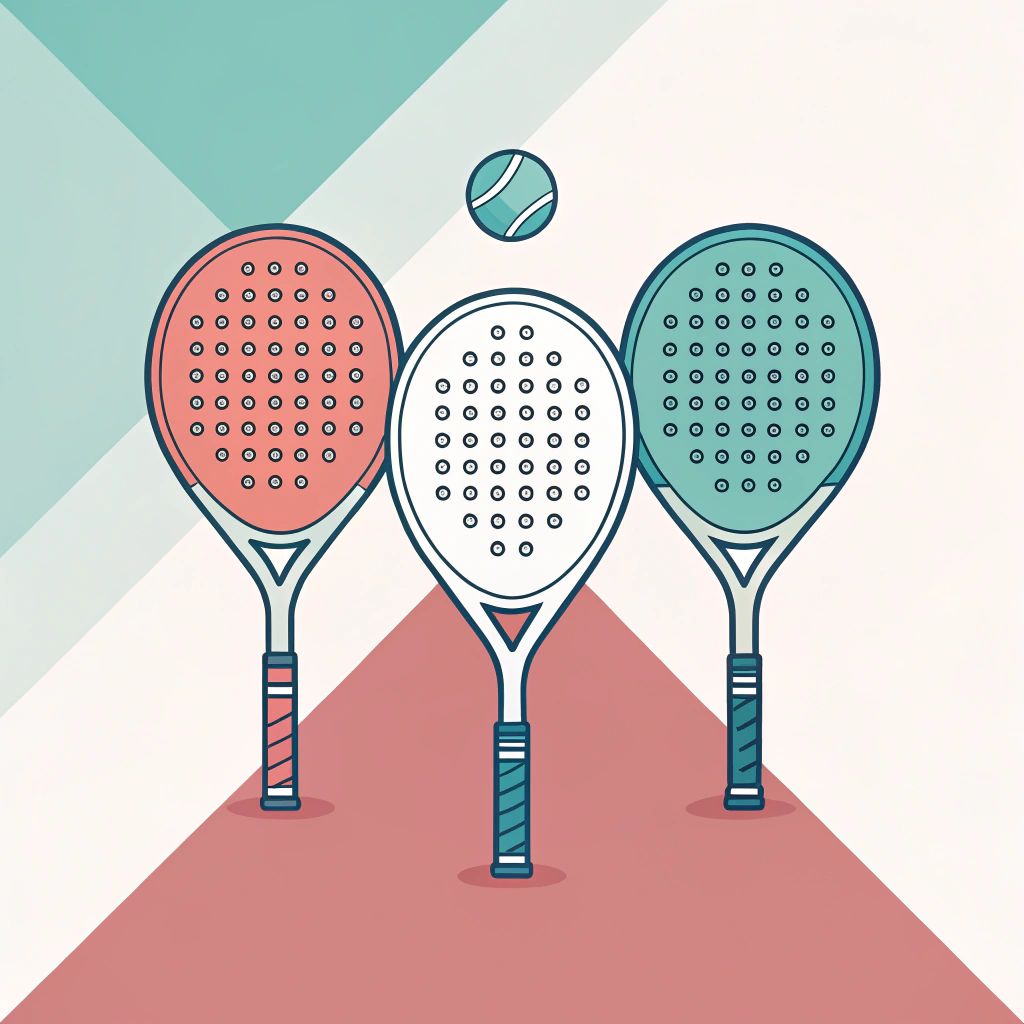
Padel rackets are more than just a piece of sporting equipment—they are precision-engineered1 tools tailored to distinct player skills and market demands. In this article, we quickly address the key point: choosing the right padel racket means understanding technical specifications, design differences, material compositions, and available customization options to meet your procurement and end-user needs. Our discussion will help you compare models, understand manufacturing processes, and confidently decide on sourcing high-performance rackets that suit varying player levels.
Understanding the Padel Racket Landscape
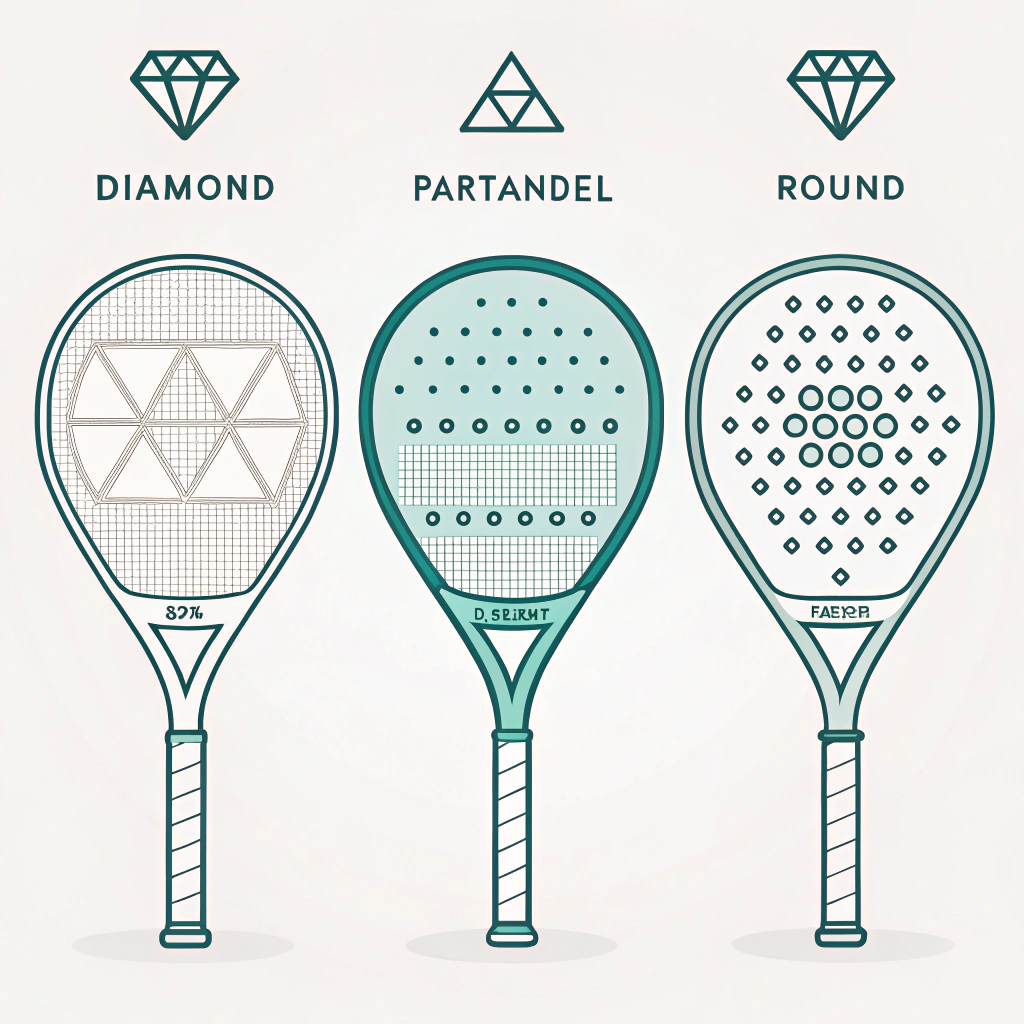
For sports equipment distributors and specialty retailers, sourcing padel rackets is about balancing innovation with reliability. At NEX Padel, we manufacture premium padel rackets using advanced materials—from glass fibre2 to high-grade carbon fibre (3k, 12k, and 18k)3—ensuring each model meets precise standards of performance and durability. Our product lines include distinct shapes such as Diamond, Round, and Teardrop designs. Each design is optimized for different skill levels and playing styles:
• The Diamond shape is generally targeted towards technical and advanced players, offering a high balance point4 and an enlarged sweet spot for aggressive play.
• The Teardrop variation suits advanced and intermediate players by balancing control with power through a medium balance point and centrally located sweet spot.
• The Round design is ideal for recreational and beginner players, providing a lower balance point for increased maneuverability and ease of play.
Technical Capabilities and Customization
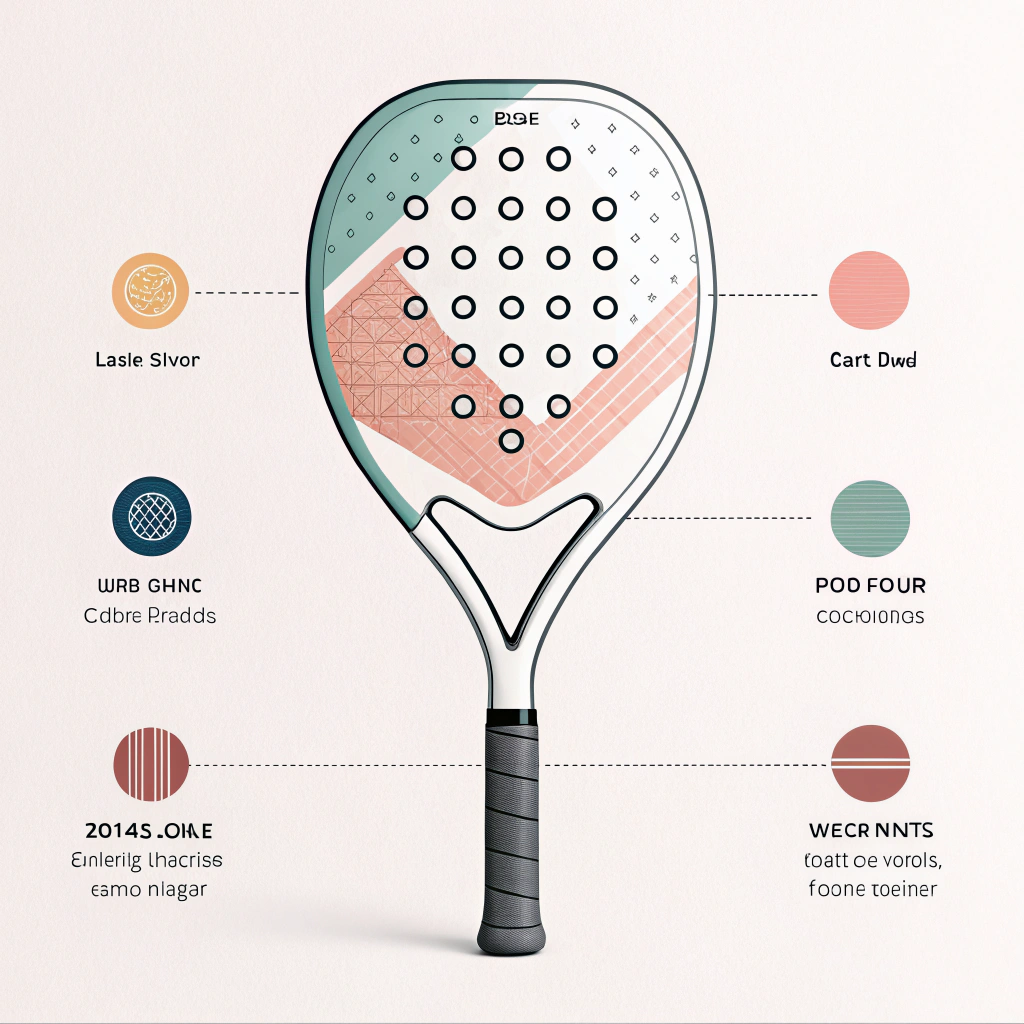
Manufacturers and distributors alike demand robust data on production quality and customization potential. At NEX Padel, our manufacturing process is highly flexible, allowing us to support full customizations—from racket shapes to color schemes and logo placements on both the racket face and the hand grip area. We work with renowned international brands like Hirostar, Reebok, and Starvie. This means that if you need to market a padel racket that addresses specific consumer niches or performance levels, we can meet those demands with fast sampling and timely delivery.
Customization Options Include:
• Custom shapes and design adjustments based on player needs
• Tailoring materials—using carbon fibre variants such as 3k, 12k, or 18k for varying stiffness and durability
• Personalized imprinting on racket surfaces and accessories such as hand grips and handle covers
• Production of complementary padel balls in different wool compositions (45% wool and 57% wool), ensuring compliance with performance standards
Comparative Analysis: Choosing the Right Racket Model
To help you evaluate which padel racket model best fits your market portfolio, here is a detailed comparison table that considers multiple dimensions including design, material options, and player skill level appropriateness:
| Model Type | Recommended Skill Level | Material Options | Balance & Design | Customization Features |
|---|---|---|---|---|
| Diamond | Advanced/Technical | Carbon fibre (3k/12k/18k) | High balance point, larger sweet spot for aggressive play | Fully customizable shape, colors, and logo placements |
| Teardrop | Advanced/Intermediate | Carbon and Glass fibre blended options | Medium balance point for balanced power and control | Custom design adjustments, personalized imprinting options |
| Round | Beginners/Recreational | Glass fibre optionally reinforced with carbon fibre substitutes | Low balance point for enhanced control and maneuverability | Custom prints, adjustable grip designs |
This table clearly illustrates that a strategic decision must be based on your target customer profile. For instance, if your market primarily consists of beginner players, a Round model—characterized by its low balance point and forgiving design—might be the best option. Conversely, for high-performance players, the Diamond configuration provides technical advantages and expansive customization capabilities.
Quality Assurance and Production Reliability
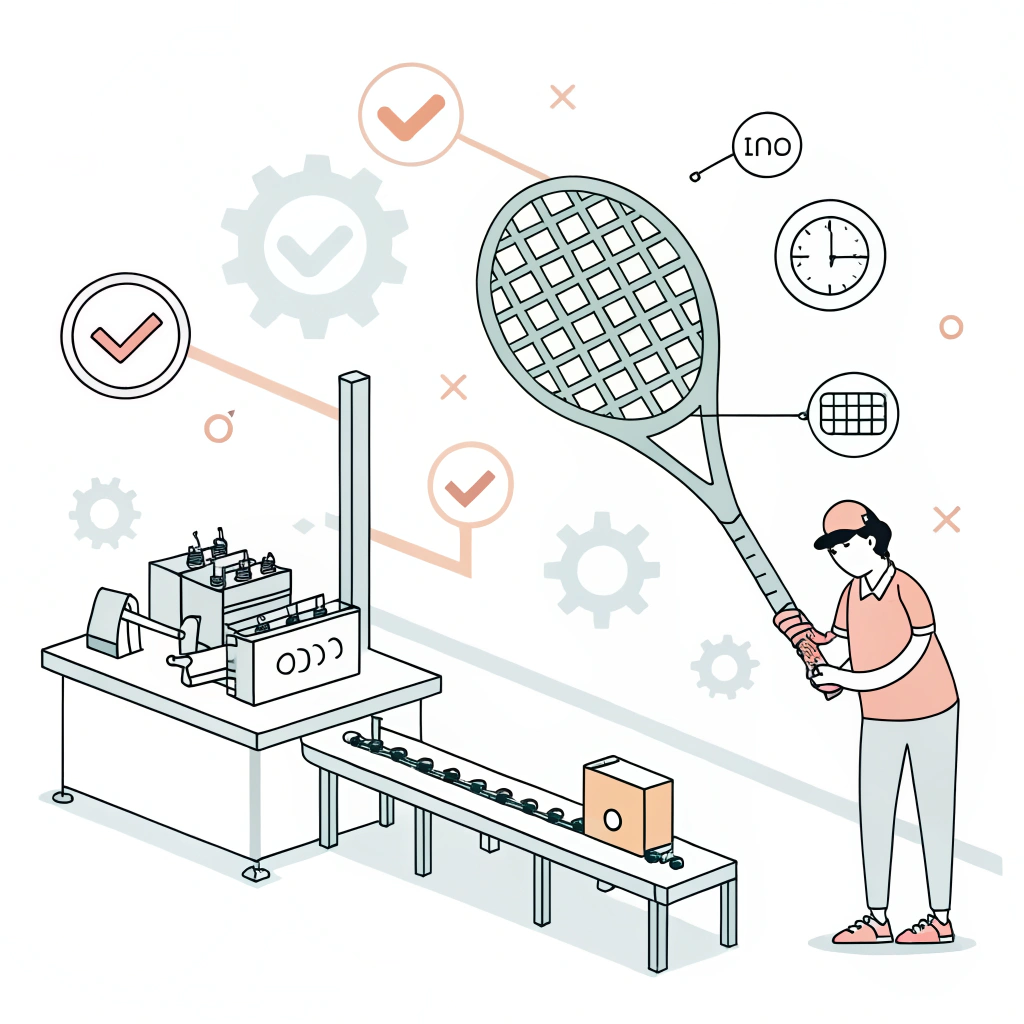
Procurement decisions in the padel sector significantly depend on production reliability and quality control. Our advanced production techniques incorporate stringent quality control measures to ensure consistent product performance. Each padel racket undergoes a rigorous testing process to verify that technical specifications, such as balance point and material rigidity, meet the demands of professional gameplay.
Key elements of our quality assurance include:
• Rapid sampling5: We offer quick prototypes that help you gauge product performance before large-scale orders.
• Precision engineering: Our manufacturing facility in Jiaxing, Zhejiang, utilizes cutting-edge production methods that yield high precision and durability.
• Customization accuracy: Our in-house customization ensures that each bespoke order meets both aesthetic and functional requirements.
• Supply chain efficiency: Timely delivery is supported by our robust logistical capabilities, ensuring you can rely on NEX Padel for consistent inventory levels.
This commitment to quality and reliability is critical when considering long-term partnerships. It also helps differentiate us in a competitive B2B marketplace where strategic, reliable suppliers are prized.
Industry Comparison and Market Trends
In today’s competitive sports equipment market, knowing industry trends can enhance your procurement strategy. Market data suggests that there is growing demand for customizable, high-performance padel rackets that cater to an expanding range of skill levels. Many distributors are shifting focus toward equipment that offers both performance enhancement and personalized branding opportunities. By offering customizable solutions like those from NEX Padel, you can drive customer satisfaction while maintaining a competitive edge.
The industry sees three primary player segments:
1. Beginners: Prefer lighter, more maneuverable rackets and are sensitive to price and ease of play.
2. Intermediate: Look for a balance between performance and control, expecting equipment that supports both improvement and competitive play.
3. Advanced: Demand technical specifications that deliver high performance under competitive conditions along with the possibility to incorporate personalized features.
This segmentation is a key determinant in product positioning, and our product lineup—backed by technical data, precise material selections, and robust manufacturing processes—offers a solution for every segment.
Case Example and Strategic Recommendations
Consider a sports equipment distributor who faced challenges differentiating products in a saturated market. The distributor collaborated with a leading manufacturer to source customized padel rackets that not only delivered high performance but also offered a distinct brand identity through logo imprinting and color customization. The result was a product lineup that resonated with club players and amateurs alike, leading to increased customer loyalty and improved market penetration.
Based on such case examples, here are strategic recommendations:
• Assess the skill demographics of your target market carefully. Use models like our Diamond for advanced players and Round for beginners.
• Leverage customization options to build brand loyalty. Customized design elements can make a significant difference in consumer perception.
• Streamline your inventory by partnering with a supplier who can offer quick sampling, rapid production scaling, and rigorous quality checks.
• Stay updated with market trends and adopt slight modifications in your product offerings based on evolving consumer demands.
A decision to partner with a flexible and technologically advanced manufacturer like NEX Padel not only secures a supply chain advantage but also positions your brand as a quality-focused market leader.
In summary, understanding and evaluating the differences among padel racket models is crucial for B2B procurement. By focusing on technical specifications, production reliability, and customization capabilities, you can ensure the products you source not only meet but exceed market demands. Whether you’re considering a Diamond, Teardrop, or Round design, the key is to match the product attributes to the skill levels and preferences of your end customers. Our detailed comparison and insights should serve as a guide to help you make informed decisions when selecting your next padel equipment lineup.
People Also Ask
Q: What is the easiest padel racket to play with?
A: The easiest padel racket to use tends to be a lightweight, round-shaped design. Such rackets feature a low balance point and enhanced maneuverability, making them ideal for beginners and intermediate players seeking a softer, more forgiving playing experience.
Q: What are the skill levels in padel?
A: Padel skill levels generally range from beginners who are just learning to keep the ball in play, to intermediate players who can sustain rallies but may have challenges with wall play, and finally advanced players who exhibit consistent, aggressive play with sound point construction and overhead game strategies.
Q: Which padel racket is best for me?
A: Choosing the best padel racket depends on your playing level and style. A Diamond-shaped racket is ideal for advanced players due to its high balance and expansive sweet spot, while a Teardrop-shaped model suits advanced to intermediate players. For recreational players or beginners, a round-shaped racket, known for its low balance point and ease of play, is typically the most appropriate choice.
-
precision-engineered: Click to read about advanced design techniques that ensure sporting equipment meets exact performance standards and durability requirements. ↩ ↩
-
glass fibre: Click to explore the properties of glass fibre, including its role in enhancing the strength and flexibility of high-performance sporting goods. ↩ ↩
-
high-grade carbon fibre (3k, 12k, and 18k): Click to learn about carbon fibre grades and how different weaves influence the stiffness, durability, and overall performance of sports equipment. ↩ ↩
-
balance point: Click to understand how the distribution of weight in a padel racket impacts maneuverability, power, and control across different player skill levels. ↩ ↩
-
Rapid sampling: Click to gain insights into the rapid sampling process used in product development, outlining how prototypes are quickly produced and tested to optimize quality before full-scale manufacturing. ↩ ↩