Skip to content

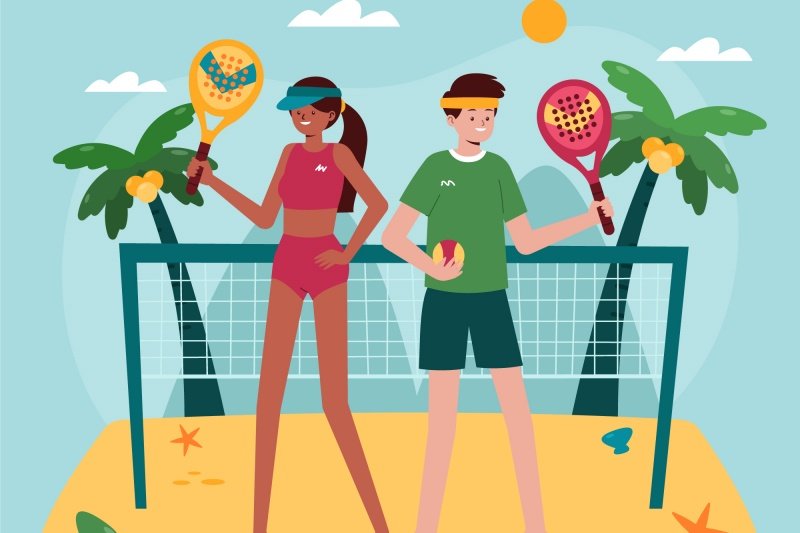
Frustrated by inconsistent bounce or fast ball wear? Choosing the right premium padel ball changes everything on the court.
Premium padel balls are high-quality, pressurized balls1 made for professional play, offering consistent bounce, durability, and optimal control.
Let’s explore what makes a padel ball premium—and how to choose the best one for your game or business.
What balls do they use in Premier padel?
The top-level players don’t settle for average—they use certified balls that meet strict standards for speed, bounce, and pressure.
Premier Padel uses officially approved premium balls from select brands that meet international competition standards.
Standards for Tournament Play
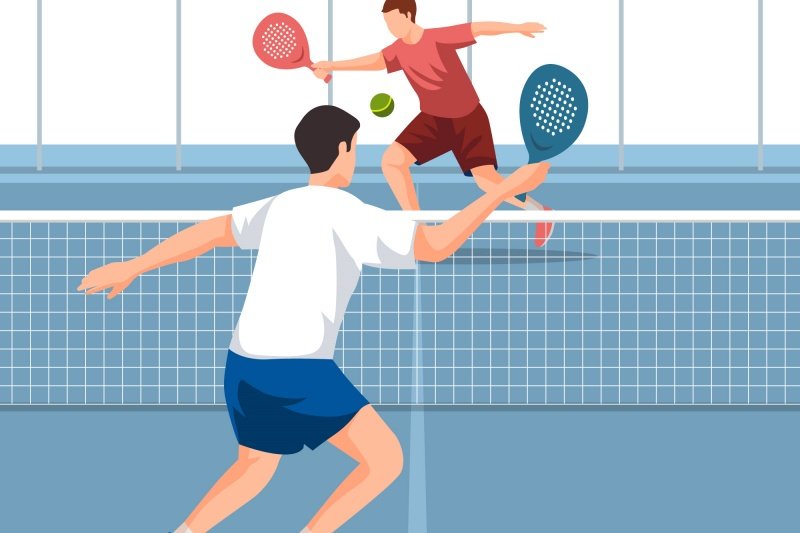
In Premier Padel events, ball quality isn’t just important—it’s mandatory. These tournaments require balls with consistent pressure, bounce, and feel, designed to perform well under both indoor and outdoor conditions. Brands like Head, Bullpadel, and Wilson have developed tour-level balls specifically for these events.
Requirements for Professional Balls
| Criteria | Premier Padel Standard | Regular Ball Standard |
|---|---|---|
| Bounce Consistency | Strict tolerance | Moderate |
| Pressure Retention | Longer-lasting pressure | Shorter retention |
| Felt Quality | Premium woven felt | Basic felt |
| Court Adaptability | Indoor & outdoor surfaces | Mostly recreational surfaces |
Manufacturer Insight
At NEX Padel, when we develop high-end balls for tournament-level play, we run pressure testing2 and felt durability analysis3 on every batch. We aim to meet these same standards, whether it's for elite athletes or premium club players.
What are the best padel balls?
Choosing the best padel ball depends on where and how you play—but certain balls consistently outperform others in durability and playability.
The best padel balls offer stable pressure, high-quality felt, and consistent bounce suitable for both amateur and professional use.
Performance vs. Preference
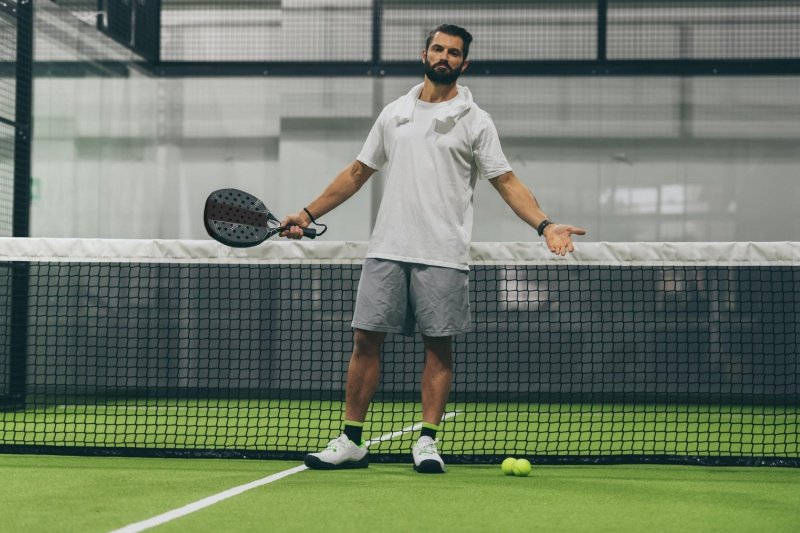
There’s no one-size-fits-all ball. Some players prefer fast balls for quick rallies, while others value control. The best premium balls deliver a balanced combination of speed and precision, lasting at least 3–4 matches at high performance.
Top-Rated Padel Balls
| Brand | Model | Key Features | Use Case |
|---|---|---|---|
| Head | Padel Pro S | Fast, durable, used in pro circuits | Tournament/Outdoor |
| Bullpadel | Premium Pro | Excellent control, long lifespan | Club/Indoor |
| Wilson | X3 Speed | Lightweight, quick rebound | Intermediate to Pro |
| NEX Padel | Pro Tour Series | Consistent bounce, premium felt, durable | Custom OEM/Private Label |
What We Offer at NEX Padel
We manufacture high-end padel balls under private label4 and OEM contracts5. Our Pro Tour Series is designed for clubs and tournaments seeking top-tier quality with customizable branding. We ensure all our balls undergo strict quality control before shipping.
What is padel called in America?
Naming confusion in the U.S. can affect marketing and product clarity for emerging brands and retailers.
In America, the sport is officially called "Padel," although some refer to it as "padel tennis" for clarity.

Navigating the U.S. Market
From my work with distributors in North America, I’ve noticed how often customers confuse padel with other paddle sports like pickleball. To position products correctly, it’s essential to use consistent terminology in product packaging and marketing.
Commonly Used Terms
| Term | Meaning | U.S. Usage Level |
|---|---|---|
| Padel | Official name of the sport | Growing in popularity |
| Padel Tennis | Informal descriptor for padel | Often used in marketing |
| Paddle Tennis | A different, older sport | Still present in some areas |
| Pickleball | Different sport entirely | Widely known |
Branding Recommendation
At NEX Padel, we advise clients entering the U.S. to stick with “Padel” for long-term branding, but to include clarifying descriptions when needed (e.g., “Padel – The Racket Sport Played with Walls”) in early-stage markets.
How often should you replace padel balls?
Old padel balls lose bounce and pressure quickly, making matches feel slow and uneven—and increasing the risk of injury or poor performance.
Padel balls should be replaced every 3 to 5 matches for consistent performance, depending on intensity and court surface.
Factors Affecting Ball Lifespan
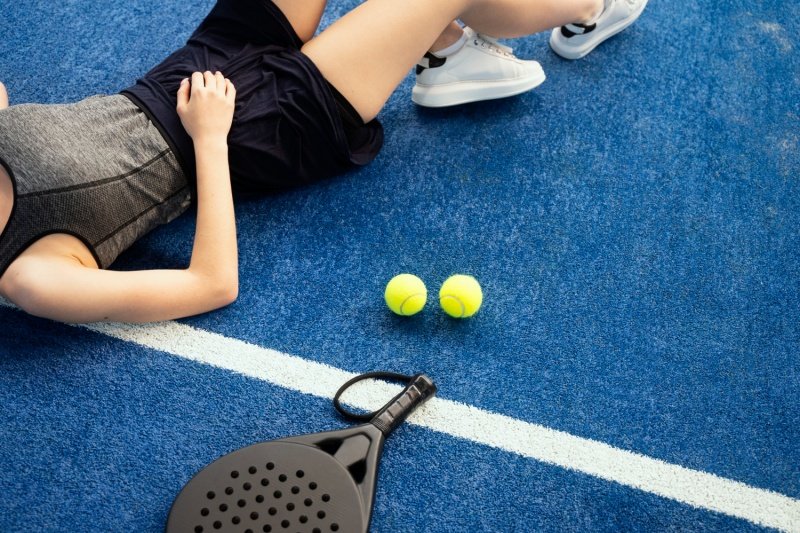
Ball durability depends on playing style, surface, and ball quality. On sand-filled artificial turf, balls wear faster. On dry, hard courts, they can last slightly longer. At NEX Padel, we recommend rotating balls every 3 matches for competition, and every 5–6 matches for casual play.
Ball Lifespan by Use Case
| Use Case | Matches Before Replacement | Notes |
|---|---|---|
| Professional Match | 2–3 | Strict quality required |
| Club Training | 3–5 | Depends on frequency and surface |
| Recreational Play | 5–6 | Acceptable performance over longer periods |
| Ball Machine Use | 6–10 | No wall interaction, minimal wear |
Pro Tip
If you notice balls bouncing lower or feeling “flat” during play, it’s time to swap them out. For consistent training and match quality, keep an extra set on hand. That’s what we recommend to our partner clubs and pro shops.
Conclusion
Premium padel balls offer enhanced durability, precision, and control—key factors for competitive play and professional-level performance.
-
Understand how pressurization affects ball bounce, durability, and control for professional play. ↩
-
Find out how pressure testing ensures consistent performance and quality in padel balls. ↩
-
Learn why felt durability analysis is crucial for maintaining ball performance. ↩
-
Discover the advantages of private label production in customized product branding. ↩
-
Learn about OEM contracts and their benefits for manufacturing partnerships. ↩