Skip to content
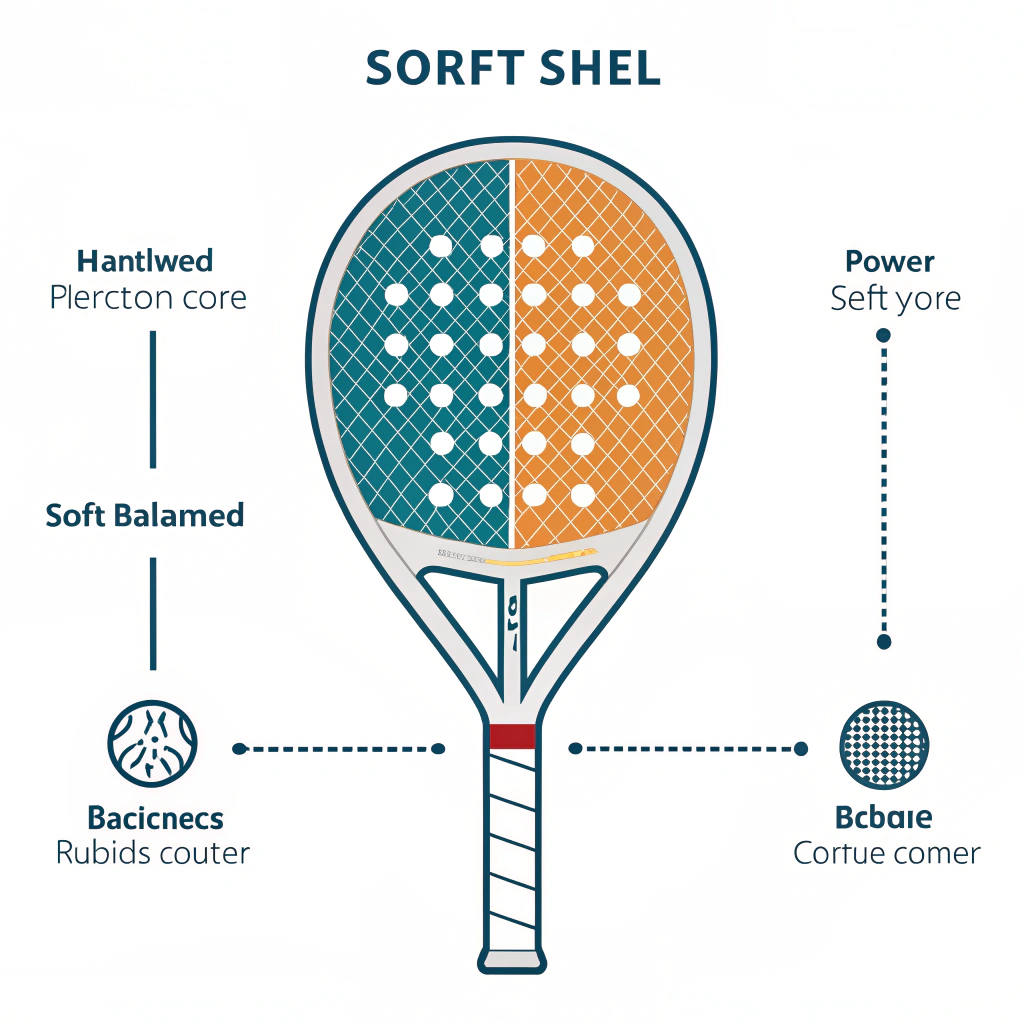
Quick answer: Choose your EVA foam1 for padel racket cores by matching measurable metrics — Shore A hardness2, density (kg/m³), compression set3, and energy return — to the racket shape and player intent. Softer, lower-density EVA (around 30–40 Shore A; ~200–240 kg/m³) gives better control and damping; firmer, higher-density EVA (50–60 Shore A; ~260–320 kg/m³) increases power and durability. Specify test methods, sample acceptance criteria, and fatigue/aging requirements up front to avoid costly rework during prototyping.
Problem description
- Procurement or product development teams must choose an EVA core that balances power, feel, and lifecycle while keeping tooling, sampling time, and cost under control.
- The decision is not only “soft vs hard”; it must be translated into measurable specs so suppliers can deliver consistent batches that meet on-court performance and manufacturing tolerances.
Why EVA properties matter for padel rackets
- Shore A hardness2 correlates to initial feel and dwell time: lower Shore A → longer dwell, more control; higher Shore A → shorter dwell and more power transfer.
- Density controls mass distribution and energy handling: higher density tends to increase power and durability but adds weight.
- Compression set3 and fatigue life determine how long a racket keeps its original feel and rebound after repeated impacts.
- Cell structure / crosslinking affects vibration damping, acoustic profile, and energy return (rebound).
- VA (vinyl acetate) content4 and crosslinking5 determine softness, resilience, and thermal/chemical stability.
Solution checklist: How to specify EVA for padel cores
Below is a practical spec checklist you can give to suppliers when requesting samples and quotes.
- Material family: EVA copolymer
- VA content target: specify range or request supplier recommendation based on performance targets (higher VA → softer feel).
- Crosslinking: chemical peroxide or radiation crosslinking (specify if you have a preference for closed-cell structure).
- Nominal density: e.g., 200, 230, 260 kg/m³ (tolerance ±5%).
- Hardness: Shore A (specify gauge and method) — e.g., 35 ±2 Shore A.
- Compression set: specify test method and maximum, e.g., ≤12% after standard conditioning.
- Rebound (energy return): specify percent or testing method.
- Fatigue cycles: x cycles to y% degradation of rebound (define test).
- Cell size/closed-cell content: qualitative or lab-measured porosity.
- Color/marking: specify pigments and UV stabilizers.
- Physical tolerances: thickness, diameter, density uniformity across core.
- Packaging, lead times, and lot traceability.
Recommended EVA targets by racket type (practical baseline)
Use the following as starting points for prototyping. Adjust after on-court testing.
| Racket Type | Typical player intent | Shore A | Density (kg/m³) | Compression set target | Play characteristics |
|---|---|---|---|---|---|
| Round (Control) | Beginners / control players | 30–38 Shore A | 200–240 | ≤12% | Long dwell, soft touch, high damping |
| Teardrop (Balanced) | All-round / club players | 36–46 Shore A | 230–270 | ≤12–15% | Balanced dwell and power |
| Diamond (Power) | Advanced / power players | 46–60 Shore A | 260–320 | ≤15% | Short dwell, high energy return, firmer impact |
Key material science points explained (what to ask and why)
- Shore A (ASTM D2240): Use a calibrated durometer and report gauge, indenter, and test temperature. Hardness drift of ±2 Shore A can change feel noticeably.
- Density: Mass/volume measurement; small density changes alter swing weight and sweetspot. Require per-sample density mapping if weight distribution is critical.
- Compression set: Measure after standard deflection and recovery time; lower is better. A high compression set means the core will “bed in” and lose rebound over weeks.
- Energy return (rebound): Request rebound or resilience data from supplier labs. Vendors often report “ball rebound” or “energy return %” — validate this in-house with instrumented impact tests.
- Cell structure / crosslink density: Closed-cell EVA yields lower water absorption and predictable acoustic properties. Higher crosslink density increases rebound but can reduce damping.
- VA content: Provides a directional lever — more VA = softer, higher damping; less VA = stiffer, higher rebound.
Manufacturing and prototyping implications
- Molding: EVA is typically hot-pressed into the core shape. Multilayer cores (soft outer shell + firmer inner core) require co-molding capability and aligned tooling.
- Tolerances: Specify thickness and dimensional tolerances for consistent assembly and printing. Inconsistent core thickness shifts balance and feel.
- Weight distribution: Provide target swing weight and static balance for assembled prototypes — suppliers can adjust density and core geometry to meet that.
- Tooling lead time and sample cadence: Expect 2–4 weeks for initial foam sample slices, 4–8 weeks for molded sample cores depending on tooling availability and customization.
- Batch consistency: Require lot traceability and certificates of analysis for density, hardness, and compression set.
Quality control tests to demand from suppliers
- Incoming inspection: density mapping, Shore A hardness at multiple points, dimensional checks.
- Compression set and cyclic fatigue: defined cycles and acceptance thresholds.
- Thermal & UV aging: accelerated aging tests and change in Shore A and rebound after aging.
- Water absorption (for closed-cell verification): % mass gain after immersion.
- Acoustic profiling: simple impact hammer test to record frequency response (useful for product differentiation).
- Packaging: pressure-sealed or closed-cell protection to prevent deformation in transit.
- Reporting: include raw batch data in every shipment; require a minimum number of retained samples per lot.
Example OEM case notes (lessons learned from prototyping)
- Case A – Power-first diamond model: Switched to a 55 Shore A, 300 kg/m³ EVA core to increase smash speed. Result: +5% measured ball speed (instrumented bench test) but player feedback reported harsher vibration. Solution: added a thin 2–3 mm softer outer layer (36 Shore A) to restore damping while retaining core power.
- Case B – Control-oriented round model: Used single-density 32 Shore A, 220 kg/m³ EVA. Result: exceptional dwell and control but heavy initial compression set after 3 weeks. Root cause: supplier’s crosslink density was low. Requirement added: higher peroxide crosslink level and revised compression set spec ≤12%.
Trade-offs and practical constraints
- Cost vs performance: Higher-density or specially cross-linked EVAs cost more. Multilayer cores add tooling complexity and MOQ.
- Durability vs feel: Firmer cores last longer but transmit more vibration; consider adding thin viscoelastic layers (not necessarily EVA) if damping is a priority.
- Weight limits: If your target swing weight is aggressive, you may need to reduce density or rework frame layup to compensate.
- Supplier capabilities: Not all EVA suppliers can produce low-volume custom molded cores with tight density gradients; qualify them before tooling investments.
Sample specification template (short)
- Material: EVA copolymer, VA content [xx%].
- Nominal density: 240 kg/m³ ±5%.
- Hardness: 36 Shore A ±2 (ASTM D2240).
- Compression set: ≤12% after X hours at Y% compression (specify lab method).
- Rebound: ≥Z% by instrumented impact test.
- Cell structure: closed-cell, max water absorption 0.5% by mass.
- Crosslink method: [peroxide/radiation], target gel fraction [%].
- Packaging: vacuum or inert bag, carton dimensions, lot traceability.
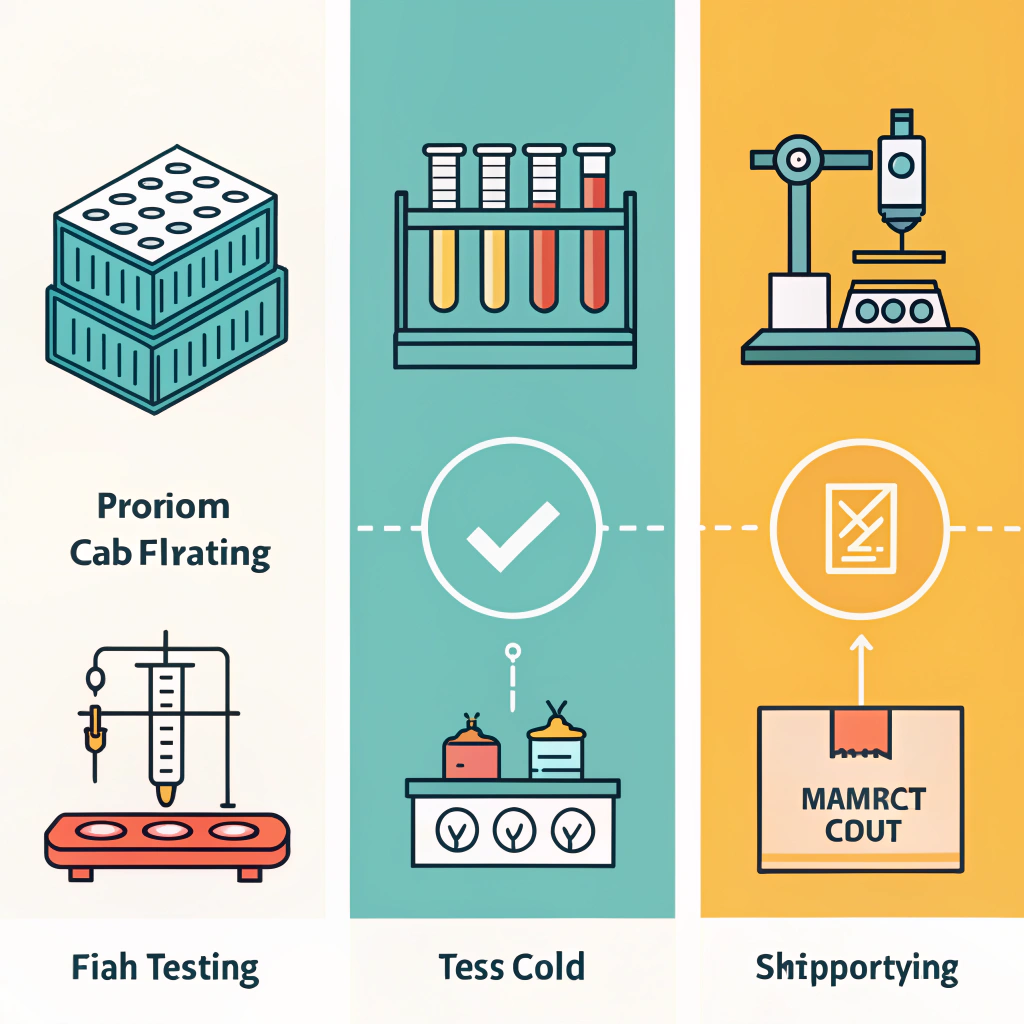
Actionable procurement steps (30–60–90 day plan)
- 0–30 days: finalize performance targets (Shore A, density, swing weight), prepare sample spec, request NDA and technical data sheets (TDS) from shortlisted suppliers.
- 30–60 days: order foam slabs and molded core samples (single-layer and multilayer); run incoming lab tests (hardness mapping, density, compression set, rebound).
- 60–90 days: integrate best candidate cores into racket prototypes; perform on-court testing and accelerated fatigue & aging. Lock supplier with agreed QC checklist, lead times, and corrective action rules.
- Ongoing: sample every lot, require COA with each shipment, and maintain retained samples.
Summary + procurement recommendation
- Convert subjective “soft” or “hard” preferences into measurable specs: Shore A, density, compression set, and rebound. These metrics let suppliers reproduce performance reliably.
- Start prototyping with the baseline table above for your racket shape. Expect to iterate 1–3 times between supplier and lab tests before freezing specs.
- Insist on compression set and fatigue testing in supplier contracts to avoid “bed-in” surprises after market launch.
- For NEX Padel OEM customers: we can quick-sample EVA core variants (single and multilayer), run in-house QC mapping, and iterate faster because we control molding and final assembly — request sample codes referencing Shore A and density and we’ll quote lead times.
People Also Ask
Q: What are the benefits of EVA foam?
A: EVA foam provides good resistance to environmental stress (UV, moisture) and many chemicals, predictable buoyancy (closed-cell), and tunable mechanical properties through VA content and crosslinking. For rackets, that translates to controllable damping, consistent rebound, and relatively low water uptake — all useful for outdoor sport gear.
Q: What material is best for padel rackets?
A: There’s no single “best” material; it depends on the player and design. Fiberglass face layers give a softer feel and more forgiveness; carbon fiber faces deliver higher stiffness and durability. For the core, EVA foam is standard — choose hardness and density to match your desired balance of power, control, and durability.
Q: What are the disadvantages of EVA foam?
A: EVA can be more flammable than some alternatives, and depending on formulation it may cost more than simple rubbers. Some EVA formulations can exhibit higher compression set or scratchability if not properly crosslinked or coated. These risks are reducible by specifying crosslink level, closed-cell structure, and aging/fatigue criteria when qualifying suppliers.
-
EVA foam: Read this to get a materials overview (formulations, closed vs open cell, common manufacturing routes) so you can compare supplier datasheets, expected environmental resistance, and how core chemistry maps to on-court feel and durability. ↩ ↩
-
Shore A hardness: Reading will explain durometer types, test conditions (temperature, indenter), and how to specify tolerances so suppliers report consistent hardness values that correlate to player-perceivable feel. ↩ ↩ ↩2
-
Compression set: The linked article covers standard test methods, conditioning profiles, and how to set pass/fail criteria to avoid “bed-in” problems post-launch — useful for contract specs and QC. ↩ ↩ ↩2
-
VA (vinyl acetate) content: Learn how VA% shifts mechanical damping, density, and processability; this helps you ask suppliers for targeted formulations rather than vague “softer” or “stiffer” requests. ↩ ↩
-
Crosslinking: Explains peroxide vs radiation crosslinking, expected gel fractions, and the trade-offs for closed-cell structure, aging, and manufacturability so you can specify method and QC checks. ↩ ↩