Skip to content

When it comes to addressing customer objections in the padel racket industry, a clear, fact-based strategy combining technical insights with practical sales techniques is essential. This article provides proven, detailed steps to overcome objections and secure successful B2B sales, ensuring that your manufacturing credentials1 and technical expertise shine through.
Customer objections in our industry are not just sales hurdles—each objection is an opportunity to refine your value proposition. Whether it’s questions about pricing, product performance, or the credibility of our manufacturing techniques, understanding the root causes of these concerns helps you formulate effective responses.
Padel rackets incorporate advanced materials such as carbon fiber2 (e.g., 3k, 12k, 18k variants) and fiberglass. Each material is selected for performance and durability, and their customization options (shape, printing, color) add an extra layer of complexity to customer discussions. Key objections often fall into these categories:
• Price concerns
• Lack of interest or perceived need
• A desire to deliberate further
• Existing supplier loyalty
• Insufficient time to engage
• Requirement for internal approvals
These common concerns must be met with data-driven insights and a healthy dose of empathy. By aligning production speed and quality assurance (fast sampling and timely delivery) with the customers’ need for precision and reliability, our sales strategy at NEX Padel ensures every objection can be turned into a competitive advantage.
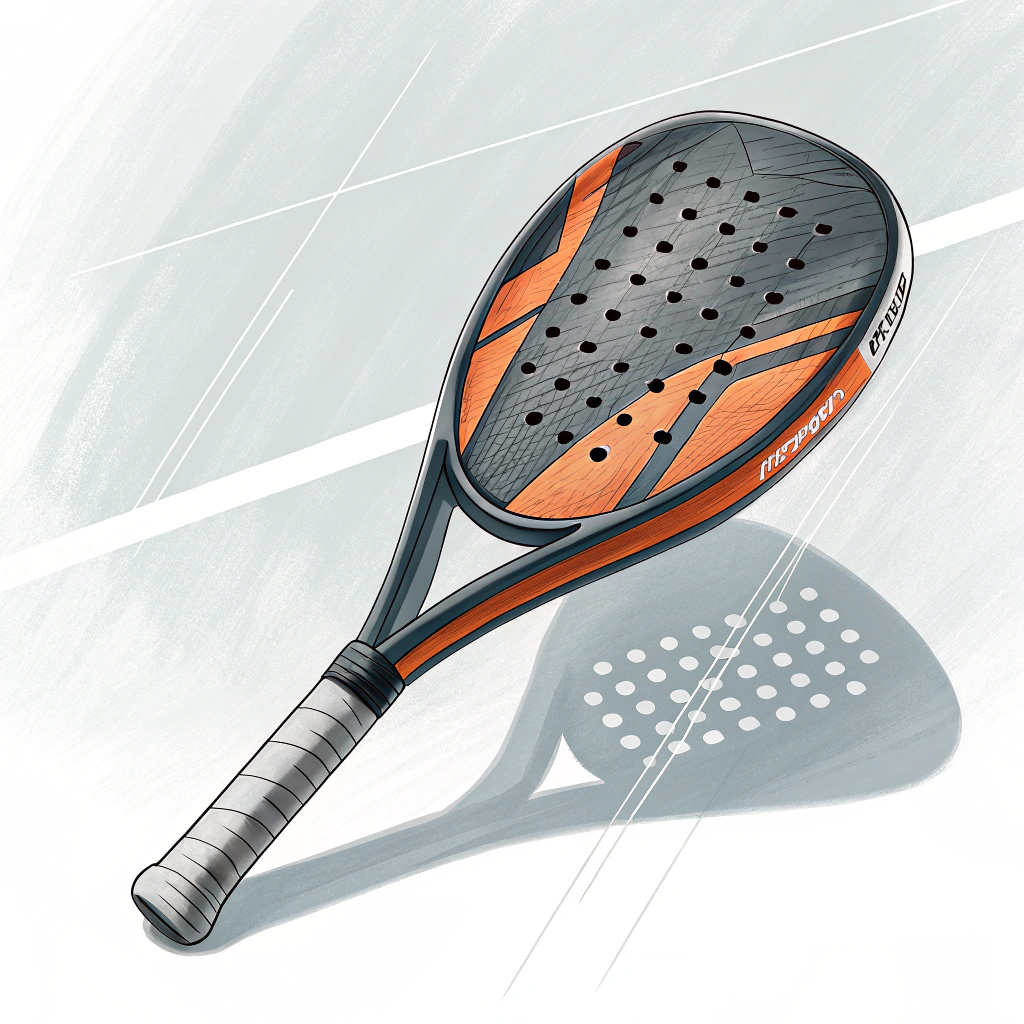
Understanding objections is as much a technical exercise as it is a sales strategy. A major factor in many sales delays is a disconnect between technical specifications and customer perceptions. Here’s a closer look at why these objections arise:
-
Price Concerns:
Buyers often view advanced production techniques and premium materials as expensive. They may not immediately see how investment in cutting-edge production (e.g., precision carbon fiber manufacturing) translates into long-term value. It is essential to have a robust explanation, backed by data, that highlights durability, performance improvement, and ultimately a lower total cost of ownership. -
Lack of Interest or Perceived Need:
Some prospects might initially resist engaging because they are comfortable with current suppliers or do not understand the technical benefits of our product designs. Demonstrating the superior performance of our Diamond, Round, and Teardrop designs through real-life case studies can bridge that gap. -
Delayed Decision-Making:
Often, prospects say “I need to think about it” because of a lack of full technical understanding or internal decision-making processes. Offering technical literature, certification proofs, and performance data can help shorten this cycle. -
Competitor Loyalty:
When customers mention they are “already using a different solution,” it reflects recognized standards and loyalty. Highlighting specific technical differentiators—like our diverse carbon fiber options and customization capabilities—can pivot the conversation in your favor. -
Time Constraints and Internal Approvals:
When prospects claim not to have time or require further approval within their organization, it’s a signal to provide concise, impactful proof points and scheduled follow-ups. Setting predefined meeting times and preparing short, data-rich presentations can help overcome these delays.
Detailed Objection Handling Strategies3
To streamline objection handling and increase conversion, consider implementing the following multi-step strategy that leverages both sales techniques and deep technical insights:
| Objection Category | Strategy | Technical Insight | Sales Tip |
|---|---|---|---|
| Too expensive | Emphasize long-term ROI, durability, and premium material value | Showcase carbon fiber research and usage differences | Highlight cost-saving over lifecycle, not just upfront cost |
| Not interested | Re-engage with tailored technical benefits and case studies | Explain how specific padel racket designs outperform others | Use testimonials from industry leaders like Hirostar |
| Need to think about it | Offer detailed technical documents and demo sessions | Provide data on performance and customization options | Schedule follow-up calls with clear milestones |
| Already using different solution | Compare key technical specifications and competitive advantages | Demonstrate superior manufacturing precision and quality | Create side-by-side comparison charts |
| Don’t have time to talk | Use quick, impactful presentations with high-value data highlights | Incorporate concise data on testing standards and durability | Proposed scheduled meetings and digital brochures |
Our approach is not simply reactive but proactive—we prepare our sales teams with the right technical details and supporting data. This readiness allows sales representatives to convey our factory expertise (from reliable supplier of high-performance padel rackets to fully customized product solutions) in real-time conversations.

Before jumping into solutions, it’s important to fully understand the customer's concern. Engage in active listening by repeating back their queries and asking clarifying questions. This not only shows empathy but also ensures you don’t miss critical details that could dictate which technical advantage to highlight.
For instance, if a client questions the cost due to our use of cutting-edge materials (like 12k carbon fiber), ask:
• Can you share specific concerns about the cost structure relative to your budget?
• Are there particular performance metrics you’re focusing on?
This process allows you to target their precise objection.
Once the objection is clear, validate it:
• “I understand that switching suppliers and investing in premium materials may seem costly, but here is how our approach can lead to savings over time through increased durability and enhanced performance.”
Use in-house data, like product longevity, production quality statistics, and case studies from established brands, to strengthen your argument.
When addressing objections such as “we’re already using a different solution,” supporting technical data and social proof can create a compelling narrative. Our production techniques have supported well-known brands, underscoring the reliability and competitive edge of our processes. Share comparatives that include:
• Material comparisons (glass fiber vs. various carbon fiber grades)
• Certificate of Quality Assurance from manufacturing audits
• Testimonials and repeat orders statistics from international clients
Redirect the conversation towards value. Explain, using a short case study or data point, how our racket customization4 has benefited clients by satisfying unique market needs. Emphasize:
• The precision and durability resulting from advanced production techniques.
• The streamlined process from order to delivery—ensuring timely responses for industry leaders.
A strong value proposition can convert doubts into opportunities for improving sales conversions.
Don’t let objections end at the conversation. Clearly schedule the next point of engagement:
• Arrange a follow-up meeting detailing technical data.
• Prepare digital brochures with in-depth comparisons and product testing results.
• Provide brief but comprehensive video demos explaining the manufacturing process.
This reinforces your dedication to solving their concerns and demonstrates the commitment of our team at NEX Padel.

At NEX Padel, our expertise comes from decades of hands-on production experience. Our unique production techniques, including precise carbon fiber layering methods, enable us to produce rackets that stand up under rigorous playing conditions. This technical superiority minimizes production variances and ensures every racket meets strict quality criteria. Sharing such insights during sales interactions builds trust, especially among B2B procurement specialists and sales managers who rely on manufacturing integrity as a core decision factor.
For example, our collaboration with prominent brands like Hirostar and Reebok is grounded in our ability to rapidly prototype and consistently deliver premium-quality products. This degree of technical reliability not only streamlines the sales cycle but also addresses many common objections head-on—such as concerns over quality fluctuation, consistency in production, and scalability of custom orders.
The integration of production-standard comparisons in sales presentations has been highly effective. A comparative table between traditional materials and advanced carbon fiber options, as well as showcasing our custom design capabilities, provides quantitative evidence that a higher initial investment in premium materials ultimately yields lower lifetime costs and higher customer satisfaction.
Putting together the technical aspects with sales methodologies, here are some best practices tailored for padel racket B2B sales:
-
Educate to Empower:
Train your sales teams on the manufacturing process and the technical merits of our products. This knowledge translates into confidence in discussions with potential clients. -
Use Visual Aids:
Integrate flowcharts, manufacturing visualizations, and data tables into presentations. Visual aids not only simplify technical content but also allow customers to compare specifications side-by-side. -
Leverage Data-Driven Testimonials:
Real-life success stories, documented performance improvements, and third-party certifications add credibility to your responses. -
Customize the Response:
Recognize that not all objections are created equal. Tailor your rebuttals based on whether the concern is technical, financial, or otherwise. -
Implement the Four Ps of Objection Handling:
Remember: Pause, Probe, Provide, and Prove. These steps ensure that each objection is carefully analyzed, addressed with a structured response, and backed up with evidence. -
Maintain Consistent Follow-Up:
An effective sales process doesn't end with one conversation. Schedule regular follow-up sessions that revisit unresolved issues and introduce new supporting data as needed. -
Document and Improve:
Collect feedback on the objections encountered and the effectiveness of your responses. Use this data to continuously refine your sales scripts and technical presentations.
In a rapidly evolving market, the synergy between robust manufacturing techniques and strategic objection handling can be a decisive competitive advantage. It’s important to remember that each objection reflects the prospect’s care about making the right decision—your role is to guide them through that process with clear, factual, and compelling arguments.
Addressing customer objections is a continuous improvement process. By integrating advanced production insights with proactive sales techniques, you not only provide clear responses to buyer concerns but also build trust in your offering. With the detailed tactics outlined above, sales managers and procurement specialists can confidently resolve issues that arise during customer interactions, ultimately improving conversion rates and strengthening long-term relationships.
Leverage our manufacturing strengths, back your claims with quantifiable data, and never underestimate the power of active listening. Make each objection a stepping stone to a deeper customer understanding—and drive your organization’s success with a well-oiled objection handling process.
For more in-depth industry insights and technical support, feel free to contact us at NEX Padel. Our team is prepared to help you customize solutions that match your unique market needs and licensing requirements.
Q: What are the 5 common customer objections?
A: Common objections include pricing concerns, lack of interest or perceived need, hesitation to decide, loyalty to existing suppliers, and time/resource constraints for follow-up discussions.
Q: How to overcome the 7 most common sales objections?
A: Begin by actively listening and repeating the customer’s concern, validate their issues, ask follow-up questions, leverage social proof, provide clear data and benefits, schedule specific follow-ups, and anticipate further questions by preparing detailed technical responses.
Q: What are the 4 P's of objection handling?
A: The four Ps are Pause, Probe, Provide, and Prove. These steps encourage you to pause and listen, ask probing questions, provide clear and evidence-backed responses, and prove the value of your solution with data and case studies.
-
manufacturing credentials: Click to learn how verifying and showcasing manufacturing capabilities can build trust and credibility in B2B relationships. ↩ ↩
-
carbon fiber: Click to explore the properties, variants, and applications of carbon fiber in high-performance sporting goods manufacturing. ↩ ↩
-
Objection Handling Strategies: Click to understand systematic approaches for addressing customer concerns and turning objections into sales opportunities. ↩ ↩
-
racket customization: Click to discover how tailored design solutions can address unique market needs and add value to your product offerings. ↩ ↩