Skip to content

A quick answer: Choosing the right padel racket manufacturer means evaluating technical capabilities such as advanced material usage, customization options, quality control processes, and lead times. In this article, we compare and contrast key production factors to help procurement managers and product development directors make informed B2B supplier decisions.
In today’s competitive sports equipment industry, selecting a reliable manufacturing partner is critical for success. Procurement managers face a complex decision process where the choice of supplier can directly affect product quality, brand reputation, and market performance. The decision becomes especially challenging when manufacturers offer various production techniques, material grades, and customization services.
For instance, a high-performance padel racket must be built using high-grade materials such as fiberglass or carbon fiber1 variants (3k, 12k, and 18k) to balance durability and performance. In addition, full customization capabilities, including custom shapes, printing designs, and handle personalization with logos, are crucial. Working with a supplier that meets these nuances can significantly reduce risks such as delayed production or inconsistent quality.
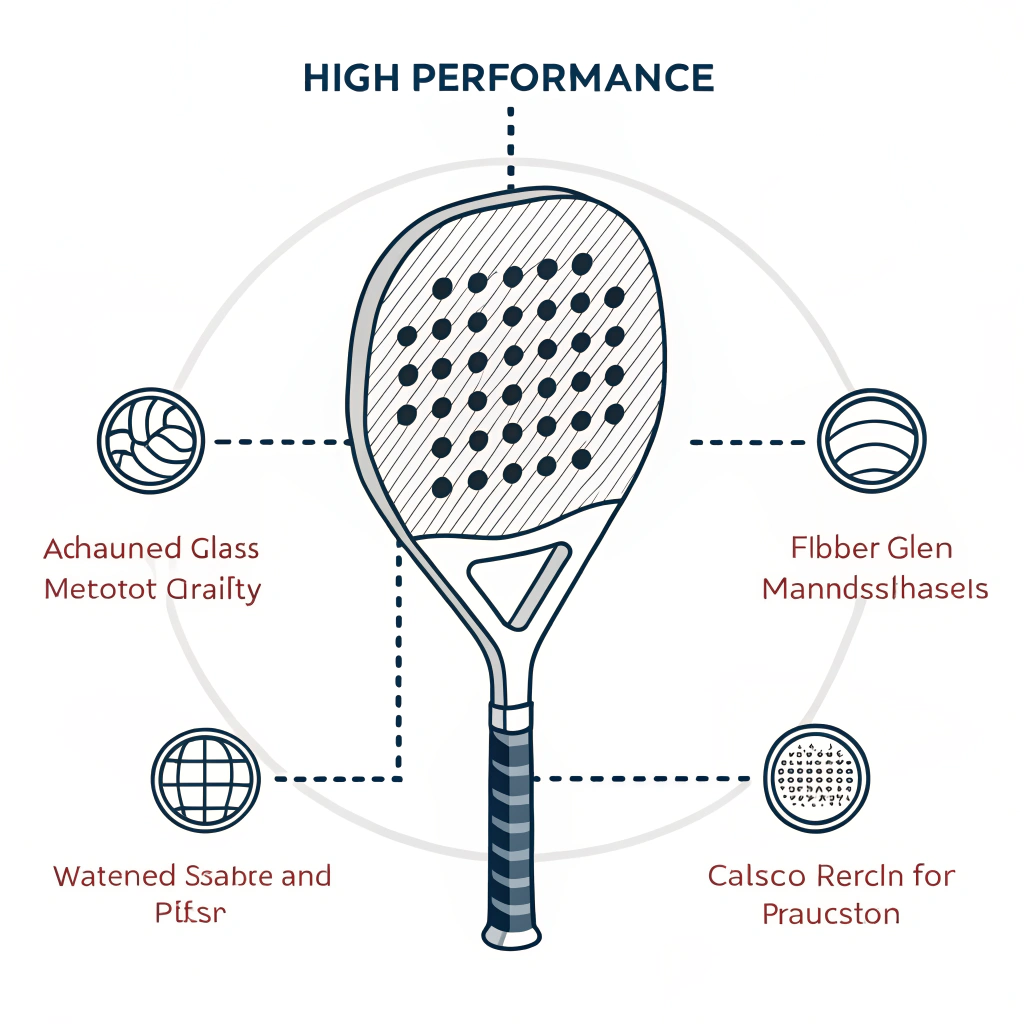
When comparing manufacturing partners, it is important to consider several essential dimensions:
-
Material Quality and Production Techniques
- Advanced Materials: A reliable manufacturer offers high-quality materials ranging from fiberglass to diverse grades of carbon fiber. Using superior materials is vital to enhance performance and durability.
- Production Techniques: Innovative production methods, such as rapid prototyping2 and precision molding3, ensure that each padel racket meets strict quality standards.
- Quality Control: Strict quality control4 protocols and testing procedures must be in place to guarantee performance consistency across production batches.
-
Customization and Flexibility
- Design Flexibility: The ability to support custom shapes (Diamond, Round, Teardrop, or fully bespoke designs) is a key differentiator. This not only helps brands achieve unique aesthetics but also tailors product performance to specific player needs.
- Branding Options: Customization is not limited to racket shape; hand grip and handle cover personalization with a company logo are also essential to maintain brand identity.
-
**Production Capabilities and Lead Times5
- Rapid Prototyping and Sampling: The capability to quickly produce samples allows brands to test and validate designs, making it easier to develop products that meet market demands.
- Timely Delivery: In a global supply chain, the reliability of lead times is crucial. Delays can impact overall product launch schedules and revenue.
-
Global Manufacturing Standards and Certifications
- Compliance: Ensuring adherence to industry regulations and sustainable manufacturing practices is vital. Certifications in quality and safety standards indicate a manufacturer’s commitment to excellence.
-
Cost Efficiency and Communication
- Competitive Pricing: Competitive manufacturing costs, without compromising on quality, remain a priority.
- Transparent Communication: Open lines of communication and robust after-sale support can streamline the collaboration between the supplier and the client.
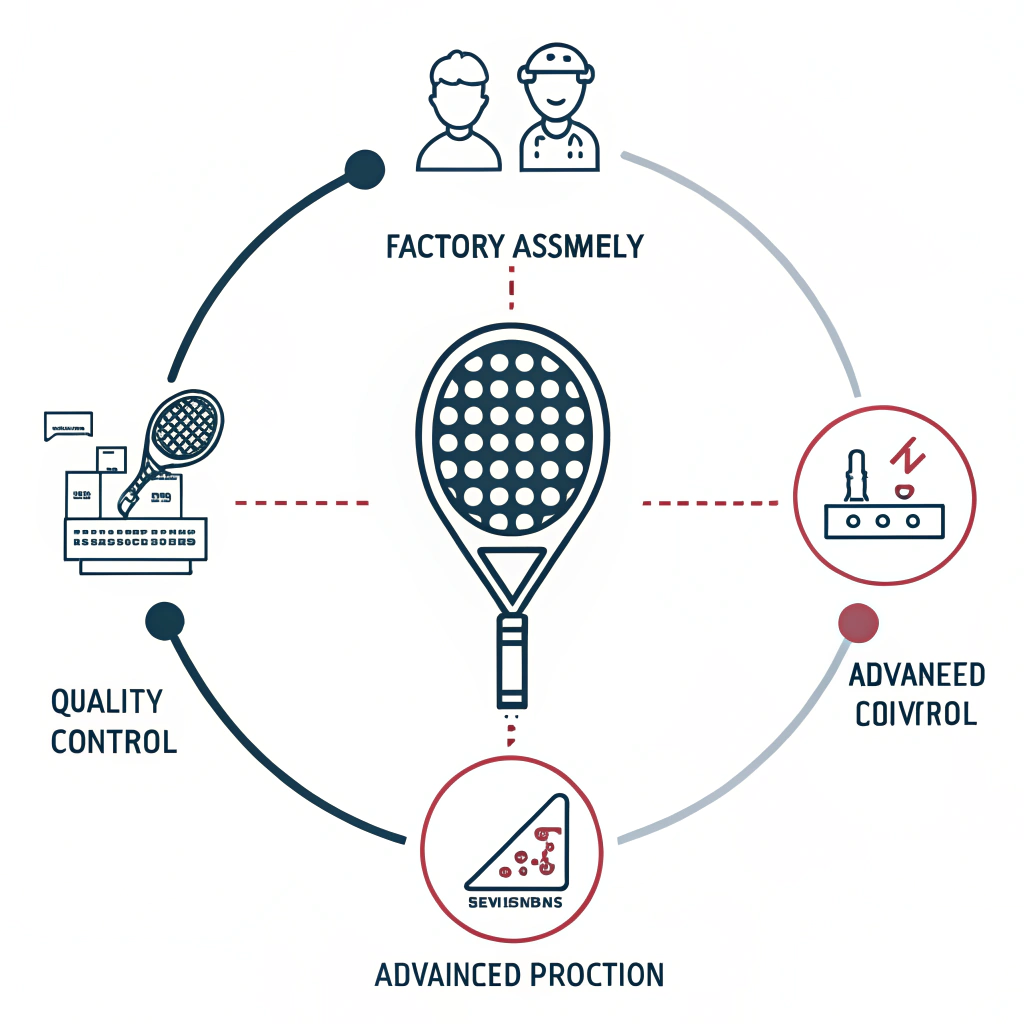
As the padel industry evolves, so do the technical demands on manufacturing partners. Let’s compare a typical supplier evaluation scenario with NEX Padel’s capabilities.
| Criteria | NEX Padel | Competitor A | Competitor B |
|---|---|---|---|
| Material Options | Fiberglass, 3k/12k/18k Carbon Fiber | Limited Carbon Fiber Options | Fiberglass and basic Carbon Fiber grades |
| Customization Flexibility | Full custom shapes, printing, hand grip logos | Standard designs with limited personalization | Custom shapes available but restricted branding |
| Production Techniques | Advanced production technologies and testing | Conventional production methods | Modern techniques but with longer lead times |
| Quality Control | Strict quality protocols with continuous monitoring | Basic quality checks | Moderate quality assurance processes |
| Lead Times | Rapid sampling and timely deliveries | Moderate lead times | Longer production cycles |
This table highlights that NEX Padel not only meets but often exceeds the industry standards expected by modern sports equipment brands. By offering extensive material options, broad customization capabilities, and rigorous quality control, NEX Padel delivers a reliable solution that supports both innovation and operational efficiency.
The use of advanced materials, such as high-grade carbon fiber1, greatly influences the performance characteristics of padel rackets. For example:
- 3k Carbon Fiber: Balances weight and strength, providing an excellent choice for intermediate-level players seeking enhanced performance without significant weight penalties.
- 12k and 18k Carbon Fiber: Higher fiber counts offer increased strength and stiffness, making these variants ideal for elite players who demand maximum power and stability from their equipment.
Choosing a manufacturer like NEX Padel, which employs strict control over material quality, can ensure that each racket meets the performance expectations necessary for high-stakes competition.
Customization in padel racket manufacturing is not merely about aesthetics—it is a strategic necessity for sports brands aiming to stand out in a crowded market. Manufacturing partners who offer:
- Custom Shapes: Tailor the racket’s balance, weight distribution, and aerodynamics to optimize performance.
- Unique Branding Elements: Allow brands to imprint their identity directly onto the equipment, fostering consumer loyalty and market differentiation.
By opting for a manufacturing partner with robust customization capabilities, such as NEX Padel, companies can deliver products that resonate with their target audiences and elevate overall brand perception.
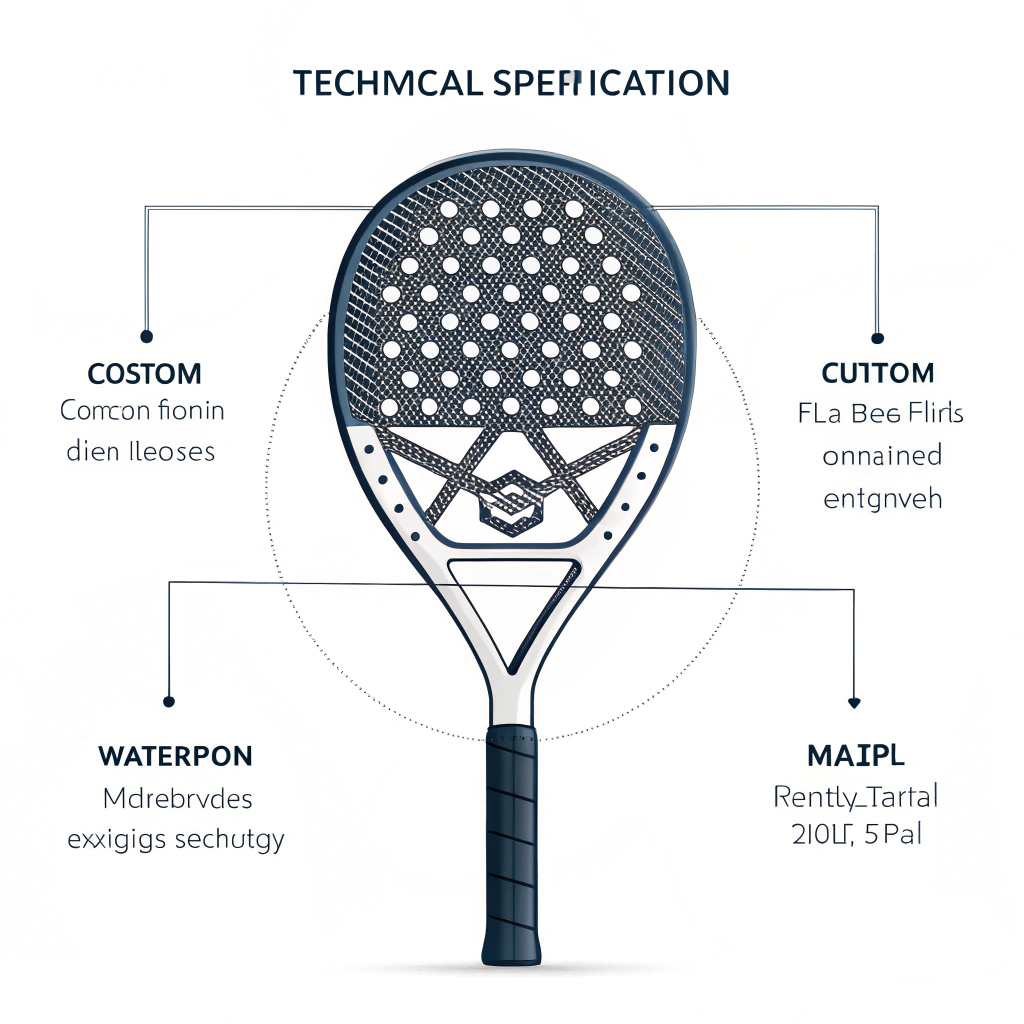
When reaching the supplier comparison stage, procurement managers should adopt an analytical approach:
- Assess Production Capabilities: Evaluate how each manufacturer aligns with your specific technical requirements. Ensure that advanced materials are used and that production meets stringent quality control standards.
- Analyze Cost-Savings vs. Quality Trade-Offs: While competitive pricing is important, it should not compromise the quality and reliability of the finished product.
- Review Case Studies and Industry Data: Look for metrics and success stories, such as improvements in turnaround time and product consistency. Real-world examples can provide insights into a manufacturer’s reliability and efficiency.
- Evaluate Communication and Support Processes: Strong communication channels confirm that the supplier can adapt to your needs, provide timely updates about production progress, and manage any emerging issues during manufacturing.
In addition to these practical aspects, consider the strategic benefits of forging a long-term partnership with a manufacturer committed to continuous improvement and innovation. Such relationships often result in customized solutions and better prices over time.
Based on our analysis, procurement managers and product development directors are encouraged to consider the following action steps:
- Conduct In-Depth Factory Audits: Schedule visits or virtual audits to observe the manufacturing process, quality control measures, and production environment firsthand.
- Request Detailed Proposals: Ask potential suppliers to provide detailed breakdowns of material specifications, customization options, production timelines, and quality assurance protocols.
- Benchmark Industry Performance: Compare suppliers using standardized performance matrices that account for cost, speed, quality, and technological adoption.
- Prioritize Suppliers with Proven Track Records: Choose partners who have a history of working with recognized global brands. Their expertise and reliability can substantially reduce project risks.
By focusing on these practical steps, procurement managers can build a resilient supply chain, ensuring that every padel racket produced meets the demanding standards of today's competitive market.
In summary, selecting the best padel racket manufacturer demands a balanced evaluation of material quality, customization capacity, production techniques, and overall supplier reliability. As demonstrated in our comparison, NEX Padel combines advanced manufacturing processes with robust quality control measures, rapid lead times, and full customization options to better serve the needs of global sports equipment brands.
For procurement managers and product development directors, aligning with a manufacturing partner that continually invests in innovation and excellence is key to driving competitive advantage in the padel industry. Whether you are sourcing for elite athletes or targeted recreational products, a comprehensive assessment based on the criteria detailed above will pave the way for a successful partnership.
Q: Which company makes the best padel rackets?
A: Top-tier padel racket manufacturers are known for their performance, reliability, and innovation. Leading brands such as Adidas, Bullpadel, Nox, Head, and Babolat have established reputations by investing in advanced production techniques and high-quality materials. However, the best choice may differ based on specific needs such as customization, material grade options, and lead times.
Q: Who manufactures padel rackets?
A: Padel rackets are manufactured by companies that specialize in advanced composite materials and precision production techniques. Some well-known brands, like Adidas, have in-house production capabilities or collaborate closely with established factories in Europe or Asia. Additionally, manufacturing partners like NEX Padel focus on delivering superior quality using a range of materials from fiberglass to high-grade carbon fiber to meet diverse market needs.
-
carbon fiber: Click to learn more about advanced composite materials, their production, and why higher fiber counts like 3k, 12k, or 18k are crucial for balancing strength and weight in high-performance sports equipment. ↩ ↩ ↩2
-
rapid prototyping: Click to see insights into rapid prototyping processes that allow manufacturers to quickly test and iterate product designs, reducing time-to-market and costs. ↩ ↩
-
precision molding: Click to explore how precision molding techniques enhance product consistency and performance, ensuring every padel racket meets strict quality standards. ↩ ↩
-
quality control: Click to understand the significance of quality control protocols in manufacturing, including testing procedures and quality assurance methods that help maintain product standards. ↩ ↩
-
Lead Times: Click to gain insights into managing lead times in a global supply chain, including strategies for mitigating delays and ensuring timely production and delivery. ↩ ↩