Skip to content

Padel racket products are experiencing rapid global growth, with emerging markets1 offering significant opportunities for B2B distributors. Quick Answer: The padel racket market is growing globally as emerging markets show strong demand, driven by rising sports participation and infrastructure investments. Our analysis highlights regions with untapped potential, competitive insights, and actionable strategies that can guide your market expansion initiatives.
The padel racket market is expanding at an impressive rate. Recent data forecasts show that the global market is set to grow from USD 0.14 billion in 2024 to an estimated USD 0.45 billion by 2035, reflecting a CAGR2 of approximately 13%. This remarkable growth is due to a mix of increased consumer interest, improved facilities, and heightened media coverage of the sport worldwide.
Key trends include:
- Rising Popularity: Padel is no longer confined to its traditional strongholds; it is now gaining traction in emerging markets where sports infrastructure is rapidly developing.
- Innovative Product Development: Manufacturers are increasingly offering specialized products, such as custom padel rackets that meet the diverse needs of regional players.
- Technological Advancements: The integration of advanced production techniques, including carbon fiber3 usage in various forms (3k, 12k, 18k), has pushed the envelope regarding precision and durability.
- Customization Demand: Distributors and sport retailers are seeking products that can be Customization4 in terms of shape, design, and branding. This is particularly important as brands work to differentiate themselves in competitive markets.

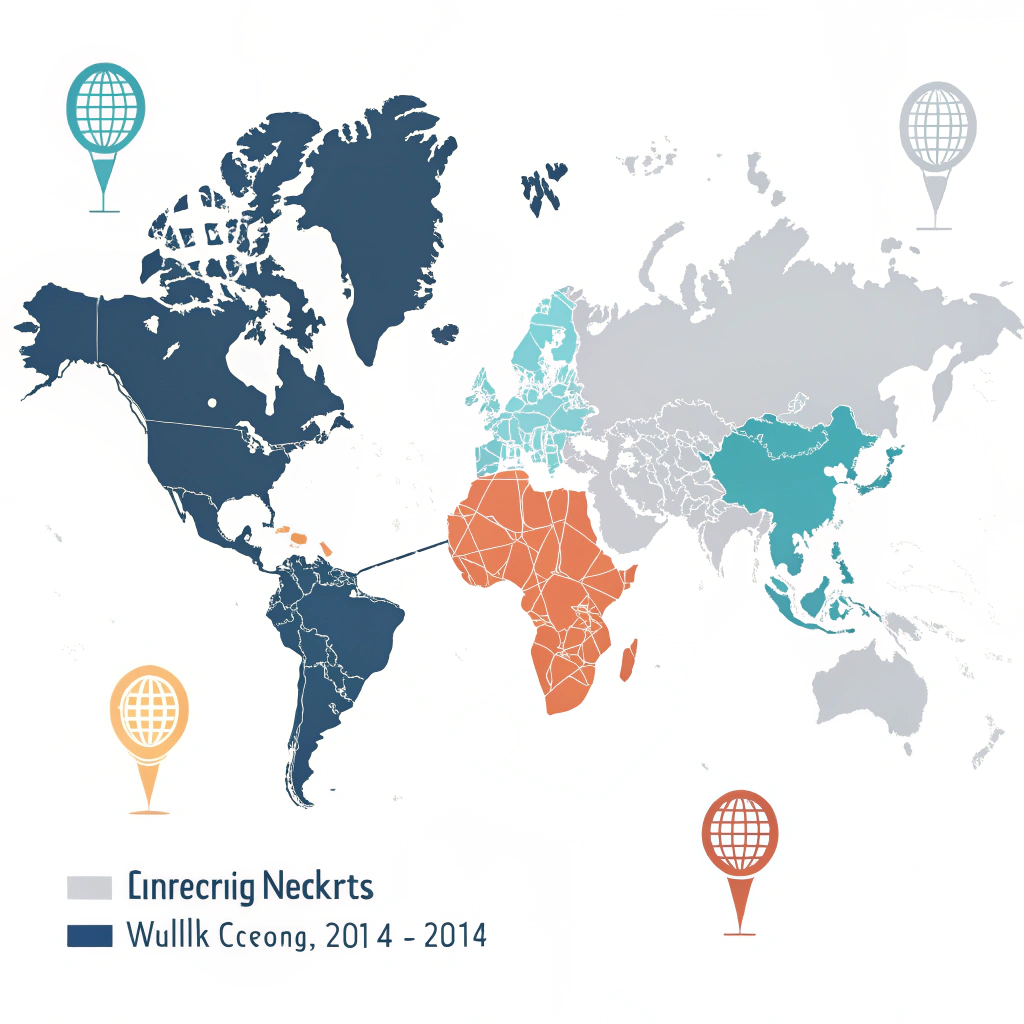
Emerging markets are increasingly becoming a hotbed for padel sports expansion. Countries in Latin America, Europe, the Middle East, and parts of Asia are investing in sports infrastructure and promoting recreational activities. These investments are not only enhancing consumer interest but are also creating robust supply chain5 opportunities for B2B procurement.
A closer look at these emerging markets reveals distinct opportunities for sports equipment distributors:
| Region | Key Characteristics | Growth Drivers |
|---|---|---|
| Latin America | High recreational interest; improving sports facilities | Increased urbanization; corporate sponsorship in sports |
| Europe | Established padel culture; evolving market segmentation | Rising disposable income; strong community-based events |
| Middle East | Rapid infrastructure development; government initiatives | Sports tourism; growing interest in Western sporting trends |
| Asia | Untapped potential; burgeoning middle class demand | Increased sports participation; modern leisure trends |
By understanding the unique factors driving each region, B2B decision-makers can tailor their product offerings to align with local consumer behaviors. For instance, in Latin America, distributors might benefit from emphasizing cost-effective yet durable options, while European markets might be more interested in premium, technologically advanced products.
In emerging markets, a clear pattern is emerging around customer preferences:
- Durability and Performance: Buyers demand products that can withstand heavy usage. Rackets built using advanced carbon fiber techniques stand out, offering high performance with improved recovery.
- Customization and Branding: The ability to incorporate custom designs, logos, and personalized features into the product is becoming a significant competitive advantage.
- Affordability Versus Quality: While some markets prioritize high-end, specialized products, others look for affordable yet high-quality options to cater to a broader consumer base.
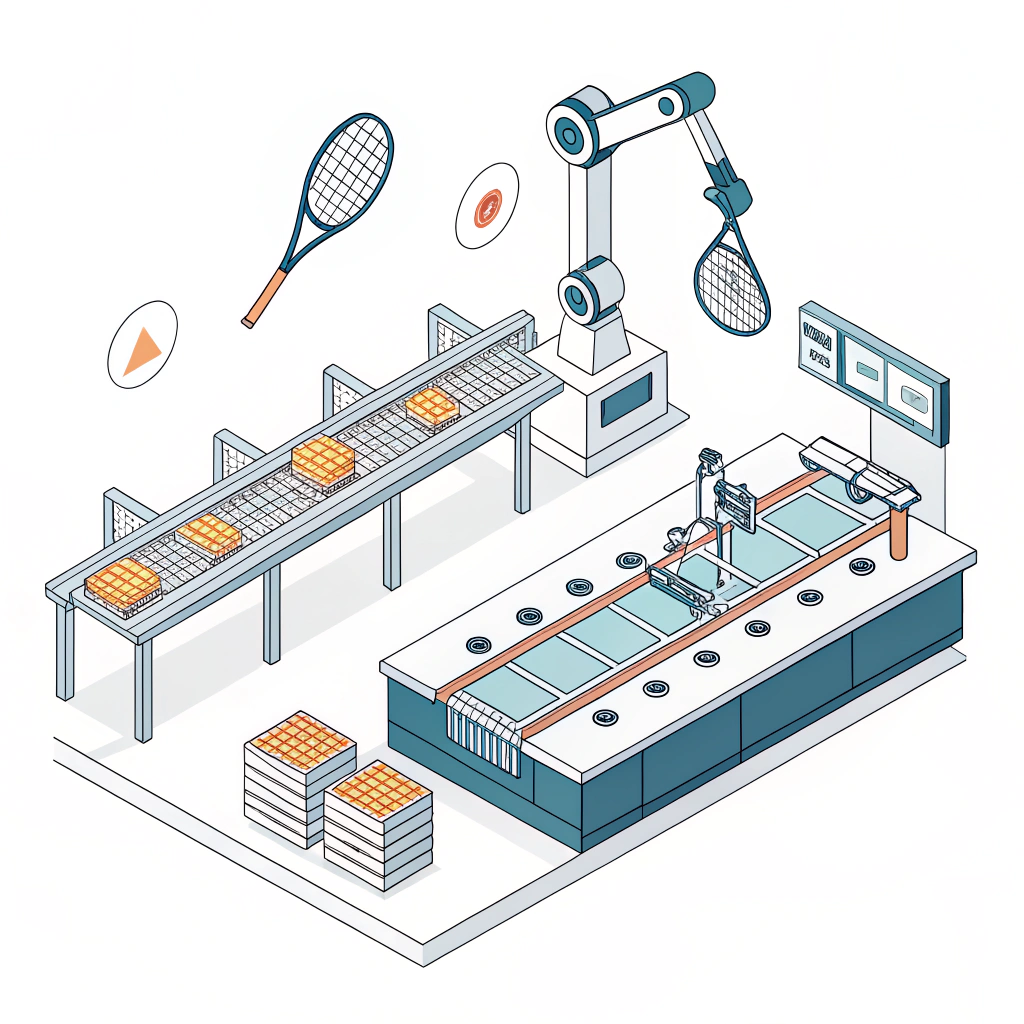
At NEX Padel, our manufacturing solutions are designed to cater to the nuanced needs of diverse markets. With our base in Jiaxing, Zhejiang, China, we leverage state-of-the-art production techniques to create high-performance padel rackets. Our expertise extends from the use of high-quality materials like fiberglass to multiple types of carbon fiber (3k, 12k, and 18k). This ensures that every racket delivered achieves optimal precision, durability, and performance under varied conditions.
Our approach to manufacturing is highly flexible, meeting the diverse needs of global distributors. Below is a table summarizing our customization options:
| Customization Feature | Description | Business Benefit |
|---|---|---|
| Racket Shape (Diamond, Round, Teardrop) | Multiple design options to suit play styles | Differentiation in market; caters to varied player needs |
| Custom Printing and Colors | Options for personalized branding and color schemes | Enhanced brand visibility and consumer loyalty |
| Customized Hand Grip & Cover | Ability to imprint logos on hand grips and covers | Improved product appeal and extended team branding |
| Material Quality | Choice between fiberglass and various carbon fiber types | Versatile performance options for different use cases |
This versatility allows our partners to offer a product line that responds to the specific demands of their target markets. Additionally, our quick sampling and timely delivery processes ensure that market pressures are met without compromising on quality.
Furthermore, we extend our expertise to padel balls manufactured under strict quality control measures. Our padel balls come in two variants (45% wool and 57% wool) and are packaged in pressurized tubes, ensuring consistent performance throughout their lifecycle.
For B2B decision-makers evaluating emerging markets, it is crucial to align product offerings with regional consumer behavior and market maturity. Here are key strategic considerations that can support your decision-making process:
Market data is the cornerstone of an informed decision-making process. Analyze factors such as local economic growth, sports participation rates, and governmental sports funding. A robust market analysis can help you predict demand trends and adjust your inventory and distribution strategies accordingly.
- Use local market reports and surveys to gather precise data.
- Partner with regional sports academies or bodies for deeper insights.
Customization is not just a luxury—it's a necessity in competitive markets. With the rising demand for personalized sports equipment, offering custom padel rackets can set your portfolio apart from competitors. Align your product features with the distinctive needs of each region:
- Emerging markets may favor affordability combined with durability.
- Mature markets often seek high-end performance and innovative designs.
A robust supply chain is essential for market success. It is crucial to ensure consistent quality and timely delivery of products. At NEX Padel, our streamlined production processes ensure that our partners always receive products that meet high-quality standards. Collaborating with reputable manufacturing partners can reduce risks and enhance market responsiveness.
- Consider logistics, warehousing, and local distribution networks.
- Integrate advanced inventory management systems to optimize operations.
Staying ahead of industry trends can provide competitive advantages. Regularly review market updates, competitor activities, and new technological innovations in padel sports equipment. Harnessing new trends can lead to early adoption, capturing market share ahead of competitors.
- Engage with industry-specific events and exhibitions.
- Partner with sports federations to understand upcoming trends.
Investing in emerging markets involves calculated risks. Use data-driven approaches to evaluate the return on investment (ROI) for market expansion initiatives. Consider both short-term gains and long-term market potential before committing to large-scale investments.
- Conduct feasibility studies and risk assessments.
- Develop flexible strategies that allow for scaling up or down based on market performance.
By focusing on these strategic areas, you can better position your business to navigate the evolving landscape of the padel market and capitalize on emerging opportunities.
The padel racket market is poised for significant growth, and emerging markets present an exciting frontier for B2B distributors. Drawing on data-driven insights and leveraging advanced production capabilities, companies like NEX Padel are uniquely positioned to support market expansion. As you evaluate your regional strategies, consider a diversified approach that includes data analysis, product customization, and robust supply chain management. These strategies will not only help mitigate risks but also capitalize on the rising global demand for top-quality padel equipment.
Working together, we can transform challenges into opportunities. Our expertise in crafting high-performance, customizable padel rackets combined with our deep understanding of regional market dynamics ensures that you stay ahead of the curve. Now is the time to explore the promising prospects in emerging markets, refine your product strategies, and accelerate your business growth in the competitive world of sports equipment distribution.
People Also Ask
Q: What five countries is padel most popular in?
A: Padel is particularly popular in Spain, Argentina, Mexico, Sweden, and the United Arab Emirates. These markets have well-established sports infrastructures and a growing base of enthusiasts, which makes them attractive for further expansion.
Q: What are the top padel racket brands?
A: Among the leading padel racket brands are Adidas, Babolat, Dunlop, HEAD, and NOX. These brands are recognized for their innovation, quality, and robust market presence, setting industry standards for performance and design.
Q: How big is the padel racket market?
A: The global padel racket market was valued at approximately USD 0.14 billion in 2024 and is forecasted to reach around USD 0.45 billion by 2035, growing at a compound annual growth rate (CAGR) of roughly 13%. This indicates significant growth potential driven by rising consumer interest and market expansion efforts.
-
[emerging markets]: Click to learn how markets that are in the early stages of development offer unique growth opportunities and require tailored strategies for market entry and expansion. ↩ ↩
-
[CAGR]: Click to understand the concept of Compound Annual Growth Rate, a key metric in forecasting market growth and comparing investment returns over time. ↩ ↩
-
[carbon fiber]: Click to explore the benefits and applications of carbon fiber materials in manufacturing, including their impact on strength, durability, and performance in sports equipment. ↩ ↩
-
[Customization]: Click to learn about the strategic importance of product customization in meeting diverse consumer needs and differentiating products in competitive markets. ↩ ↩
-
[supply chain]: Click to delve into the complexities of supply chain management, which is crucial for ensuring efficient production, timely delivery, and risk mitigation in global markets. ↩ ↩