Skip to content

Quick Answer: For wholesale padel racket orders, the Minimum Order Quantity (MOQ)1 and pricing structures vary by design, material, and customization2. By working with a manufacturer like NEX Padel, buyers can benefit from flexible MOQ, rapid prototyping3, and tailored production that meets both budget constraints and quality standards.
Procurement managers and wholesale buyers in the sports equipment industry face many challenges when sourcing padel rackets. In today’s competitive market, sourcing decisions are driven by various factors including MOQ structures, material quality, production capacity, and customization flexibility. This article provides a comprehensive guide to understanding these factors, offering tangible solutions to overcome common procurement challenges, and compares industry practices to streamline your sourcing decision.
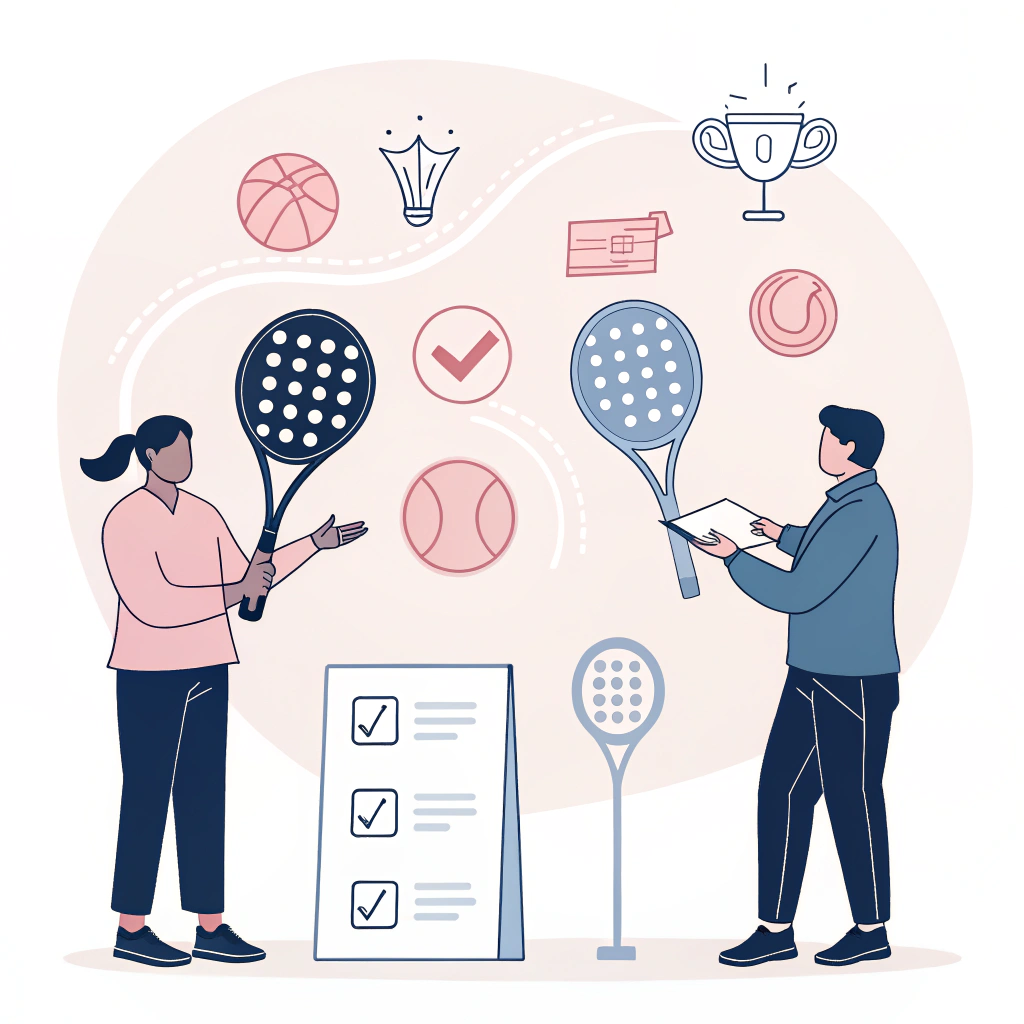
Procurement managers must balance cost, quality, and delivery while ensuring that the products meet market demand. Specifically, when purchasing padel rackets in bulk:
- MOQ variations can impact your initial investment.
- Customization requirements (like different racket shapes, custom printing, and logo placements) may complicate production schedules.
- Material choices ranging from glass fiber to various grades of carbon fiber (3k, 12k, 18k) can affect both performance and price.
- Production capacity and lead time4 are critical, especially if you need fast prototyping and rapid delivery.
If these challenges are not addressed properly, they can lead to increased costs, delayed shipments, and unmet quality expectations.
Understanding the complexity of MOQ and production decisions is essential before signing a contract with any supplier. Some of the primary issues include:
-
Volume Commitment vs. Flexibility:
Many manufacturers require large order volumes to justify production runs, but not all buyers have the capacity to commit to high MOQs. This is a common barrier that restricts smaller retailers or those testing new markets. -
Customization Complexity:
Producing various padel racket designs such as Diamond, Round, and Teardrop types, along with custom printing options and logo placements on hand grips and handle covers, leads to increased production complexity. Customization requests can impact production efficiency and cost. -
Material Variability:
The selection of materials like glass fiber and different carbon fiber grades plays a crucial role in performance. However, different materials come with varied production processes, which could affect the MOQ and pricing. Buyers might face difficulties in negotiating the best combination of high performance and cost-effectiveness. -
**Supply Chain5 and Lead Times:
In the competitive environment of sporting goods, having a robust supply chain is critical. Longer lead times or inconsistent production schedules can disrupt your market strategy, especially in peak seasons or when launching new product lines.
By understanding these challenges, buyers can take advantage of several best practices to optimize their procurement process for padel rackets. Below are key solutions developed from industry insights and real-world data:
Manufacturers like NEX Padel provide flexible MOQ options tailored to your business size and market needs. This flexibility allows you to:
- Test market demand with smaller initial orders.
- Scale production based on proven consumer interest.
- Benefit from reduced financial risk while maintaining high-quality production.
Customization is no longer a hurdle but an opportunity. Consider these points:
- Design Flexibility: Choose from various paddle shapes such as Diamond, Round, and Teardrop, or request fully custom shapes.
- Material Choices: Based on your target market, decide between glass fiber and higher-grade carbon fibers (3k, 12k, 18k). This ensures you meet performance expectations while managing production costs.
- Rapid Prototyping: Fast prototyping speeds up product rollout. NEX Padel emphasizes quick sample production, enabling immediate feedback and adjustments before full-scale production.
Clear and transparent pricing helps in negotiating better deals and ensuring cost efficiency. Factors affecting pricing include:
- Order Volume: Larger orders may benefit from economies of scale.
- Customization Requirements: Additional features such as custom printing or logo placements can impact unit cost.
- Material Selection: Higher-end materials like 18k carbon fiber come with increased performance but are priced at a premium.
Below is a simplified table demonstrating how pricing and MOQ might differ based on material and level of customization:
| Racket Type | Material | MOQ Range | Price Range per Unit (USD) | Customization Level |
|---|---|---|---|---|
| Diamond Design | Glass Fiber | 500 - 1000 | 30 - 50 | Basic to moderate |
| Round Design | 3k Carbon Fiber | 300 - 800 | 50 - 70 | Moderate (standard print) |
| Teardrop Design | 12k / 18k Carbon | 200 - 600 | 70 - 100+ | Fully customizable |
This table illustrates how different choices impact your procurement process, allowing you to align your order size with market demand and customization needs.
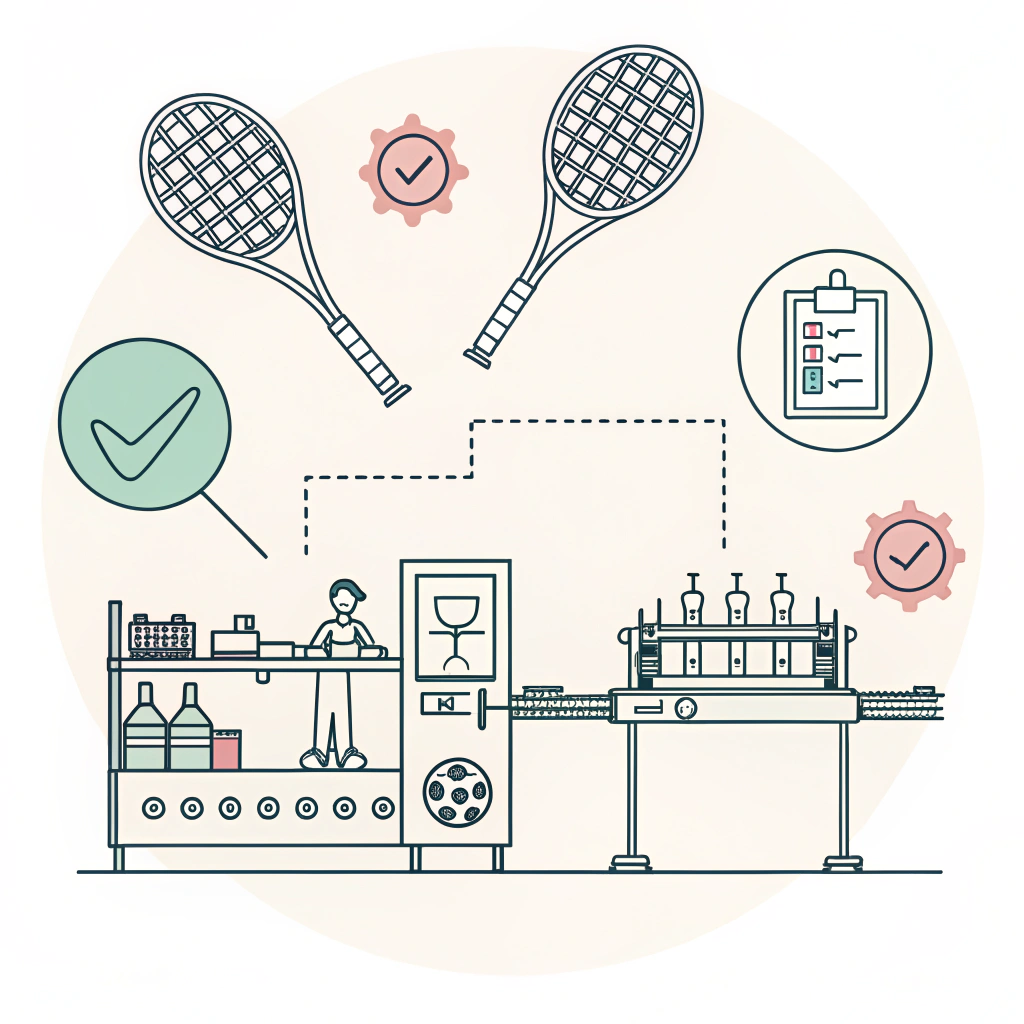
Quality control is paramount in ensuring product durability and performance. NEX Padel’s advanced production techniques include:
- Precision Manufacturing: Optimized processes for consistent production quality.
- Rigorous Quality Control: Regular checks ensure that every padel racket meets both international standards and buyer expectations.
- Material Monitoring: Strict monitoring of material quality, whether using 3k, 12k, or 18k carbon fiber, guarantees a reliable product for end users.
Efficient production scheduling reduces lead times, a critical factor for B2B buyers aiming to meet market demand quickly. Key strategies include:
- Quick Sampling: Creating prototypes rapidly allows for swift evaluation and adjustments according to buyer feedback.
- Streamlined Production: Utilizing advanced machinery and well-trained personnel ensures faster turnaround times even with customized orders.
- Efficient Supply Chain Coordination: Integrating production scheduling with logistics planning ensures timely delivery.
When engaging with manufacturers for padel rackets, consider these actionable tips:
-
Negotiate MOQs Based on Demand Forecasting:
Use market data to determine the optimal order quantity that balances risk and inventory costs. Discuss with the supplier whether it is possible to phase orders according to seasonal demand fluctuations. -
Assess Customization Impact:
Identify which portions of your order truly require custom elements. Simplify where possible to reduce lead times and costs. For instance, if a custom logo is essential only on hand grips, explore if this could be applied as a secondary process independent of the main production run. -
Review Material Options Thoroughly:
Analyze the pros and cons of using different materials. While higher-grade carbon fibers offer superior performance, glass fiber might be a cost-effective alternative for certain market segments. -
Demand Transparency on Lead Times:
Ensure that delivery timelines are clear from the start. Rapid prototyping should be non-negotiable for startups testing new designs, and understanding the production cycle helps in planning marketing and distribution strategies. -
Leverage Data and Case Studies:
When possible, request case studies or production data from manufacturers to evaluate their reliability. Look for evidence of similar successful partnerships in the B2B space especially when customization and rapid delivery were critical.
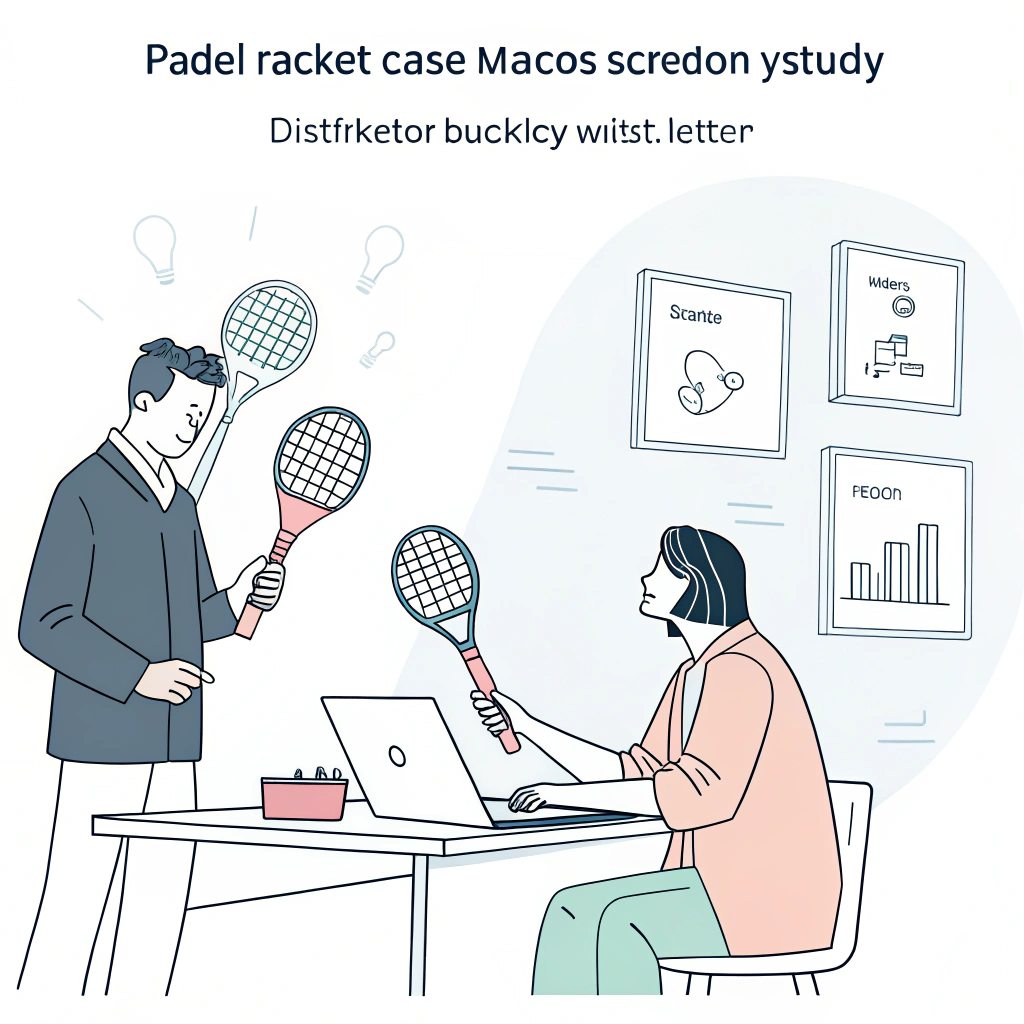
Consider a typical scenario where a sports equipment distributor in Europe wanted to expand their padel racket offerings:
- Challenge: The distributor needed a small initial order to test a new market segment, along with the need for specific customizations in design and branding.
- Approach: They reached out to NEX Padel, known for flexible MOQ options and advanced rapid prototyping. Our team provided a range of design options – Diamond, Round, and Teardrop – while presenting a clear pricing structure based on material choices. We negotiated an MOQ that was manageable for the distributor, allowing them to tap into the burgeoning demand for padel sports.
- Outcome: The distributor received a sample batch quickly, which was then rolled out fully after positive market feedback. Efficient quality control and precision manufacturing ensured that the final products were well-received in the market.
This case demonstrates the power of partnering with a manufacturer that understands both the technical and market nuances of padel rackets, providing tailored solutions that support business growth.
In summary, understanding Minimum Order Quantity and production flexibility are key components to a successful B2B procurement strategy for padel rackets. Here are the main takeaways:
- Flexible MOQs: Seek manufacturers who offer tiered or customizable order volumes.
- Customization as an Advantage: Leverage advanced production techniques to achieve bespoke designs without compromising on lead time.
- Transparent Pricing and Material Options: Compare cost structures while assessing the performance benefits of different materials.
- Quality and Speed: Prioritize suppliers that combine quick prototyping with rigorous quality control.
For procurement managers, the next step is to engage directly with manufacturers like NEX Padel. Request detailed production data, discuss flexible ordering options, and set clear customization requirements. This proactive approach ensures that you not only reduce your lead times but also secure products that maximize market appeal and consumer satisfaction.
By integrating these strategies, you can optimize your sourcing process, reduce risks associated with large-scale orders, and build a dynamic supply chain that responds effectively to market trends. Your decision to balance customization, quality control, and agile production will translate into a competitive advantage in the rapidly evolving padel market.
Q: How much should a padel racket cost?
A: For beginner players, padel rackets typically range from £50 to £100, offering an affordable option while ensuring functionality for entry-level players. Higher quality or more customized options may fall outside this range, depending on material and design enhancements.
Q: What is the difference between cheap and expensive padel rackets?
A: More expensive padel rackets are not necessarily better for all players. While they often feature higher performance materials and precise designs, they typically have smaller sweet spots and a harder feel, which can reduce maneuverability compared to more affordable alternatives designed for beginners or intermediate players.
Q: What is the commodity code for padel racket?
A: The commodity code for a padel racket is generally classified under 95065900000 in global trade data.
-
Minimum Order Quantity (MOQ): Click to read an in-depth article on strategic inventory purchasing and how MOQ influences cost and production planning. ↩
-
Customization: Click to learn about customizing production processes to meet specific buyer requirements while maintaining efficiency. ↩
-
Rapid Prototyping: Click to explore methodologies that speed up new product development and allow quick market testing. ↩
-
Lead Time: Click to discover best practices in managing lead times for improved supply chain responsiveness. ↩
-
Supply Chain: Click to get insights into building robust supply chain strategies that optimize logistics, reduce costs, and ensure timely delivery. ↩