Skip to content

Padel racket balance1 is crucial for determining play style and performance. In simple terms, a high balance (or head-balanced) racket places more weight near the head to generate power, while a low or head-light balance emphasizes control and maneuverability.
Padel racket balance impacts how a player controls the racket, manages swing dynamics, and ultimately affects shot accuracy and overall performance on the court. The term “balance” refers to the distribution of weight along the racket’s length. An imbalance can either enhance power or improve control, which is why understanding this specification is essential for both product development and procurement.
At NEX Padel, our experience with advanced carbon fiber materials2 and manufacturing precision has taught us that the right balance can transform a racket’s performance. By carefully adjusting the weight distribution, whether in Diamond, Round, or Teardrop shapes, we ensure that our rackets meet the technical specifications required for optimal play.
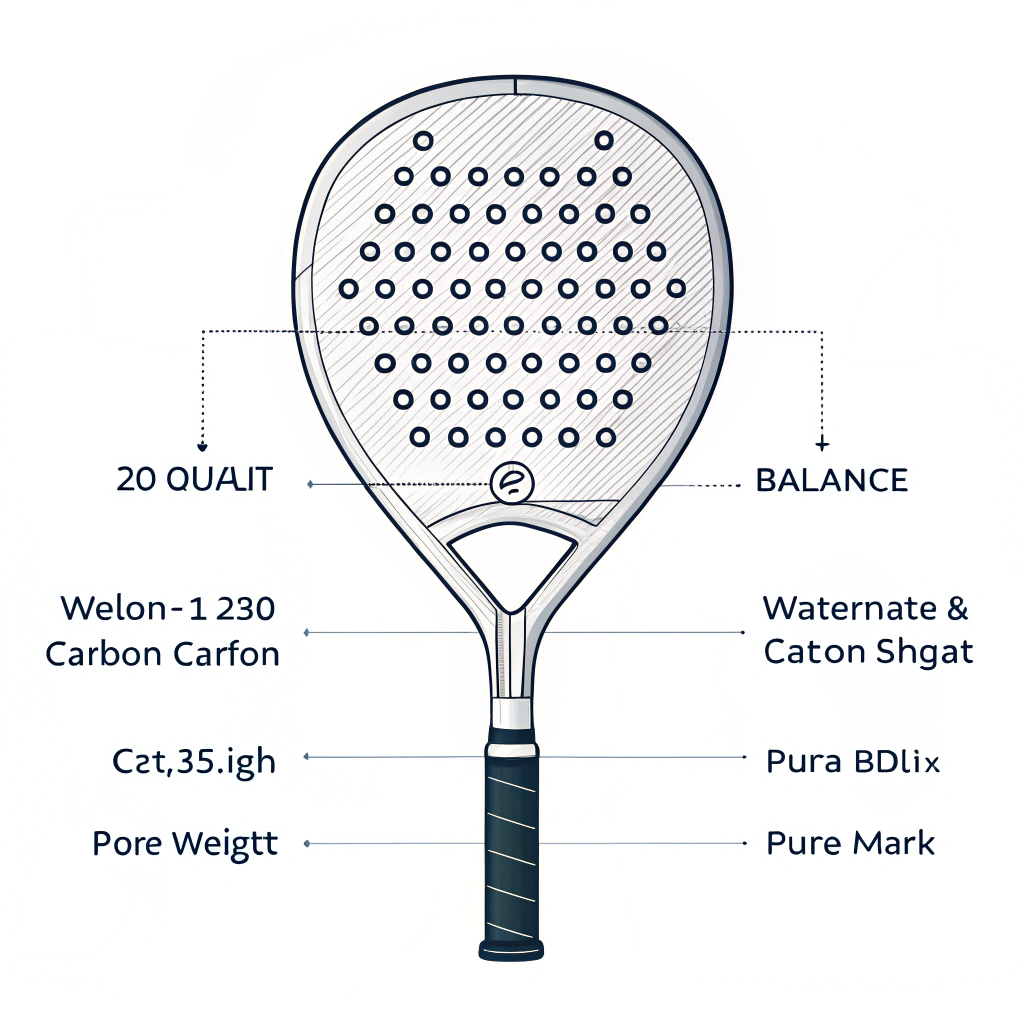
Procurement managers and product development engineers often confront several challenges when selecting or designing a padel racket. The main issues include:
- Performance Trade-offs: A racket with high balance might offer extra power but could demand more from the player to maintain control. Conversely, low balance rackets often provide better maneuverability but might lack depth in power.
- Customization Complexity: Each player’s style requires a different balance profile. Customization in manufacturing, such as varying the density of rubber or carbon fiber layering, plays a critical role.
- Manufacturing Precision: Achieving the ideal balance is a detailed process. Even minor deviations in material placement can significantly affect the overall performance of the racket.
Understanding these issues is the first step toward selecting or developing a racket that aligns with customer needs and performance expectations.
Several factors influence the final balance of a padel racket. These include:
-
Weight Distribution: The placement of weight relative to the handle and head is the most direct factor. Rackets are often categorized by their balance types—
- Low Balance: Emphasizes control, as the weight is concentrated in the handle.
- High Balance: Focuses on generating power, concentrating weight at the head.
- Evenly Balanced: Offers a compromise between power and control.
-
Material Composition: Different materials such as glass fiber3, 3k, 12k, and 18k carbon fiber4 affect the racket’s weight and stiffness. A denser carbon fiber might lead to a head-heavy balance, whereas using lighter glass fiber can aid in creating a head-light design.
-
Shape and Design: The shape of the racket—Diamond, Round, or Teardrop—plays a pivotal role. For instance, diamond-shaped rackets naturally incorporate a higher head balance due to their design, while round shapes tend to distribute weight more uniformly.
-
**Customization Options5: Customization in grip design (hand grip and hand grip cover with logo customization) further tailors the feel and impact of the balance on the player’s compatibility with the racket.
The interplay among these factors means that even small adjustments during manufacturing can lead to significant changes in play style and performance.
Using detailed production data and field tests, manufacturers can evaluate how balance affects performance. Consider the following technical aspects:
When the weight is concentrated toward the head of the racket (as in high balance designs), players may experience:
- Increased Power Generation: More momentum during swings, ideal for aggressive play.
- Enhanced Impact Absorption: The concentrated mass may absorb vibration better but can also make the racket feel “heavier”.
In contrast, a low balance racket:
- Improves Control and Maneuverability: Making it easier for players to adjust their swing, particularly useful for defensive play.
- Reduces Strain: Less weight in the head means lower energy expenditure during rapid exchanges, decreasing wrist and arm strain.
Below is a comparative table summarizing the key differences among the three balance types:
| Balance Type | Weight Distribution | Primary Benefit | Ideal For |
|---|---|---|---|
| Low Balance | More weight in the handle | Enhanced control and maneuverability | Beginners and defensive players |
| Evenly Balanced | Uniform weight distribution | Balanced performance (control & power) | Versatile play styles |
| High Balance | More weight in the head | More power generation | Offensive players and advanced users |
This table highlights that the optimal balance can vary significantly based on player needs and game strategy.
Achieving the right balance is both a science and an art, requiring precise engineering and real-world testing. Here are key steps that manufacturers typically follow:
Before production, detailed simulations and prototype testing are conducted to ensure that adjustments in weight distribution meet performance criteria. Factors like grip customization, shape design, and material density are optimized in a controlled environment.
Manufacturers perform rigorous benchmark tests, such as swing speed and impact absorption tests, to validate the effects of different balance configurations. Each design (Diamond, Round, Teardrop) undergoes iteration until the desired performance peak is reached.
Our production process involves:
- Advanced carbon fiber layering: We use different grades like 3k, 12k, and 18k, each contributing to the overall stiffness and balance.
- Customized rubber density: Adjusted for specific racket designs, particularly in diamond-shaped rackets that tend to have a naturally high balance.
By fine-tuning these materials, we ensure that each padel racket not only meets but often exceeds industry standards for both durability and performance.
Quality assurance involves continuous monitoring. Our dedicated production team verifies that the final product reflects the desired specifications. Additionally, the option for full customization allows procurement managers to order rackets with bespoke balance and grip features that correspond with their athlete’s play style.
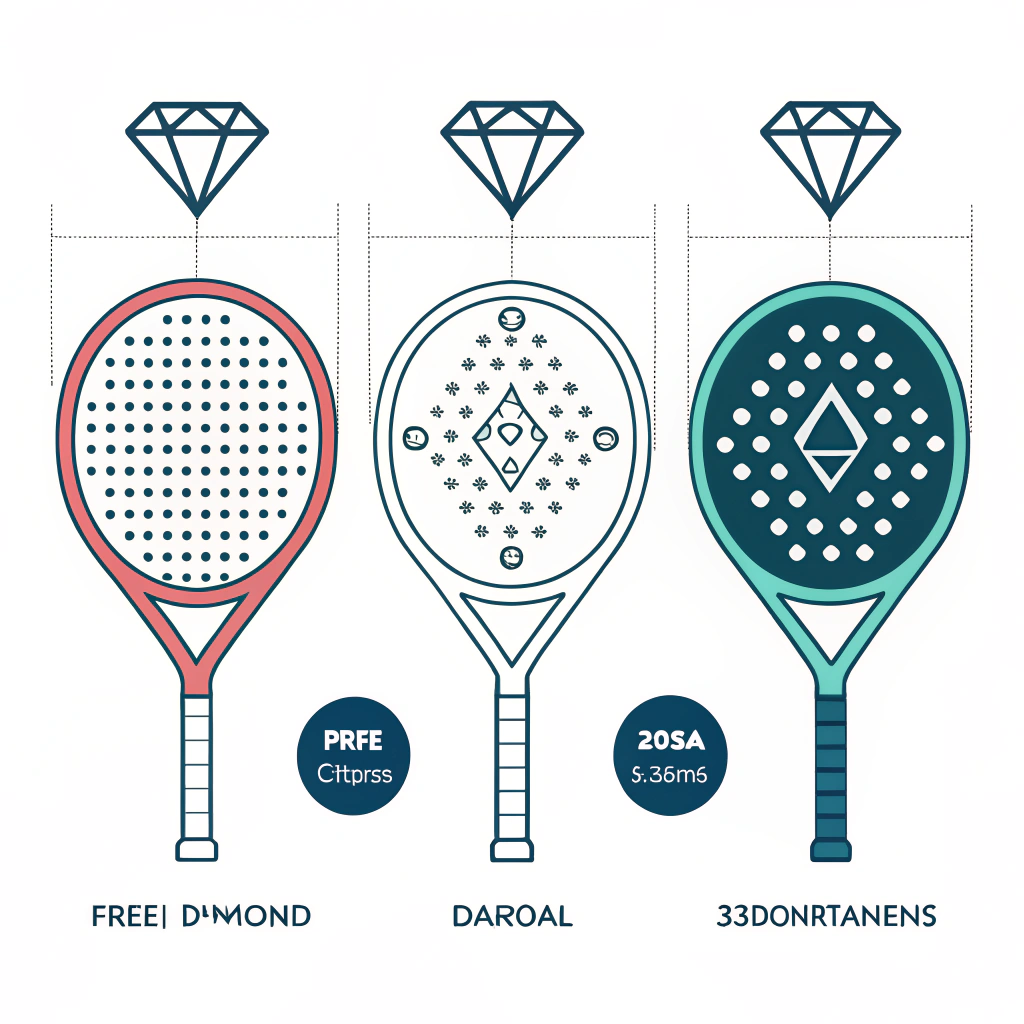
At NEX Padel, our engineering team recently studied the relationship between balance type and player performance using our range of high-performance padel rackets. The study revealed that:
- Diamond-shaped, high-balanced rackets provided a significant power boost, particularly useful for aggressive play. Data showed that players using these rackets could generate up to a 15% increase in shot velocity compared to even-balanced alternatives.
- Round-shaped rackets achieved a smoother swing motion, reducing strain and increasing control during fast exchanges.
By analyzing production data and player feedback, we developed a matrix to guide future product improvements. An excerpt of our findings is shown in the table below:
| Racket Type | Observed Power Increase | Control Efficiency | Player Satisfaction |
|---|---|---|---|
| Diamond (High Balance) | +15% | Moderate | High (aggressive style) |
| Round (Even Balance) | +8% | High | High (all-round play) |
| Teardrop (Customizable) | Variable (depending on customization) | Variable | High (tailored approach) |
This data confirms that careful balance optimization can significantly influence performance outcomes.
Our ability to offer full customization—ranging from rackets designed with a high balance for power to those with a low balance for control—has empowered our partners to tailor products to their market needs. Custom print, logo placements on the grip or handle, and the option to adjust the balance point even further ensure that each product meets rigorous performance criteria.
For procurement managers and product development engineers looking to optimize padel racket performance, consider the following recommendations:
- Understand Your Market Needs: Evaluate whether your target players require enhanced power, improved control, or a balanced mix. This decision helps determine the optimal balance configuration.
- Leverage Advanced Materials: Use high-quality materials such as advanced carbon fiber types which allow for precise adjustments in weight distribution.
- Focus on Quality Assurance: Implement stringent testing protocols to ensure that every adjustment in design meets performance benchmarks.
- Embrace Customization: When possible, offer players the option to customize features. This can include adjustments to the balance point, grip design, and even the color scheme of the racket.
- Collaborate with Experts: Partner with experienced manufacturers like NEX Padel who demonstrate a commitment to producing high-performance, customizable equipment.
By following these steps, companies can deliver an optimal product that not only meets but exceeds customer expectations, ultimately enhancing competitiveness in the padel market.
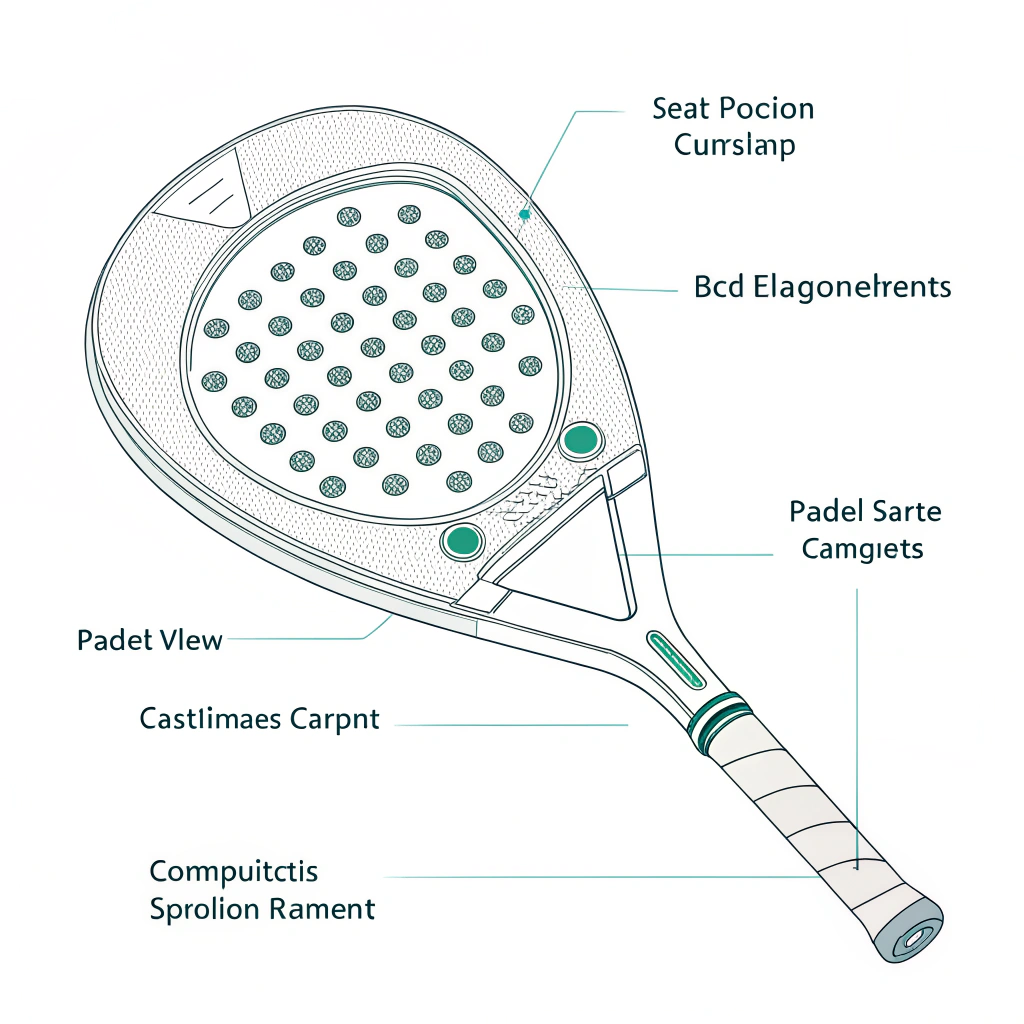
In conclusion, a padel racket’s balance is not merely a specification but a cornerstone of performance. Whether it’s the high balance that amplifies power or the low balance that offers precision, understanding and implementing the right balance is critical. NEX Padel’s expertise in molding advanced materials and customization options positions us as a reliable partner for companies seeking to enhance their padel equipment lineup.
We encourage procurement managers and product development engineers to weigh these factors carefully when selecting or designing padel rackets. By leveraging detailed technical insights and state-of-the-art manufacturing processes, you can achieve a product that meets market demands and amplifies player performance.
Q: What does high balance mean on a padel racket?
A: A high-balanced padel racket, often known as a head-balanced or "bighead" racket, concentrates weight toward the head, typically from 28 cm onward. This configuration boosts power during play, especially in diamond-shaped designs that may include higher-density materials.
Q: What is the balance of a padel racket?
A: The balance of a padel racket refers to the distribution of weight along its length. There are generally three types: low balance (more weight in the handle for control), even balance (a mix of power and control), and high balance (more weight in the head for power generation).
Q: What is the difference between head heavy and balanced padel racquets?
A: Head heavy rackets concentrate weight in the head to generate more power but may require additional effort to maneuver, while balanced rackets distribute weight more evenly. The balanced design absorbs impact efficiently and provides a natural feel during play, reducing strain on the forearms.
-
Padel racket balance: Reading this article will help you understand how the weight distribution in a padel racket influences performance and play style, enabling better product development and procurement decisions. back ↩
-
carbon fiber materials: Explore advanced material engineering techniques and how carbon fiber is used to enhance racket stiffness and performance. back ↩
-
glass fiber: Discover why glass fiber is used in racket manufacturing and its impact on creating lighter, more maneuverable equipment. back ↩
-
3k, 12k, and 18k carbon fiber: Learn about the different grades of carbon fiber and how each contributes to the racket's overall balance and durability. back ↩
-
Customization Options: Understand the benefits of offering tailored design features for padel rackets to meet diverse player preferences and improve market competitiveness. back ↩