Skip to content

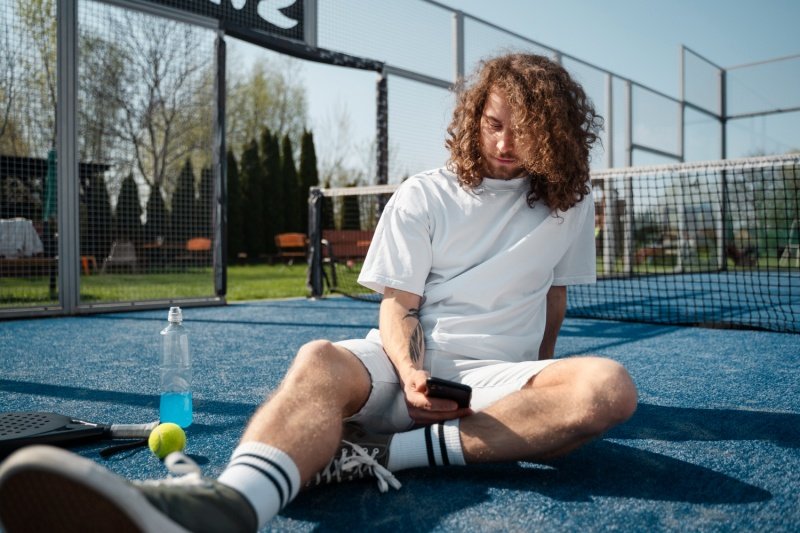
Confused between pickleball and padel? Though both are fast-growing racket sports, they have distinct rules, courts, and playing styles.
Padel and pickleball differ in court size, equipment, and gameplay. Padel uses walls and a heavier racket, while pickleball has an open court and a perforated plastic ball1.
Let’s explore the key differences between these two sports.
Are padel and pickleball the same thing?
Many assume padel and pickleball are interchangeable, but they have fundamental differences in rules and playstyle.
Padel is played on an enclosed court with glass walls2 and a solid racket, while pickleball is played on an open court with a perforated ball and a paddle.
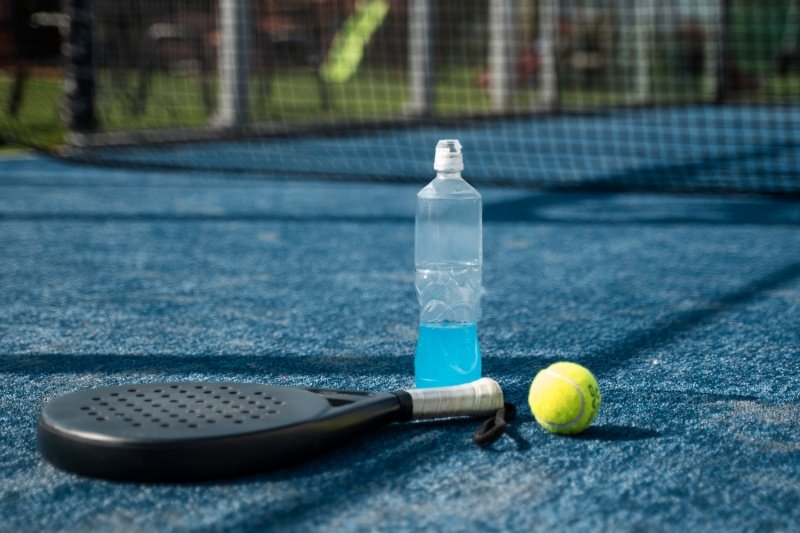
Key Differences Between Padel and Pickleball
| Feature | Padel | Pickleball |
|---|---|---|
| Court Size | 10m x 20m (with walls) | 6.1m x 13.4m (similar to badminton) |
| Ball | pressurized rubber ball3 | Perforated plastic ball |
| Racket | Solid, no strings | Paddle with perforations |
| Serving | Underhand, bounce required | Underhand, no bounce required |
| Gameplay | Uses walls for rebounds | No wall play, only net rallies |
Padel involves strategic wall use, making it closer to squash, while pickleball focuses on precision and net play, similar to ping pong.
What is padel called in America?
In the U.S., padel often gets confused with similar sports due to its name.
Padel is simply called “padel” in America, but it is sometimes mistaken for platform tennis4, another sport played in cold climates.
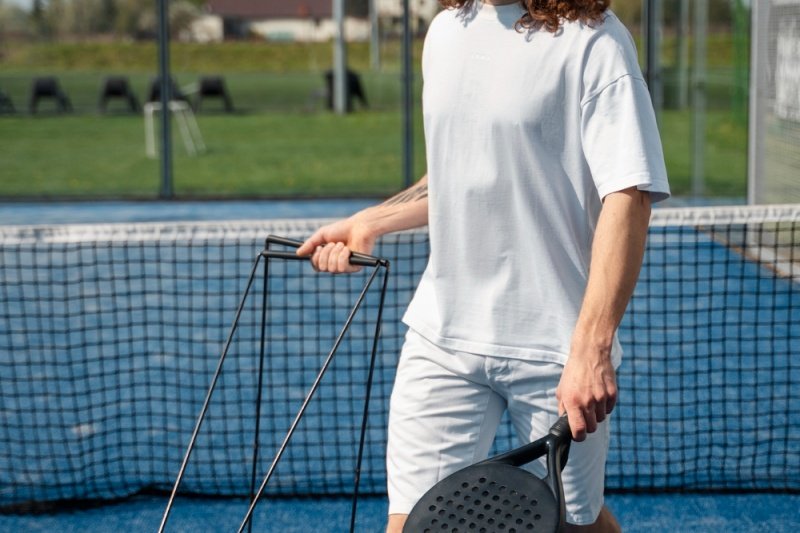
Padel vs. Platform Tennis
| Feature | Padel | Platform Tennis |
|---|---|---|
| Court Surface | artificial grass5 | Elevated aluminum deck |
| Walls | Enclosed glass walls | Open-walled with screens |
| Ball Type | Pressurized ball | De-pressurized ball |
| Popularity | Growing | Mostly played in cold regions |
Despite similarities, platform tennis is a winter sport played on a raised court, whereas padel is played on a traditional enclosed court.
Why is padel not popular in the USA?
Padel thrives in Europe and Latin America, yet it has struggled to gain widespread popularity in the U.S.
Padel’s slow growth in the USA is due to limited court availability, competition from other racket sports, and lack of widespread awareness.
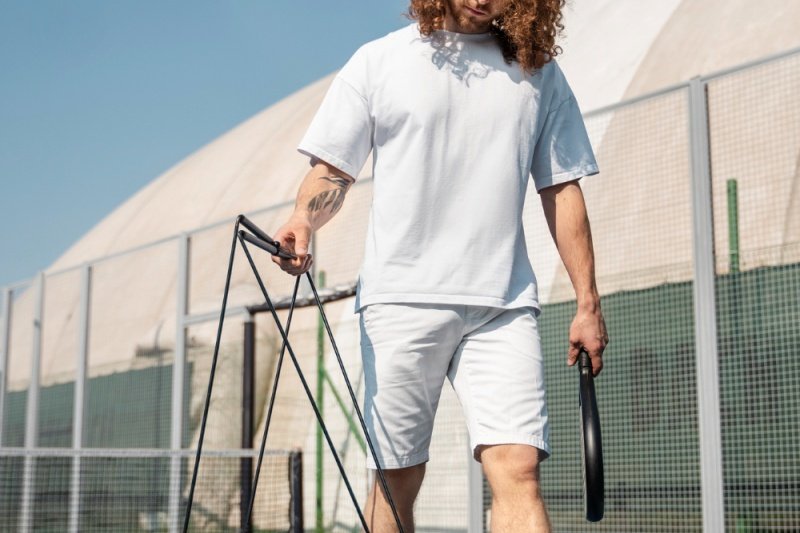
Reasons for Padel’s Limited Growth in the U.S.
| Factor | Explanation |
|---|---|
| Court Shortage | Few facilities exist compared to tennis/pickleball |
| Market Dominance | Pickleball and tennis already have strong followings |
| Awareness | Many Americans are unfamiliar with the sport |
Can Padel Grow in the U.S.?
- More Courts: Investments in padel clubs can boost visibility.
- Tournaments & Media Exposure: More U.S.-based tournaments can attract players.
- Celebrity Endorsements: High-profile athletes promoting padel can increase interest.
Can you play padel on a pickleball court?
Many wonder if they can adapt a pickleball court for padel due to space constraints.
Padel cannot be played on a pickleball court due to differences in size, walls, and playing surfaces. However, modified pickleball courts could accommodate casual padel play.
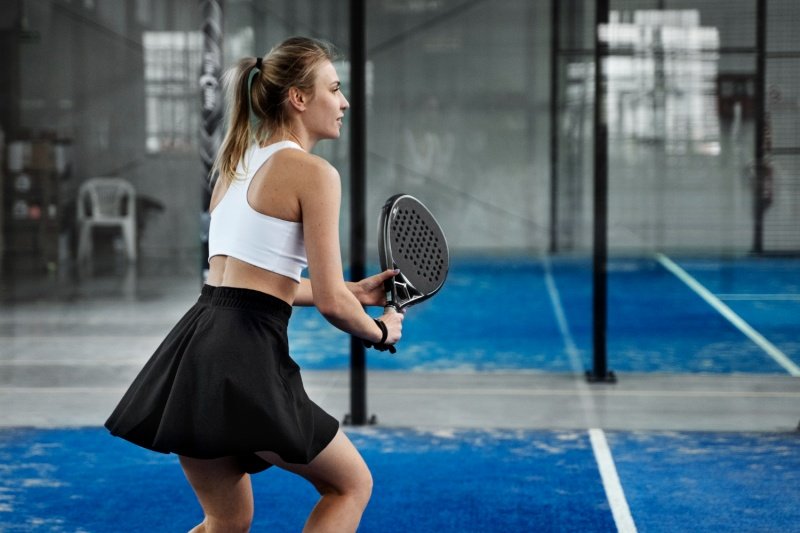
Comparison of Court Dimensions
| Court Type | Length x Width | Walls Required? | Net Height |
|---|---|---|---|
| Padel Court | 20m x 10m | Yes | 88 cm |
| Pickleball | 13.4m x 6.1m | No | 86 cm |
Why Can’t Padel Be Played on a Pickleball Court?
- No Walls: Padel requires enclosed walls for rebounds.
- Size Difference: Pickleball courts are significantly smaller.
- Surface Compatibility: Padel courts use artificial grass, while pickleball uses hard surfaces.
Conclusion
Padel and pickleball have distinct rules, court structures, and gameplay. While pickleball dominates in the U.S., padel is steadily growing, offering a unique alternative for racket sports enthusiasts.
-
Discover how a perforated plastic ball affects pickleball's flight and play dynamics. ↩
-
Discover how an enclosed court with glass walls enhances gameplay by enabling strategic rebounds in padel. ↩
-
Learn why a pressurized rubber ball enhances padel play with improved bounce and consistency. ↩
-
Understand differences between platform tennis and padel for informed sport facility investments. ↩
-
Learn about artificial grass surfaces and their benefits in padel court design and play performance. ↩