Skip to content

Quick answer: For competitive play, choose a racket by matching shape (Diamond for power, Round for control, Teardrop for balance), frame material (carbon fiber variants for stiffness and response; fiberglass1 for a softer, more forgiving feel), core hardness/EVA density (harder cores = more power, softer = more control), and weight/balance (head-heavy for power, head-light for manoeuvrability). Evaluate OEM partners on layup capabilities (3k/12k/18k carbon), precision tolerances, sample speed, MOQ, and QC/testing. This article translates those trade-offs into concrete specs and procurement actions so you can shortlist suppliers and move to sampling with confidence.
Why this matters to procurement
- You’re shortlisting suppliers and racket models for competitive play. Small changes in layup, surface texture, or core hardness change performance measurably.
- Procurement decisions must balance player performance, manufacturing repeatability, lead time, MOQ, and cost.
- The guidance below helps you convert player requirements into spec sheets, ask the right RFP questions, and pick an OEM that can deliver consistent, competitive-grade rackets.
Key performance variables and their measurable effects
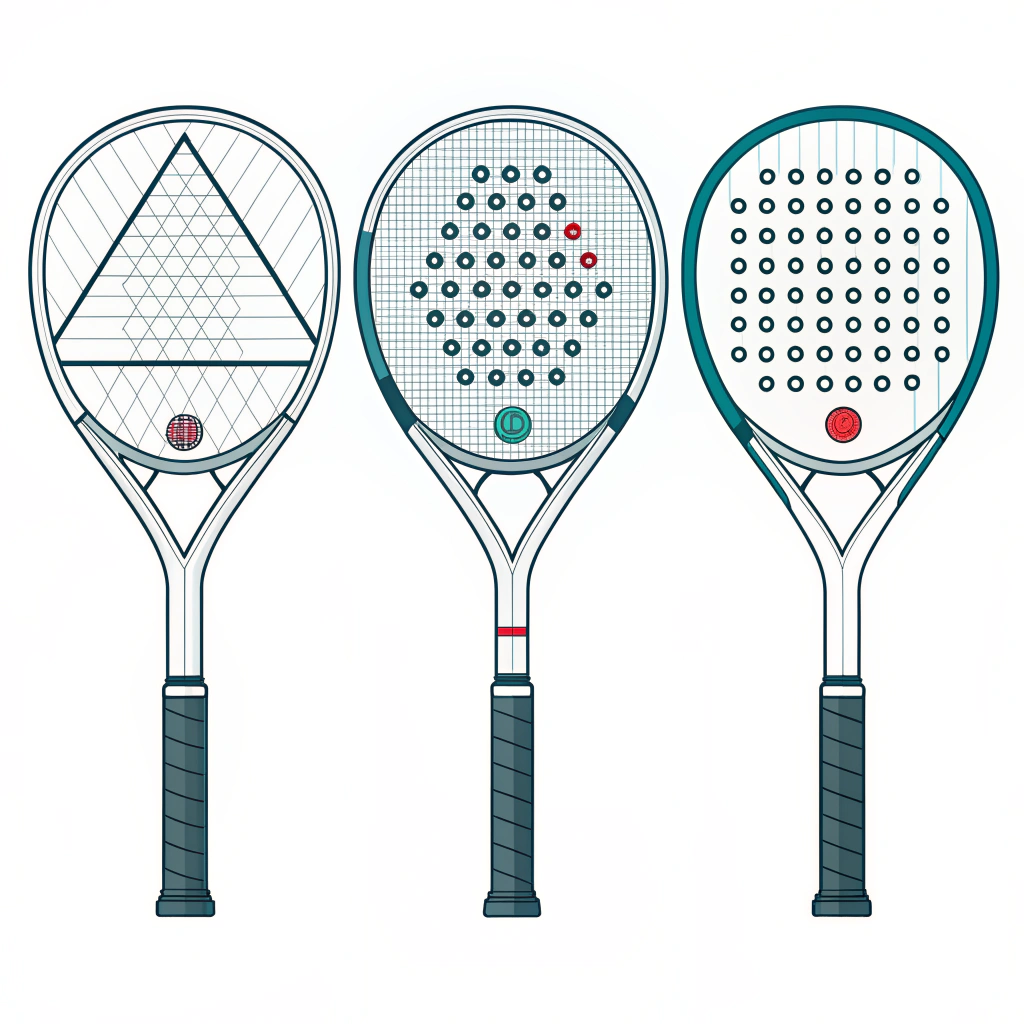
- Shape (Diamond / Round / Teardrop): affects sweet spot2 location and leverage.
- Diamond: highest sweet spot, maximum power; typically less control.
- Round: centred sweet spot, best control and forgiveness.
- Teardrop: compromise—balanced power and control.
- Frame material: fiberglass vs carbon:
- Fiberglass: lower modulus, more flex, softer feel, easier access to control. Lower cost.
- Carbon fiber (3k / 12k / 18k): higher modulus, stiffer frames, quicker energy return, better durability. Different weaves change surface texture and stiffness: 3k tends to be more uniform, 12k/18k often give a smoother glossy finish and slightly higher stiffness per layer.
- Core hardness / EVA density:
- Measured in kg/m3 or via supplier hardness classification: soft (low density) = more dwell time, control, comfort; hard (high density) = higher rebound, power, less damping.
- Weight and Balance point:
- Typical range: 345–365g for competitive rackets. Head-heavy adds power; head-light improves manoeuvrability and quicker reaction.
- Surface texture & spin:
- Micro-texture (sandblasting, rough coatings) increases spin potential. Combined with hole pattern and rough finish, affects ball bite.
- Hole pattern/drilling layout:
- Influences sweet spot shape and torsional stability; tighter central holes increase central sweet spot consistency.
- Frame stiffness & layup:
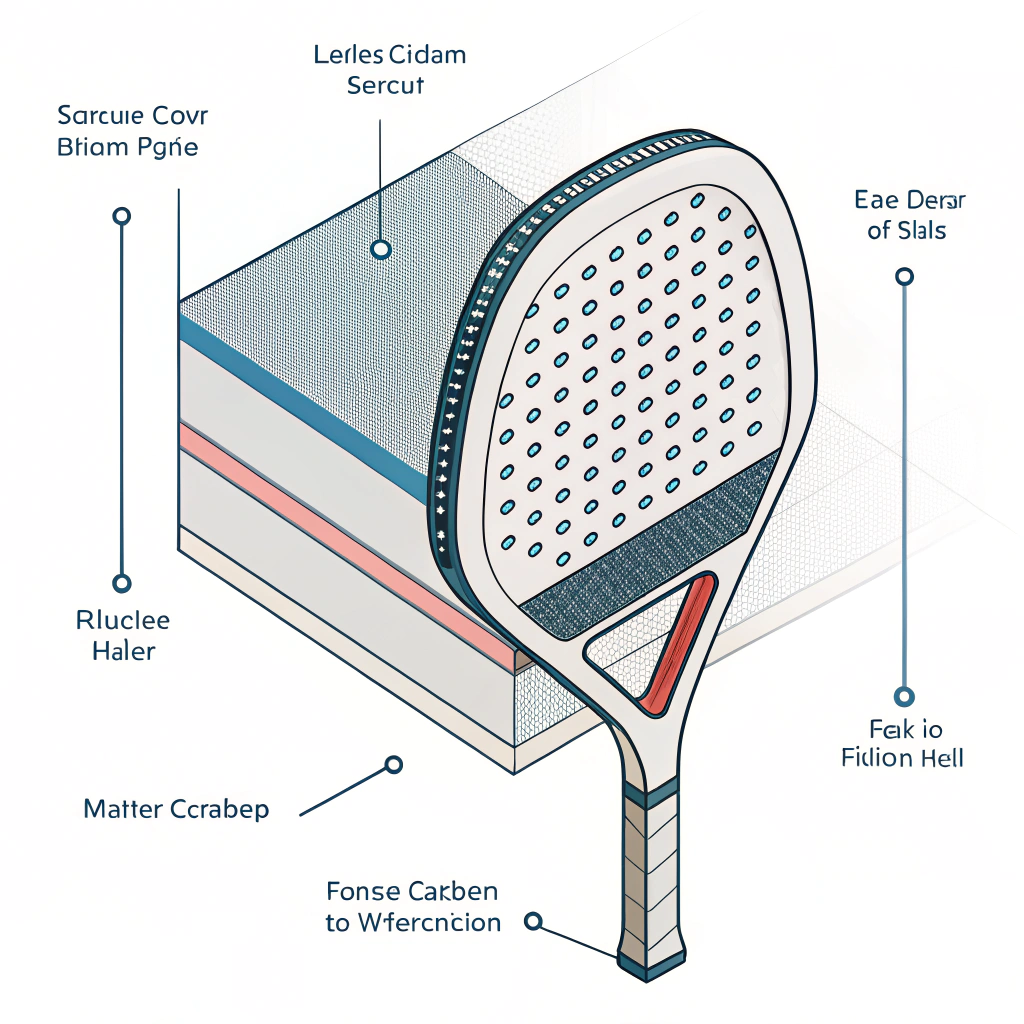
- Layup schedule (number of carbon/fiberglass layers, orientation) controls torsional stiffness, flex pattern, and durability.
- Edge bumper & durability features:
- Reinforced bumpers, throat inserts, and frame reinforcements extend life under impact.
Comparative spec matrix (quick view)
| Dimension | Effect on Play | Procurement decision / Spec to request |
|---|---|---|
| Shape: Diamond / Teardrop / Round | Power vs control trade-off | Request CAD outline and sweet spot map; specify balance target (e.g., 260–275 mm) |
| Frame Material: Fiberglass vs Carbon (3k/12k/18k) | Flex & durability | Ask for layup schedule and material certificates (e.g., tensile modulus) |
| Core Hardness (EVA density) | Power vs control | Specify hardness range (e.g., 38–55 on Shore C3 or density 190–220 kg/m3) |
| Weight & Balance | Swing speed & power | Provide target weight ±2g and balance point ±3mm |
| Surface texture | Spin | Request surface roughness spec or sample with sandblast/paint finish |
| Hole pattern | Sweet spot distribution | Ask for drilling CAD and test results on sweet spot consistency |
| Tolerances | Repeatability | ±2g for weight, ±3mm balance, dimensional tolerances for frame |
How manufacturing choices translate into on-court differences (engineering notes)
- Layup orientation: 0° fibers resist bending in the plane; ±45° layers improve torsional stability and shock absorption. A common high-performance layup: outer carbon 0°/±45° for stiffness and spin, inner fiberglass for improved feel.
- Carbon weave counts: 3k offers a defined fiber look and consistent stiffness; 12k/18k provide larger yarns, often used to balance cost and surface finish. Ask for sample layups to feel the difference.
- Core bonding: glue type and cure schedule affect energy transfer and durability. Poor bonding leads to delamination under impact.
- Surface coatings: nano-coatings can protect and preserve rough texture; paint thickness affects balance—spec paint thickness to ±0.05 mm.
- Hole drilling: CNC-drilled holes with programmed offsets ensure repeatable sweet spot location. Manual or jig drilling increases variance.
Practical procurement checklist for shortlisting OEMs
- Request a technical dossier including:
- CAD outlines and weight/balance tolerances
- Layup schedule with materials (number of plies, fiber orientation, weave count)
- Material certificates for carbon/fiberglass and EVA cores
- Sample photos and non-destructive test reports (e.g., ultrasonic4 for voids)
- QC protocol: weight, balance, dimensional checks, delamination tests
- MOQ and pricing tiers, sample cost and lead time
- Compliance/certifications if required (e.g., REACH5)
- Sample process:
- Ask for rapid prototyping timeline (NEX Padel: fast sampling capability typical result in 7–14 days for prototype molds, depending on complexity)
- Agree on measurement procedures and acceptable tolerances
- Testing expectations:
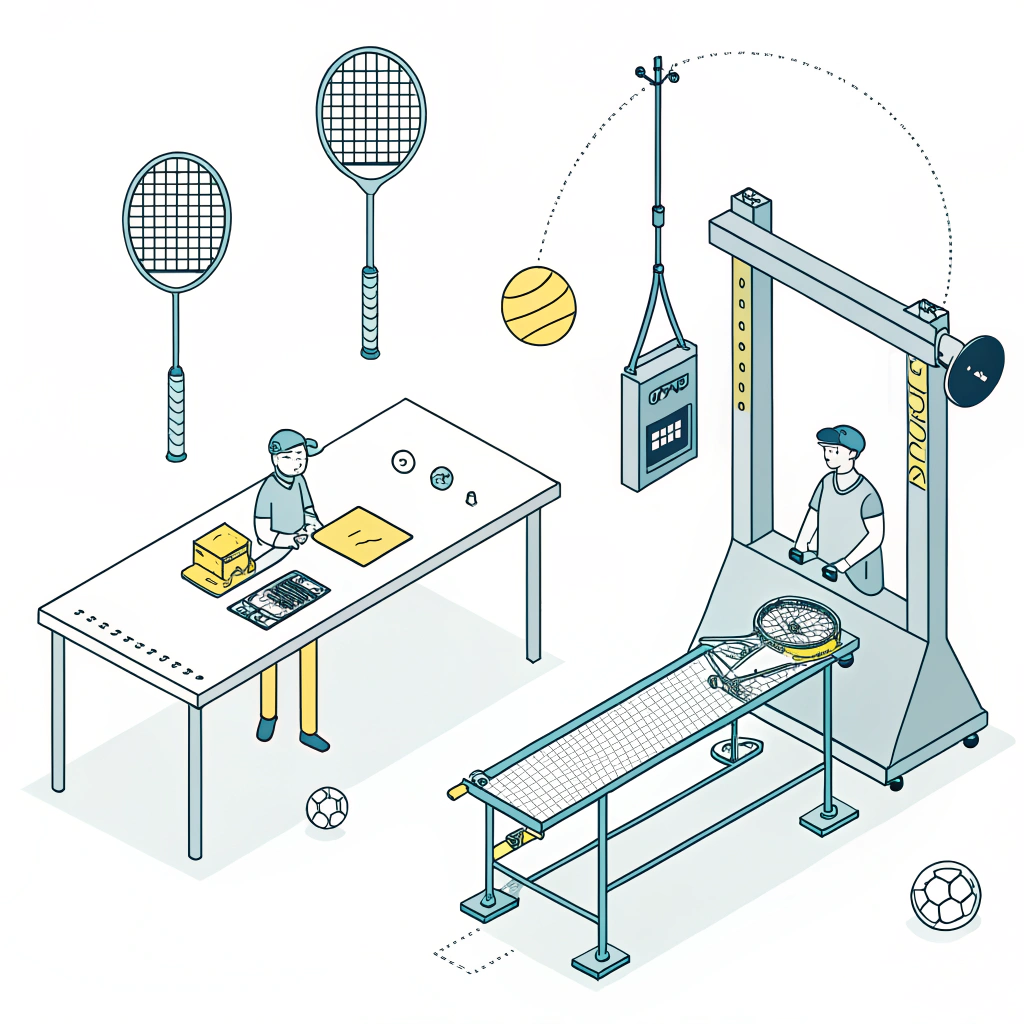
- Impact resistance tests (drop tests), tensile tests for frame, and bounce/rebound consistency tests on ball contact
- Provide player feedback loops and iteration plan
- Logistics:
- Lead times for mass production, packaging options, and shipping terms (FOB/CIF)
- After-sale support:
- Warranty and repair services, spare parts (edge bumpers), and reorders’ stability (same layup and materials)
Sample specification templates (examples you can cut-and-paste into RFP)
- Competitive Power Racket (Diamond)
- Weight: 360 ± 2 g
- Balance: 275 ± 3 mm (head-heavy)
- Frame: 100% carbon outer (12k), inner fiberglass layer for damping
- Core: EVA high-density 200 kg/m3
- Surface: sandblasted + textured paint, surface roughness Ra = 2–4 µm
- Tolerances: weight ±2g, balance ±3mm
- Control Racket (Round)
- Weight: 355 ± 2 g
- Balance: 260 ± 3 mm (centre)
- Frame: fiberglass outer + carbon reinforcement at throat
- Core: EVA soft-density 190 kg/m3
- Surface: smooth matte finish
- Tolerances: as above
OEM evaluation rubric (scorecard quick guide)
Score each supplier 1–5 on:
- Technical capability (layup precision, available carbon weaves)
- QC & testing (NDT, sample testing protocols)
- Lead time & sample speed
- MOQ & pricing transparency
- Communication and design support (CAD, tooling)
- Past references (brands like Reebok, Hirostar, Starvie are positive signals)
Tip: weigh technical capability and QC higher (35% each), lead time 15%, MOQ 10%, communication 5%, references 5%.
Quality control and durability tests to require
- Weight and balance batch sampling (statistical sampling plan)
- Drop/impact test at specific joules or height
- Delamination/peel tests on bonded layers
- Hole pattern consistency via optical measurement
- Paint adhesion and wear tests (abrasion cycles)
- Final playtest cycles by similarly rated players with consistent scoring protocol
Negotiation levers and common OEM constraints
- MOQ: Many factories have MOQs—negotiate by mix-and-match SKUs or shared molds. Ask about roll-over agreements to reduce initial MOQ.
- Tooling costs: custom shapes may require mold tooling. Negotiate amortization over projected order volume or ask for temporary prototype molds for earlier testing.
- Lead time: tooling + sample iterations are the longest path. Push for parallel processes: e.g., finalize layup while mold is made.
- Certification and materials availability: high-grade carbon can fluctuate in price—get lead times and locking schedules.
Decision guidance: which racket when
- Choose Diamond with high-density EVA and 12k/18k carbon for aggressive, power-oriented players and competitive market segments emphasizing smash power.
- Choose Round with fiberglass or hybrid layup and softer EVA for entry-to-intermediate players and clubs prioritising control and comfort.
- Choose Teardrop with balanced carbon layup and mid-density EVA when targeting most players and retail markets seeking a “do-everything” model.
Actionable next steps for procurement
- Create an RFP using the sample spec templates above and send to 3–5 shortlisted OEMs. Include test and sampling schedule.
- Request one of each prototype shape with specified target weight/balance and material certificates.
- Run lab tests and a 10-player blind playtest with consistent scoring metrics.
- Score OEMs using the rubric and negotiate MOQ, lead times, and tooling amortization.
- Lock a trial production run with agreed QC acceptance criteria.
Conclusion
By translating player needs into concrete specs—shape, material, core hardness, balance, surface texture—and insisting on layup transparency, material certificates, and repeatable tolerances, procurement can reduce risk and accelerate sampling cycles. NEX Padel’s experience producing for brands like Reebok and Starvie demonstrates the importance of tight QC, fast prototyping, and flexible layups (3k/12k/18k carbon, fiberglass options, customizable EVA densities). Use the checklists and templates above to make your next supplier decision measurable and defensible.
People Also Ask
What makes a good padel racket?
A good padel racket balances frame material, core hardness, shape, and weight to match a player’s needs. High-quality frames use carbon fiber for stiffness and responsiveness or fiberglass for a softer feel. Core EVA density determines power vs control; surface texture and hole pattern affect spin and sweet spot. Manufacturing consistency (layup schedule, balanced weight tolerances, and QC) is equally important for repeatable performance.
What is the 40-40 rule in padel?
The 40-40 rule, often called the “golden point,” means when the score reaches 40-40 (deuce), the next rally decides the game—no advantage scoring. It speeds up matches and increases pressure on clutch points.
What is the best padel racket shape for tennis players?
Many tennis players find the Teardrop shape a good transition: it offers a balanced sweet spot and a mix of power and control. For players seeking maximum power, Diamond suits aggressive smashes; for control and easier handling, Round is better—especially for players new to padel.
-
fiberglass: Read an overview to understand how fiberglass compares with carbon in modulus, flex, feel, durability, and cost—information that helps you specify hybrid layups and target customer comfort or control segments. ↩
-
sweet spot: Read guidance on sweet-spot mapping and how shape, hole pattern, and balance shift contact zones so you can request CAD sweet-spot maps and testing protocols from OEMs. ↩
-
Shore C: Read a short reference on the Shore C hardness scale to translate Shore values to feel/density for EVA cores, and to set defensible hardness ranges in specs. ↩
-
ultrasonic: Read about ultrasonic non-destructive testing to learn what voids/delamination reports look like, typical acceptance criteria, and how to request meaningful NDT evidence from suppliers. ↩
-
REACH: Read the EU REACH compliance summary to understand documentation suppliers must provide, restricted substances to avoid, and how to include compliance requirements in your RFP. ↩