Skip to content

Selecting a reliable OEM manufacturer1 for padel rackets means choosing a partner with advanced production techniques, robust quality control2 and flexible customization3 options that can meet your brand’s high-performance and delivery expectations. This article outlines a comprehensive solution to the common challenges faced in OEM selection and offers actionable insights to ensure your partnership is successful.
In today’s competitive sports equipment market, many purchasing managers and brand owners wrestle with the challenge of finding an OEM manufacturer who can deliver high-performance padel rackets. They require manufacturers that not only provide consistent quality but also demonstrate flexibility in custom design, timely delivery, and strict adherence to production standards. The risks involved include subpar product quality, delayed orders, and inadequate customization options, which can directly affect a brand’s reputation and market positioning.
Many companies face issues such as:
- Lack of clarity on production methods and material quality.
- Limited customization that doesn’t meet unique branding needs.
- Inconsistent quality control measures.
- Inflexibility in production adjustments and timeline commitments.
These challenges breed uncertainty and hesitation in making a crucial supply chain decision.
The difficulties in selecting the right OEM partner stem from several interconnected factors:
-
Material and Production Expertise:
Modern padel rackets can be made from a range of materials, including fiberglass and various grades of carbon fiber4 (3k, 12k, 18k). Each material requires specific production knowledge and techniques. A manufacturer who has mastered these methods can ensure that every racket not only meets performance expectations but also maintains durability and consistency. -
Customization Capabilities:
Sports brands often require bespoke designs that reflect their identity. This involves more than just altering colors or shapes – it can include custom printing, logo placement on the hand grip, and even modifications to the racket’s underlying structure. OEM manufacturers that invest in state-of-the-art customization technologies are better positioned to meet these evolving demands. -
Quality Control and Compliance:
For an OEM manufacturer, ensuring quality control goes beyond meeting industry standards. It involves continuously monitoring each step of production—from raw material selection to the final assembly. Failure in quality control can lead to product recalls and loss of brand trust. -
Delivery and Supply Chain Reliability:
Timely delivery is critical for brands that work on seasonal or promotional schedules. Manufacturers are often challenged by fluctuating demand and supply chain interruptions. Efficient production planning and logistics management are key to fulfilling delivery commitments without compromising quality.
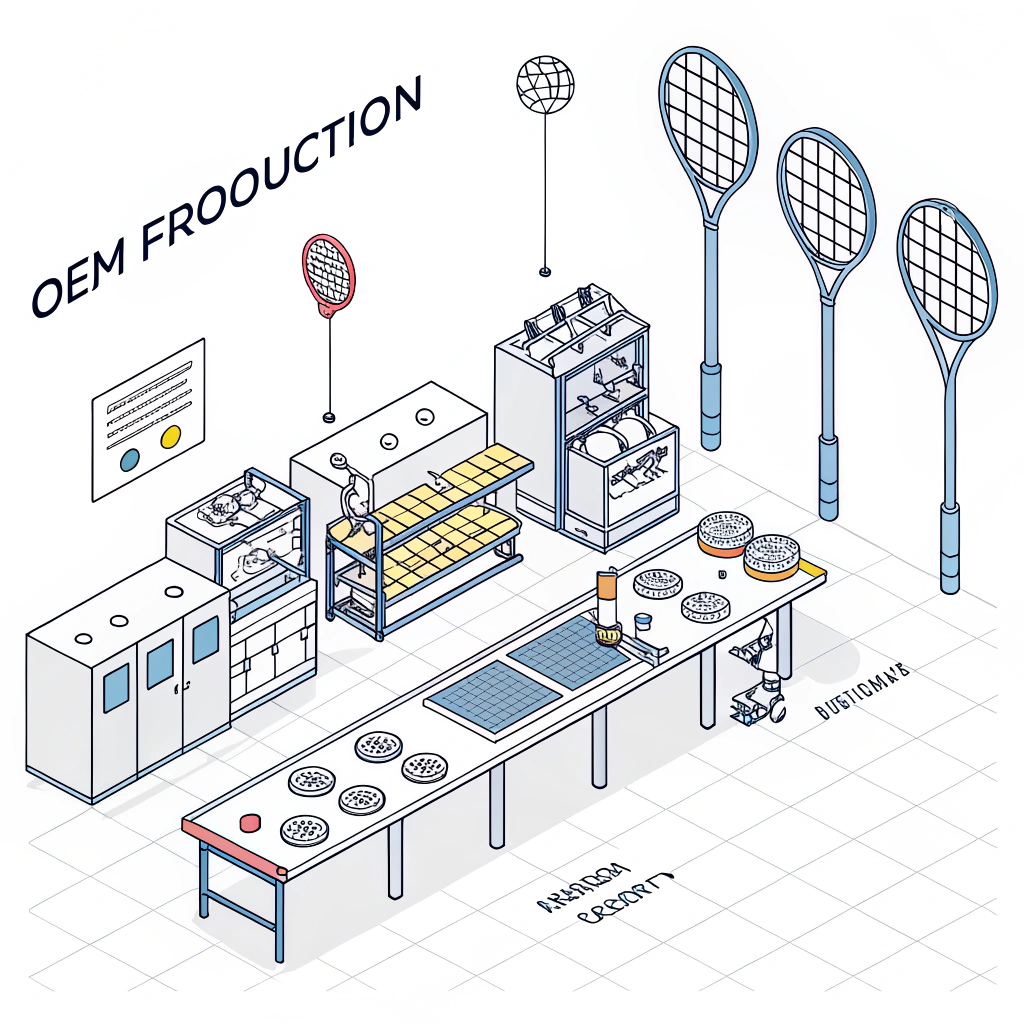
To address these challenges, consider the following solution framework based on a detailed evaluation of your potential OEM partner:
A reliable OEM manufacturer should have in-depth expertise in managing diverse raw materials. For instance:
- Fiberglass: Ideal for beginners and players who prioritize comfort and ease of use.
- Carbon Fiber (3k, 12k, 18k): Preferred for advanced players that demand high performance and durability.
Below is a comparison table to help decide which material might be best for your brand’s target market:
| Material Type | Ideal For | Key Benefits | Considerations |
|---|---|---|---|
| Fiberglass | Beginners and intermediate players | Lighter, cost-effective, more comfortable | Less durable under high-impact play |
| Carbon Fiber 3k | Intermediate to advanced players | Excellent strength-to-weight ratio | Higher cost |
| Carbon Fiber 12k | Advanced players seeking performance boost | Enhanced precision and durability | Potentially more rigid |
| Carbon Fiber 18k | Elite competition level typically | Superior performance and power | Higher price and weight considerations |
Choosing a manufacturer with the ability to work with different materials ensures flexibility as your market or target audience may evolve.
Customization is not just a trend; it’s a crucial differentiator in B2B sports equipment manufacturing. Key factors include:
-
Customized Shapes and Designs:
Leading manufacturers, such as NEX Padel, provide options for Diamond, Round, or Teardrop shapes in padel rackets. This flexibility means you can tailor the product to better suit specific player needs or brand aesthetics. -
Personalized Branding:
Customizing details like hand grip logos and handle covers not only strengthens brand identity but also provides a subtle competitive edge. Manufacturers who offer full artwork customization ensure that every element of the final product reflects your brand’s vision. -
Quick Sample Production and Iterative R&D:
OEM partners who demonstrate rapid prototyping5 and continuous improvement reduce the time between concept and market launch. This agility is especially important for brands that aim to respond quickly to market trends.
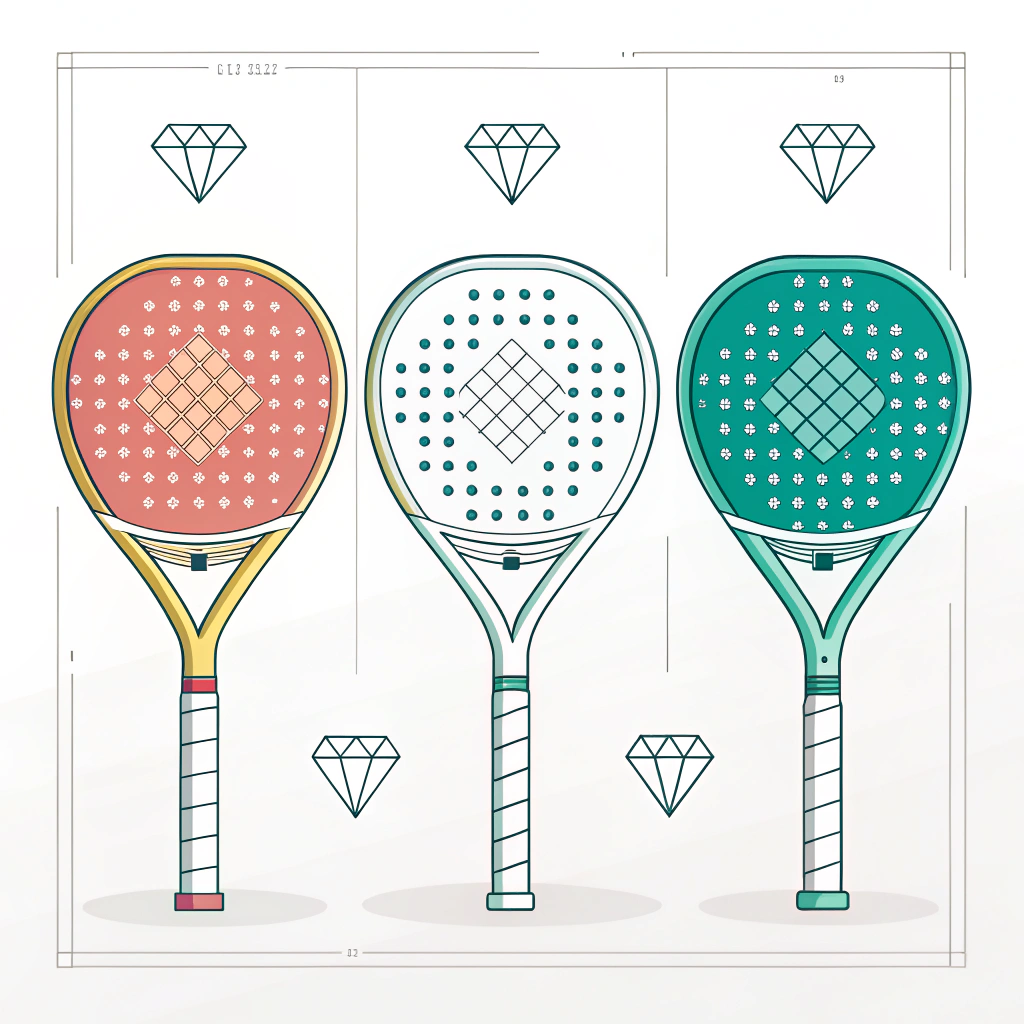
Quality control is paramount in ensuring that each padel racket meets industry standards as well as your own quality benchmarks. Essential quality control practices include:
-
Raw Material Testing:
Every batch of raw materials, whether fiberglass or carbon fiber, must undergo rigorous testing to verify strength, durability, and performance reliability. -
In-process Inspection:
Continuous quality checks during production help identify any deviations early. This process minimizes the risk of defective products reaching the final inspection stage. -
Final Product Evaluation:
A thorough final inspection ensures that each racket meets both functional and aesthetic criteria. This step is critical to maintaining the brand's reputation in high-performance sports equipment.
Furthermore, a clear understanding of quality control measures as provided by your OEM manufacturer can help mitigate risks associated with production inconsistencies.
A transparent and efficient supply chain with clearly defined production timelines is essential. Key measures include:
-
Order Lead Times and Flexibility:
Evaluate the manufacturer’s historical performance data on delivery timelines. A partnership that accommodates fluctuations in order volume and can rapidly scale production is a significant advantage. -
Communication and Reporting Systems:
Effective communication channels allow you to receive regular progress reports, which enables quick decision-making and adjustments if needed. -
Contingency Planning:
Ensure that your OEM partner has contingency measures in place in case of supply chain disruptions or unexpected demand surges. This could include alternative sourcing strategies and inventory buffers.
A table summarizing supply chain best practices is provided below:
| Supply Chain Aspect | Best Practices | Benefits for Your Brand |
|---|---|---|
| Lead Time Management | Defined timelines and flexible production scheduling | On-time delivery and market responsiveness |
| Communication Protocols | Regular updates and transparent progress reports | Reduced risk of miscommunication |
| Contingency Strategies | Backup sourcing and emergency response plans | Minimization of production delays |
NEX Padel has established itself as a reliable OEM partner by consistently meeting the expectations of global brands like Hirostar, Reebok, and Starvie. Key successes include:
-
Technical Proficiency:
Utilizing advanced techniques in molding and finishing, NEX Padel ensures that every racket exhibits precision and durability. -
Customization Capability:
The ability to customize both the racket structure and peripheral components like hand grips allows brands to differentiate themselves in the market. -
Reliable Delivery:
With robust production planning and supply chain management, NEX Padel consistently delivers on time, even when handling large order volumes.
In a recent project, NEX Padel was able to deliver customized padel rackets with a turnaround time significantly shorter than industry averages—a factor that greatly impressed a well-known sports brand looking to launch a new line during a peak season.
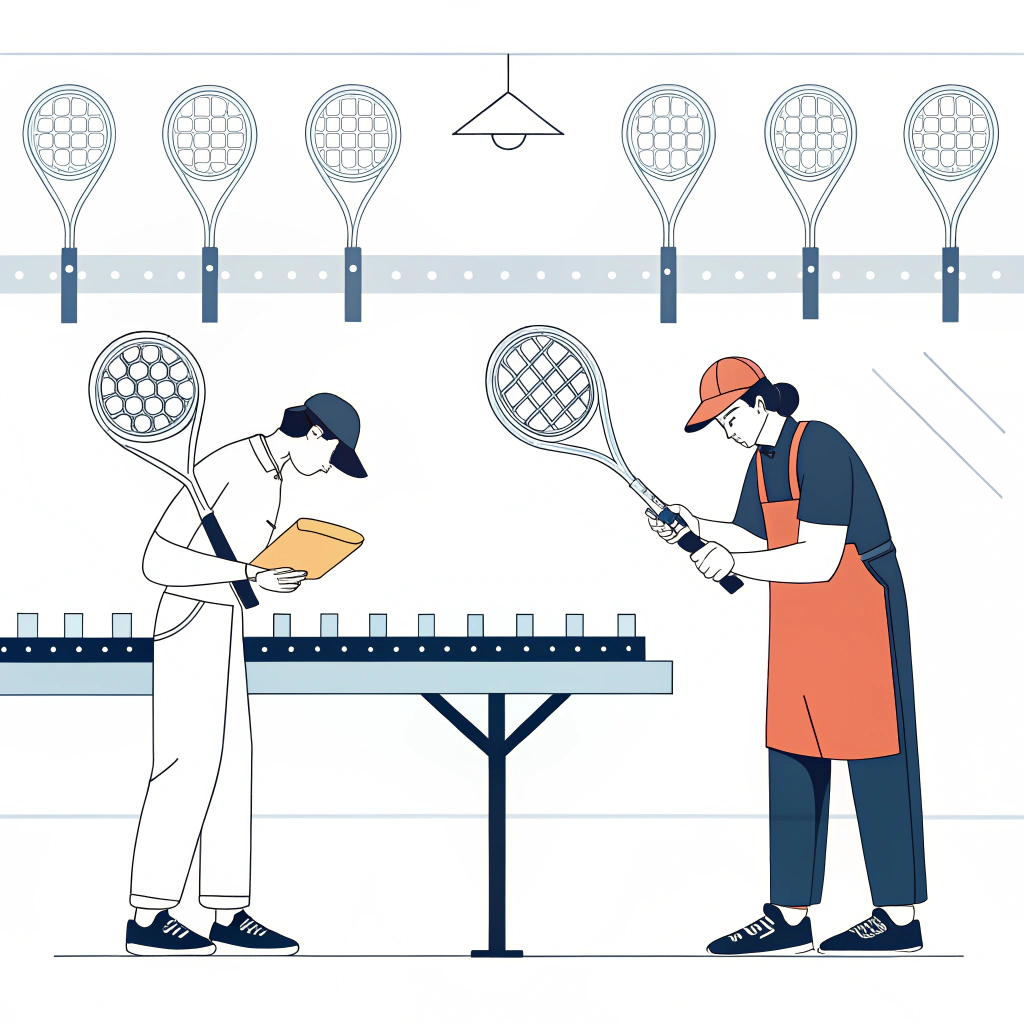
When selecting an OEM manufacturer for padel rackets, consider the following actionable steps:
-
Assess Material Expertise:
Verify if the manufacturer has hands-on experience with both fiberglass and various carbon fiber grades. Request case studies or sample products to gauge material quality. -
Evaluate Customization Capabilities:
Ensure that the manufacturer offers comprehensive customization options, from racket shape to branding details. Look for manufacturers that offer rapid prototyping and feedback cycles. -
Review Quality Control Protocols:
Ask for detailed information about the manufacturer’s quality control methods and standards compliance. Request quality certificates or audit reports if available. -
Check Production Timelines and Scalability:
Understand the manufacturer’s capacity to handle your order volumes and their average lead times. Transparent production scheduling and contingency planning are key factors. -
Form a Long-term Partnership:
Building a strong relationship with your OEM partner can provide long-term benefits, such as improved product iterations, cost savings, and a clearer communication channel for future projects. -
Request References and Case Studies:
Seek feedback from other sports brands that have partnered with the manufacturer. Case studies provide insights into the manufacturer’s performance and reliability under various production scenarios.
By following these recommendations, you can reduce risks, ensure product excellence, and maintain a competitive edge in the dynamic sports equipment marketplace.
Choosing the right OEM manufacturer for padel rackets is a decision that requires thorough evaluation of technical expertise, production capabilities, quality control, and supply chain reliability. With a clear focus on material selection, customization, and effective communication, your brand can secure a manufacturing partner like NEX Padel that not only meets but exceeds industry standards. This partnership will empower your brand to deliver high-performance, customized padel rackets that elevate your position in the competitive sports equipment domain.
Take the next step by engaging directly with manufacturers to discuss your unique requirements, and ensure that your chosen partner is as invested in quality and innovation as you are in your brand’s success.
-
Which brand is best for a padel racket?
Choosing the best brand for a padel racket depends on the player's level, needs, and the specifications of the racket. While various top brands exist in the market, the ideal choice will align with your performance requirements and style preferences. -
Do expensive padel rackets make a difference?
More expensive padel rackets often cater to advanced players by offering enhanced performance and durability. However, for beginners and intermediate players, higher cost does not always translate into significant benefits and may result in a smaller sweet spot and stiffer feel. -
What is the best material for a padel racquet?
The best material depends on the player's level and needs. Generally, beginners benefit from the lightweight and comfortable properties of fiberglass, while advanced players often prefer the strength and precision of carbon fiber.
-
OEM manufacturer: Click here to read about how partnering with an Original Equipment Manufacturer can streamline production and drive innovation in your supply chain. ↩ ↩
-
quality control: Click here to explore key quality control measures that ensure product consistency and reliability throughout the manufacturing process. ↩ ↩
-
customization: Click here to understand how extensive customization options can differentiate your product in a competitive marketplace. ↩ ↩
-
carbon fiber: Click here to learn more about the various grades of carbon fiber, their properties, and why they are critical for high-performance sports equipment. ↩ ↩
-
rapid prototyping: Click here to see how rapid prototyping techniques can accelerate product development and reduce time-to-market for new innovations. ↩ ↩