Skip to content

Padel is fun, easy to learn, and social—but what makes it especially appealing to children is worth exploring more deeply.
Children enjoy padel because it's simple, fast-paced, and social, making it a great introduction to sports for young players.
Let’s look at why padel keeps children smiling and coming back for more.
Why is padel good for kids?
Children need physical activity, social connection, and confidence boosts. Padel offers all three, and that’s why it’s gaining popularity among young players worldwide.
Padel is good for kids because it enhances coordination, improves fitness, and builds social and teamwork skills in a fun environment.
Physical and Mental Benefits
Padel’s smaller court and slower ball make it less intimidating than tennis. Kids can quickly rally, move, and feel success. That early sense of achievement builds confidence and motivation.
H3: Motor Skill Development
Kids constantly move in padel. Whether they’re running to return a ball or preparing for a serve, their motor skills1 are always engaged.
H3: Social Learning
Padel is always played in doubles2. That means children must learn cooperation, communication, and strategy—skills that are essential in life beyond sport.
Why is padel so addictive?
Once children start padel, they often don’t want to stop. The reasons go beyond just having fun—they tap into psychological rewards.
Padel is addictive because it offers instant feedback, social connection, and consistent challenge in a short, engaging format.
Psychological Hooks
Every rally feels like a win or a near-win. This continuous feedback loop3 keeps kids eager to improve and return for more.
H3: Short Rallies and Quick Wins
Unlike sports that require a long learning curve, padel provides children with early success.
| Feature | Result for Kids |
|---|---|
| Quick rallies | Keeps energy and attention high |
| Short matches | Fits kids’ limited attention spans |
| Soft equipment | Reduces fear of injury |
H3: Social Bonding and Identity
Padel becomes more than a sport. Children feel part of a team, a club, or a community. This belonging creates emotional attachment, making them want to come back again and again.
What's so special about padel?
Padel combines the best parts of other sports. It’s not just tennis in a box—it’s uniquely engaging, balanced, and accessible.
Padel stands out because it blends action, simplicity, and team spirit in a way few other sports can.
H3: Simplicity Meets Challenge
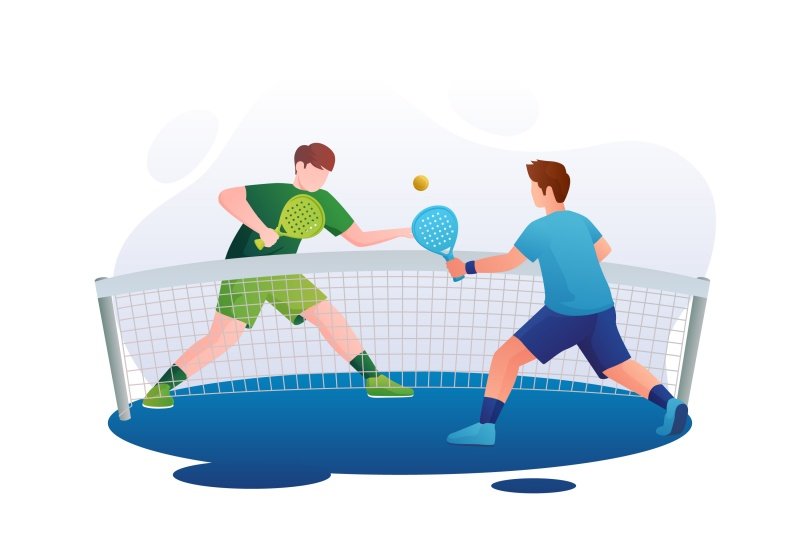
The rules are easy to learn, but mastering the game takes time. That balance keeps kids learning without frustration.
| Element | Description |
|---|---|
| Court design | Enclosed walls4 add exciting bounces |
| Equipment | Smaller rackets are kid-friendly |
| Rules | Simple scoring and play |
H3: Inclusive and Fair
Padel doesn’t require a certain body type or extreme athleticism. Any child—regardless of background—can participate and enjoy the game.
Why is padel suddenly popular?
Padel isn’t new, but its growth exploded recently. Accessibility, celebrity support, and social media buzz have made it a favorite—especially among the young.
Padel’s sudden popularity is due to its ease of play, global promotion, and its appeal to all age groups, especially children.
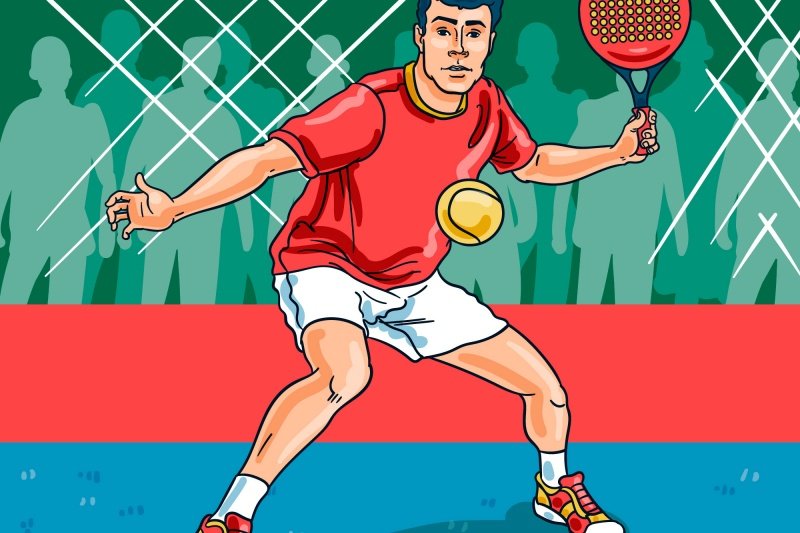
H3: Accessibility Fuels Adoption
Unlike some sports that need major investment or specific skills, padel courts are popping up everywhere and it takes minutes to start playing.
| Reason | Impact on Popularity |
|---|---|
| Small space needed | Easy for schools and clubs to build |
| Doubles format | Low entry barrier |
| Low injury risk | Parents feel safer enrolling kids |
H3: Cultural and Media Influence
With influencers, athletes, and clubs promoting padel, kids are naturally curious and eager to try what they see online and on TV.
Conclusion
Padel is popular with children because it's easy, fun, social, and rewarding—making it the perfect sport for young players.
-
Understand how motor skills contribute to physical coordination and overall child development. ↩
-
Discover how playing in doubles promotes teamwork and effective communication. ↩
-
Learn how continuous feedback motivates children and enhances their sports performance. ↩
-
See why enclosed walls create dynamic rebounds that add excitement to the game. ↩