Skip to content

Padel is booming in Europe, fueled by rising sports participation, innovative manufacturing, and strategic partnerships with high-performance brands like NEX Padel. This rapid growth opens a wealth of opportunities for business development managers and sports market strategists looking to invest in and distribute premium padel equipment.
The surge in the European padel market1 is not an accident. Over recent years, padel has transitioned from a niche sport to a mainstream phenomenon across many European countries. This growth is driven by several interlocking factors, including increased public interest in racquet sports, modern sports infrastructure, and a market hungry for high-performance sports gear2. Investors and distributors are taking notice because the market’s expansion is supported by sound data, robust production processes, and innovative product development.

The trend toward adopting padel is backed by impressive statistics. Research indicates that the number of padel courts across Europe has doubled in the past few years, complemented by a sharp increase in players at both amateur and professional levels. This trend is further spurred by community sports programs and high-visibility coaching clinics that have brought padel to the forefront of sports enthusiasm.
Key contributing factors include:
• Increased Health Consciousness: European consumers are seeking active lifestyles and sports that combine social interaction with physical exercise.
• Accessible Infrastructure: Many local governments and private investors have built and upgraded sports facilities, making padel accessible to a wider audience.
• Enhanced Media Coverage: With television and digital media increasingly showcasing padel events, the sport’s popularity continues to soar.
These drivers, along with tailored product offerings such as the highly customizable designs from NEX Padel, create a fertile ground for new business strategies in the padel industry.
At the heart of this market growth lies the evolution of padel racket manufacturing. Companies like NEX Padel are revolutionizing production processes by using advanced materials such as glass fiber and various grades of carbon fiber3 (including 3K, 12K, and 18K). These materials not only enhance durability but also offer improved performance on the court. Manufacturers are increasingly focusing on the following aspects:
-
Material Innovation:
- Glass Fiber: Offers balanced flexibility and resistance, providing an optimal recovery rate.
- Carbon Fiber (3K, 12K, 18K): Delivers superior stiffness, ensuring high impact resistance and precision control.
-
Design Versatility:
- Diamond, Round, and Teardrop Shapes: Each design targets different playing styles and skill levels.
- Full Customization: Clients can choose unique shapes, colors, and even customize logos on hand grips and racket coverings, tailoring the product to specific brand identities.
-
Efficient Production and Quick Turnaround:
- Advanced production techniques allow manufacturers to swiftly move from sample production to mass distribution, ensuring that market demand is met without delay.
A helpful way to understand the differences between racket types is the table below:
| Racket Type | Characteristics | Ideal For |
|---|---|---|
| Diamond | High stability and precision; aggressive play | Advanced players seeking control and power |
| Round | Offers balance between control and flexibility | Intermediate players; versatile game styles |
| Teardrop | User-friendly, promoting comfort and maneuverability | Beginners or players prioritizing ease of use |
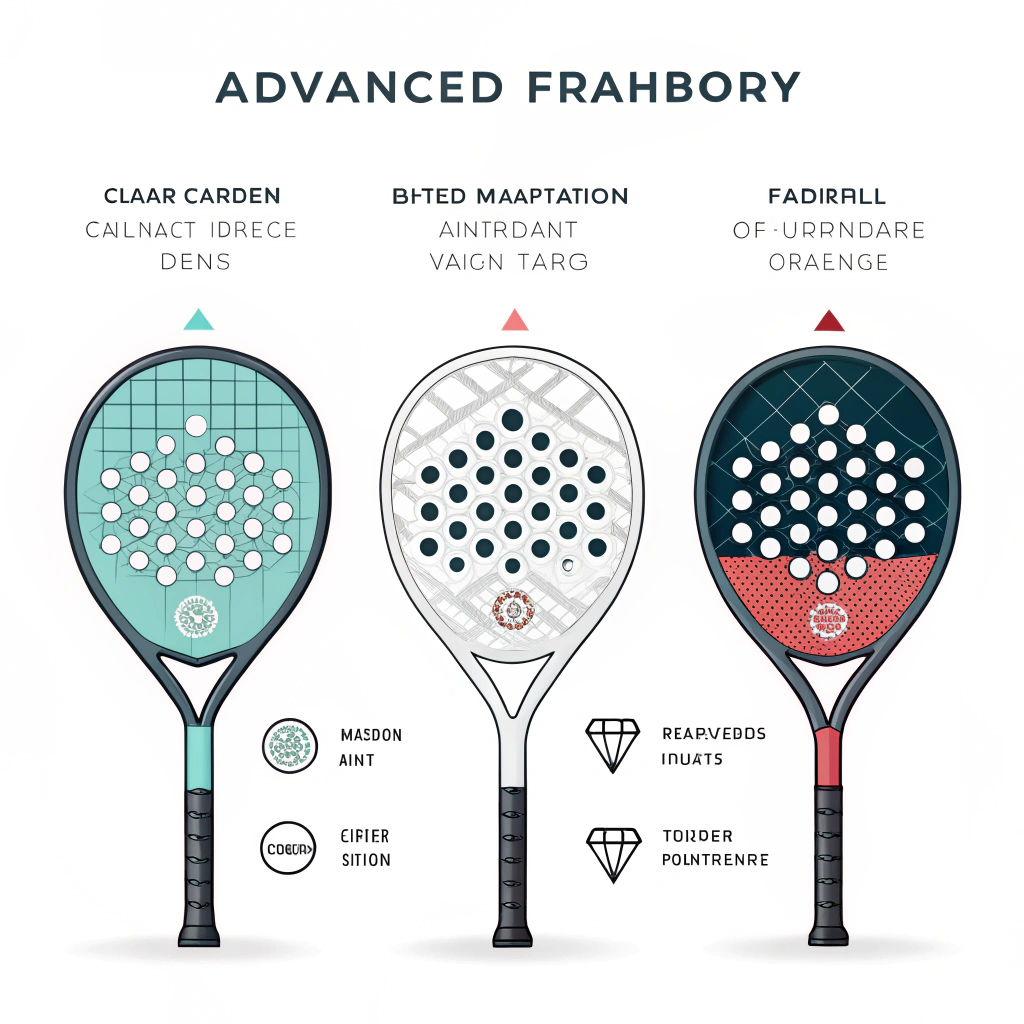
These innovations demonstrate that having a reliable production partner is crucial for maintaining competitive advantage in such a fast-growing market. For business development managers, understanding these manufacturing details is essential when evaluating investment opportunities and forming strategic partnerships.
For professionals in the B2B space, the padel market represents not only a growth industry but also a dynamic arena for strategic business models. Successful entry into the padel market often hinges on a well-developed distribution strategy and the strength of manufacturer partnerships. Here are several strategic insights:
-
Investment in High-Performance Equipment:
High-quality equipment is the foundation for a thriving padel market. By aligning with manufacturers like NEX Padel, businesses can ensure that the products they distribute meet the rigorous performance standards essential for competitive play. This not only builds brand reputation but also secures long-term customer loyalty. -
**Leveraging data-backed insights4:
Modern market research shows that expanding sports like padel are supported by relatable data—ranging from participation rates to user satisfaction surveys. Data-backed insights guide business decisions, allowing strategic partners to forecast demand, optimize inventory, and tailor marketing campaigns. -
Distribution and Customization:
In today's market, differentiation is key. The option for full customization in padel rackets, including custom printing and logo placement on accessories, empowers businesses to cater to localized tastes and brand identities. This adaptability is a significant competitive edge and attracts a wider customer base. -
Building Manufacturer Partnerships:
Trusted manufacturer partnerships ensure that products are reliable, production timelines are met, and quality is consistently high. With the backing of industry leaders like NEX Padel, who have served known brands such as Hirostar, Reebok, and Starvie, B2B buyers have solid confidence when forging distribution alliances. -
Exploring Complementary Products:
The padel product ecosystem goes beyond rackets. Complementary products like high-quality padel balls, available in different wool blends (45% wool and 57% wool) and packaged using Pressurized tubes, provide additional revenue streams and enhance the overall customer experience. These accessories are integral to securing a complete sports solution for both professional and casual players.
Investment guides and market trend reports suggest that entering the padel market now, equipped with the insights of modern production techniques and the allure of customization, can lead to significant long-term returns.
Selecting a manufacturing partner is a critical step for businesses looking to capture the booming padel market. A few best practices include:
• Evaluate Production Capabilities:
Understanding the breadth of a manufacturer’s technology—such as the ability to work with various carbon fiber grades and to adapt designs quickly—is essential. In-depth assessments help determine if the partner can meet scalability and innovation needs.
• Focus on Customization Options:
Customization is not just a cosmetic feature; it allows businesses to differentiate their products in a crowded market. Verify that manufacturers offer a range of customization options, from racket shape to logo placement on accessories like hand grips and covers.
• Review Supply Chain and Delivery Logistics:
A responsive production process and efficient logistics are pillars of successful market penetration. Quick turnaround times, as practiced by NEX Padel, can make the difference in meeting market demand and outperforming competitors.
• Assess Quality Assurance Measures:
Quality and consistency are key. Manufacturers that implement stringent quality control protocols, especially in the molding and finishing of rackets and padel balls, help mitigate risk and elevate brand trust.
• Review Past Partnerships and References:
Established partnerships with renowned industry brands serve as endorsements of a manufacturer’s reliability. Case studies from brands like Reebok highlight the benefits of working with seasoned manufacturers.
Businesses can compile these evaluation parameters in a checklist to ensure all critical factors are considered during partnership negotiations. Here is an example table that outlines crucial criteria:
| Evaluation Criteria | Key Questions | Importance |
|---|---|---|
| Production Capability | Can the manufacturer meet high-volume orders? | High |
| Customization Options | What range of design and branding customization is offered? | High |
| Supply Chain Efficiency | Are turnaround times and delivery schedules competitive? | Medium |
| Quality Assurance | What quality control measures are in place? | High |
| Track Record | Does the manufacturer have successful partnerships with leading brands? | High |

Adopting such a systematic approach to evaluate potential partners not only minimizes risk but also positions businesses to leverage market trends effectively.
Given the evidence of padel growth and the robust manufacturing landscape, B2B buyers can adopt several actionable strategies to excel in this market opportunity:
-
Market Research and Segmentation:
Begin with thorough market analysis to identify regional trends within Europe. This can include demographic studies, consumer behavior analyses, and competitive landscape assessments. Investing in this research informs smarter distribution networks and helps pinpoint ideal target markets. -
Forge Strategic Partnerships:
Align with manufacturers known for innovation and quality. Clear communication about customization needs and capacity expectations paves the way for long-term success. Strategic partnerships should be mutually beneficial, with shared insights and coordinated marketing efforts. -
Emphasize High-Performance Brand Values:
Leverage the quality and innovative design of products from manufacturers like NEX Padel to build strong brand recognition. Position your offerings as industry-leading by emphasizing the use of advanced material technologies5, customization options, and data-driven performance insights. -
Adopt a Multi-Channel Distribution Model:
Use a blend of direct sales, online distribution channels, and partnerships with sports retailers. Diversifying distribution methods ensures wider reach and better market penetration, especially in dynamic markets such as Europe. -
Monitor and Adapt:
Stay informed about market trends, consumer feedback, and technological advancements in padel equipment. An agile approach helps you pivot strategies when necessary, ensuring sustained growth even in fluctuating market conditions.
In summary, the exploding European padel market offers significant potential for B2B investors and sports market strategists. The convergence of accessory customization, advanced manufacturing, and rising consumer engagement creates a unique investment scenario. By evaluating manufacturer capabilities, leveraging data-backed insights, and strategically aligning with trusted production partners, businesses can effectively tap into this growing arena. Success in this field comes from the confluence of reliable partnerships, ongoing innovation, and an adaptable market approach.
People Also Ask
-
Why is the European padel market growing rapidly?
Answer: The European padel market is growing rapidly due to increased interest in active lifestyles, enhanced sports infrastructure, and rising media exposure. Government support and community sports initiatives further fuel the sport's popularity, attracting both amateur and professional players alike. -
How does advanced manufacturing impact the quality of padel rackets?
Answer: Advanced manufacturing improves the quality of padel rackets by utilizing innovative materials like various grades of carbon fiber and glass fiber. These materials enhance durability, precision, and performance, while customizable designs meet the varying needs of different players. -
What should businesses consider when selecting a padel equipment manufacturer?
Answer: Businesses should evaluate production capabilities, customization options, supply chain efficiency, quality assurance processes, and the manufacturer’s track record. These factors ensure that the partnership will support high-quality output, quick turnaround times, and the ability to adapt to market demands.
-
European padel market: Read this article to understand the dynamics, growth trends, and regional opportunities driving the padel industry across Europe. ↩ ↩
-
high-performance sports gear: Discover insights on how high-end sports equipment is designed and why it is crucial for competitive performance and market differentiation. ↩ ↩
-
carbon fiber: Learn about the innovative properties of carbon fiber, its manufacturing processes, and how it enhances product performance in sports equipment. ↩ ↩
-
data-backed insights: Understand how reliable market data and analytics drive informed business decisions and strategic investments in the sports industry. ↩ ↩
-
material technologies: Explore advanced material technologies that are revolutionizing sports manufacturing, offering better durability and high performance. ↩ ↩