Skip to content

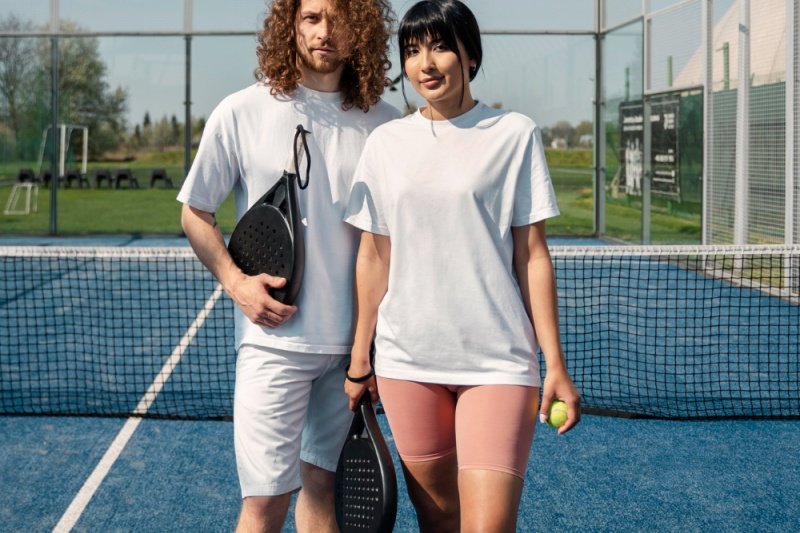
Struggling to choose between tennis balls and padel balls? The wrong choice can affect gameplay and damage your gear.
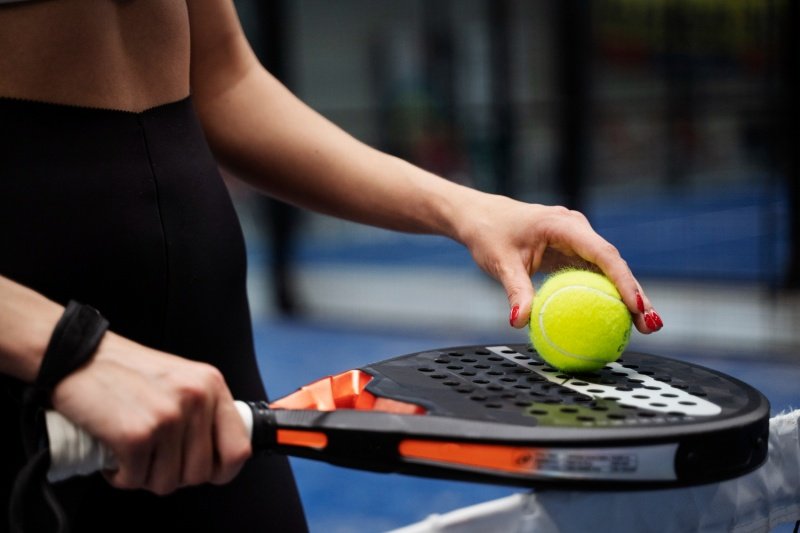
Padel balls are smaller, less pressurized1 and slightly lighter than tennis balls, making them uniquely suited for padel courts and gameplay.
Learn how each ball’s unique features can change your playing experience and prevent costly mistakes.
Can I use tennis balls for padel?
It might seem like a simple swap, but using tennis balls for padel leads to unexpected problems in speed, bounce, and gameplay.
Tennis balls are not recommended for padel because they bounce higher and move faster, disrupting proper padel play.
Understanding Compatibility
At first glance, tennis and padel balls look almost identical. But they’re not built for the same game. I’ve tested this in our factory at NEX Padel. Tennis balls are designed to endure heavy racket swings and larger court sizes, which means they have more internal pressure and a livelier bounce. When used on a smaller padel court, they bounce too high and move too fast, ruining the game’s rhythm.
Technical Differences
| Feature | Tennis Ball | Padel Ball |
|---|---|---|
| Diameter | 6.54–6.86 cm | 6.35–6.77 cm |
| Weight | 56.0–59.4 g | 56.0–59.4 g |
| Internal Pressure | 14 psi | 11 psi |
| Bounce Height2 | 135–147 cm (from 254 cm) | 135–145 cm (from 254 cm) |
| Felt Texture | Thicker and fuzzier | Smoother |
Why Pressure Matters
Padel relies on controlled ball movement and shorter reaction times. Tennis balls are too “hot” for this—like using a racecar on a go-kart track. That’s why I always tell our clients: don’t compromise your game for convenience. The right ball makes a real difference.
Is padel ball easier than tennis?
You may think padel balls are easier to handle, but it’s not just about the ball—it’s about how the game plays out.
Padel balls feel slower and softer than tennis balls, but the smaller court and glass walls3 make padel uniquely challenging.
Ease Depends on Context
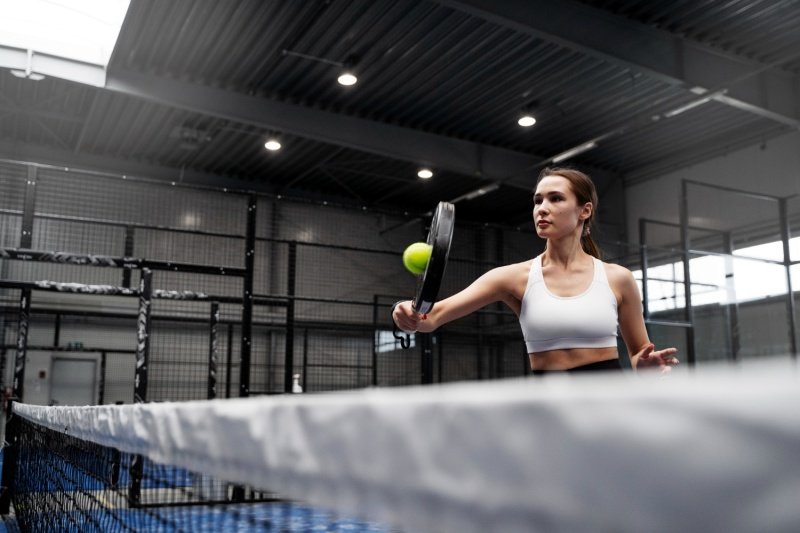
Yes, the padel ball itself is less pressurized and slower. But that doesn’t mean padel is easier. In fact, many experienced tennis players struggle with the reflex-based nature of padel. The smaller court and the use of glass walls demand fast decisions, even if the ball speed is lower.
Side-by-Side Comparison
| Aspect | Padel | Tennis |
|---|---|---|
| Ball Speed | Slower | Faster |
| Court Size | Smaller (10x20 m) | Larger (23.77x8.23 m) |
| Reaction Time | Shorter | Longer |
| Game Complexity | Wall bounces, quick volleys | Baseline play, topspin rallies |
| Learning Curve | Faster to start | Longer to master |
The Catch
At NEX Padel, I’ve noticed many new players believe padel will be easier because the ball doesn’t fly as fast. But then they encounter the walls. Timing and positioning become crucial. The wall introduces a strategic dimension that tennis doesn’t have. That’s why it’s not fair to say one is easier—just different.
What is different about a padel ball?
You might expect a padel ball to be just a tennis ball with a new label—but it’s more than that.
A padel ball is slightly smaller, has lower internal pressure, and uses a smoother felt for better control on glass courts.
Three Main Differences
1. Pressure
Lower pressure means less bounce and speed, which fits padel’s close-court play. I’ve seen firsthand in our testing labs how a 3 psi difference affects performance. A padel ball keeps play tighter and more controlled.
2. Size and Feel
Though the weight is similar, padel balls tend to feel slightly smaller and softer. The felt is also smoother. This allows for better grip and control on synthetic turf and glass walls.
3. Performance Lifespan
Padel balls wear out faster than tennis balls due to their structure and lower pressure. At NEX Padel, we recommend changing balls every 3–4 matches to maintain consistent bounce.
| Comparison Factor | Padel Ball | Tennis Ball |
|---|---|---|
| Internal Pressure | 10.5–11 psi | 13.5–14 psi |
| Surface Texture | Smoother | Fluffier |
| Bounce Behavior | Lower, controlled | Higher, livelier |
| Lifespan per Use | Shorter (3–4 matches) | Longer (up to 7 matches) |
Application for Retailers
When we help retailers choose stock, I always highlight these points. Tennis balls in padel packaging can confuse customers. Make sure your product lineup clearly separates the two to avoid confusion.
Are pickleball and padel ball the same?
Pickleball and padel may sound similar, but their balls couldn’t be more different—starting with the materials and game mechanics.
Pickleball balls are plastic with holes and are designed for paddle contact, while padel balls are pressurized felt balls, more like tennis balls.
Material and Design Contrast
Pickleball uses a plastic ball with perforated holes, similar to a wiffle ball4. These balls are entirely unpressurized. Meanwhile, padel balls are closer to tennis balls—rubber core, pressurized, and covered in felt.
Key Differences
| Feature | Padel Ball | Pickleball Ball |
|---|---|---|
| Material | Rubber + felt | Hard plastic |
| Internal Pressure | Pressurized | Unpressurized |
| Bounce Type | Natural court bounce | Flat bounce, designed for paddle |
| Game Origin | Tennis derivative | Ping pong + badminton blend |
| Outdoor Use | Can be used outdoors | Special outdoor balls needed |
Playing Experience
From my experience, customers sometimes confuse padel with pickleball, especially in North America. But when I show them the balls side by side, the difference is obvious. The feel, sound, and bounce are completely distinct. That’s why I always stress: if you're ordering balls, know your sport.
Conclusion
Padel balls differ in pressure, bounce, and material from tennis and pickleball balls—each built to serve its own unique game style.