Skip to content
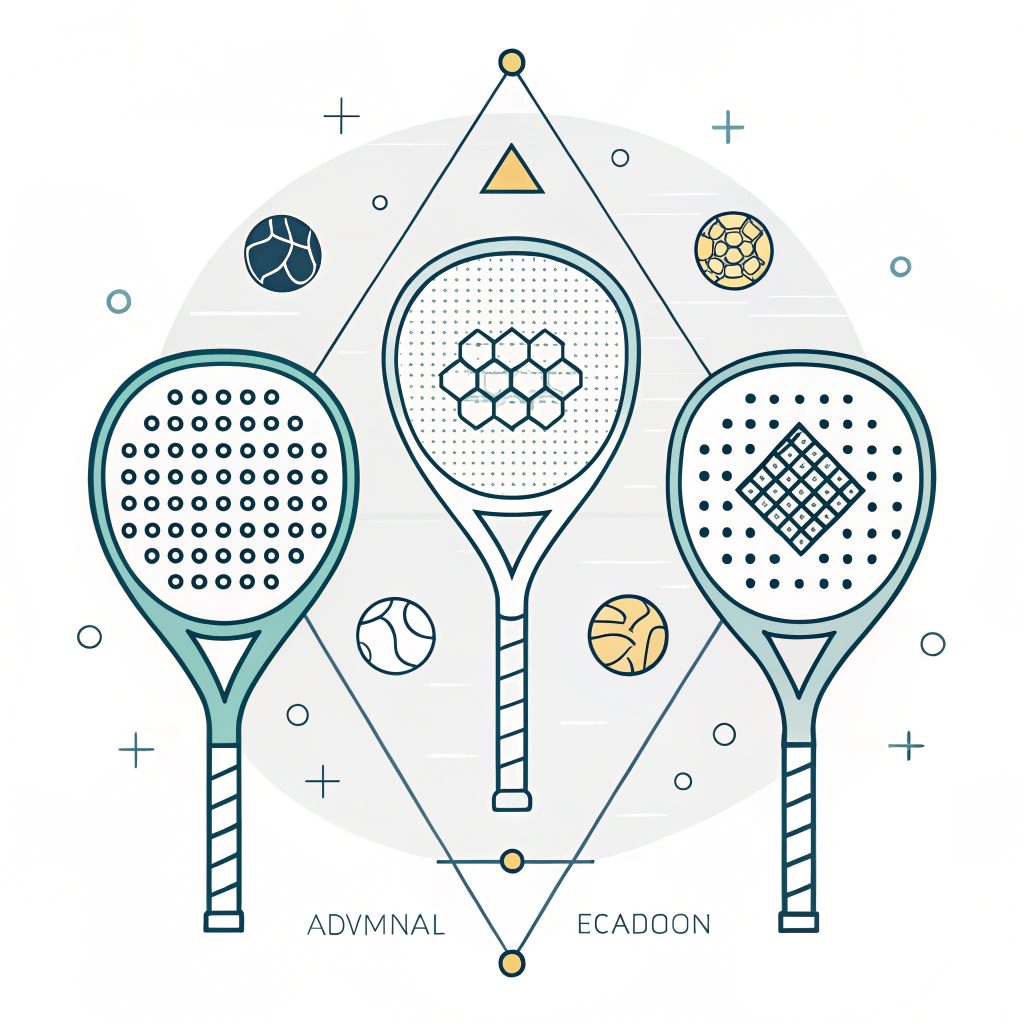
A high-performance padel racket must combine optimal design, quality materials, and precise manufacturing to offer unmatched durability and superior playability in competitive settings. This article provides B2B buyers with an in-depth comparison of key factors that influence padel racket quality, helping procurement managers and sourcing specialists make informed decisions.
At the forefront of high-performance padel equipment lies the understanding of material selection1, design, and customizability2. For procurement managers and distributors, the decision process is critical: choosing a racket is not merely about the brand, but about factors such as shape, weight, balance, handle configuration, and surface treatment. It is essential to evaluate how each component contributes to racket performance on the padel court.
In the world of padel, every detail counts. For example, the shape of a racket influences its sweet spot, with designs ranging from Diamond, Round, and Teardrop—each affecting control, power, and maneuverability differently. Additionally, advanced materials such as various grades of carbon fiber3 (3k, 12k, and 18k) ensure that the product not only meets but exceeds expectations regarding durability and consistency.
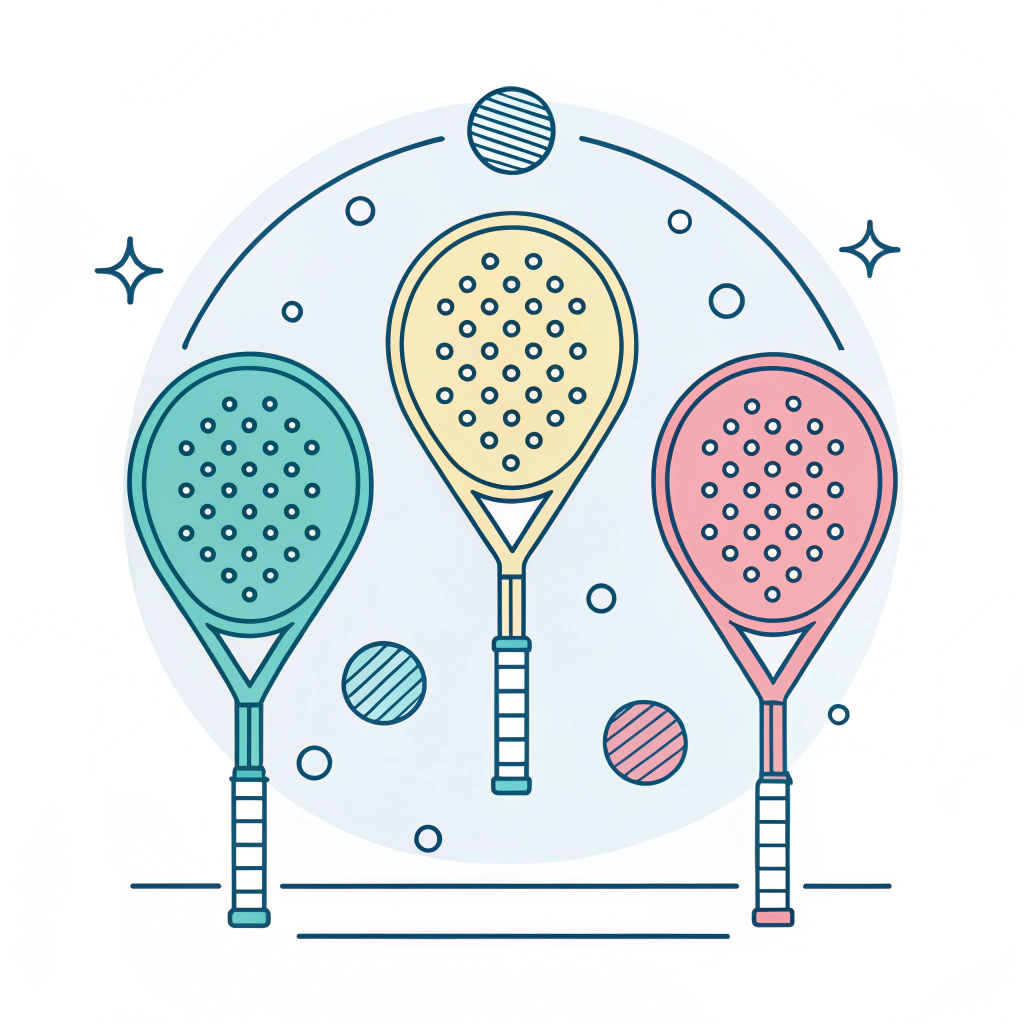
For B2B procurement, it is important to break down the technical specifications that form the backbone of quality padel rackets:
-
Shape and Design:
- Diamond: Offers a higher power output with a concentrated sweet spot. Ideal for aggressive play, but may require precision.
- Round: Provides comfort and control with a larger sweet spot, making it suitable for players seeking balance.
- Teardrop: Strikes a middle ground between power and control, accommodating a broader range of play styles.
-
Weight and Balance:
- Weight: Affects the power potential vs. maneuverability. Heavier rackets can generate strong shots but may reduce speed, whereas lighter rackets allow for quick responses.
- Balance: Determines the distribution of mass. A well-balanced racket improves both force distribution and ease of handling.
-
Material Composition:
- Carbon Fiber Grades: The use of different grades like 3k, 12k, and 18k carbon fiber translates into specific performance profiles. Higher-grade fibers provide increased stiffness and durability.
- Fiberglass Integration: Commonly used to complement carbon fibers, fiberglass can offer added flexibility and impact absorption.
-
Customization Options:
- Manufacturers like NEX Padel provide extensive customization including custom shapes, printing, and logo placements on both racket surfaces and accessories like hand grips and handle covers.
-
Quality Control and Production Techniques:
- Rigorous quality control4 processes ensure that each racket meets performance standards. Advanced production techniques lead to precision in manufacturing, which is crucial for maintaining consistent high performance across batches.
To provide a clear overview, the table below compares technical specifications among the main shapes:
| Specification | Diamond | Round | Teardrop |
|---|---|---|---|
| Sweet Spot Location | Higher, concentrated | Central, larger area | Mid-position balanced |
| Performance Focus | Power-centric | Control and comfort | Balanced play |
| Material Stress | Higher stress tolerance | Moderate stress handling | Versatile stress distribution |
| Customization | High potential | Flexible design | Adaptable configuration |

By evaluating such factors, procurement managers can confidently align their product selection with the specific needs of their clientele, while also ensuring that customizations do not compromise structural integrity.
NEX Padel stands at the forefront of padel racket manufacturing, leveraging state-of-the-art production technology and a rigorous quality control system. With industry collaborations including well-known brands such as Hirostar, Reebok, and Starvie, we have honed a production process that emphasizes both performance and customization.
One of the key advantages of working with NEX Padel is our capability to offer a broad spectrum of materials. Our product range includes options from fiberglass to high-grade carbon fiber (3k, 12k, and 18k), which allows us to cater to varying performance requirements. For distributors relying on the precision of every component in a racket, the possibility to fully understand the material properties and their impact on performance is crucial. Our technical research supports the fact that better materials contribute to enhanced durability and a more consistent playing experience.
Customization isn’t just a buzzword for us; it is embedded in our operation. We support custom designs in three principal shapes: Diamond, Round, and Teardrop, as well as custom printing and color options. Moreover, the available personalized details on accessories such as hand grip and handle cover logos allow distributors to offer a tailored product to their local or global clientele. This level of flexibility is especially important in a market where brand differentiation and unique product offerings can be decisive factors.
Rapid Prototyping5 and Timely Delivery
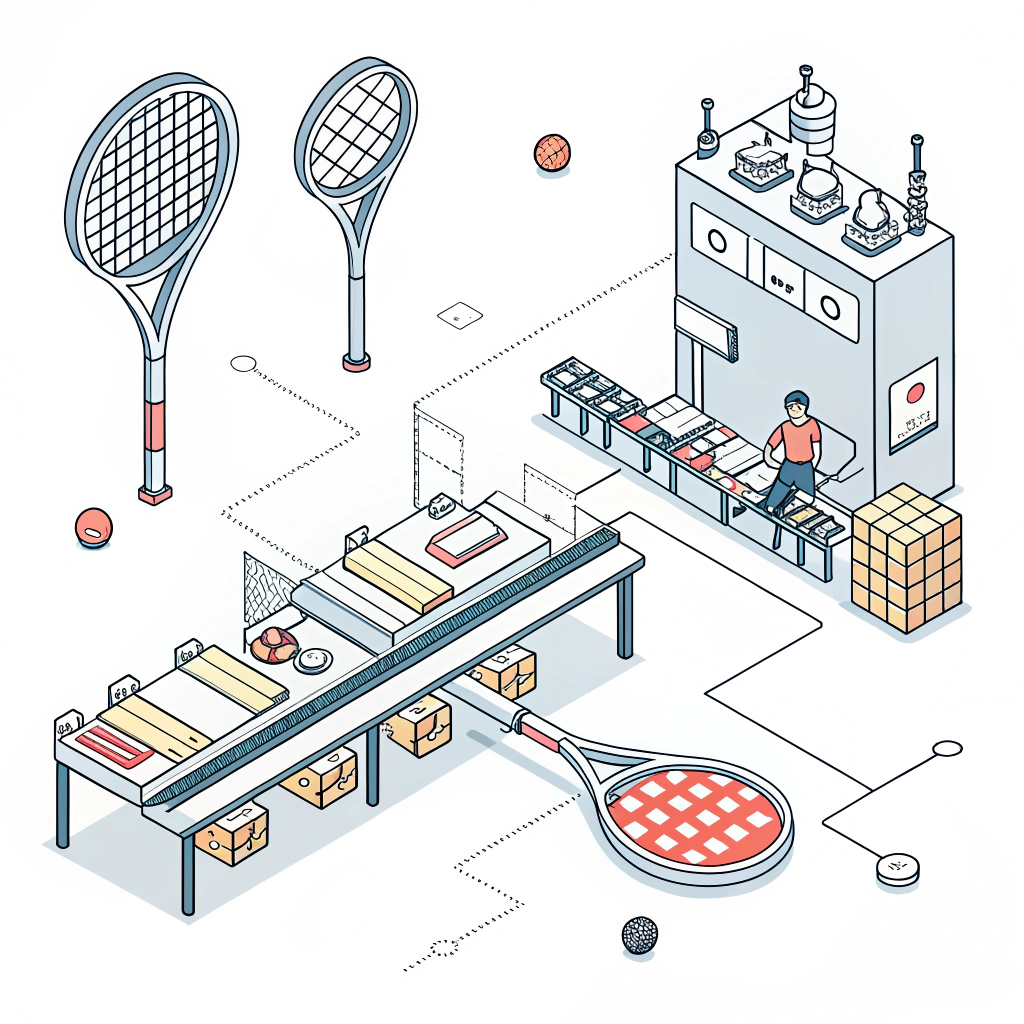
In today’s fast-paced market, speed is as critical as quality. NEX Padel’s facilities are geared for rapid prototyping and quick turnaround, ensuring that once a design is approved, production and delivery proceed without unnecessary delays. This efficiency directly benefits distributors and padel clubs, allowing them to manage inventory effectively and respond to market demand faster than competitors who might be constrained by less agile production cycles.
When assessing padel rackets for business use, cost-effectiveness is a major consideration. A common debate in the industry revolves around whether expensive padel rackets are justifiable by performance improvements. It is important to note that while higher-priced rackets often come with advanced features and premium materials, the true value lies in the overall production quality and customization capabilities.
For many players, transitioning to a high-performance racket after an extended period with a basic model can significantly raise the level of play. In a similar vein, distributors should evaluate the long-term durability and customer satisfaction associated with the product's performance. NEX Padel’s emphasis on material excellence, meticulous quality control, and tailored customization ensures that our products deliver value over time, making them a wise investment for partners seeking sustained performance benefits.
A detailed cost-benefit analysis for padel racket procurement should consider:
- Initial Investment vs. Lifespan: Higher upfront costs might be offset by longer product life and fewer replacements.
- Customization Premium: Tailored features can command higher prices but also align closer with market demands.
- Performance Consistency: Rackets manufactured with rigorous quality checks reduce performance variability, lowering warranty and service costs.
For procurement managers and sourcing specialists in the padel industry, selecting the right product involves not only understanding the technical details but also aligning those details with company and market strategies. Here are some strategic recommendations:
-
Understand Your Customer Base: Assess whether your client base prioritizes power, control, or a balanced performance profile. This will influence the choice between Diamond, Round, or Teardrop configurations.
-
Evaluate Material Impact: Consider the trade-offs between different materials such as fiberglass and various grades of carbon fiber. High-grade carbon fiber contributes to enhanced rigidity and response, which might be essential for competitive players.
-
Customization and Branding Options: Ensure that the manufacturer can meet your specific branding needs. Custom printing and personalized accessories add competitive value in product markets where differentiation is key.
-
Production Efficiency: Factor in delivery timelines and the capacity for rapid prototyping. Quick turnaround times are vital for maintaining market competitiveness, especially during high-demand periods.
-
Long-Term Service and Support: Select manufacturers who offer robust post-sales support. Consistent quality control and product warranties contribute to overall customer satisfaction.
A systematic decision-making process supported by detailed technical comparisons and real-world performance data will help distributors and padel clubs reduce risk and secure long-term benefits.
In summary, the quality of a padel racket is intrinsically linked to its design, material selection, and the manufacturing precision behind it. Our analysis shows that a high-performance racket addresses the following key points:
- Optimal design shapes (Diamond, Round, Teardrop) that match distinct playstyle requirements.
- Weight balance and material symbiosis, crucial for enhanced power, control, and durability.
- Superior customization capabilities that enable brand differentiation in competitive markets.
- Rapid production cycles and reliable quality control as markers of operational excellence.
For B2B buyers, investing in a product that seamlessly marries innovation with proven performance is critical. NEX Padel’s commitment to advanced production techniques and customization ensures that our padel rackets not only meet competitive play demands but also translate into a superior value proposition for distributors and padel clubs.
By leveraging these insights and employing a structured comparison approach, procurement managers can confidently secure partnerships that foster growth and market success. Whether you are expanding your product portfolio or seeking to upgrade your current offerings, the emphasis on technical precision and quality control remains the cornerstone of long-term success in the competitive padel market.
-
How to tell a good padel racket?
A good padel racket is determined by its shape, weight, and balance. The right shape—be it Diamond, Round, or Teardrop—affects the racket's sweet spot and play dynamics, while proper weight distribution and handle size ensure comfort and control. Advanced materials further enhance its performance and durability. -
What makes a padel racket better?
A superior padel racket offers a blend of an optimized design and high-quality materials. The shape defines its performance, with each configuration presenting a unique balance between power, control, and comfort. Furthermore, precision in manufacturing and customizable options are critical for achieving the ideal playing experience. -
Are expensive padel rackets worth it?
While expensive padel rackets often incorporate advanced materials and technologies, their worth is determined by improved durability and performance. However, simply opting for the priciest option does not guarantee better gameplay; the value lies in consistent quality and how well the racket aligns with the player's specific style and needs.
-
Material Selection: Read this article to understand how optimal material selection can enhance product durability and performance by integrating quality inputs into the manufacturing process. Back to term. ↩
-
Customizability: Explore this resource to learn about the benefits of adaptable product designs and how customization can drive differentiation and meet specific market needs. Back to term. ↩
-
Carbon Fiber: Discover detailed insights on carbon fiber grades and how various specifications like 3k, 12k, and 18k affect the performance, durability, and overall quality of sporting goods. Back to term. ↩
-
Quality Control: Click here to read about advanced quality control methodologies that ensure consistency, reliability, and long-term value in manufacturing processes. Back to term. ↩
-
Rapid Prototyping: Learn how rapid prototyping technologies can accelerate design iterations and reduce time-to-market for innovative products in competitive industries. Back to term. ↩